Secrets to finding the Best Gold Prices in Africa | in 2026
Gold prices reached record highs in 2026, making it more important than ever for investors, bullion buyers, and gold traders to understand where they can buy genuine gold at competitive prices. While the international spot price is set by global financial markets, the final cost of buying gold depends on factors such as local supply, refining, export fees, logistics, taxes, and dealer margins.
Africa is home to many of the world’s leading gold-producing countries, including Ghana, South Africa, Tanzania, Mali, the Democratic Republic of the Congo, and Uganda. For qualified buyers, purchasing through licensed African gold exporters can provide direct access to professionally assayed gold backed by the required export documentation, rather than purchasing through multiple intermediaries.
In this guide, you’ll learn what determines gold prices across Africa, which countries are known for competitive pricing, how to compare offers safely, and what documents you should verify before making a purchase. You’ll also discover practical strategies for avoiding common scams, understanding the relationship between spot price and dealer premiums, and finding reliable suppliers that comply with local mining and export regulations.
At Buy Gold in Africa, we help international buyers source legally exported gold from licensed suppliers by providing transparent pricing, independent assay documentation, and guidance throughout the sourcing and export process.
Live Spot Gold Prices (USD)
| Purity | Price per Gram | Price per Troy Ounce (31.1035 g) | Price per Kilogram |
| 24K (99.9%) | $133.11 | $4,140.21 | $133,107.75 |
| 22K (91.6%) | $121.93 | $3,792.40 | $121,930.00 |
| 18K (75.0%) | $99.83 | $3,105.10 | $99,830.00 |
Note: Gold prices are based on international spot market values and are updated periodically. Actual purchase prices may vary depending on refinery premiums, dealer margins, logistics, insurance, taxes, and market conditions.
Gold Prices Across Selected African Countries
The figures below provide representative gold values converted into local currencies using prevailing exchange rates. Local retail prices may differ between dealers and cities.
| Country | Currency | Purity | Per Gram | Per Troy Ounce | Per Kilogram |
| Uganda | UGX | 24K | UGX 531,072 | UGX 16,518,558 | UGX 531,071,643 |
| 22K | UGX 486,462 | UGX 15,142,012 | UGX 486,462,000 | ||
| 18K | UGX 398,304 | UGX 12,388,919 | UGX 398,304,000 | ||
| South Africa | ZAR | 24K | ZAR 2,330 | ZAR 72,470 | ZAR 2,330,000 |
| 22K | ZAR 2,135 | ZAR 66,430 | ZAR 2,135,000 | ||
| 18K | ZAR 1,748 | ZAR 54,350 | ZAR 1,748,000 | ||
| Egypt | EGP | 24K | EGP 6,430 | EGP 200,000 | EGP 6,430,000 |
| 22K | EGP 5,892 | EGP 183,280 | EGP 5,892,000 | ||
| 18K | EGP 4,823 | EGP 150,000 | EGP 4,823,000 | ||
| Nigeria | NGN | 24K | NGN 212,980 | NGN 6,624,300 | NGN 212,980,000 |
| 22K | NGN 195,100 | NGN 6,068,000 | NGN 195,100,000 | ||
| 18K | NGN 159,730 | NGN 4,968,000 | NGN 159,730,000 | ||
| Kenya | KES | 24K | KES 17,170 | KES 534,100 | KES 17,170,000 |
| 22K | KES 15,730 | KES 489,200 | KES 15,730,000 | ||
| 18K | KES 12,880 | KES 400,600 | KES 12,880,000 | ||
| Ghana | GHS | 24K | GHS 2,130 | GHS 66,250 | GHS 2,130,000 |
| 22K | GHS 1,950 | GHS 60,650 | GHS 1,950,000 | ||
| 18K | GHS 1,598 | GHS 49,700 | GHS 1,598,000 |
Top Factors Influencing the Best Gold Prices in Africa
Global Economic Conditions:
The state of the global economy significantly impacts gold prices. Economic downturns or instability often lead investors to flock to gold as a haven, driving prices up.
Currency Exchange Rates:
The value of the US dollar plays a great role in gold pricing since gold is mostly priced in US dollars, fluctuations in exchange rates between local currencies and the dollar affect gold prices in African markets. A weaker dollar typically results in higher gold prices, as gold becomes cheaper for buyers using other currencies
Supply and Demand Dynamics:
When the gold demand increases the balance between gold supply and demand directly influences its price, mostly in major markets like China, Europe, and India.
Geopolitical Stability:
Political unrest or instability in gold-producing countries can lead to supply disruptions well and stable countries with good mining infrastructure typically offer more predictable prices which in turn affects prices. This diverse political landscape can create both opportunities and challenges for gold buyers.
Mining Costs:
The cost of extracting gold depends on countries where higher mining costs can lead to higher prices for consumers and countries with low mining costs can give more competitive pricing.
Gold Purity Levels:
The higher-purity gold levels like 24K and 22K give higher gold prices buyers need to be aware of the purity they’re buying to ensure they get value for money.
How Gold Prices Are Calculated Across Africa
Gold prices across Africa are ultimately linked to the international spot market, but the final buying and selling price of physical gold depends on several additional factors. Buyers and exporters assess the metal’s purity through laboratory assays, calculate its intrinsic gold content, and then account for refining costs, government royalties or export charges (where applicable), logistics, insurance, financing, and commercial margins before setting a purchase price. As a result, locally negotiated prices for dore bars and bullion can differ from the quoted international spot price even when global markets remain unchanged.
Revised Core Components
Spot Price
The spot price represents the current international market value of one troy ounce (31.1035 grams) of fine gold. It serves as the reference price for bullion transactions worldwide and is influenced by activity in major bullion markets.
Gold Purity
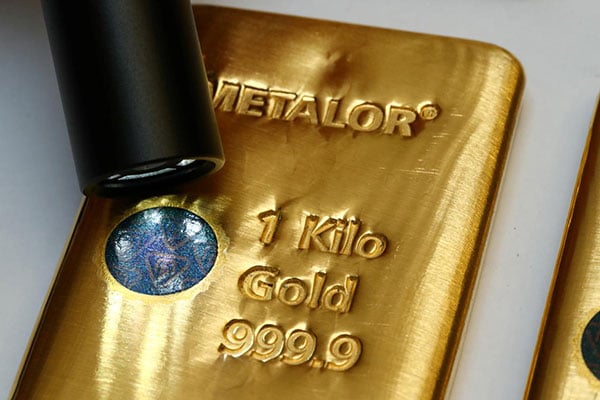
Gold is valued according to its purity, expressed as karats or fineness. Investment bullion is commonly refined to 999.9 fine (24K), while jewelry may be produced in 22K, 18K, or lower purities. Unrefined dore bars typically contain between 70% and 95% recoverable gold, depending on the source material and processing stage.
Assay Testing
An assay determines the exact precious-metal content of a sample before pricing and settlement. Fire assay remains the industry reference method for high-accuracy determination, while X-ray fluorescence (XRF) provides rapid, non-destructive screening.
Refining Costs
Raw dore must generally be refined before it becomes investment-grade bullion. Refining charges vary depending on purity, weight, refinery, recovery rates, and contractual terms.
Government Charges
Mining royalties, export levies, taxes, licensing fees, and regulatory charges vary significantly between jurisdictions and should be verified against the laws of the exporting country.
Logistics and Insurance
High-value gold shipments normally require secure transportation, customs clearance, and insurance. Total logistics costs depend on shipment value, destination, carrier, and security requirements.
About Your Worked Example
The mathematics is correct for the assumptions you’ve provided:
- Pure gold content: 850 g
- Gross intrinsic value: $113,135.00
- Refining cost: $1,500.00
- Export charge (3%): $3,394.05
- Shipping and insurance: $1,200.00
- Net before commercial margin: $107,040.95
- Buyer margin (2%): $2,140.82
- Illustrative final payout: $104,900.13
However, I recommend adding a disclaimer immediately before or after the example:
Illustrative Example: The calculation above is provided for educational purposes only. Actual purchase prices vary depending on the gold’s assay results, contractual terms, refining charges, regulatory requirements, logistics, financing costs, insurance, and prevailing international market conditions. No single formula applies to every transaction or jurisdiction.
Gold Export Comparison Across Major African Gold-Producing Countries
| Country | Typical Gold Purity at Export | Primary Export Requirements | Government Royalties / Export Charges |
| Uganda | Refined bullion: 99.5–99.99%; Dore bars: 80–95% | Mining or trading license (where applicable), export permit, assay certificate, certificate of origin, commercial invoice, packing list, customs documentation, AML/KYC compliance | Royalties and statutory fees depend on the Mining and Minerals Act, applicable regulations, and the nature of the transaction. |
| Democratic Republic of the Congo (DRC) | Dore bars: 70–95%; Refined bullion: 99.5%+ | Export authorization, SAEMAPE documentation (ASM where applicable), CEEC certification, certificate of origin, assay report, customs clearance, AML/KYC documentation | Royalties, export duties, and provincial taxes vary according to mining legislation and the type of producer. |
| Tanzania | Dore bars: 80–95%; Refined bullion: 99.5–99.99% | Mining Commission export permit, certified assay report, certificate of origin, tax clearance, commercial invoice, customs declaration, AML/KYC documentation | Royalties depend on license category and legislation. Exporters must also comply with applicable taxes and other statutory charges. |
| Kenya | Dore bars: 75–95%; Refined bullion: 99.5%+ | Export permit, assay certificate, certificate of origin, customs documentation, commercial invoice, AML/KYC compliance | Royalties and export-related charges are determined under Kenya’s mining legislation and applicable regulations. |
| Ghana | Dore bars: 80–95%; Refined bullion: 99.5–99.99% | Export license from the appropriate authority, certified assay report, certificate of origin, commercial invoice, customs documentation, AML/KYC compliance | Royalties are payable under Ghanaian mining legislation, together with any applicable export-related fees and taxes. |
| South Africa | Investment bullion: 99.5–99.99%; Dore bars: 85–95% | Export permit (where required), assay certificate, commercial invoice, customs documentation, certificate of origin (when applicable), AML/KYC compliance | Royalties are governed by South African mining legislation, with additional taxes or duties depending on the transaction and destination. |
Notes for International Gold Buyers
- Typical purity: Dore bars are generally exported between 70% and 95% purity, while investment-grade bullion is commonly refined to 99.5% or higher, with many bars reaching 99.99% (999.9 fine).
- Assay reports: Independent assay certificates are essential for confirming the gold’s purity before payment or export.
- Documentation: Buyers should verify that each shipment includes the necessary export permits, certificate of origin, commercial invoice, packing list, customs documentation, and shipping records.
- Royalties and taxes: Mining royalties, export levies, and statutory charges differ between countries and may change as legislation is updated. Buyers should confirm the latest requirements with the relevant government authorities or licensed exporters before completing a transaction.
How to Buy Gold Safely from Africa
Purchasing gold from Africa can be a legitimate investment when conducted through licensed exporters and verified supply chains. Before committing funds, buyers should complete thorough due diligence on both the seller and the gold being offered. Independent verification and proper documentation are essential to reducing the risk of fraud and ensuring compliance with export and import regulations.
Verify the Gold Through an Independent Assay
Never rely solely on an assay report provided by the seller. Request that the gold be tested by an independent, accredited laboratory or refinery before final payment is made. Fire assay is widely regarded as the reference method for determining precious metal content, while X-ray fluorescence (XRF) can provide rapid, non-destructive screening. An independent assay confirms the gold’s purity, weight, and fineness, helping ensure that the purchase matches the agreed specifications.
Confirm Export Permits and Regulatory Compliance
Before the shipment leaves the exporting country, verify that the seller holds all required licenses and export authorizations. Depending on the jurisdiction, legitimate exports may require:
- Valid mining or gold trading license (where applicable)
- Government-issued export permit
- Assay certificate
- Certificate of Origin
- Commercial invoice
- Packing list
- Customs export declaration
- Air Waybill (AWB) or other shipping documentation
- Insurance certificate
- AML/KYC documentation where required
Always verify these documents with the relevant government authority or issuing organization whenever possible.
Request a Certificate of Origin
A Certificate of Origin identifies the country from which the gold originated and supports supply chain transparency. Together with assay reports and export documentation, it helps buyers demonstrate provenance and may be required by customs authorities in the destination country.
Release Payment Only After Verification
Avoid making full payment before the gold and its documentation have been independently verified. Depending on the transaction, buyers may reduce risk by using:
- Documentary Letters of Credit (LC)
- Escrow services
- Bank-to-bank SWIFT transfers with agreed contractual milestones
- Payment upon successful verification at an agreed inspection point, where commercially appropriate
Ensure that the payment structure is clearly documented in the purchase agreement and reflects the parties’ negotiated terms.
Watch for Common Warning Signs
Exercise caution if a seller:
- Offers gold at prices substantially below the international market without a credible explanation.
- Refuses independent assay testing or document verification.
- Cannot provide valid export permits or proof of legal ownership.
- Pressures you to make immediate payment.
- Requests payment through untraceable methods only.
- Is unwilling to sign a written sales contract.
These warning signs do not necessarily prove fraud, but they warrant additional due diligence before proceeding.
Learn How to Identify Common Gold Scams
If you’re buying gold for the first time, it’s important to understand the warning signs of fraudulent transactions. Read our comprehensive guide, How to Spot Fake Gold in Africa, to learn how to identify counterfeit gold, forged documents, unrealistic pricing claims, and other common scams before committing to a purchase.
Disclaimer: This information is provided for general educational purposes and should not be considered legal, customs, financial, or investment advice. Buyers should conduct independent due diligence and seek professional advice where appropriate before entering into any gold transaction.
Where To Find The Best Gold Prices In Africa Today
- Johannesburg in South Africa. The city known as the gold capital of Africa Johannesburg has various reputable gold dealers and a sparkling gold market.
- Accra in Ghana. Ghana is known as the gold coast in Africa which leads them to be Africa’s largest gold producer in recent years and Accra has a variety of reputable gold local dealers and gold traders who offer competitive rates.
- Nairobi in Kenya: With a growing gold market, Nairobi has seen an influx of dealers offering competitive prices, making it a key location for gold purchases.
- Kampala, Uganda: a regional trading and refining hub. Kampala’s mining sector is expanding, and Kampala is being known as a home for several gold traders who give fair pricing.
- Kinshasa in the Democratic Republic of the Congo. Is known as one of the largest gold producers in Africa and Kinshasa has great opportunities for buyers to find competitive prices directly from local miners.
Seasonal Trends in African Gold Markets
- Holiday Seasons. The Demand for gold jewelry typically goes high during the Christmas seasons and festive seasons, particularly in India’s Diwali and wedding season, and Chinese New Year this slightly increases gold prices in that period.
- Economic Cycles. When there is a change in an economy like a downturn this often leads to an increase in gold buying as individuals search for safe investments while a boom when there is a decrease in demand for gold.
- Harvest Seasons. Famers in some African countries buy gold after harvesting post-harvest periods may lead to increased gold buying as farmers look to invest their earnings.
- Political Events. Political events like elections and major political events can create uncertainty leading to an increase in gold purchases as a hedge against instability.
- Global Events. International crises or economic shifts can influence local markets prompting buyers to act quickly to secure gold at favorable prices.
How Buy Gold in Africa Keeps Prices Competitive
- Buy Gold in Africa stands out in Africa’s gold market by providing fair prices to its clients like offering,
- Buy Gold in Africa helps buyers connect them to direct sources it’s from miners by eliminating middlemen or intermediaries.
- Gold Buyers offers discounts to investors or buyers who buy in bulk.
- Buy Gold in Africa offers transparent pricing with no hidden fees to its buyers.
- Buy Gold in Africa ensures the purity and authenticity of all gold sold through reliable testing methods and well-documented.
Reasons Why Africa Offers the Best Gold Prices Globally
- Rich Gold Resources. Africa is known as a home of the world’s richest gold deposits Ghana, South Africa, Mali, Burkina Faso, Tanzania and DRC are major gold producers with abundant reserves and provide a steady supply of gold at competitive prices.
- Lower Production Costs. Many African countries benefit from lower operational costs in mining, which can translate into more competitive pricing for buyers.
- Local Market Dynamics. The presence of numerous local gold dealers and traders in Africa attracts a competitive environment that is driving prices down and benefiting buyers.
- Buy Gold in Africa’s Expertise. As a leading player in the market, Buy Gold in Africa leverages its extensive network and industry knowledge to offer clients the best possible prices.
Factors That Impact Gold Prices in Africa Right Now
- Inflation Rates. The Rising demand from countries like India China and the Middle East impacts African gold prices which leads to inflation and brings increases in gold prices as investors seek to preserve their wealth.
- Interest Rates. Lower interest rates make gold a more attractive investment compared to interest-bearing assets, influencing demand and pricing.
- Mining Regulations. Changes in mining laws and regulations can affect production costs and supply impacting pricing.
- Environmental Factors. Climate change and environmental policies can affect mining operations, leading to fluctuations in supply and prices.
- International Trade Policies. Tariffs and trade agreements can influence the cost of gold imports and exports, affecting local market prices.
In conclusion, understanding the factors that influence gold prices in Africa is key for any buyer looking for gold in Africa. With its rich resources competitive market, and the expertise of Buy Gold in Africa now it’s time to have the greatest opportunities in the African gold market. if you want to access the unbeatable gold prices contact Buy Gold in Africa Today.
Frequently Asked Questions
Is Gold Cheaper in Africa?
Not necessarily. Gold sold in Africa is generally priced using the same international spot price that applies worldwide. While buyers may find competitive pricing when purchasing directly from licensed exporters or refiners, the final price also includes refining costs, logistics, insurance, taxes, regulatory fees, and dealer margins. Claims that gold is consistently sold far below the global spot price should be treated with caution and verified carefully.
What Is the Price of 1 Kilogram of Gold in Uganda?
The value of 1 kilogram of 24K gold in Uganda changes continuously because it follows the international spot price and the UGX/USD exchange rate. Based on the latest market data in this guide, 1 kg of 24K gold is approximately UGX 531 million. Actual transaction prices may vary depending on purity, assay results, export costs, and dealer premiums.
Can Foreigners Buy Gold in Africa Legally?
Yes. Foreign individuals and companies can legally purchase gold in many African countries, provided the transaction complies with the laws of both the exporting and importing countries. Buyers should work only with licensed exporters, verify all documentation, complete any required AML/KYC procedures, and ensure that all customs and import requirements are satisfied before shipment.
What Documents Are Required to Export Gold?
The exact documentation varies by country, but legitimate gold exports commonly include:
- Export permit or export licence
- Assay certificate
- Certificate of Origin
- Commercial invoice
- Packing list
- Customs export declaration
- Air Waybill (AWB) or other shipping documentation
- Insurance certificate
- Any import permits required by the destination country
Always confirm the specific requirements with the relevant government authorities before exporting or importing gold.
How Is the Price of Gold Calculated in Africa?
Gold prices are calculated by starting with the international spot price and adjusting for the gold’s purity, weight, refining charges, government royalties or export fees where applicable, transportation, insurance, and commercial margins. For unrefined dore bars, the final purchase price also depends on the assay results, which determine the amount of recoverable pure gold.
How Can I Verify That Gold Is Genuine Before Paying?
Before making payment, request an independent assay from an accredited laboratory or refinery and verify all export documents, including the export permit, Certificate of Origin, and assay report. Buyers should avoid sending full payment until the gold and accompanying documentation have been independently verified and all contractual conditions have been met.