Exporting Gold From Africa: Air Freight vs Hand Carry Costs & Legal Rules (2026)
For most foreign buyers, insured air freight through a licensed secure-logistics firm is the safer, more legal, and more bankable way to export gold from Africa. Hand carry can work for small, fully documented lots, but it carries higher theft, customs, and scam risk.
Every month, foreign buyers land in Accra, Kampala, Dar es Salaam, and Nairobi hoping to buy gold below world prices. Many face the same question on the first call with a seller: should the gold travel by air freight, or should you carry it home yourself? Your answer decides your costs, your insurance, your legal exposure and, often, whether the deal is real at all.
This guide compares both methods side by side, explains the documents you need, and shows how export rules have changed in key African countries.
Quick Answer: Which Option Is Best for Foreign Gold Buyers?
Air freight wins for almost every serious buyer. Hand carry is a narrow option for experienced buyers moving small, verified lots on routes they know well.
Choose Air Freight If…
- You are buying more than 1–2 kg, or plan repeat purchases.
- You need full transit insurance, from the seller’s vault to the refinery.
- Your bank, refinery, or compliance team needs a clean paper trail.
- You are a first-time buyer in that country.
- You want the gold assayed and settled at a recognized refinery before you pay in full.
Choose Hand Carry If…
- The lot is small, and every export permit, tax receipt, and customs declaration is already issued in your name.
- The exporting country, your airline, and your destination country all allow it, in writing.
- You have arranged specialist insurance that covers a carried consignment.
- You have bought from this seller before, through a verified, licensed channel.
Comparison Table at a Glance
| Factor | Air freight (secure logistics) | Hand carry |
| Typical cost | Higher fixed fees; lower cost per kg on larger lots | Lower fees on small lots; hidden costs in escorts and delays |
| Security | Armored transfer, vault-to-vault chain of custody | Depends on you; high theft and robbery risk |
| Paperwork | Handled with the logistics firm and licensed exporter | Your responsibility at every checkpoint |
| Insurance | All-risk transit cover is standard | Hard to get; often excluded |
| Speed | Usually 2–7 days door to refinery | Same day, if nothing goes wrong |
| Legal risk | Low when the exporter is licensed | High; one missing document can mean seizure |
How Gold Exporting from Africa Works
Legal gold leaves Africa only through a licensed chain: a licensed seller, a government assay, paid royalties, a customs export entry, then transport to a refinery. The transport method is the last link, and it only works if every earlier link is clean.
The Legal Export Chain: From Mine or Dealer to Destination Refinery
- Source. Gold comes from a licensed large-scale mine or from artisanal and small-scale miners (ASM), usually through licensed dealers or a state buyer.
- Assay. A government or accredited lab tests weight and purity and issues a certificate.
- Taxes and royalties. The exporter pays royalties, export levies, and any withholding taxes.
- Export permit. The mining ministry or regulator issues a permit for that specific consignment.
- Customs clearance. Customs checks, seals, and records the shipment.
- Transport. The gold travels by secure air freight or, where allowed, hand carries.
- Refining and settlement. A refinery in Dubai, Switzerland, India, or elsewhere re-assays the gold and pays out.
Key Players: Licensed Dealers, Assay Offices, Customs, and Secure Logistics Firms
- Licensed dealers and exporters hold the legal right to sell and export. In some countries, this is now a single state body.
- Assay offices confirm what the gold actually is. Their certificate is the basis for tax and price.
- Mining regulators and central banks issue permits and, in several countries, have first rights to buy part of the gold.
- Customs authorities clear and seal the consignment and can stop airlines from carrying uncleared gold.
- Secure logistics firms move valuables vault to vault with insurance and armed escort.
- Refineries set the final price based on their own assay.
Why Your Export Method Affects Price, Risk, and Compliance
Refineries and banks now run strict due diligence on African gold. They want proof of origin, a clean chain of custody, and evidence that taxes were paid. Air freight through a recognized carrier creates that record by default. Hand carry often leaves gaps, and gaps can mean a lower price, a frozen payment, or a rejected lot.
What Is Air Freight for Gold Exports?
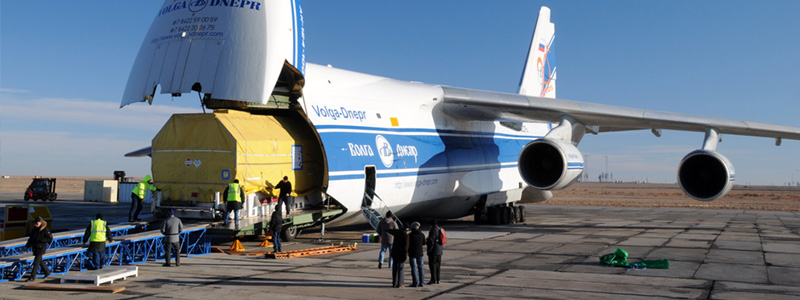
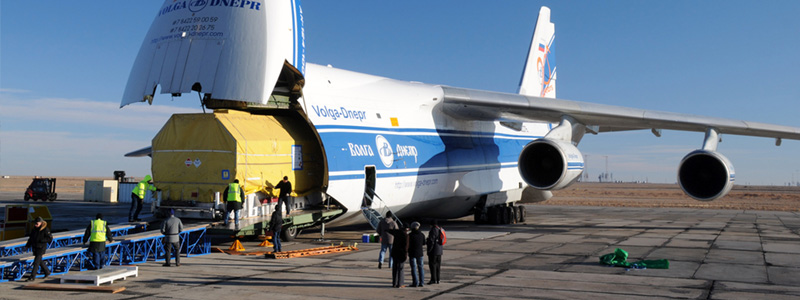
Air freight for gold means shipping the metal as declared, insured valuable cargo, usually through a specialist secure-logistics company. The gold moves from a bonded vault to the airport under escort, flies in a secure hold, and is collected at destination by the same network.
How Secure Valuables Shipping Works
Global valuables carriers such as Brink’s, Malca-Amit, Loomis, and Ferrari Group, plus licensed local partners, run most legal gold shipments out of Africa. The typical flow is:
- The exporter books the shipment and submits documents.
- The carrier collects the sealed consignment from the exporter’s vault or the assay office.
- Customs inspects, seals, and releases it at the airport.
- The gold flies as valuable cargo, often on a direct or one-stop route to Dubai, Zurich, Mumbai, or Hong Kong.
- The carrier’s destination team clears it and delivers it to the refinery or a bonded vault.
At each handover, staff sign and record the seals. That signed record is the chain of custody that refineries and banks ask for.
Documents Required for Air Freight Gold Shipments
Requirements vary by country, but expect:
- Export permit for the consignment
- Exporter’s or dealer’s license
- Assay certificate and certificate of origin
- Commercial invoice and packing list
- Proof of royalty, levy and tax payment
- Customs export declaration
- Air waybill issued by the carrier
- Know-your-customer (KYC) files on buyer and seller
Costs: Freight, Insurance, Escort, and Handling Fees
Air freight costs come in layers: collection and armored transport, airport handling, the air freight charge, destination clearance, and transit insurance. Insurance is usually quoted as a percentage of declared value. Carriers often apply a minimum charge per shipment, so very small lots cost more per kilogram. Always get written, itemized quotes from at least two carriers before you agree on a price with the seller.
Pros of Air Freight
- Full chain of custody that refineries and banks accept
- All-risk insurance from pickup to delivery
- Professional security, not your own body
- Lower legal risk, because customs clear the cargo formally
- Scales well for larger and repeat shipments
Cons of Air Freight
- Higher fixed fees on small lots
- Takes days, not hours
- Requires a licensed exporter, so you cannot ship gold from an unlicensed seller
- Booking can stall if any document is missing
What Is Hand Carrying Gold?
Hand carrying means a person, usually the buyer or a courier, takes the gold on a passenger flight in carry-on or checked baggage. It is legal only when the export is fully licensed and declared at both ends. Undeclared hand carry is smuggling.
How Hand Carry Exports Work in Practice
A legal hand carry still follows the export chain. The gold is assayed, taxes are paid, an export permit is issued, and customs inspects and seals the parcel at the departure airport. The carrier then travels with the sealed parcel and declares it on arrival. The only thing that changes is who physically moves the gold.
Customs Declarations and Permits You Need Before Boarding
- Export permit naming the carrier or the consignment
- Assay certificate matching the exact weight and purity
- Receipts for royalties and export levies
- Customs export declaration, stamped at the airport
- Commercial invoice and proof of payment
- Passport and, in some countries, a dealer’s or exporter’s license
If any document is missing, customs can seize the gold. Some countries also tell airlines not to carry gold without proof of clearance. In Uganda, for example, the revenue authority instructed airlines to reject gold shipments where exporters could not show that all payments were cleared.
Airline and Destination Country Rules on Carrying Gold
Airlines set their own limits on valuables in baggage, and many exclude gold from liability for checked bags. Destination countries usually require a declaration above a value threshold. The UAE requires travelers to declare precious metals above a set value, and the EU treats gold bullion like cash for its €10,000 declaration rule. Check both the airline and the destination customs website before you book.
Pros of Hand Carrying Gold
- Fast: the gold arrives when you do
- Lower fees on very small lots
- You keep physical control of the parcel
Cons and Hidden Risks of Hand Carrying
- Robbery and kidnapping risk. People known to carry gold become targets, often with inside information from the seller’s side.
- Seizure risk. One missing stamp at transit or arrival can mean confiscation and arrest.
- Weak insurance. Standard travel and baggage policies exclude bullion.
- Transit problems. A layover in a third country can trigger that country’s declaration rules too.
- Refinery doubts. Hand-carried lots often get extra scrutiny, which can delay payment.
- Scam magnet. Fraudsters push hand carry because it keeps the deal outside formal channels (see the red flags below).
Air Freight vs Hand Carry: Side-by-Side Comparison
On every factor except speed and small-lot fees, air freight comes out ahead. Here is how they compare in detail.
Cost Per Kilogram
Hand carry looks cheaper because there is no freight invoice. But add a business-class ticket, hotel, local security escort, airport facilitation, and specialist insurance, and the saving often disappears. Air freight carries a minimum charge, so it costs more per kilogram on tiny lots and less on larger ones.
Security and Theft Risk
Secure carriers use armored vehicles, bonded vaults, and trained escorts, and they are liable while the gold is in their custody. With hand carry, the risk sits with one traveler who is easy to identify and follow. Robberies on the way to the airport and at hotels are a well-known danger in gold-trading hubs.
Insurance Coverage
All-risk transit insurance is standard with professional carriers and is accepted by refineries and banks. Ensuring a hand-carried parcel needs a specialist policy, and many insurers refuse or demand strict conditions.
Speed and Delivery Time
Hand carry wins on speed: the gold lands when you do. Air freight usually takes a few days because of booking, customs slots, and flight schedules. For most buyers, a few extra days is a fair price for lower risk.
Legal and Compliance Risk
Air freight forces every document to be in order before the gold moves. Hand carry depends on officials at several checkpoints accepting your papers, including in transit countries. Any gap can turn a legal purchase into a seizure.
Best Option by Shipment Size
| Shipment size | Recommended method | Why |
| Under 5 kg | Air freight for first-timers; hand carry only for experienced buyers with full permits | Minimum charges raise air freight cost per kg, but risk is still lower |
| 5–20 kg | Air freight | Value is too high to carry personally; insurance becomes essential |
| Over 20 kg | Air freight only | Refineries, banks and insurers expect a professional chain of custody |
Common Mistakes Foreign Buyers Make When Exporting Gold from Africa
| Common Mistake | Why It’s Risky | Best Practice |
| Paying before an independent assay | You may pay for gold with lower purity or incorrect weight than claimed. | Arrange an independent XRF or fire assay before making full payment. |
| Buying gold far below the international spot price | Prices that are significantly below market value are often linked to scams, stolen goods, or counterfeit gold. | Compare quotes with the current international spot price and expect legitimate premiums for refining, documentation, shipping, and insurance. |
| Trusting only PDF licenses | Fake or expired licenses can be easily edited or forged. | Verify licenses directly with the relevant mining or regulatory authority whenever possible. |
| Ignoring export laws and permit requirements | Missing or invalid export documents can lead to shipment delays, confiscation, fines, or legal issues. | Confirm all required export permits, certificates, and customs documentation before shipment. |
| Paying fake customs, tax, or clearance fees in advance | Fraudsters often demand unexpected payments for non-existent customs or airport charges. | Make payments only through verified government procedures or reputable financial institutions, and request official receipts. |
| Carrying large quantities of gold personally | Personal transport increases the risk of theft, customs complications, and seizure if documentation is incomplete. | Use licensed, insured international logistics providers that specialize in precious metals. |
| Failing to insure the shipment | Loss, theft, or damage during transit could result in significant financial losses. | Ensure shipments are fully insured from collection to final delivery. |
| Using unlicensed exporters or intermediaries | Unlicensed exporters may not meet legal, tax, or compliance requirements, putting the transaction at risk. | Work only with licensed dealers and exporters that follow AML/KYC and applicable export regulations. |
| Skipping AML/KYC due diligence | Transactions may be delayed, rejected, or investigated if compliance requirements are not met. | Complete all required Know Your Customer (KYC) and Anti-Money Laundering (AML) checks before concluding the transaction. |
| Not reviewing shipping and delivery terms | Unclear responsibilities can create disputes over insurance, customs clearance, and delivery timelines. | Agree in writing on shipping terms, responsibilities, insurance coverage, and delivery conditions before export. |
Key takeaway: Most international gold export problems can be avoided by verifying licenses, arranging an independent assay, complying with export regulations, using licensed exporters, and ensuring secure, insured shipping. Buyers should also be cautious of unusually low prices and requests for unexpected advance payments.
Country-by-Country Export Rules
The biggest change for foreign buyers since 2024 is centralization. Several major producers now route artisanal gold through a single state buyer or exporter, which shrinks the space for private hand-carry deals. Rules change often, so confirm with the regulator before you travel.
| Country | Who can export artisanal gold | What it means for buyers |
| Ghana | GoldBod only | Buy from GoldBod or its licensed channels, not from local markets |
| Uganda | Licensed refiners with ministry export permits | Refined gold only; levy paid at export |
| Tanzania | Licensed exporters, with 20% offered to the central bank | Expect part of any lot to stay in-country |
| Kenya | Licensed dealers with a ministry export permit | Moving toward a single export unit |
| DRC (South Kivu) | Primera Gold joint venture | High conflict-mineral and due-diligence risk |
| Burkina Faso | SONASP for artisanal gold | State buyer controls the artisanal channel |
| Zimbabwe | Fidelity Gold Refinery only | No private export of artisanal gold |
Ghana
Ghana created the Ghana Gold Board (GoldBod) in 2025. It is now the only body allowed to buy, sell, assay, and export artisanal gold, and older export licenses were cancelled. Foreigners were told to leave the local gold market by 30 April 2025, but they can apply to buy directly from GoldBod. GoldBod presents itself as the main government contact for international buyers. Any Ghanaian seller offering artisanal gold for private hand carry outside this system is a major red flag.
Uganda
Uganda is a regional refining and re-export hub, sending most of its gold to the UAE. Exporters need a permit from the Ministry of Energy, and a US$200 per kilogram levy applies to refined gold exports. Unrefined gold exports were banned in 2022. Uganda’s revenue authority has also told airlines to refuse gold without proof that all payments are cleared.
Tanzania
Tanzania’s Mining Act gives the Bank of Tanzania first right to buy at least 20% of gold exports. In 2024, the regulator required that reserved gold go through approved local refineries. Buyers should plan for only part of a lot being available for export.
Kenya
Kenya issues gold export permits only after a ministry panel inspects the consignment. The permit lists the exporter, value, weight, source and destination, and the ministry offers testing in front of the client. In 2026, Kenya announced plans to centralize gold exports under a single agency, linked to a new refinery in Kakamega. Kenya is also a known hub for fake-gold scams, so verify every dealer with the ministry.
DR Congo
In eastern DRC, a Congo–UAE joint venture, Primera Gold, holds exclusive rights to export artisanal gold from South Kivu. Gold from this region carries serious conflict-mineral risk. Most refineries will demand detailed due diligence under OECD guidance, and many will refuse it outright. Hand carry of eastern Congolese gold is extremely high risk for a foreign buyer.
Mali and Burkina Faso
Burkina Faso’s state company SONASP now buys gold directly from artisanal and semi-mechanized miners. Mali approved a similar precious-substances agency in 2026 to centralize its artisanal trade. Both countries also face security problems and changing mining laws, so most foreign buyers should deal only through state channels or established licensed exporters.
Zimbabwe and South Africa
In Zimbabwe, Fidelity Gold Refinery is the sole authorized buyer, refiner, and exporter of gold. No private seller can legally export artisanal gold to you. South Africa runs a licensing system: the South African Diamond and Precious Metals Regulator licenses dealers and refiners, and Rand Refinery handles most processing before export.
Gold Export Documents Every Foreign Buyer Must Check
Whichever method you choose, these five document groups decide whether your gold is legal. Verify each one with the issuing authority, not just by looking at the paper.
Export Permit and Dealer License
The export permit should name the exporter, weight, purity, value, source, and destination. The exporter’s license must be current and must match the company on the invoice. Call or email the mining ministry or regulator to confirm both. Many scams use real license numbers that belong to another company.
Assay Report and Certificate of Origin
The assay report should come from a government lab or an accredited assayer, with a serial number you can verify. The certificate of origin should show where the gold was mined. Refineries increasingly cross-check origin against known production areas and conflict zones.
Commercial Invoice and Packing List
The invoice must show the buyer, seller, weight, purity, price per ounce, and total value. The packing list should match the sealed parcels exactly. Any difference between invoice weight and assay weight is a warning sign.
Royalty and Tax Payment Receipts
Ask for official receipts for royalties, export levies, and any withholding tax. In countries like Uganda, unpaid levies can stop an airline from loading the gold. Do not accept a promise that taxes will be “settled at the airport.”
Customs Declaration and Air Waybill
The customs export declaration proves the gold left the country legally. With air freight, the carrier also issues an air waybill with a tracking number you can check directly with the airline or logistics firm. A fake air waybill is one of the most common tools in gold fraud.
Red Flags: Gold Scams Targeting Foreign Buyers in Africa
Gold fraud aimed at foreigners is common across East and West Africa, and many schemes are built around hand carry. Kenya’s mining ministry has publicly warned buyers to verify anyone claiming to be a dealer after people lost large sums to fake traders.
“Hand Carry Only” Sellers and Why That’s a Warning Sign
A legitimate exporter is happy to ship through a recognized secure carrier to your refinery. A seller who insists on hand carry, refuses to name a carrier, or says air freight is “too slow” is often trying to keep the deal outside formal checks. Treat this as a reason to pause, not a convenience.
Fake Documents, Fake Assays, and Customs Fees Scams
Common tricks include:
- Assay certificates from labs that do not exist, or real lab names with fake serial numbers
- Gold-plated tungsten or brass bars that pass a quick visual check
- “Sample” nuggets that are real, followed by a bulk lot that is fake
- Sudden extra fees for customs, stamp duty, insurance, or “clearance” after you have paid a deposit
- Fake officials in uniform who confirm the documents in person
Sellers Who Demand Upfront Payment for “Clearance”
In a real deal, taxes and export fees are paid by the licensed exporter and shown on official receipts. If the seller asks you to wire money for clearance, insurance, or a “release fee” before the gold reaches a refinery, assume fraud. These requests usually repeat until the buyer stops paying.
How to Verify a Seller and Their Paperwork
- Check the seller’s license directly with the mining ministry or regulator.
- Confirm the assay certificate with the issuing lab by phone or email you found yourself.
- Ask for references from refineries or banks, and contact them independently.
- Insist on an independent assay that you witness, or delivery to a refinery before full payment.
- Use a secure carrier you choose, not one the seller recommends.
- Walk away if the price is far below the world spot price. Real sellers rarely discount by more than a few percent.
Insurance and Payment: Protecting Your Investment
The safest deals tie payment to verified delivery at a refinery, with insurance covering the gold until it arrives. How you ship and how you pay should be planned together.
Insuring Gold in Transit (Air Freight vs Hand Carry)
Professional carriers offer all-risk cover from pickup to delivery, often through specialist cargo insurers. Check the policy covers the full route, including any transit airport, and names you or your refinery as beneficiary. For hand carry, you need a specialist specie or jewelers’ block policy. Many insurers refuse it, and those that agree may require escorts, approved routes, and strict reporting.
Safe Payment Methods: Escrow, Letters of Credit, and Payment on Refinery Assay
- Payment on refinery assay. You pay the final amount only after your refinery confirms weight and purity. This is the strongest protection.
- Documentary letter of credit (LC). Your bank pays once the seller presents agreed documents, such as the air waybill, assay, and refinery receipt.
- Escrow. A trusted third party holds funds until delivery conditions are met. Verify the escrow agent independently, since fake escrow firms are a known scam.
- Avoid cash payments, wires to personal accounts, and large deposits before shipment.
Why Delivery to Refinery Terms (CIF/DAP) Protect Buyers
Under Incoterms such as CIF or DAP to your refinery, the seller carries the transport risk until the gold reaches the agreed destination. That keeps the burden of export paperwork, insurance, and freight on the licensed exporter. FOB or ex-works terms push those risks onto you, which suits only experienced buyers with local partners.
Step-by-Step: How to Export Gold from Africa Safely
Follow these six steps in order. Skipping one is how most buyers lose money.
Step 1: Verify the Seller and Licenses
Confirm the seller’s dealer or exporter license with the national regulator. In centralized markets like Ghana and Zimbabwe, confirm you are dealing with the state channel or its licensed partner.
Step 2: Independent Assay Before Payment
Have the gold tested at a government or accredited lab, with you or your agent present. Keep the gold sealed and under custody after testing so it cannot be swapped.
Step 3: Choose Your Export Method
Pick a secure air freight carrier for most lots. Choose hand carry only if the lot is small, every permit is in hand, and your airline, transit, and destination rules allow it.
Step 4: Complete Customs and Tax Clearance
Make sure the exporter pays royalties and levies, gets the export permit, and clears customs. Collect copies of every receipt and stamped declaration.
Step 5: Ship to a Recognized Refinery
Send the gold to an established refinery, ideally one accredited by the LBMA or a similar body. Tell the refinery in advance and share all documents so it can complete its due diligence.
Step 6: Final Assay and Settlement
The refinery melts, assays, and reports the final fine gold content. Payment is then settled against that result under your agreed terms.
Final Verdict: What Should Foreign Buyers Choose?
Choose insured air freight through a licensed exporter and a recognized secure carrier. It costs more on paper, but it protects your money, your legal standing, and your relationship with refineries and banks.
Our Recommendation for First-Time Buyers
Do not hand carry on your first deal. Buy through official or state channels, ship by secure air freight on CIF or DAP terms to a refinery, and pay against the refinery’s assay. If a seller resists any part of this, walk away.
When Experienced Buyers Might Consider Hand Carries?
Hand carry can make sense for small, repeat lots from a seller you have already verified, on a route you know, with every permit and receipt in your name and specialist insurance in place. Even then, the savings rarely outweigh the risk once lots grow beyond a few kilograms.
FAQs About Exporting Gold from Africa
Is it legal to hand carry gold out of Africa?
It can be, but only with a valid export permit, assay certificate, paid taxes, and a customs declaration, and only where the exporting country still allows private exports. In countries with a single state exporter, such as Ghana for artisanal gold or Zimbabwe, private hand carry of artisanal gold is not a legal route.
How much gold can I carry on a plane?
There is no single global limit. The exporting country’s permit sets the legal amount, the airline sets its own baggage rules, and the destination country requires a declaration above a value threshold. Check all three before you fly.
How much does it cost to ship 1 kg of gold by air from Africa?
It depends on the route, carrier, insurance value, and minimum charges. Small lots cost more per kilogram because of fixed fees. Get itemized written quotes from at least two secure-logistics firms.
Which African country is easiest to export gold from?
No country is “easy” if you want a legal, refinery-ready lot. Countries with clear state channels, like Ghana through GoldBod, can be simpler for buyers because the source, assay and export are handled in one system.
Do I need to pay tax on gold exported from Africa?
The exporter usually pays royalties and export levies, such as Uganda’s US$200 per kilogram levy on refined gold. Your own country may also tax the import or the profit on resale. Ask a tax adviser in your home country.
How do I know if an African gold seller is legitimate?
Verify the license with the national regulator, confirm the assay with the lab, refuse upfront “clearance” fees, and pay only after a refinery confirms the gold. Be wary of prices far below world spot and of sellers who push hand carry.