Buying Gold in Kampala, Uganda: Export & Verification Guide
Buying gold in Kampala, Uganda offers access to one of East Africa’s leading gold trading hubs, connecting gold-producing regions with international buyers through established export infrastructure, professional logistics, and licensed precious metals companies. Strategically located in the Great Lakes region, Kampala benefits from its proximity to major gold-producing areas in Uganda and neighboring countries, as well as easy access to Entebbe International Airport, making it a key center for gold sourcing, assaying, refining, documentation, and international exports.
Buyers from the United States, Europe, the Middle East, and Asia frequently source gold through Kampala-based exporters because the city provides access to internationally recognized gold testing, secure transportation, regulated export procedures, and comprehensive documentation required for international trade. When working with licensed exporters and complying with Uganda’s mining and export regulations, Kampala offers a reliable gateway for purchasing and exporting investment-grade gold to global markets.
At Buy Gold in Africa, we are committed to making international gold sourcing transparent, secure, and compliant. As a Uganda-based gold sourcing and export company, we work with verified suppliers and guide buyers through every stage of the purchasing process—from supplier verification and independent assay testing to export documentation, insured shipping, and international delivery. Our focus on compliance, transparency, and professional service has made Buy Gold in Africa a trusted partner for clients seeking to purchase legally sourced African gold with confidence.
This guide explains why Kampala has emerged as a leading gold trading hub in East Africa, how its export ecosystem operates, and what international buyers should know before purchasing gold through Uganda.

Where Kampala Fits in East Africa’s Gold Supply Chain
Kampala is the commercial center of Uganda’s gold trade and one of the most important mineral trading hubs in East Africa. While large-scale gold extraction takes place in mining regions across Uganda and neighboring countries, Kampala serves as the point where gold is aggregated, verified, refined, documented, and prepared for export. The city’s financial institutions, logistics providers, government agencies, and precious metals companies work together to facilitate legal international trade, making Kampala a key link between African gold producers and buyers around the world.
Kampala’s Strategic Geographic Location
Kampala’s central position within the East African region gives it a significant advantage in the international gold trade. Located along major transport corridors, the city connects mining communities with exporters, refineries, customs authorities, and international logistics providers. Uganda also shares borders with Kenya, Tanzania, South Sudan, Rwanda, and the Democratic Republic of the Congo (DRC), placing Kampala within one of Africa’s most active mineral-producing regions.
This strategic location allows licensed gold companies to coordinate sourcing, quality verification, documentation, and export efficiently. Combined with Uganda’s improving transport infrastructure and regional trade links, Kampala has become an attractive destination for international buyers seeking legally exported African gold.
Connection to Uganda’s Gold-Producing Regions
Although Kampala itself is not a mining city, it serves as the primary commercial gateway for gold produced across Uganda. Gold from mining districts such as Karamoja, Mubende, Busia, Buhweju, Ibanda, and Kassanda is transported through licensed supply chains to Kampala for further processing and export preparation.
Before international shipment, gold may undergo several compliance procedures, including purity testing, independent assay, secure packaging, export documentation, and customs clearance. Kampala’s concentration of licensed exporters and supporting services enables buyers to complete transactions through a single commercial hub rather than dealing directly with multiple mining locations.
Regional Gold Flows from Neighboring Countries
Kampala also plays an important role in regional mineral trade by serving as a commercial and logistics center for legally traded gold originating from neighboring countries. Subject to applicable laws and regulations, gold may enter Uganda through licensed import channels before undergoing refining, assay testing, documentation, and export processing.
International buyers often prefer working through Kampala because many professional services—including logistics companies, inspection services, insurance providers, and export specialists—are available in one location. Regardless of where the gold originates, reputable exporters should provide documentation that supports legal sourcing, chain of custody, and compliance with both Ugandan regulations and the import requirements of the destination country.
Access to International Airports and Cargo Networks
One of Kampala’s greatest advantages is its proximity to Entebbe International Airport, Uganda’s primary international cargo gateway. The airport provides connections to major global markets across Europe, the Middle East, Asia, and North America through established commercial and cargo airlines.
Professional gold exporters coordinate secure transportation from Kampala to Entebbe, where shipments can be processed under customs procedures and dispatched using insured logistics services. Buyers also benefit from shipment tracking, customs documentation, and export support throughout the delivery process, helping improve efficiency and transparency in international transactions.
Role in Regional Mineral Trade
Kampala has evolved beyond being Uganda’s capital to become one of East Africa’s leading commercial centers for precious metals trading. The city brings together licensed gold dealers, refineries, assay laboratories, freight forwarders, customs agents, financial institutions, insurers, and government regulators involved in lawful mineral exports.
For international buyers, this integrated ecosystem simplifies the purchasing process by providing access to multiple professional services within a single market. When working with a reputable exporter such as Buy Gold in Africa, buyers receive guidance on supplier verification, documentation requirements, assay reports, export procedures, and secure international shipping, making Kampala an important gateway for sourcing legally exported African gold.
Why International Buyers Choose Kampala
Kampala has earned a strong reputation as one of East Africa’s preferred destinations for international gold buyers. Rather than traveling to remote mining areas, buyers can work with licensed exporters and professional service providers based in Uganda’s capital. The city offers access to verified suppliers, independent gold testing, export documentation, secure logistics, and international shipping services from a single commercial hub. This combination of convenience, regulatory support, and export infrastructure makes Kampala an attractive location for businesses and investors seeking legally sourced African gold.
Established Gold Trading Companies
Kampala is home to numerous companies involved in gold sourcing, refining, trading, and export. Reputable businesses operate within Uganda’s legal framework and work with licensed suppliers to ensure gold is sourced and exported in accordance with applicable regulations.
When selecting a gold supplier, international buyers should conduct thorough due diligence. This includes confirming company registration, verifying export authorization where applicable, requesting recent assay reports, reviewing business references, and ensuring the seller can provide complete export documentation. Working with an established company helps reduce risk and improves transparency throughout the transaction.
Competitive International Market Access
Kampala provides buyers with access to one of East Africa’s most active gold trading markets. Its location within the region allows exporters to serve customers across North America, Europe, the Middle East, and Asia through established international trade routes.
Gold prices are generally influenced by the global spot price, with final transaction costs reflecting factors such as refining, assay services, transportation, insurance, taxes, duties, and export-related expenses. Reputable exporters explain these costs clearly, enabling buyers to understand how the final purchase price is calculated rather than relying on unrealistic discounts or below-market offers.
Professional Export Services
International gold transactions require far more than purchasing the metal itself. Kampala offers a wide network of professional service providers that assist with every stage of the export process, including documentation, customs procedures, insurance, freight forwarding, and international logistics.
Experienced exporters coordinate essential documents such as commercial invoices, packing lists, certificates of origin where required, assay reports, insurance certificates, and customs export declarations. Managing these requirements through one professional team helps streamline the export process and supports compliance with the destination country’s import regulations.
Availability of Gold Assay Services
Independent assay testing is one of the most important safeguards for international buyers. Before gold is exported, reputable sellers arrange purity verification to confirm the metal’s composition and weight. An assay report provides buyers with documented information about the gold they are purchasing and helps support transparency during international transactions.
Buyers should always request an up-to-date assay report before making payment and confirm that the report corresponds to the specific shipment. Independent verification reduces uncertainty and provides greater confidence that the exported gold matches the agreed specifications.
Secure International Payment Options
Professional exporters understand that secure payment arrangements are essential for international trade. Payment methods may vary depending on the transaction, but they should always be agreed upon in a written contract that clearly outlines pricing, delivery terms, documentation requirements, and the responsibilities of each party.
For larger international transactions, buyers and sellers commonly use established banking channels and trade-finance mechanisms, such as bank wire transfers (SWIFT) or letters of credit, depending on the commercial agreement. Buyers should avoid sellers who insist on untraceable payment methods, pressure for immediate payment, or request funds before providing verifiable documentation.
How Gold Moves Through Kampala Before Export
Before gold leaves Uganda for international markets, it typically passes through a structured process designed to verify its authenticity, document its origin, and comply with applicable export requirements. Although the exact procedures vary depending on the transaction, licensed exporters follow established compliance and quality-control measures before arranging shipment. Understanding this process helps international buyers know what to expect and why each stage is important for a secure and transparent purchase.
Sourcing from Licensed Suppliers
The process begins with sourcing gold from verified and legally operating suppliers. Reputable exporters work only with suppliers who can demonstrate that the gold has been obtained and traded in accordance with applicable laws and regulations. Depending on the supply chain, this may include licensed mining companies, authorized mineral dealers, or other legally recognized businesses.
Before purchasing, exporters conduct due diligence by reviewing supplier credentials, ownership records, available documentation, and the chain of custody. This verification process helps reduce the risk of fraud and provides greater confidence that the gold entering the export process has been sourced responsibly and legally.
Gold Verification and Assaying
After sourcing, the gold is inspected to confirm that it matches the agreed specifications. Verification normally includes measuring the weight, examining physical characteristics, and testing purity through professional assay procedures. Depending on the transaction, testing may involve non-destructive analytical methods or laboratory analysis performed by qualified professionals.
The resulting assay report provides information about the gold’s purity and weight, allowing buyers to verify that the shipment meets the agreed quality standards before export. Independent verification is one of the most important safeguards in international gold trading because it provides documented evidence of the product being purchased.
Documentation and Compliance
Before gold can be exported, the necessary commercial and regulatory documentation must be prepared. The exact documents required depend on the destination country and the nature of the shipment, but they commonly include an assay report, commercial invoice, packing list, export documentation, customs declarations, insurance records, and any additional documents required by the importing jurisdiction.
Licensed exporters coordinate these requirements with the relevant authorities and logistics providers to help ensure that shipments comply with applicable export regulations and the import rules of the destination country. Complete and accurate documentation also supports customs clearance and provides buyers with a transparent record of the transaction.
Secure Storage
While export arrangements are being finalized, gold is typically held in secure storage facilities that use controlled access and security measures to protect valuable shipments. Storage may be necessary while assay results are completed, documentation is finalized, customs procedures are processed, or transportation schedules are confirmed.
Professional exporters also maintain inventory records and secure handling procedures to preserve the integrity of each shipment until it is transferred to the logistics provider. Proper storage reduces operational risks and helps ensure that the gold remains protected throughout the export preparation process.
Export Clearance and Shipping
The final stage involves export clearance and international shipment. Once all documentation has been completed and applicable approvals have been obtained, the shipment proceeds through customs before being transferred to an approved logistics provider for delivery to the buyer.
Depending on the destination and commercial arrangements, shipments may be transported by air cargo using insured logistics services with shipment tracking and customs support. Buyers should receive copies of the relevant export and shipping documents, together with tracking information where available, allowing them to monitor the shipment until it reaches its destination.
Government Oversight of Gold Trading in Kampala
Uganda’s gold sector is governed by laws and regulatory authorities that oversee mineral trading, taxation, exports, and financial compliance. Companies involved in the gold trade are expected to operate within the country’s legal framework and meet applicable licensing, customs, and anti-money laundering requirements. For international buyers, understanding this regulatory environment helps reduce risk and supports responsible sourcing. Working with a compliant exporter such as Buy Gold in Africa provides greater confidence that purchases are handled transparently and in accordance with relevant regulations.
Directorate of Geological Survey and Mines (DGSM)
The Directorate of Geological Survey and Mines (DGSM), under Uganda’s Ministry of Energy and Mineral Development (MEMD), is the principal government body responsible for administering the country’s mining sector. Its responsibilities include implementing mining legislation, overseeing mineral exploration and development, maintaining geological information, and regulating aspects of mineral trading and exports in accordance with Uganda’s legal framework.
For gold exporters, compliance with DGSM requirements is an important part of conducting lawful business. International buyers should verify that any company they work with operates in accordance with applicable Ugandan mining and export regulations and can provide supporting documentation when required.
Uganda Revenue Authority (URA)
The Uganda Revenue Authority (URA) oversees customs administration and the collection of taxes and duties related to international trade. Gold exports must comply with applicable customs procedures, and exporters are responsible for submitting the required documentation before shipments leave the country.
Proper customs declarations, commercial invoices, packing lists, and other supporting documents help facilitate export clearance and provide transparency throughout the shipping process. Buyers should ensure that their exporter follows official customs procedures rather than attempting to bypass regulatory requirements.
Anti-Money Laundering (AML) Compliance
Because gold is a high-value commodity, international transactions are subject to anti-money laundering (AML) and counter-terrorist financing (CTF) measures in many jurisdictions. Financial institutions and legitimate gold businesses may be required to conduct customer due diligence, verify the identity of clients, maintain transaction records, and report suspicious activities where required by law.
International buyers should expect reputable exporters to request Know Your Customer (KYC) information and to use traceable payment methods through regulated financial institutions. These compliance measures help protect both buyers and sellers while supporting the integrity of international gold trade.
Export Licensing Requirements
Gold exported from Uganda must comply with the country’s applicable export requirements before leaving the country. Depending on the nature of the transaction, exporters may need to obtain relevant authorizations and prepare supporting documentation such as assay reports, commercial invoices, packing lists, customs declarations, insurance documents, and any other records required under Ugandan law or by the importing country.
Before committing to a purchase, buyers should ask the exporter to explain the export process and identify the documentation that will accompany the shipment. Complete documentation helps support customs clearance and demonstrates that the transaction has been handled professionally.
International Due Diligence Standards
Responsible gold trading extends beyond compliance with national regulations. Many international buyers and financial institutions expect exporters to follow recognized due diligence practices that promote transparency and responsible sourcing throughout the supply chain.
These practices may include maintaining documented chain-of-custody records, verifying suppliers, keeping accurate transaction records, conducting customer due diligence, and aligning business procedures with internationally recognized responsible sourcing frameworks where appropriate. Buyers should also perform their own due diligence by verifying company credentials, reviewing documentation, and confirming that the exporter can clearly explain the origin of the gold and the steps taken to support legal and transparent trade..
Infrastructure That Supports Kampala’s Gold Industry
Kampala’s position as one of East Africa’s leading gold trading centers is supported by a well-developed network of transportation, logistics, financial services, secure storage facilities, and government institutions. Together, these systems enable licensed gold companies to source, verify, document, and export gold efficiently while meeting international trade requirements. This infrastructure allows international buyers to complete transactions through a single commercial hub rather than coordinating multiple service providers across different locations.
Entebbe International Airport
Although Kampala is Uganda’s commercial capital, most international gold shipments are exported through Entebbe International Airport, located approximately 40 kilometers from the city. As Uganda’s primary international air cargo gateway, the airport provides regular connections to destinations across Europe, the Middle East, Asia, North America, and other global markets.
Its cargo handling facilities support time-sensitive and high-value shipments, making it an essential part of Uganda’s precious metals export industry. Licensed exporters coordinate transportation from Kampala to Entebbe after completing verification, documentation, customs procedures, and shipment preparation.
International Courier and Secure Logistics
The safe movement of high-value commodities requires specialized logistics services. Kampala is served by international freight forwarders, secure cargo operators, and courier companies that assist with export documentation, customs coordination, shipment tracking, and international delivery.
Depending on the destination and shipment requirements, exporters may use secure air cargo services together with insured transportation solutions designed for valuable goods. Buyers should confirm how their shipment will be transported, whether insurance is included, and what tracking information will be provided before the gold leaves Uganda.
Banking and International Payments
International gold transactions rely on secure and transparent financial systems. Kampala is home to commercial banks that facilitate cross-border payments and support international trade through established banking channels.
Professional exporters generally use traceable payment methods such as SWIFT international wire transfers or other agreed banking arrangements. Depending on the size and complexity of the transaction, buyers and sellers may also agree to additional trade-finance instruments. Clear payment terms, written contracts, and documented transaction records help improve transparency and reduce commercial risk for both parties.
Precious Metals Storage Facilities
Gold awaiting export is typically stored in secure facilities while documentation is completed and shipping arrangements are finalized. These facilities are designed to protect high-value commodities through controlled access, inventory management, and physical security measures.
Secure storage helps preserve the integrity of each shipment before customs clearance and international transport. Buyers should ask their exporter how the gold will be safeguarded before export and whether insurance or other security arrangements apply during storage and transit.
Business Registration and Licensing
Uganda’s legal framework requires businesses to comply with applicable registration and licensing requirements before engaging in commercial activities. Reputable gold companies maintain valid business registration and operate in accordance with the relevant laws governing mineral trading, taxation, and exports.
International buyers should verify a company’s registration status, request supporting documentation where appropriate, and ensure that the exporter can demonstrate compliance with applicable regulatory requirements. Choosing an established company with transparent business practices reduces risk and provides greater confidence throughout the purchasing process.
Gold Products Commonly Traded in Kampala
Kampala’s gold market serves a wide range of international buyers, including bullion investors, refiners, jewelry manufacturers, industrial users, and precious metals traders. Depending on the stage of processing and the intended end use, gold is traded in several different forms. Some products are mined and sold in their natural or semi-processed state, while others have been refined to high investment-grade purity. Understanding the differences between these products helps buyers choose the form of gold that best matches their investment or commercial objectives.
24K Gold Bars
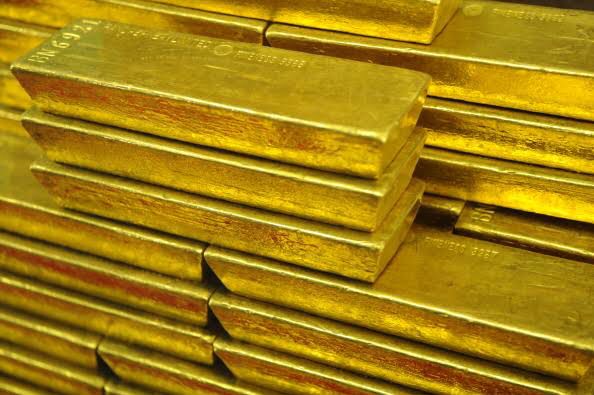
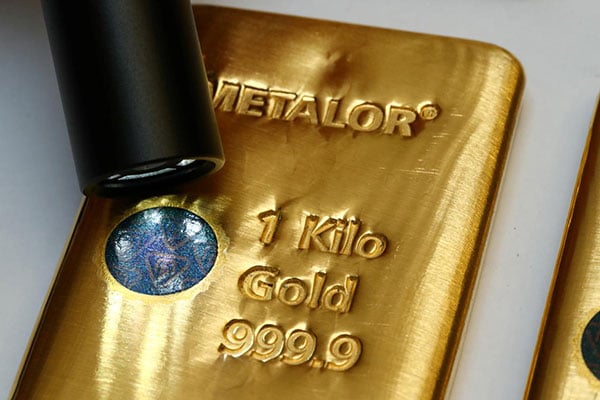
24K gold bars are among the most sought-after products traded through Kampala. These bars are typically refined to a purity of 99.5% to 99.99%, depending on the refinery and the product specifications. Investment-grade gold bars are available in a variety of sizes, including 1 gram, 5 grams, 10 grams, 20 grams, 50 grams, 100 grams, 250 grams, 500 grams, and 1 kilogram, making them suitable for both individual investors and institutional buyers.
Before export, reputable sellers provide documentation such as an assay report, weight confirmation, commercial invoice, and export records where applicable. Buyers should always verify the purity, serial numbers (when present), and accompanying documentation before completing a purchase.
Gold Nuggets
Gold nuggets are naturally occurring pieces of gold recovered during mining operations. Their size, shape, and purity vary depending on the geological conditions of the mining area. Because nuggets contain naturally occurring impurities and other minerals, they generally require testing before their exact gold content can be determined.
International buyers often purchase gold nuggets for refining, collection, or specialized manufacturing. Every shipment should be independently assayed to verify its purity and weight before export, and buyers should ensure the supplier can demonstrate the legal source of the material.
Gold Dust
Gold dust consists of fine gold particles collected through mining and mineral processing activities. It is one of the most commonly traded forms of unrefined gold within regional supply chains because it can be efficiently transported to refineries for purification.
The purity of gold dust varies significantly depending on its origin and processing history, so buyers should never rely solely on visual appearance. Independent assay testing is essential to determine the actual gold content before pricing or export. Legitimate transactions should also include documentation supporting legal sourcing and chain of custody.
Gold Dore Bars
Gold doré bars are semi-refined bars produced directly from mining operations. They contain gold together with varying amounts of silver and trace metals, meaning they are not yet investment-grade bullion. The exact composition differs from one shipment to another and is confirmed through professional assay testing.
Doré bars are commonly sold to refineries, which further refine them to produce high-purity bullion. International buyers purchasing doré bars should obtain a recent assay report, verify the chain of custody, and confirm that all export documentation is complete before shipment.
Refined Investment Gold
Refined investment gold represents the highest level of purity available in the international bullion market. After undergoing professional refining, the gold is cast or minted into standardized bars that meet recognized market specifications for investment and commercial trading.
These products are commonly purchased by investors, bullion dealers, financial institutions, manufacturers, and industrial users seeking high-purity gold. Reputable exporters provide supporting documentation that may include assay certificates, weight verification, commercial invoices, export documents, and secure shipping records.
At Buy Gold in Africa, we help international buyers source legally traded gold products that match their requirements, whether they are purchasing refined investment bars, gold nuggets, gold dust, or dore bars. Every transaction is supported by transparent documentation, independent verification where required, and professional guidance throughout the export process.
How Buyers Can Verify Gold Before Purchasing in Kampala
Verifying gold before making a purchase is one of the most important steps in protecting your investment. While Kampala offers access to reputable gold exporters and professional trading services, buyers should never rely solely on verbal assurances or marketing claims. A legitimate transaction should be supported by documentation, independent verification, and transparent communication throughout the purchasing process. Taking the time to conduct proper due diligence helps reduce the risk of fraud and ensures the gold can be legally exported and imported into its destination country.
Verify the Seller’s License
The first step is confirming that you are dealing with a legitimate business. Ask the seller to provide evidence of company registration and any licenses or authorizations required to conduct their gold trading activities under Ugandan law. A reputable exporter should also have a physical business address, professional contact information, and a documented history of serving international clients.
You should also research the company’s reputation by reviewing its website, checking independent customer feedback where available, and requesting references from previous buyers. Businesses that refuse to provide basic company information or cannot explain their sourcing and export procedures should be approached with caution.
At Buy Gold in Africa, we believe transparency starts with accountability. We openly explain our sourcing process, documentation procedures, and compliance practices so buyers understand who they are working with before committing to a purchase.
Request an Assay Certificate
An assay certificate is one of the most important documents in any gold transaction. It confirms the gold’s purity, weight, and composition based on professional testing. Whether you are purchasing gold bars, nuggets, dust, or doré bars, you should always request a recent assay report that corresponds to the specific shipment being offered.
Review the report carefully and ensure that the weight, purity, and identifying details match the gold you intend to purchase. If the shipment has changed since the assay was performed, ask whether updated testing is required before export.
Confirm Export Documentation
Before making payment, ask the exporter to explain which documents will accompany the shipment. Depending on the transaction and destination country, these may include an assay report, commercial invoice, packing list, customs export declaration, insurance documents, certificate of origin where required, and other supporting records.
Complete documentation not only facilitates customs clearance but also demonstrates that the exporter follows professional procedures. Sellers who cannot provide clear information about export documentation or who promise to arrange paperwork after payment should be treated with caution.
Check Chain of Custody Records
A transparent chain of custody helps demonstrate how the gold moved from its source to the exporter. Maintaining records throughout the supply chain improves traceability and supports responsible sourcing practices.
Ask the exporter to explain the origin of the gold, how it was acquired, and what records are available to document its movement through the supply chain. Buyers should be wary of vague explanations about the gold’s origin or suppliers who are unwilling to discuss sourcing practices.
Use Independent Gold Testing
Whenever practical, buyers should arrange for independent gold testing before completing the transaction. An independent assay or inspection performed by a qualified third party provides an additional layer of confidence that the gold meets the agreed purity and weight specifications.
Independent verification is particularly important for high-value transactions involving gold dust, nuggets, or dore bars, where purity can vary significantly. It also helps reduce disputes by providing objective test results before shipment.
At Buy Gold in Africa, we encourage every client to verify their purchase through independent testing, review all supporting documentation, and complete appropriate due diligence before finalizing a transaction. Our commitment to transparency, documentation, and compliance helps buyers make informed decisions and purchase African gold with greater confidence.

Future of Kampala as an East African Gold Trading Hub
Kampala is expected to remain an important commercial center for East Africa’s gold trade as regional mining production, international demand, and investment in mineral infrastructure continue to evolve. Its strategic location, established export network, and growing ecosystem of logistics, financial, and professional services position the city to support cross-border gold commerce. At the same time, continued regulatory reforms, technological improvements, and increased emphasis on responsible sourcing are likely to shape how gold is traded and exported in the years ahead.
Growing International Demand
Global demand for gold continues to be driven by a combination of investment, central bank purchases, jewelry manufacturing, and industrial applications. During periods of economic uncertainty, inflation, or financial market volatility, many investors view gold as a store of value, contributing to sustained international demand.
As East Africa’s mining sector develops, Kampala is well positioned to connect regional gold producers with buyers in markets such as the United States, Europe, the Middle East, and Asia. Companies that prioritize transparent sourcing, reliable documentation, and professional export services are likely to be better placed to meet the expectations of international customers.
Improvements in Regulation
Uganda has continued to strengthen its legal and regulatory framework for the mining sector through reforms aimed at improving oversight, transparency, and responsible mineral development. Ongoing efforts to modernize licensing systems, strengthen compliance, and improve coordination among government agencies can contribute to a more predictable business environment for legitimate gold traders.
For international buyers, stronger regulatory oversight may improve confidence in Uganda’s gold sector by encouraging higher standards of documentation, accountability, and lawful trade. Buyers should continue to monitor regulatory developments and work with exporters that remain compliant with current legal requirements.
Expansion of Refining Capacity
As regional gold production grows, investment in refining and value-added mineral processing has the potential to expand within Uganda. Increased refining capacity could allow more gold to be processed domestically before export, enabling exporters to supply higher-purity bullion that meets the requirements of international buyers.
Greater refining capability may also improve efficiency by reducing reliance on overseas processing for certain products. For buyers, this could mean broader availability of refined investment-grade gold alongside traditional products such as gold dust, nuggets, and doré bars.
Digital Trade and Transparency
Technology is playing an increasingly important role in international commodity trading. Digital documentation, electronic customs systems, secure payment platforms, shipment tracking, and improved record management can make cross-border transactions more efficient and transparent.
Many international buyers also expect greater supply-chain visibility and easier access to documentation before making purchasing decisions. Exporters that adopt secure digital systems for managing contracts, compliance records, assay reports, and shipping information are likely to enhance buyer confidence and improve the overall customer experience.
At Buy Gold in Africa, we continue to embrace transparent communication and efficient documentation processes to help clients track their transactions and understand every stage of the sourcing and export process.
Investment Opportunities
The continued development of Uganda’s gold industry creates opportunities across multiple sectors, including gold trading, refining, logistics, secure transportation, laboratory testing, storage, financial services, and mining support industries. As regional trade expands, businesses that provide specialized services to the gold sector may also experience increased demand.
For international investors and commercial buyers, success depends on thorough due diligence, compliance with applicable laws, and partnerships with reputable companies. Working with an experienced exporter such as Buy Gold in Africa helps investors navigate sourcing, verification, documentation, export procedures, and international shipping while supporting responsible and transparent gold trade.
Kampala’s combination of strategic geography, established export infrastructure, improving regulatory oversight, and growing professional services positions it to remain one of East Africa’s most significant gold trading hubs for years to come. While the industry will continue to evolve, transparency, compliance, and responsible sourcing will remain essential to building long-term trust in Uganda’s international gold market.
Tips for International Gold Buyers Using Kampala
Buying gold through Kampala can provide access to one of East Africa’s leading precious metals trading hubs, but every international transaction should begin with careful due diligence. Gold is a high-value commodity that requires proper verification, legal documentation, and secure logistics. Whether you are purchasing refined gold bars, doré bars, gold dust, or nuggets, following best practices will help protect your investment and reduce the risk of fraud. Reputable companies such as Buy Gold in Africa support buyers throughout the verification and export process, ensuring every transaction is handled with transparency and in accordance with applicable regulations.
Work Only With Licensed Exporters
Your choice of exporter is the most important decision in the purchasing process. Work only with companies that can demonstrate legitimate business registration and compliance with Uganda’s applicable mining and export laws. Established exporters should have a physical office, professional contact information, a transparent business history, and a clear explanation of how they source and export gold.
Before signing any agreement, ask the exporter about their sourcing practices, verification procedures, export process, and the documentation they will provide. A professional company should answer these questions openly and provide supporting information when appropriate.
Verify Every Document
Never purchase gold based solely on photographs, videos, or verbal promises. Every shipment should be supported by documentation that confirms the identity and quality of the gold being offered.
Depending on the transaction, buyers should carefully review documents such as:
- Assay certificate confirming purity and weight.
- Commercial invoice detailing the transaction.
- Packing list identifying the shipment contents.
- Customs export documentation.
- Insurance documents, where applicable.
- Certificate of origin or other supporting documentation when required.
- Air waybill or shipping documents after dispatch.
Verify that the information is consistent across all documents and matches the agreed shipment specifications.
Understand Import Regulations
Complying with your own country’s import requirements is just as important as complying with Uganda’s export procedures. Every destination has its own customs regulations, taxes, duties, reporting obligations, and documentation requirements for importing precious metals.
Before completing a purchase, consult your customs broker, legal adviser, or the relevant government authority to understand the rules that apply in your country. Planning ahead can help prevent customs delays, unexpected costs, or shipment complications after the gold arrives.
Arrange Secure Shipping
International gold shipments should be transported using secure, insured logistics services experienced in handling valuable cargo. Before shipment, discuss the transportation arrangements with the exporter and confirm:
- Which logistics provider will handle the shipment.
- Whether the shipment is insured during transit.
- How the shipment will be tracked.
- What documentation will accompany the cargo.
- Estimated delivery time to your destination.
Professional shipping arrangements help protect both the buyer and the seller while improving visibility throughout the export process.
Avoid Common Gold Trading Scams
Gold trading attracts fraudulent operators who exploit buyers with unrealistic offers and fake documentation. Remaining alert to common warning signs is one of the best ways to protect yourself.
Be cautious if a seller:
- Offers gold at prices far below the global market price.
- Requests large advance payments before providing verifiable documentation.
- Refuses independent assay testing or third-party inspection.
- Cannot explain the origin of the gold or provide a clear chain of custody.
- Uses pressure tactics to demand immediate payment.
- Accepts only untraceable payment methods.
- Has no verifiable office address or registered business information.
- Provides inconsistent or altered documents.
Legitimate exporters welcome reasonable due diligence because transparency helps build long-term business relationships.
At Buy Gold in Africa, we encourage every client to verify our documentation, review independent assay reports, understand the applicable export procedures, and ask questions before making any payment. Our commitment to compliance, transparency, and professional service helps international buyers source African gold with greater confidence while reducing the risks associated with cross-border precious metals transactions.
Why is Kampala considered a gold trading hub?
Kampala is considered one of East Africa’s leading gold trading hubs because it serves as the commercial and logistical center of Uganda’s precious metals industry. While most gold is mined outside the capital, Kampala is where licensed gold trading companies, refineries, assay laboratories, exporters, financial institutions, and government regulatory offices are concentrated. The city’s proximity to Entebbe International Airport also makes it an important gateway for international gold exports. Buyers and exporters use Kampala to verify gold quality, complete regulatory requirements, arrange secure shipping, and conduct international transactions before gold is delivered to overseas markets.
Is it legal to buy gold in Kampala?
Yes. It is legal to buy gold in Kampala provided the transaction complies with Uganda’s mining and export regulations. Buyers should purchase only from licensed gold dealers or exporters authorized by the Directorate of Geological Survey and Mines (DGSM). Legitimate transactions should include proper documentation, verification of the gold’s origin, and compliance with anti-money laundering (AML) and customs requirements. International buyers should also ensure they meet the import laws and customs regulations of their destination country before arranging shipment.
Where does Kampala’s gold come from?
Gold traded in Kampala comes from several sources. A significant portion originates from licensed mines and artisanal mining operations within Uganda, particularly in regions such as Karamoja, Mubende, Busia, and Buhweju. Kampala also serves as a regional trading center where legally sourced gold from neighboring East and Central African countries may be processed, refined, documented, and prepared for export, subject to applicable laws and due diligence requirements. Before export, reputable traders verify the gold through assaying and maintain documentation that supports its legal origin and chain of custody.
Can foreigners buy gold in Uganda?
Yes. Foreign individuals and companies can legally purchase gold in Uganda, provided they comply with Ugandan laws and any import requirements in their home country. Buyers are encouraged to conduct due diligence by working with licensed exporters, verifying business registrations and export authorizations, reviewing assay reports, and ensuring all contractual and shipping documents are complete before making payment. Depending on the transaction, additional compliance checks such as customer identification and anti-money laundering procedures may also be required.
What documents should accompany exported gold?
A legitimate international gold shipment should be accompanied by the documentation required under Ugandan regulations and the import rules of the destination country. Common documents include an export permit or export license (where applicable), a certificate of origin, an independent assay certificate confirming the gold’s purity and weight, a commercial invoice, a packing list, an air waybill or other transport document, customs export declarations, insurance documentation if the shipment is insured, and any destination-country import permits or customs forms required by the importing authority. Buyers should review these documents carefully before accepting delivery to confirm the shipment’s authenticity and regulatory compliance.