Top 6 Verified Reputable Gold Dealers in Ghana |[2026 Update]
Gold dealers in Ghana, Ghana known as the Gold Coast one of Africa’s top producers of gold and a place for both small-scale and large-scale gold mining.
With various gold dealers working in the country, finding reputable, reliable, and verified gold dealers can be challenging. This article highlights the top verified gold dealers in Ghana and provides you with tips on how to choose the right dealer for your gold investment goal.
Gold Dealers in Ghana at a Glance (2026)
Ghana is one of Africa’s leading gold-producing countries, making it a popular destination for buyers seeking 24K gold bars, gold doré, and investment-grade bullion. To buy safely, work only with licensed and verifiable gold dealers, confirm their credentials with the Minerals Commission and GoldBod where applicable, and request an independent assay certificate before making payment. Legitimate gold exports should include a commercial invoice, certificate of origin, export authorization, packing list, insurance, and customs documentation. Avoid suppliers who refuse independent testing, cannot provide verifiable business details, or pressure you to pay before the gold has been inspected and verified.
Why Ghana Is a Top Destination for Buying Gold
Ghana, historically known as the Gold Coast, is one of Africa’s leading gold-producing countries and a major source of 24K gold bars, gold doré, gold nuggets, and refined bullion for international buyers. Its well-established mining sector, abundant gold reserves, and regulated export system have made Ghana a preferred sourcing destination for investors, jewelers, bullion dealers, and wholesale buyers across Europe, Asia, the Middle East, and North America.
Finding a licensed and trustworthy gold supplier, however, requires careful due diligence. While Ghana has many legitimate miners and licensed exporters, the market also contains unlicensed brokers and fraudulent sellers. Buyers should always verify a company’s legal status, export authorization, assay reports, and business registration before sending funds or entering into a purchase agreement.
This guide profiles six leading gold dealers and regulatory institutions involved in Ghana’s gold industry, explains their roles in the supply chain, and shows you how to verify a supplier before purchasing or importing gold.
A few reasons buyers choose Ghana include:
- Ghana is consistently among Africa’s largest gold producers, supported by both large-scale mining companies and licensed artisanal and small-scale mining operations.
- Gold production and exports are regulated by institutions such as the Minerals Commission and GoldBod (which now oversees key aspects of Ghana’s gold trading and purchasing framework), helping improve transparency and regulatory oversight.
- The country has a long-established gold industry with an extensive network of licensed miners, refiners, exporters, and logistics providers serving international markets.
- Buyers can source a variety of products, including 24K gold bars, gold doré bars, gold nuggets, jewelry, and investment-grade bullion, with prices generally based on international spot gold prices plus applicable refining, logistics, insurance, and export costs.
One important point to remember is that terms like “trusted supplier,” “lowest price,” and “guaranteed gold” are marketing claims, not proof of legitimacy. The sections below distinguish independently verifiable information, such as government regulators, licensed exporters, and publicly registered businesses, from claims that should always be supported by official license numbers, business registration documents, physical office addresses, and verifiable export records before you proceed with any transaction.
Top 6 Verified Gold Dealers in Ghana
The organizations below include a mix of licensed commercial gold dealers, government regulatory bodies, and major mining companies that play important roles in Ghana’s gold industry. They are presented for informational purposes rather than as ranked recommendations. Before purchasing gold, always verify a supplier’s license, company registration, business address, and export authorization with the appropriate Ghanaian authorities.
1. Buy Gold in Africa
Buy Gold in Africa is a Uganda-based gold sourcing and export company that also assists international buyers looking to source gold from Ghana through licensed suppliers and exporters. The company offers assistance with gold sourcing, independent assay verification, export documentation, international shipping, and customs clearance. Buyers should request copies of the company’s business registration, supplier licenses, assay certificates, and export documentation before completing any transaction.
2. GoldBod
GoldBod is Ghana’s government institution responsible for overseeing key aspects of the country’s gold trading and purchasing framework, including licensed gold trading activities. Buyers should confirm that any supplier they work with complies with current GoldBod requirements where applicable and follows Ghana’s legal procedures for gold exports.
3. Minerals Commission Ghana
The Minerals Commission regulates Ghana’s mining sector by issuing mining and dealer licenses, monitoring compliance with mining laws, and overseeing mineral resource management. Before purchasing gold, buyers should verify that a supplier holds the appropriate licenses and operates within Ghana’s legal framework.
4. Asanska Jewellery Ltd
Based in Accra, Asanska Jewellery Ltd is a licensed gold dealer and jewelry manufacturer that offers gold bars, jewelry manufacturing, gold refining, and assay services. Its integrated services make it a recognized option for buyers seeking both sourcing and verification from a single company.
5. AngloGold Ashanti Ghana
AngloGold Ashanti is one of the world’s largest gold mining companies and operates major mining assets in Ghana. Although it is a highly reputable producer, it primarily supplies institutional markets and is not a retail gold dealer for most individual buyers. It is included here because of its significant contribution to Ghana’s gold industry.
6. Obuasi Gold Dealers
Obuasi is one of Ghana’s most important gold mining regions and is home to numerous licensed gold dealers and exporters. Because businesses operating in the area vary considerably, buyers should verify each company’s registration, dealer license, physical office, and export credentials before entering into any transaction. Avoid dealing with individuals who cannot provide official documentation or request advance payments without verification.
Other Licensed Partners Worth Knowing
Besides licensed gold dealers, several refineries, assay laboratories, and precious metals service providers support Ghana’s gold industry by refining gold, testing purity, and preparing bullion for legal export. Although these organizations are not typically direct sellers to international buyers, they play an important role in verifying product quality and ensuring export compliance.
- A. Minerals Ltd (Accra) – One of Ghana’s leading precious metals companies, offering gold refining, assaying, secure storage, and export support services. Many licensed exporters and institutional clients use its facilities to refine gold and verify purity before shipment.
- Geo-Tech Systems Ltd – An independent precious metals laboratory specializing in XRF analysis and fire assay testing. Independent laboratory reports provide buyers with reliable verification of a gold bar’s purity and composition before payment.
- Gold Coast Refinery Ltd – One of West Africa’s largest gold refineries, providing refining, assaying, bullion production, and export support services. Licensed exporters frequently work with the refinery to produce investment-grade gold bars and obtain documentation required for international trade.
- Sahara Royal Gold Refinery – A Ghana-based refinery that offers refining, assaying, and precious metals processing services. Depending on the transaction, exporters may use its facilities for third-party purity verification and export preparation.
Before purchasing gold from any supplier, request an independent assay certificate and confirm that it matches the bar’s serial number, weight, and stated purity. You should also verify the supplier’s business registration, export authorization, commercial invoice, certificate of origin, packing list, and other required export documents. Reputable dealers will be transparent about where their gold was refined and tested and should have no objection to independent verification before payment. If a supplier refuses to identify the refinery or assay laboratory, declines independent testing, or cannot provide supporting documentation, treat it as a significant warning sign and do not proceed until the information has been independently verified.
Buying Gold in Accra and Kumasi
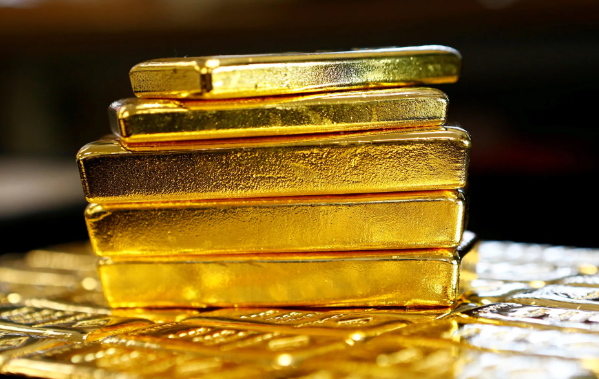
Accra and Kumasi are Ghana’s principal gold trading centers, attracting local miners, licensed dealers, refiners, and international buyers. Both cities offer opportunities to purchase gold legally, but buyers should conduct thorough due diligence before entering into any transaction.
Buying Gold in Accra
As Ghana’s capital and commercial center, Accra is home to many licensed gold dealers, refiners, and precious metals service providers. It is also where several government institutions and industry stakeholders involved in gold regulation and exports are based. Before purchasing gold, request the supplier’s business registration, dealer or export license, and an independent assay certificate. Reputable dealers should also be able to explain the export process and provide supporting documents such as commercial invoices, certificates of origin, and export permits where applicable.
Buying Gold in Kumasi
Located in the Ashanti Region, Kumasi is one of Ghana’s most important gold trading centers due to its proximity to major mining areas. Many licensed dealers source gold from nearby mining communities before refining or exporting it. While Kumasi has numerous legitimate businesses, buyers should remain cautious of unlicensed brokers and intermediaries who cannot provide official documentation. Always verify a dealer’s credentials before agreeing to a purchase.
Best Practices for Buying Gold in Ghana
Whether you are purchasing gold in Accra, Kumasi, or another mining region, follow these best practices:
- Verify the supplier’s business registration and relevant gold trading or export authorization.
- Request an independent assay certificate confirming the gold’s weight and purity.
- Meet suppliers only at their registered business premises, refinery, or recognized assay laboratory—not in hotels or informal meeting locations.
- Confirm the gold’s purity through an independent refinery or laboratory before making final payment.
- Ensure all export documentation, including commercial invoices, certificates of origin, assay certificates, and customs paperwork, is prepared before shipment.
Following these steps can significantly reduce the risk of fraud and help ensure your transaction complies with Ghanaian regulations and international import requirements.
Typical Gold Buying Process in Ghana
| Step | Process | What Happens |
| 1 | Inquiry | The buyer submits their requirements, including the type of gold (bars, dore, nuggets), quantity, purity, and destination country. |
| 2 | Quotation | The supplier provides a quotation based on the current international gold spot price, purity, quantity, and applicable premiums, shipping, and insurance costs. |
| 3 | Independent Assay | An accredited refinery or independent assay laboratory tests the gold to verify its weight, purity, and authenticity before payment. |
| 4 | Sales Contract | Buyer and seller sign a purchase agreement specifying the price, Incoterms, payment method, delivery schedule, and responsibilities of each party. |
| 5 | Payment | Payment is made using a secure and traceable method, such as a bank transfer, Letter of Credit (LC), Documentary Letter of Credit (DLC), or an agreed escrow arrangement. |
| 6 | Export Documentation | The exporter prepares the required paperwork, including the assay certificate, commercial invoice, certificate of origin, export authorization, packing list, insurance certificate, and customs documents. |
| 7 | Secure Air Shipment | The gold is securely packaged and shipped through an approved logistics provider with insurance and shipment tracking. |
| 8 | Customs Clearance | Customs procedures are completed in Ghana and the destination country before the shipment is released for delivery. |
| 9 | Final Delivery | The gold is delivered to the buyer’s nominated refinery, secure vault, bank, or business premises according to the agreed shipping terms. |
Regulatory Updates Affecting Gold Buyers (2025–2026)
Ghana has introduced significant reforms to strengthen oversight of its gold industry, improve traceability, and combat illegal gold trading. International buyers should understand these regulatory changes before purchasing or importing gold from Ghana, as they directly affect supplier compliance and export procedures.
GoldBod and the New Gold Trading Framework
Ghana has established GoldBod to oversee key aspects of the country’s gold purchasing, trading, and export framework, particularly for gold produced by the licensed artisanal and small-scale mining (ASM) sector. Buyers should ensure that any supplier complies with the latest GoldBod requirements and operates under Ghana’s current regulatory framework.
Strengthened Licensing and Compliance
Licensed gold dealers and exporters are expected to comply with requirements established by the Minerals Commission, GoldBod, and other relevant government authorities. Before purchasing gold, buyers should verify that a supplier’s business registration, licenses, and export authorizations are current and applicable to the transaction.
Improved Gold Traceability
Ghana continues to strengthen measures aimed at improving the traceability of legally produced gold and reducing illicit trade. Buyers should request documentation showing the lawful origin of the gold, including assay certificates, certificates of origin, and other supporting export documents where applicable.
Independent Assay and Export Documentation
Before any international shipment, exported gold should undergo independent purity verification through a recognized assay laboratory or refinery. Buyers should request copies of the assay certificate, commercial invoice, certificate of origin, packing list, and other export documents required by Ghanaian authorities and the destination country’s customs regulations.
What This Means for International Buyers
Before sending funds or signing a purchase agreement, verify that your supplier:
- Holds valid business registration and any required gold trading or export authorizations.
- Can provide recent independent assay certificates confirming the gold’s weight and purity.
- Can demonstrate the lawful origin of the gold and provide complete export documentation.
- Complies with Ghana’s current gold trading and export requirements.
Because Ghana’s mining and export regulations continue to evolve, buyers should always confirm the latest legal requirements with the appropriate Ghanaian authorities before completing a transaction.
How to Choose a Gold Dealer and a Safety Checklist
Choosing the right gold dealer is one of the most important steps in buying gold from Ghana. While many businesses operate legally, fraudulent brokers and unlicensed intermediaries also exist. Taking time to verify a supplier before making any payment can significantly reduce the risk of financial loss.
1. Verify the Dealer’s License
Ask the dealer to provide copies of their business registration, gold trading or export authorization, and any other relevant licenses. Where appropriate, confirm that these documents are valid with the Minerals Commission, GoldBod, or the relevant Ghanaian authority before proceeding.
2. Confirm the Company’s Physical Presence
A reputable gold dealer should have a registered office, verifiable contact information, and an established business history. Be cautious of suppliers who operate only through WhatsApp, Telegram, social media, or email without a physical business location.
3. Request Complete Documentation
Legitimate suppliers should willingly provide documentation explaining the origin and quality of the gold. Before purchasing, request:
- Independent assay certificate
- Commercial invoice
- Certificate of origin
- Export permit or export authorization (where applicable)
- Packing list and shipping documents for exported shipments
4. Verify Gold Purity Independently
Never rely solely on the seller’s claims regarding purity. Arrange for the gold to be tested by an independent refinery or accredited assay laboratory using XRF analysis or fire assay before making final payment.
5. Use Secure and Traceable Payment Methods
Avoid cash-only transactions or requests for full payment before verification. International buyers should use secure, traceable payment methods supported by a written purchase agreement and complete transaction records.
6. Meet Only at Legitimate Business Locations
Whenever possible, meet suppliers at their registered office, refinery, or recognized assay laboratory. Avoid conducting business in hotels, private residences, parking lots, or other informal meeting places where the supplier’s identity and business cannot be independently verified.
Gold Buyer Safety Checklist
Before purchasing gold in Ghana, confirm that you have completed the following:
- ✓ Verified the supplier’s business registration and applicable licenses.
- ✓ Confirmed the company’s physical office and contact details.
- ✓ Obtained an independent assay certificate verifying the gold’s weight and purity.
- ✓ Reviewed the commercial invoice, certificate of origin, and export documentation.
- ✓ Agreed to a secure, traceable payment method supported by a written contract.
- ✓ Conducted the transaction at a registered business location, refinery, or independent assay laboratory.
- ✓ Ensured the supplier is transparent about the gold’s origin, pricing, and export process.
Completing these checks before sending funds will help protect your investment and reduce the risk of fraud when purchasing gold from Ghana.
Estimated Costs of Buying and Exporting Gold from Ghana
Note: The figures below are indicative estimates only. Actual costs vary depending on the gold’s value, shipment size, destination country, logistics provider, insurance coverage, and applicable Ghanaian regulations at the time of export.
| Cost Item | Estimated Cost in Ghana | Typical Cost Range | What the Cost Covers |
| Export Fees & Government Charges | Varies by current regulations | Approximately 1%–7% of shipment value (or applicable statutory fees) | Government export charges, regulatory processing, customs-related fees, and applicable mineral export levies. |
| Independent Assay Testing | GHS 1,500–5,000 per sample (approx.) | US$100–350 per sample | XRF analysis, fire assay, purity verification, and assay certificate issued by an accredited laboratory or refinery. |
| Export Documentation | GHS 2,000–7,000 | US$150–500 | Preparation of the commercial invoice, certificate of origin, export authorization, packing list, customs documentation, and related processing fees. |
| Secure Air Freight | Quoted per shipment | US$30–60 per kg (or approximately 0.5%–1.5% of shipment value) | Secure transportation via approved logistics providers, depending on destination, shipment weight, and service level. |
| Cargo Insurance | Based on declared shipment value | 0.5%–1.5% of insured value | Transit insurance covering theft, loss, and damage during international transportation. |
| Customs Clearance & Handling | Varies by shipment | Depends on destination country | Customs brokerage, cargo handling, inspection fees, and destination-country clearance costs where applicable. |
Cost Breakdown
- Export Fees & Government Charges: These are determined by Ghana’s applicable mining and export regulations and may include export levies, customs processing fees, and other statutory charges.
- Assay Fees: Independent laboratories and refineries charge based on the testing method used. XRF analysis is generally less expensive than fire assay, which provides a more comprehensive purity determination.
- Shipping & Logistics: Gold is typically transported using specialized secure logistics providers such as Brink’s, Malca-Amit, G4S, or approved international air cargo services. Costs depend on shipment value, destination, insurance requirements, and security arrangements.
- Insurance: Premiums are usually calculated as a percentage of the shipment’s declared value, often based on the prevailing international gold price, and provide coverage during transit.
- Documentation: Export documentation costs include preparing the commercial invoice, certificate of origin, export authorization, packing list, and customs paperwork required for legal international shipments.
One recommendation: avoid stating a fixed “$200/kg export fee” for Ghana unless you can cite the current law or official tariff. Export charges can change, and presenting them as a fixed statutory amount without a source may become inaccurate.
COMPARISON TABLE BETWEEN COMPANIES
| Organization | Category | Gold Sales | Export Support | Assay & Refining | Best For |
| Buy Gold in Africa | Gold Dealer & Exporter | ✅ Yes | ✅ Yes | ✅ Independent assay support | International buyers seeking end-to-end sourcing and export assistance |
| Asanska Jewellery Ltd | Licensed Gold Dealer & Manufacturer | ✅ Yes | ✅ Yes | ✅ Yes | Gold bars, jewelry, refining, and assay services |
| A.A. Minerals Ltd | Refinery & Precious Metals Company | Limited (Wholesale) | ✅ Yes | ✅ Yes | Refining, bullion production, export logistics, and secure storage |
| Gold Coast Refinery Ltd | Gold Refinery | ❌ No (Not a retail dealer) | Limited | ✅ Yes | Gold refining, bullion production, and independent purity verification |
| GoldBod | Government Regulator | ❌ No | ❌ No | ❌ No | Gold trading oversight, licensing framework, and regulatory compliance |
| Minerals Commission Ghana | Government Regulator | ❌ No | ❌ No | ❌ No | Mining licenses, dealer regulation, and legal compliance verification |
Quick Tip: Before buying gold from any supplier, verify its business registration and applicable licenses, request an independent assay certificate, and ensure all required export documents are available. Government regulators such as GoldBod and the Minerals Commission oversee compliance but do not sell gold directly.
Documents You Should Receive
Before purchasing or importing gold from Ghana, ensure your supplier provides the necessary documentation to verify the gold’s authenticity, legal origin, and export compliance. These documents are essential for customs clearance, insurance, and protecting your investment.
| Document | Why It Matters |
| Assay Certificate | Confirms the gold’s purity, weight, and composition after testing by an accredited assay laboratory or refinery. It allows buyers to verify that the gold matches the agreed specifications. |
| Certificate of Origin | Confirms the country and lawful source of the gold. Many importing countries require this document to demonstrate legal sourcing and support customs clearance. |
| Commercial Invoice | Details the buyer and seller, product description, quantity, purity, unit price, total transaction value, and agreed Incoterms. Customs authorities use it to assess duties, taxes, and import valuation. |
| Packing List | Lists the contents of the shipment, including the number of packages, bar serial numbers (where applicable), weights, dimensions, and packaging details. It helps customs officials and logistics providers verify the shipment. |
| Export Authorization / Export Permit | Demonstrates that the shipment has been approved for export by the relevant Ghanaian authorities and complies with applicable export regulations. |
| Air Waybill (AWB) | Issued by the airline or freight forwarder as proof that the shipment has been accepted for transport. It contains the shipment’s tracking number, routing information, and delivery details. |
| Insurance Certificate | Confirms that the shipment is insured against risks such as theft, loss, or damage during transit. It specifies the insured value, coverage terms, and insurer. |
| Customs Export Declaration | Shows that the shipment has been declared to Ghana Customs for export and includes information required for customs processing and regulatory compliance. |
Buyer Tip: Always compare the information across these documents. The gold weight, purity, serial numbers (if applicable), exporter details, consignee information, and shipment values should be consistent on the assay certificate, commercial invoice, packing list, and Air Waybill. Any discrepancies should be clarified before payment or shipment.
Need Help Verifying a Ghanaian Gold Supplier?
Purchasing gold from Ghana involves more than agreeing on a price. Before committing to a transaction, it’s important to verify the supplier’s credentials, confirm the gold’s purity, review the export documentation, and understand both Ghana’s export requirements and your destination country’s import regulations.
If you need assistance, Buy Gold in Africa can help you navigate the process by:
- Reviewing supplier and export documentation.
- Arranging independent assay and purity verification.
- Explaining Ghana’s gold export procedures and required paperwork.
- Coordinating secure international shipping and cargo insurance.
- Assisting with customs documentation and export logistics.
- Helping buyers source gold through licensed suppliers.
Our goal is to help buyers make informed decisions by promoting transparency, proper documentation, and compliance throughout the purchasing process. Whether you are buying 24K gold bars, gold doré, or investment-grade bullion, verifying every stage of the transaction helps reduce risk and supports a smoother international shipment.
Note. Ghana continues to be one of Africa’s leading gold-producing countries, offering international buyers access to a well-established mining sector and licensed gold suppliers. However, successful gold purchasing depends on careful due diligence—not marketing claims.
By verifying supplier credentials, requesting independent assay certificates, reviewing export documents, and working with experienced professionals, you can significantly reduce the risk of fraud and complete your transaction with greater confidence. Whether you choose Buy Gold in Africa or another licensed supplier, always prioritize transparency, compliance, and independent verification before making any payment.
For more information about buying gold in Ghana, visit Buy Gold in Africa and start your gold investment journey with a trusted partner. gold dealers in Ghana
Common Gold Scams in Ghana
Although Ghana has many legitimate gold dealers and exporters, fraud remains a risk for buyers who fail to verify suppliers and documentation. Understanding the most common scams can help you avoid costly mistakes.
| Gold Scam | How It Works | How to Protect Yourself |
| Fake Export Permits | Fraudsters provide forged export permits or government documents to convince buyers the shipment is legal. | Verify all export documents with the relevant Ghanaian authorities before making payment. |
| Fake Assay Certificates | Sellers present fabricated assay reports or alter genuine certificates to exaggerate the gold’s purity. | Obtain an independent assay from an accredited laboratory or refinery before completing the purchase. |
| Fake Refinery Certificates | Criminals create counterfeit certificates using the names or logos of well-known refineries. | Contact the refinery directly to confirm that the certificate and bar serial number are authentic. |
| Hotel-Room Meetings | Sellers insist on meeting in hotels, apartments, or other informal locations instead of registered business premises. | Meet only at a licensed office, refinery, or accredited assay laboratory where the seller’s identity can be verified. |
| Advance Customs or Clearance Fees | Buyers are repeatedly asked to send money for unexpected taxes, customs charges, or release fees before the gold is shipped. | Confirm all government fees independently and avoid making additional payments without official verification. |
| Gold Switching | Genuine gold shown during inspection is secretly replaced with lower-purity metal before shipment or delivery. | Seal and document the gold after inspection, record serial numbers, and arrange independent verification before shipment. |
| Fake Courier Tracking Numbers | Fraudsters provide fabricated DHL, FedEx, UPS, or airline tracking details to create the illusion that a shipment is in transit. | Verify tracking numbers directly through the courier’s official website or customer service. |
| Below-Spot Pricing | Sellers advertise gold far below the international market price to attract buyers quickly. | Be cautious of prices significantly below the global spot price, as they are often associated with fraud. |
| WhatsApp-Only Dealers | The “company” has no registered office, website, or verifiable business presence and communicates only through messaging apps. | Work only with suppliers that have a registered business, physical office, and verifiable contact information. |
| Pressure to Pay Immediately | Sellers claim the deal will disappear unless payment is made immediately, discouraging due diligence. | Never rush a transaction. Verify the supplier, documentation, and gold before transferring funds. |
How to Protect Yourself
The safest way to buy gold in Ghana is to:
- Verify the supplier’s business registration and applicable licenses.
- Request an independent assay certificate before payment.
- Inspect the gold at an accredited refinery or assay laboratory.
- Sign a written purchase agreement before transferring funds.
- Use secure, traceable payment methods.
- Confirm all export documents and shipping details independently.
- Avoid deals that seem unusually cheap or require urgent payment without verification.
If a seller refuses independent testing, cannot provide verifiable documentation, or pressures you to bypass normal procedures, treat it as a serious warning sign and do not proceed until the information has been independently confirmed.
Frequently Asked Questions
Who are the most reputable gold dealers and organizations operating in Ghana?
Ghana’s gold industry includes licensed gold dealers, government regulatory bodies, refiners, and assay laboratories. Some of the best-known organizations include Buy Gold in Africa, Asanska Jewellery Ltd, A.A. Minerals Ltd, Gold Coast Refinery, GoldBod, and the Minerals Commission. Before purchasing gold, always verify that the supplier holds the appropriate licenses and is authorized to conduct gold trading or export activities under Ghana’s current regulations.
How can I verify that a gold dealer in Ghana is licensed?
Ask the dealer to provide copies of their business registration, gold dealer or exporter authorization, and any other relevant licenses. You should also verify these documents with the appropriate Ghanaian authorities, such as GoldBod or the Minerals Commission, rather than relying solely on copies provided by the seller. Legitimate businesses should also have a registered office, verifiable contact information, and a documented trading history.
What is GoldBod, and why is it important when buying gold in Ghana?
GoldBod is Ghana’s government institution responsible for overseeing key aspects of the country’s gold purchasing and trading framework. Its role is to strengthen oversight, improve transparency, and support legal gold trading. Buyers should ensure that suppliers comply with applicable GoldBod requirements and Ghana’s export regulations before completing any transaction.
Are there fake or unlicensed gold dealers in Ghana?
Yes. Like many major gold-producing countries, Ghana has unlicensed brokers and fraudulent sellers who target both local and international buyers. Common warning signs include requests for advance payments without verification, refusal to provide business registration or export documents, unrealistic prices far below the international market, and reluctance to allow independent assay testing. Always verify the supplier before sending money.
Where can I find licensed gold dealers in Accra and Kumasi?
Accra and Kumasi are Ghana’s principal gold trading centers and are home to many licensed dealers, refiners, and precious metals businesses. However, a dealer’s location alone does not confirm legitimacy. Always verify the company’s registration, licensing, and physical business address before purchasing gold.
What documents should a legitimate gold dealer provide?
A reputable supplier should be able to provide documentation supporting both the quality and legal origin of the gold. Depending on the transaction, this may include an independent assay certificate, commercial invoice, certificate of origin, packing list, export permit or export authorization, shipping documents, and customs paperwork required for international exports.
Can foreigners legally buy gold in Ghana?
Yes. Foreign individuals and companies can legally purchase gold from licensed suppliers in Ghana, provided the transaction complies with Ghanaian laws and all applicable export requirements. International buyers should also ensure they meet the import regulations of their destination country before arranging shipment.
What purity of gold is commonly available in Ghana?
Licensed suppliers commonly offer 22-karat and 24-karat gold, including investment-grade bullion with purities ranging from 99.5% to 99.99%, depending on the product and level of refining. Gold purity should always be confirmed through an independent assay certificate before payment.
How can I avoid gold scams when buying from Ghana?
The safest approach is to verify every aspect of the transaction before transferring funds. Work only with licensed businesses, insist on independent assay testing, meet at a registered office, refinery, or assay laboratory, use secure payment methods, and request complete export documentation. Avoid suppliers who refuse verification or pressure you into making immediate payments.
Are online gold dealers in Ghana trustworthy?
Many legitimate gold companies maintain professional websites to showcase their products and services. However, a website alone is not proof of legitimacy. Always verify the company’s registration, licenses, physical office, customer references, and export credentials independently before purchasing.
How is the price of gold determined in Ghana?
Gold prices in Ghana generally follow the international spot price of gold, with the final selling price influenced by purity, weight, refining costs, insurance, logistics, taxes, export fees, and the dealer’s margin. Buyers should compare quotations with current global market prices before negotiating.
Can I export gold purchased from Ghana?
Yes. Gold purchased from licensed suppliers can be exported provided all legal requirements are met. Export shipments generally require an assay certificate, commercial invoice, certificate of origin, export authorization, customs documentation, and compliance with both Ghanaian regulations and the import requirements of the destination country.
How long does it take to export gold from Ghana?
Export timelines vary depending on documentation, assay procedures, customs clearance, airline schedules, and the destination country. Once all regulatory requirements have been completed, international shipments are commonly dispatched within several business days, although buyers should confirm current processing times with their exporter and the relevant authorities.
Do all gold dealers provide assay and refining services?
No. Some licensed dealers have in-house refining and assay capabilities, while others work with independent refineries and accredited assay laboratories. Buyers should always request an independent assay certificate regardless of who performs the testing.
What is the safest way to buy gold in Ghana?
The safest approach is to work with a licensed and verifiable supplier, independently confirm the gold’s purity through an accredited assay laboratory or refinery, review all export documentation before payment, use secure and traceable payment methods, and ensure the transaction is conducted through a registered business with transparent operating procedures. Following these steps significantly reduces the risk of fraud and helps ensure compliance with Ghanaian and international regulations.
Conclusion
Ghana remains one of Africa’s most important destinations for sourcing gold, offering international buyers access to licensed suppliers, established refineries, and a well-developed mining industry. Whether you are purchasing 24K gold bars, gold dore, or investment-grade bullion, the key to a successful transaction is choosing a reputable supplier and following Ghana’s legal requirements for gold trading and exports.
The most effective way to protect your investment is to verify before you buy. Request copies of the supplier’s business registration, applicable licenses, independent assay certificate, and export documentation. Whenever possible, inspect the gold in person or arrange for testing at an independent refinery or accredited assay laboratory before making payment. Reputable dealers should be transparent about the gold’s origin, purity, pricing, and export process.
The organizations and companies featured in this guide provide a useful starting point for researching Ghana’s gold industry. However, buyers should always conduct their own due diligence by confirming current licensing, company registration, and export authorization with the appropriate Ghanaian authorities, as regulations and business statuses may change over time.
If you are looking to purchase gold from Ghana for international export, working with an experienced, licensed exporter can simplify the process by assisting with gold sourcing, independent assay verification, export permits, customs documentation, secure shipping, insurance, and regulatory compliance. Taking these precautions will help ensure your transaction is secure, transparent, and compliant with both Ghanaian regulations and the import requirements of your destination country.