Top 10 Gold Buying Companies in Africa | Verified List
Africa is the world’s largest gold-producing continent, supplying a significant share of the global gold market through both large-scale mining operations and artisanal producers. If you are looking to sell gold in Africa, choosing a reputable and licensed buyer is essential to receiving a fair market price, protecting your investment, and complying with national mining and export regulations.
This guide highlights some of the leading gold-buying companies, refineries, and precious metals organizations operating in or sourcing from Africa. It explains the types of companies that purchase gold, the services they provide, and the factors you should consider before entering into any transaction. Because purchasing policies vary, not every organization buys directly from individual sellers or artisanal miners, so it is important to confirm each company’s requirements before making contact.
Whether you are an artisanal miner, licensed gold dealer, mining company, investor, or international exporter, working with a reputable organization can help reduce the risk of fraud, ensure accurate gold valuation through independent assaying, and facilitate secure payment and legally compliant transactions.
In this guide, you’ll learn:
- The leading gold-buying companies and refineries serving African markets.
- How to identify legitimate and licensed gold buyers.
- What documents you should request before selling your gold.
- How gold prices are determined and negotiated.
- Common scams to avoid when selling gold.
- Best practices for completing a secure and compliant transaction.
Selling gold to a reputable and properly licensed buyer offers several advantages, including pricing based on international market benchmarks, transparent assay and purity testing, secure payment methods, proper documentation, and compliance with local mining, customs, and export regulations. Taking time to verify a buyer’s credentials before completing a transaction can significantly reduce the risk of fraud and costly disputes.
Quick Answer
The best gold-buying companies in Africa are licensed refineries, government-regulated gold trading authorities, and established precious metals dealers with verifiable business operations. Reputable organizations typically offer professional assay services, transparent pricing based on the international gold spot price, secure payment methods, and, where applicable, help with legal documentation.
Before selling your gold, verify the buyer’s license with the relevant government authority, confirm the company’s physical office and contact details, obtain an independent assay report, compare offers from multiple buyers, and ensure a written agreement supports all transactions. Avoid buyers requesting advance fees, offering prices far above or below market value, or refusing to provide proof of licensing and identity.
Overview of Gold Production in Africa
Africa is one of the world’s leading gold-producing continents, contributing a significant portion of global gold output. The continent is rich in gold reserves, with vast deposits found in West Africa, East Africa, and the central regions.
Many African nations depend on gold mining as a major economic driver, generating revenue, employment, and foreign investment.
Gold production in Africa comes from two main sources:
Large-Scale Mining Operations\:
These are run by multinational corporations with advanced technology and high production rates.
Artisanal and Small-Scale Mining (ASM):
Conducted by local miners, ASM significantly contributes to gold production but often faces challenges such as lack of formalization, limited access to equipment, and environmental concerns.
The demand for African gold remains high due to its purity and availability, making the continent a key player in global gold markets.
How to Sell Gold in Africa: A Step-by-Step Guide
Selling gold in Africa can be highly profitable because the continent is one of the world’s largest gold-producing regions. Whether you are selling gold bars, gold nuggets, gold dust, or doré bars, following the correct legal procedures and working with licensed buyers helps you receive a fair price while avoiding scams and regulatory issues.
This guide explains the entire selling process, from understanding the market to receiving payment.
Step 1: Understand the African Gold Market
Before offering your gold for sale, learn how the market works. Knowing current prices, buyer types, and local regulations helps you negotiate confidently.
Gold Prices
Gold prices change continuously based on the international spot market, particularly the London Bullion Market Association (LBMA) price. The final price offered depends on several factors, including:
- Gold purity (karat or fineness)
- Weight
- Current international spot price
- Refining costs
- Transportation and insurance
- Market demand
Always compare quotations from several licensed buyers before accepting an offer.
Types of Gold Buyers
Different buyers purchase gold for different purposes.
| Buyer | Best For | Typical Purchase |
| Gold Refineries | Highest purity payments | Raw gold, doré bars, gold bars |
| Licensed Gold Traders | Fast transactions | Bars, nuggets, dust |
| Jewelry Manufacturers | Jewelry production | Refined gold |
| International Gold Buyers | Export markets | Investment-grade gold bars |
International buyers often export gold to major trading hubs such as Dubai, Switzerland, Singapore, and Hong Kong.
Understand Local Gold Regulations
Every African country has its own mining and export laws. Before selling, confirm the legal requirements in your country.
Common requirements include:
- Mining or dealer license (where applicable)
- Proof of ownership
- Export permit (for international sales)
- Assay certificate
- Certificate of Origin
- Tax compliance
- Customs documentation
Selling gold without the required documentation may lead to delays, penalties, or confiscation.
Step 2: Verify Your Gold’s Purity
Professional buyers will only pay premium prices after confirming the purity of your gold.
Common Gold Testing Methods
| Testing Method | Accuracy | Common Use |
| Acid Test | Basic | Small transactions |
| Electronic Tester | Good | Jewelry and small bars |
| XRF Analysis | Very High | Dealers and refineries |
| Fire Assay | Highest Standard | Commercial exports |
Fire Assay remains the international benchmark for determining gold purity.
Many buyers also request an independent assay certificate before completing payment.
Step 3: Prepare Your Selling Documents
Having complete documentation increases buyer confidence and speeds up the transaction.
Typical documents include:
- Government-issued identification
- Proof of ownership
- Assay certificate
- Purchase invoice (if available)
- Mining or dealer license (where required)
- Export permit (for international sales)
- Certificate of Origin
- Commercial invoice
- Packing list
International buyers may also request AML/KYC documentation before proceeding.
Step 4: Choose a Licensed Gold Buyer
Selecting a reputable buyer is one of the most important parts of the selling process.
Common Gold Buyers
- Licensed gold refineries
- Registered gold dealers
- Precious metal trading companies
- International bullion companies
- Jewelry manufacturers
Before selling, verify that the buyer:
- Holds a valid business license
- Has a physical office
- Provides a written sales contract
- Offers transparent pricing
- Uses secure payment methods
- Can provide references or previous transaction history
Avoid buyers who request advance fees or refuse independent gold testing.
Step 5: Negotiate the Selling Price
Once your gold has been tested, request quotations from multiple licensed buyers.
Compare:
- Price per gram or ounce
- Purity deductions
- Refining charges
- Commission fees
- Payment timeline
- Shipping responsibilities
Never accept unusually high offers without verification, as they are often associated with scams.
Step 6: Complete the Sale Agreement
Before transferring ownership, both parties should sign a written agreement covering:
- Gold quantity
- Purity
- Agreed price
- Payment method
- Delivery terms
- Inspection process
- Dispute resolution
For large international transactions, many sellers use escrow services or Letters of Credit (LC) to reduce financial risk.
Step 7: Receive Secure Payment
Only release the gold after confirming payment or meeting the agreed contractual conditions.
Common payment methods include:
- Bank wire transfer (SWIFT)
- Letter of Credit (LC)
- Escrow services
- Certified bank cheque (where accepted)
Avoid cash payments for large transactions unless permitted by local regulations and conducted through secure financial institutions
Step 8: Arrange Delivery and Export (If Applicable)
If selling to an international buyer, the shipment must comply with export regulations.
The export process typically includes:
- Independent assay confirmation
- Export permit approval
- Customs declaration
- Secure transportation
- Cargo insurance
- Air shipment
- Import customs clearance
- Final delivery
Professional logistics providers such as Brinks, Malca-Amit, Loomis, and other specialized secure carriers are commonly used for high-value shipments.
Step 9: Keep Transaction Records
Maintain copies of all documents for accounting, tax, and legal purposes.
Store records such as:
- Sales contract
- Assay report
- Payment confirmation
- Export documents
- Customs declarations
- Shipping records
- Buyer correspondence
Proper recordkeeping protects both buyers and sellers if questions arise later.
Gold Selling Process at a Glance
| Step | Action |
| 1 | Understand the gold market |
| 2 | Verify gold purity |
| 3 | Prepare required documents |
| 4 | Choose a licensed buyer |
| 5 | Compare and negotiate offers |
| 6 | Sign a sales agreement |
| 7 | Receive secure payment |
| 8 | Complete export and shipping (if applicable) |
| 9 | Keep all transaction records |
Major Gold-Producing Countries in Africa
Africa hosts several top gold-producing countries. These include:
1. Ghana (West Africa)
Africa’s largest gold producer, with operations by Newmont, AngloGold Ashanti, and Gold Fields. Production is centered in Tarkwa, Obuasi, and Ahafo.
2. South Africa (Southern Africa)
Once the world’s top producer, South Africa now faces declining reserves. It still plays a major role with companies like Harmony Gold and Sibanye-Stillwater.
3. Sudan (Northeast Africa)
Rapidly growing in gold output. Heavy reliance on ASM, though industrial mining is expanding.
4. Mali (West Africa)
A key producer with rich deposits in Sadiola, Loulo, and Morila. Home to Barrick Gold and AngloGold Ashanti operations.
5. Burkina Faso (West Africa)
An emerging gold hub with growing foreign investment. Key projects include Essakane and Karma mines.
6. Tanzania (East Africa)
East Africa’s top gold producer with mines like Geita, Bulyanhulu, and North Mara. Acacia Mining (now Barrick Gold) plays a major role.
7. Uganda (East Africa)
A rising gold producer with activity in Busia, Karamoja, and Mubende. Notably, the Wagagai Gold Mine and African Gold Refinery (AGR) contribute to Uganda’s expanding gold sector.
8. Democratic Republic of Congo (DRC) (Central Africa)
Rich in untapped reserves. Major player with operations like Kibali Gold Mine, though challenged by political instability and illegal mining.
9. Ivory Coast (Côte d’Ivoire) (West Africa)
A growing producer with operations in Tongon and Yaouré. Investment-friendly policies have boosted exploration.
10. Ethiopia (East Africa)
Significant reserves at Lega Dembi and Tulu Kapi. Reforms are attracting foreign investment into the gold mining sector.
Leading Gold Refiners and Precious Metals Companies in Africa
| Company | Headquarters / Main Location | Primary Markets | Main Services |
| Rand Refinery | Germiston, South Africa | South Africa & International | Gold refining, bullion manufacturing, precious metals services |
| Gold Coast Refinery | Accra, Ghana | Ghana & International | Gold refining, bullion production, assaying, export services |
| African Gold Refinery (AGR) | Entebbe, Uganda | East Africa & International | Gold refining, precious metals processing, bullion production |
| Bullion Refinery Ltd. | Dar es Salaam, Tanzania | Tanzania & Regional Markets | Gold refining, bullion production, assaying |
| Emirates Gold | Dubai, UAE | Global, including African supply chains | Gold refining, bullion manufacturing, precious metals trading |
| Kaloti Precious Metals | Dubai, UAE | Global, including African supply chains | Precious metals refining, trading, logistics, responsible sourcing |
| AsanSka Jeweler Ltd. | Accra, Ghana | Ghana | Precious metals trading, jeweler manufacturing* |
| Metalor Technologies | Neuchâtel, Switzerland | Global | Precious metals refining, bullion products, responsible sourcing |
| MKS PAMP Group | Geneva, Switzerland | Global | Precious metals refining, bullion products, precious metals trading |
Note. Verify the company’s current licenses and services directly before describing it as a gold buyer or exporter.
Online Gold Marketplaces and Export Options
Selling gold internationally requires working with reputable buyers and licensed exporters who comply with the regulations of both the exporting and importing countries.
International Gold Trading Platforms
While platforms such as BullionVault and Kitco provide gold market information, pricing, investment products, and bullion trading services, they are not marketplaces for purchasing raw African gold directly from individual sellers. They can, however, be useful for monitoring global gold prices and understanding international market trends.
Licensed Gold Exporters
For international sales, work with a licensed gold exporter or authorized precious metals dealer that can:
- Purchase gold in compliance with local mining and export laws.
- Arrange independent assay and purity verification.
- Obtain the required export permits and customs documentation.
- Coordinate insured shipping through secure logistics providers.
- Ensure compliance with the import regulations of the destination country.
Using licensed exporters helps reduce legal risks and provides greater confidence that the transaction meets applicable international trade and anti-money laundering (AML) requirements.
Updated Gold Prices in African Countries
| Country | Estimated 24K Gold Price (USD/g) | Estimated 22K Gold Price (USD/g) | Market Notes |
| South Africa | $135–136 | $124–125 | Mature bullion market with active refinery network. |
| Ghana | $135–136 | $124–125 | Africa’s largest gold producer with an active export market. |
| Tanzania | $135–136 | $124–125 | Prices generally track international spot rates. |
| Uganda | $135–136 | $124–125 | Active regional trading hub with refinery and export activity. |
| Nigeria | $135–137 | $124–126 | Premiums may vary because of currency fluctuations and dealer margins. |
| DR Congo | $135–136 | $124–125 | Prices depend on local supply chains and export arrangements. |
| Sudan | $135–136 | $124–125 | Market conditions and regulations can affect local pricing. |
| Zimbabwe | $135–137 | $124–126 | Dealer premiums and exchange-rate movements may influence prices. |
Market Notes
- International Benchmark: Gold is currently trading at approximately US$4,210 per troy ounce (about US$135.35 per gram for 24K gold). Local dealer prices are typically based on the international spot price plus or minus applicable premiums, refining costs, taxes, and transaction fees.
- 22K Gold Price: Since 22K gold contains 91.67% pure gold, its value is generally about 91.67% of the 24K price, before local premiums or deductions.
- Country Variations: Differences between countries are usually driven by dealer margins, refining capacity, taxes, transportation costs, exchange rates, and local market demand,not because the intrinsic value of gold differs.
- Disclaimer: These figures are indicative market estimates and should not be considered fixed buying or selling prices. Actual quotes vary by dealer, purity, quantity, payment method, and prevailing market conditions.
A comparison table of buyers
| Company / Organization | Country | Type | Licensed | Minimum Quantity | Official Website |
| GoldBod (Ghana Gold Board) | Ghana | Government regulator / Gold trading authority | Yes | Varies by program | https://goldbod.gov.gh (or current official government website) |
| Gold Coast Refinery | Ghana | Gold refinery | Yes | Contact company | https://goldcoastrefinery.com |
| AsanSka Jewellery Ltd. | Ghana | Precious metals trader / Jewellery company | Verify before trading | Contact company | https://asanskagroup.com |
| Rand Refinery | South Africa | Gold refinery | Yes | Contact company | https://www.randrefinery.com |
| African Gold Refinery (AGR) | Uganda | Gold refinery | Yes | Contact company | https://www.africangoldrefinery.com |
| Bullion Refinery Ltd. | Tanzania | Gold refinery | Yes | Contact company | https://bullionrefinery.co.tz |
| Emirates Gold | United Arab Emirates | Gold refinery | Yes | Contact company | https://emiratesgold.ae |
| Kaloti Precious Metals | United Arab Emirates | Precious metals refinery | Yes | Contact company | https://www.kalotipm.com |
| Metalor Technologies | Switzerland | Precious metals refinery | Yes | Contact company | https://www.metalor.com |
| MKS PAMP Group | Switzerland | Precious metals refinery | Yes | Contact company | https://www.mkspamp.com |
Notes
- Licensed indicates that the organization is a regulated refinery, trading company, or government body in its jurisdiction. Always verify the company’s current licence status before conducting business.
- Minimum Quantity is often not published and may depend on the type of gold (doré, bullion, nuggets, or scrap), purity, and commercial agreement. Contact the company directly for current purchasing requirements.
- Government regulations and company purchasing policies may change. Always confirm current requirements with the relevant authority or company before selling or exporting gold.
Common Gold Selling Scams to Avoid
Gold trading is a high-value industry that attracts legitimate buyers as well as sophisticated fraudsters. Whether you are selling gold locally or internationally, understanding the most common scams can help you protect your assets and avoid costly mistakes.
- Fake Assay Certificates
Some fraudsters provide forged assay certificates that falsely state the gold’s purity and weight. These documents may appear authentic but are not issued by an accredited laboratory.
How to protect yourself:
- Request the original assay certificate.
- Verify the certificate directly with the issuing laboratory or refinery.
- Consider obtaining an independent assay before completing the transaction.
- Fake Export Permits and Government Documents
Scammers often create counterfeit export permits, customs declarations, certificates of origin, or mining licences to make a transaction appear legitimate.
How to protect yourself:
- Verify export permits with the relevant government authority.
- Confirm that licences are valid and current.
- Never rely solely on scanned documents or screenshots.
- Advance Fee Scams
A buyer or broker requests payment for taxes, insurance, licensing, refinery charges, customs clearance, or shipping before any gold has been delivered or verified. Once payment is made, the scammer disappears or demands additional fees.
How to protect yourself:
- Be cautious of unexpected upfront payments.
- Use secure contracts and, where appropriate, escrow or other protected payment arrangements.
- Confirm all government fees directly with the relevant authority.
- Below-Market Price Tricks
Some buyers deliberately quote prices well below the international gold spot price, hoping inexperienced sellers will accept an unfair offer without comparing the market.
How to protect yourself:
- Check the current international spot price before negotiating.
- Obtain quotes from several licensed buyers.
- Understand how purity, weight, refining costs, and premiums affect the final price.
- Gold Switching After Inspection
A dishonest buyer may replace genuine gold with lower-purity material or falsely claim that your gold failed testing after taking possession of it.
How to protect yourself:
- Attend the assay or inspection whenever possible.
- Record serial numbers and identifying marks on bullion.
- Use independent assay laboratories for high-value transactions.
- WhatsApp-Only or Anonymous Dealers
Scammers often operate exclusively through messaging apps, refusing to provide a verifiable business address, company registration, official website, or landline telephone number.
Warning signs include:
- No physical office.
- No verifiable business registration.
- No official email domain.
- Requests to communicate only through encrypted messaging apps.
Always verify the company’s identity before proceeding.
- Fake Shipping and Logistics Companies
Fraudsters may provide counterfeit air waybills, tracking numbers, insurance certificates, or courier confirmations from companies that do not actually exist or have never handled the shipment.
How to protect yourself:
- Verify shipment details directly with the logistics provider.
- Confirm tracking numbers using the carrier’s official website.
- Request authentic shipping and insurance documentation.
- Fake Customs, Clearance, or Release Fee Requests
One of the most common international gold scams involves demands for unexpected customs charges, airport storage fees, anti-money laundering certificates, release permits, or import taxes before the shipment supposedly leaves the exporting country.
How to protect yourself:
- Verify any requested fees with the relevant customs authority or logistics provider.
- Do not transfer funds based solely on emails or messaging app requests.
- Ensure payment responsibilities are clearly defined in the sales contract.
- Fake Proof of Payment
Some fraudsters send forged SWIFT confirmations, edited bank transfer receipts, or counterfeit payment notifications to convince sellers that funds have been sent.
How to protect yourself:
- Confirm receipt of funds directly with your bank.
- Do not release gold based only on screenshots or payment confirmations.
- Wait until cleared funds are available in your account.
- Unlicensed Buyers and Brokers
Some individuals claim to represent mining companies, refineries, or government agencies without holding the necessary licences or legal authority to buy or export gold.
How to protect yourself:
- Verify licences with the appropriate government regulator.
- Confirm the company’s physical office and legal registration.
- Request identification for company representatives.
- Use written contracts and maintain complete transaction records.
Red Flags That Should Raise Immediate Concern
- Prices significantly above or below the current market.
- Requests for advance payments before verification.
- Pressure to complete the deal immediately.
- Refusal to provide licences or company registration.
- No physical office or verifiable business address.
- Communication limited to WhatsApp, Telegram, or social media.
- Refusal to allow an independent assay.
- Requests to use cryptocurrency as the only payment method.
- Inconsistent company names, bank accounts, or documentation.
Safety Tip: Always verify licences, obtain an independent assay, compare multiple offers, and use secure payment methods supported by a written contract. Taking these precautions can significantly reduce the risk of fraud when buying or selling gold.
Add a seller verification checklistClarify buyer and seller responsibilities
Best Gold Buyers in Ghana
Ghana, often called the “Gold Coast,” remains Africa’s largest gold producer and one of the world’s leading sources of gold. However, Ghana’s gold trading regulations have changed significantly. Gold trading, particularly for artisanal and small-scale (ASM) gold, is now regulated by the Ghana Gold Board (GoldBod) under current Ghanaian law.
Whether you are a miner, investor, or international buyer, always deal with licensed organizations and verify the buyer’s credentials before completing any transaction.
- Ghana Gold Board (GoldBod)
Location: Accra, Ghana
The Ghana Gold Board (GoldBod) is the government authority responsible for regulating the purchase, aggregation, marketing, and export of gold from the artisanal and small-scale mining sector. It has replaced the former role of the Precious Minerals Marketing Company (PMMC) in this area.
Why Work With GoldBod?
- Government-established regulator for ASM gold.
- Promotes legal and transparent gold trading.
- Oversees licensed gold buyers and aggregators.
- Supports compliance with Ghana’s export regulations.
Note: Foreign companies cannot freely purchase artisanal gold directly unless permitted under current Ghanaian law and GoldBod regulations.
- Gold Coast Refinery Ltd.
Location: Accra, Ghana
Gold Coast Refinery is Ghana’s first commercial gold refinery and provides refining, assaying, and precious metals processing services. The refinery works with licensed suppliers and international clients.
Why Choose Gold Coast Refinery?
- Professional gold refining services.
- Independent assay and purity testing.
- International-standard refining facilities.
- Supports export documentation where applicable.
- AsanSka Minerals Ltd.
Location: Accra, Ghana
AsanSka Minerals Ltd. is a Ghanaian mineral trading company involved in gold sourcing, processing, and exports through licensed operations.
Why Choose AsanSka Minerals?
- Licensed mineral trading company.
- Gold sourcing and export experience.
- Professional assay services.
- Works with licensed mining operations.
- AA Minerals Ltd.
Location: Accra, Ghana
AA Minerals Ltd. is an established Ghanaian mineral trading company involved in gold purchasing, mineral processing, and exports.
Why Choose AA Minerals?
- Long-established mining and mineral trading company.
- Licensed operations.
- Professional export documentation.
- Experienced in international trade.
- Asap Vasa Co. Ltd.
Location: Accra, Ghana
Asap Vasa is involved in gold trading, mineral exports, and related services while operating under applicable Ghanaian regulations.
Why Choose Asap Vasa?
- Licensed mineral trading operations.
- Gold valuation and assay services.
- Export support.
- International trading experience.
How to Verify Any Gold Buyer in Ghana
Before selling gold to any company:
- Verify that the company holds the required licenses issued by the appropriate Ghanaian authorities.
- Confirm the company has a physical office and verifiable contact details.
- Request copies of business registration and operating licenses.
- Use an independent assay laboratory before agreeing on price.
- Never rely solely on WhatsApp or social media communications.
- Use a written sales agreement.
- Prefer secure bank transfers or escrow arrangements for high-value transactions.
Gold Selling Safety Tips
- Check the live international gold spot price before negotiating.
- Verify the buyer’s licence directly with the relevant regulator.
- Obtain an independent assay certificate.
- Keep copies of all invoices, contracts, and export documents.
- Avoid buyers requesting advance fees or offering prices far above market value.
- Never ship gold before payment terms are clearly documented.
Important: Ghana’s gold regulations continue to evolve. Always confirm the latest licensing and export requirements with the relevant Ghanaian authorities before entering into any transaction.
Gold Selling Checklist
Before selling your gold, use this checklist to help ensure the transaction is secure, legally compliant, and completed at a fair market price.
| Task | Status |
| ✅ Verify the buyer’s license with the relevant government authority. | ☐ |
| ✅ Confirm the buyer has a physical office, official website, and verifiable contact details. | ☐ |
| ✅ Check the current international gold spot price before negotiating. | ☐ |
| ✅ Compare offers from multiple licensed buyers or refineries. | ☐ |
| ✅ Obtain an independent assay report confirming the gold’s purity and weight. | ☐ |
| ✅ Verify the authenticity of all licenses, assay certificates, and company registration documents. | ☐ |
| ✅ Agree on the final purchase price, payment terms, and delivery conditions in writing. | ☐ |
| ✅ Sign a written sales contract before transferring ownership of the gold. | ☐ |
| ✅ Confirm payment has been received and cleared through your bank before releasing the gold, unless different contract terms apply. | ☐ |
| ✅ Ensure all required export permits and customs documentation have been issued by the relevant authorities, where applicable. | ☐ |
| ✅ Verify insurance coverage for high-value shipments. | ☐ |
| ✅ Confirm the courier, air waybill, and shipping documents with the logistics provider. | ☐ |
| ✅ Keep copies of invoices, contracts, assay reports, shipping documents, and payment records for your files. | ☐ |
Quick Safety Reminders
- Never rely solely on WhatsApp or social media communications.
- Avoid buyers requesting advance fees for customs, export permits, or clearance without independent verification.
- Do not accept prices that are significantly above or below prevailing market rates without understanding the reason.
- Use secure payment methods such as bank wire transfers, letters of credit, or escrow arrangements where appropriate.
- When handling high-value transactions, consider seeking advice from legal, customs, or financial professionals familiar with international precious metals trade.
Pro Tip: Completing every item on this checklist before finalizing a transaction can significantly reduce the risk of fraud, payment disputes, and regulatory issues when selling gold domestically or internationally.
Conclusion
Africa remains one of the world’s leading gold-producing regions, offering opportunities for miners, licensed dealers, refiners, investors, and international buyers. However, a successful gold transaction depends not only on finding a buyer but also on ensuring that every stage of the process complies with applicable laws and industry best practices.
Before selling gold, always verify the buyer’s license with the relevant government authority, compare offers from multiple reputable buyers, obtain an independent assay to confirm the gold’s purity and weight, and complete transactions using written contracts and secure payment methods. You should also verify export permits, shipping documents, and insurance coverage where international trade is involved. Taking these precautions helps reduce legal and financial risks while improving the likelihood of receiving a fair market price.
Whether you are selling gold in Ghana, Uganda, Tanzania, South Africa, the Democratic Republic of the Congo, or another African country, working with reputable and properly licensed organizations is one of the most effective ways to protect your investment and complete a safe, transparent, and legally compliant transaction.
How Buy Gold in Africa Can Help
If you are planning to buy or sell gold in Africa, Buy Gold in Africa guides the transaction process. We help clients verify suppliers, review licenses and export documentation, arrange independent assay services, understand regulatory requirements, and navigate secure international shipping and payment procedures.
Whether you are purchasing gold bars, sourcing from licensed suppliers, or exporting precious metals, our team can help you better understand the documentation and verification steps involved before you commit to a transaction.
Need assistance? Contact Buy Gold in Africa to learn more about supplier verification, gold sourcing, export documentation, independent assay coordination, and secure international shipping.
People Also Ask
Which private companies buy gold in Africa?
Several private companies buy, refine, and trade gold across Africa, including licensed refineries, precious metals dealers, and bullion manufacturers. Before selling gold, verify that the company is licensed, has a physical office, and complies with the regulations of the country where it operates.
Which country is the largest gold producer in Africa?
Ghana is currently Africa’s largest gold producer, followed by countries such as South Africa, Mali, Burkina Faso, Tanzania, the Democratic Republic of the Congo (DRC), and Sudan. Annual production rankings can change as mining output and government policies evolve.
Who are the most reputable gold dealers and refineries in Africa?
Reputable gold dealers and refineries include government-regulated organizations, licensed refineries, and established precious metals companies with verifiable business operations. Always confirm a company’s licenses, assay capabilities, and regulatory compliance before completing any transaction.
How can I buy gold directly from Africa safely?
To buy gold directly from Africa, work with licensed suppliers, verify export licenses and company registration, obtain an independent assay report, sign a written sales contract, use secure payment methods such as bank wire transfers or letters of credit, and ensure all export and customs documentation is complete before shipment.
What are the biggest risks when buying gold from Africa?
Common risks include dealing with unlicensed sellers, fake assay certificates, counterfeit export permits, advance fee scams, below-market pricing schemes, fake shipping documents, payment fraud, and non-delivery of goods. Conducting thorough due diligence significantly reduces these risks.
Which African country offers the best opportunities to buy gold?
Countries such as Ghana, Uganda, Tanzania, South Africa, Mali, and the Democratic Republic of the Congo are among Africa’s major gold-producing nations. The best choice depends on the supplier’s license, product availability, export regulations, logistics, and transaction security rather than price alone.
How much is 1 gram of gold today?
The price of 1 gram of gold changes continuously based on the international spot market, exchange rates, and dealer premiums. Before buying or selling gold, check the latest live gold price and compare offers from multiple reputable dealers.
What does a 1-kilogram gold bar look like?
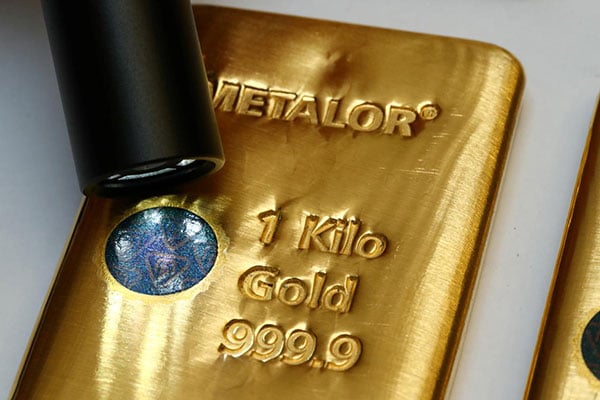
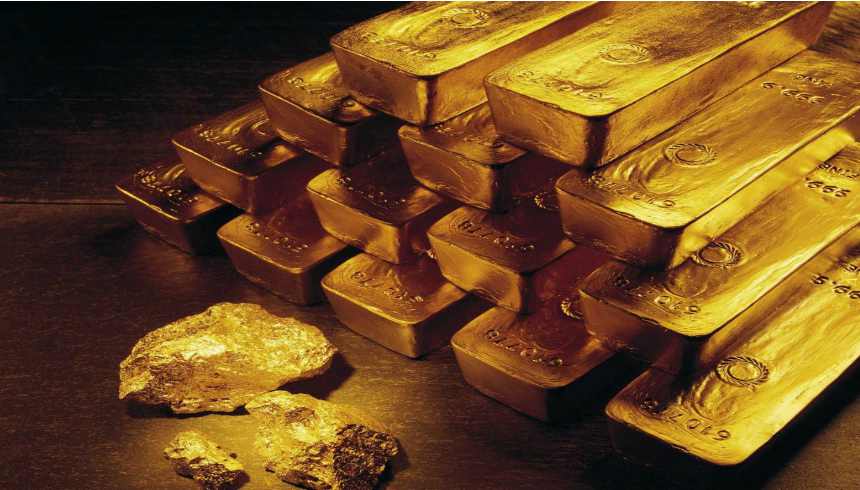
A standard 1-kilogram gold bar weighs 1,000 grams (approximately 32.15 troy ounces) and is typically manufactured with a purity of 99.5% or 99.99%. Most bars are stamped with the refinery’s name, weight, purity, serial number, and official hallmark.
Which country has the lowest gold prices?
Gold prices are primarily determined by the international spot price, so no country consistently has the cheapest gold. Final purchase prices depend on dealer premiums, refining costs, taxes, shipping charges, insurance, and local market conditions.
How much is 24-karat gold in Africa?
The price of 24K gold in Africa varies by country, currency, taxes, dealer premiums, and exchange rates. Most reputable buyers calculate prices using the current international spot price plus applicable refining, logistics, and transaction costs. Always check the latest market price before buying or selling.