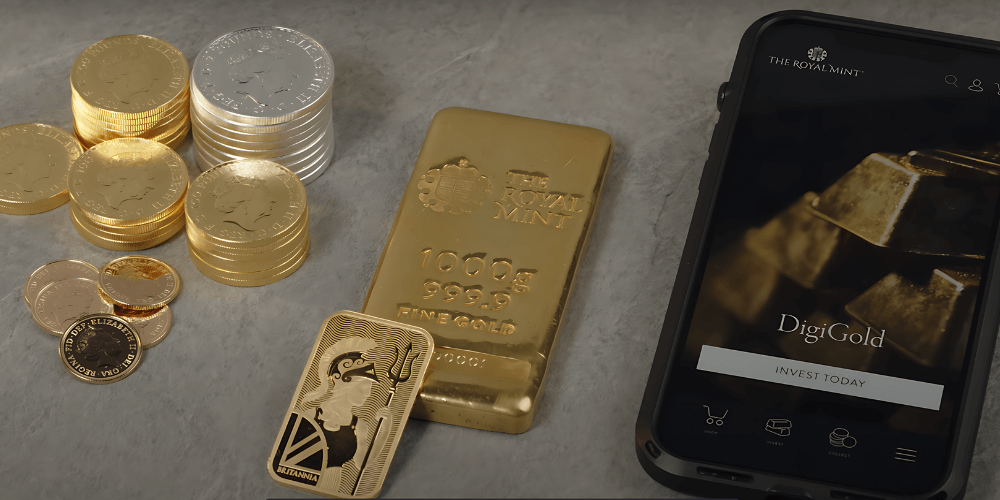
Gold Price in Nairobi Today |Live 24K,22K,18K Price per Gram (KES)
As of 2026, the 24K gold price in Nairobi, Kenya, is approximately KES 17,851.01 per gram (about $137.63 USD), while 22K gold is trading at KES 16,351.53 per gram (around $126.07 USD). Prices are based on international spot gold, the USD/KES exchange rate, and local bullion market conditions. Compared with last week, 24K gold has declined by approximately 0.65%, reflecting continued volatility in global precious metals markets.
Whether you are buying investment-grade gold bars, gold coins, jewelry, or comparing bullion prices, monitoring Nairobi’s daily gold rates helps you make informed decisions. Gold prices in Kenya are influenced by several factors, including international spot prices, currency exchange movements, central bank demand, inflation expectations, geopolitical developments, and local dealer premiums.
Gold Rates in Nairobi Today
| Purity (Karat) | Price per Gram (KES) | Price per Gram (USD) | Gold Purity |
| 24K | KES 17,851.01 | $137.63 | 99.9% |
| 22K | KES 16,351.53 | $126.07 | 91.6% |
| 18K | KES 13,388.26 | $103.22 | 75.0% |
The Kenyan gold market closely follows global bullion prices quoted in U.S. dollars. As a result, even when international gold prices remain relatively stable, fluctuations in the Kenyan Shilling (KES) can significantly affect local gold prices. Retail jewelry prices may also include additional costs such as fabrication charges, dealer margins, and applicable taxes, meaning they are often higher than the underlying bullion value.
Note: The prices shown are indicative bullion values. Actual buying and selling prices offered by gold dealers, refiners, and jewelry stores in Nairobi may vary depending on product type, purity, quantity, and prevailing market conditions.
Factors Influencing Gold Prices in Nairobi
Gold prices in Nairobi are influenced by a complex interplay of global economic factors and local market dynamics.
Understanding these drivers is essential for investors and consumers alike.
Global Economic Factors
1. Global Supply and Demand Dynamics
The balance between gold supply and demand significantly impacts its price.
In 2026, factors such as mining output, recycling rates, and global demand from sectors like jewelry and technology have contributed to price fluctuations. When demand outpaces supply, prices tend to rise
2. Inflation and Currency Devaluation
Gold is often viewed as a hedge against inflation. As inflation rates increase, the purchasing power of fiat currencies declines, making gold more attractive to investors.
In 2026, rising inflation in major economies has led to increased demand for gold as a store of value.
3. Central Bank Policies and Interest Rates
Central banks play a crucial role in influencing gold prices through their monetary policies.
For instance, the U.S. Federal Reserve’s decision to cut interest rates in September 2026 led to a surge in gold prices, as lower interest rates decrease the opportunity cost of holding non-yielding assets like gold.
4. Geopolitical Risks and Market Uncertainty
Geopolitical tensions and economic uncertainties often drive investors towards safe-haven assets like gold.
Local Market Dynamics in Nairobi
1. Currency Volatility
The exchange rate between the Kenyan Shilling (KES) and major currencies, particularly the U.S. Dollar, affects gold prices in Nairobi. Fluctuations in the KES can lead to price adjustments in gold, as seen in recent trends.
2. Nairobi Securities Exchange (NSE) Gold Securities
The performance of gold-related securities on the NSE, such as gold exchange-traded funds (ETFs), can influence local gold prices.
For example, in early 2026, the price of gold ETFs at the NSE reached a historical high, reflecting increased investor interest in gold as an asset class
3. Domestic Demand and Cultural Factors
In Kenya, gold is not only an investment asset but also holds cultural significance. Events like weddings and traditional ceremonies drive demand for gold jewelry, impacting its local price.
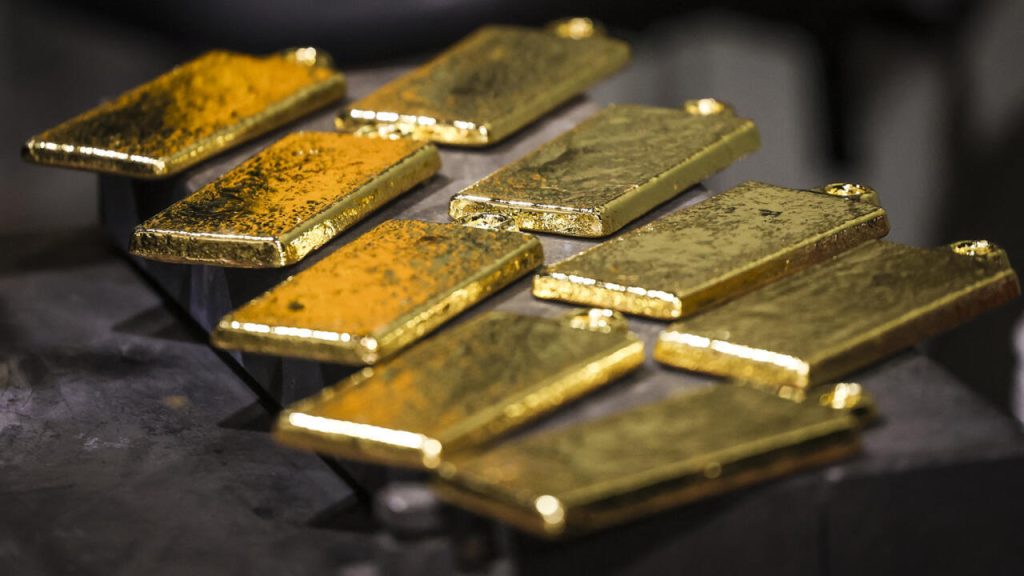
Types of Gold in Kenya
Gold in Kenya comes in various forms, each with unique characteristics, purity levels, and applications.
Understanding these types helps investors, jewelers, and buyers make informed decisions when purchasing or trading gold.
1. 24K Gold
24K gold is the purest form of gold available in Kenya, containing 99.9% gold content. It is bright yellow, highly malleable, and often used in high-end jewelry, investment bars, and ceremonial pieces.
Because of its purity, 24K gold is softer than lower karat gold, which makes it prone to scratches and deformation. Investors prefer 24K gold for long-term value preservation, as it is less affected by alloy impurities.
2. 22K Gold
22K gold contains 91.6% gold, mixed with small amounts of silver or copper to enhance durability.
This type is popular for jewelry and traditional African designs because it balances high purity with stronger physical resilience.
In Kenya, 22K gold is widely used in necklaces, bracelets, rings, and investment coins. Its slightly muted yellow color compared to 24K makes it easier to craft intricate designs that withstand everyday wear.
3. 18K Gold
18K gold is composed of 75% gold and 25% other metals, giving it increased strength and a more affordable price point than 24K or 22K.
It is ideal for jewelry that requires durability, such as rings and bangles that are worn daily. 18K gold retains a rich yellow hue while offering resistance to scratches and bending, making it a favorite among Kenyan jewelers for both modern and traditional designs.
4. Gold-Plated Gold
Gold-plated gold consists of a thin layer of pure gold applied over a base metal such as copper or brass.
It provides the appearance of solid gold at a fraction of the cost, making it popular for fashion jewelry and temporary investments.
However, it is not suitable for long-term investment, as the gold layer can wear off over time, exposing the base metal underneath.
5. Gold-Filled Gold
Gold-filled gold is thicker than gold-plated but still contains a core metal beneath a layer of gold.
It offers a durable and affordable alternative for jewelry lovers who want a genuine gold finish without the high cost of solid gold.
In Kenya, gold-filled pieces are increasingly popular for bracelets, earrings, and beaded jewelry.
6. African Handmade Gold Beads
Handcrafted gold beads are an integral part of Kenya’s cultural and traditional jewelry. These beads are often made using 22K or 24K gold and reflect centuries-old artisanal techniques passed down through generations.
They are highly valued for their authenticity, craftsmanship, and cultural significance, making them sought-after by collectors and jewelers alike.
How to Buy Gold in Nairobi: Tips & Where to Go
Buying gold in Nairobi can be a rewarding investment, but it requires careful attention to quality, authenticity, and price.
Whether you’re purchasing for jewelry, investment, or resale, following the right steps ensures you get the best value.
Steps to Buy Gold Safely
-
Verify Purity and Hallmarks
Always check for official hallmarks indicating gold purity (24K, 22K, 18K, 750, 916). Certified stamps or certificates of authenticity from reputable dealers help guarantee you’re buying genuine gold. -
Compare Prices
Gold prices fluctuate daily. Use a live price comparison tool to check the current rates in Nairobi before committing. Compare per gram and per piece prices among multiple dealers. -
Negotiate and Ask Questions
Don’t hesitate to negotiate, especially when buying in bulk. Ask about additional charges such as craftsmanship, VAT, or delivery fees. Experienced dealers often offer discounts for repeat or wholesale customers. -
Inspect the Gold
Examine the gold’s weight, finish, and craftsmanship. For investment-grade gold, ensure it is untampered and matches the stated purity.
Live Gold Price Conversion Table (Nairobi Spot Rates)
The table below shows today’s estimated gold values in Nairobi for 24K, 22K, and 18K gold across common investment weights. Prices are calculated using the current international spot price and converted into Kenyan Shillings (KES). Actual prices charged by jewelers, bullion dealers, and refineries may vary depending on premiums, fabrication costs, taxes, shipping, and exchange rate movements.
| Gold Weight | 24K Gold (KES) | 22K Gold (KES) | 18K Gold (KES) | Approx. USD Value |
| 1 Gram | KES 17,851 | KES 16,352 | KES 13,388 | $137.63 |
| 2 Grams | KES 35,702 | KES 32,703 | KES 26,777 | $275.26 |
| 5 Grams | KES 89,255 | KES 81,758 | KES 66,941 | $688.15 |
| 10 Grams | KES 178,510 | KES 163,515 | KES 133,883 | $1,376.30 |
| 20 Grams | KES 357,020 | KES 327,031 | KES 267,765 | $2,752.60 |
| 50 Grams | KES 892,551 | KES 817,577 | KES 669,413 | $6,881.50 |
| 100 Grams | KES 1,785,101 | KES 1,635,153 | KES 1,338,826 | $13,763.00 |
| 250 Grams | KES 4,462,753 | KES 4,087,883 | KES 3,347,065 | $34,407.50 |
| 500 Grams | KES 8,925,505 | KES 8,175,765 | KES 6,694,130 | $68,815.00 |
| 1 Kilogram (1,000g) | KES 17,851,010 | KES 16,351,530 | KES 13,388,260 | $137,630.00 |
Important Notes
- 24K gold (99.99% purity) represents the international bullion spot value and is commonly used for investment-grade bars.
- 22K gold (91.6% purity) is widely used for premium jewelry and coins.
- 18K gold (75% purity) is commonly used for fine jewelry because of its durability.
- USD values are approximate and based on the prevailing KES/USD exchange rate at the time of calculation.
- Physical purchases from Nairobi jewelers or bullion dealers may include dealer premiums, fabrication charges, assay fees, VAT (where applicable), insurance, and delivery costs.
Top Places to Buy Gold in Nairobi
-
Kenya Gold Dealers Association (KGDA) Members – Trusted and certified dealers listed under KGDA provide verified gold products.
-
Westlands Gold Shops – Popular for retail buyers looking for solid gold jewelry and investment-grade beads.
-
Biashara Street, Nairobi CBD – A hub for both retail and wholesale gold, including African handmade designs.
-
Online Dealers – Platforms like Buy Gold in Africa Limited allow you to order authentic gold beads and jewelry with verified purity, shipped securely.
Ready to buy gold in Nairobi? Check live rates, compare trusted dealers, and secure authentic gold at competitive prices.
Why Buy Gold in Nairobi?
Purchasing gold in Nairobi offers several advantages:
-
Strategic Location: Nairobi serves as a central hub for gold trade in East Africa, facilitating access to both regional and international markets.
-
Legal Framework: Kenya’s regulatory environment, including the Mining Act and the Precious Metals Act, ensures that gold transactions are conducted legally and transparently.
-
Cultural Significance: Gold holds cultural value in Kenya, often used in traditional ceremonies and as a symbol of wealth, enhancing its desirability.
-
Investment Opportunities: Nairobi offers avenues for both physical gold purchases and investments in gold-backed securities, catering to diverse investor preferences.
By choosing to buy gold in Nairobi, you tap into a well-established market with robust infrastructure, legal safeguards, and cultural appreciation, making it a prudent choice for both collectors and investors.
Gold Price Forecast for Nairobi (2026)
Monitoring gold price trends in Nairobi helps investors, jewelers, and collectors make informed decisions.
Based on global economic factors, local market dynamics, and 2027 projections, here’s what to expect:
Short-Term Outlook (Q3–Q4 2026)
-
Gold prices are expected to remain stable between KES 15,000 and KES 15,500 per gram.
-
Volatility may occur due to KES fluctuations and minor shifts in global demand.
-
Safe-haven demand remains strong amid ongoing geopolitical tensions.
Long-Term Predictions (2026–2027)
-
According to IMF and market analyst data, global economic recovery, inflation trends, and central bank policies could push prices upwards.
-
Geopolitical risks may drive Nairobi gold prices to KES 18,000 per gram by Q4 2026, especially for high-purity 24K gold.
-
Investors are advised to track gold ETFs on the Nairobi Securities Exchange (NSE) for diversified exposure and reduced risk.
Investment Advice
-
Diversify: Combine physical gold purchases with NSE gold ETFs to hedge against currency fluctuations and market volatility.
-
Monitor Quarterly Updates: Review gold price changes each quarter to adjust investment strategies accordingly.
-
Compare Dealers: Use live price comparison tools to ensure you’re buying at the best rates.
Pro Tip: Keeping a mix of physical gold and NSE-traded instruments can optimize returns and protect wealth in 2026’s uncertain market.
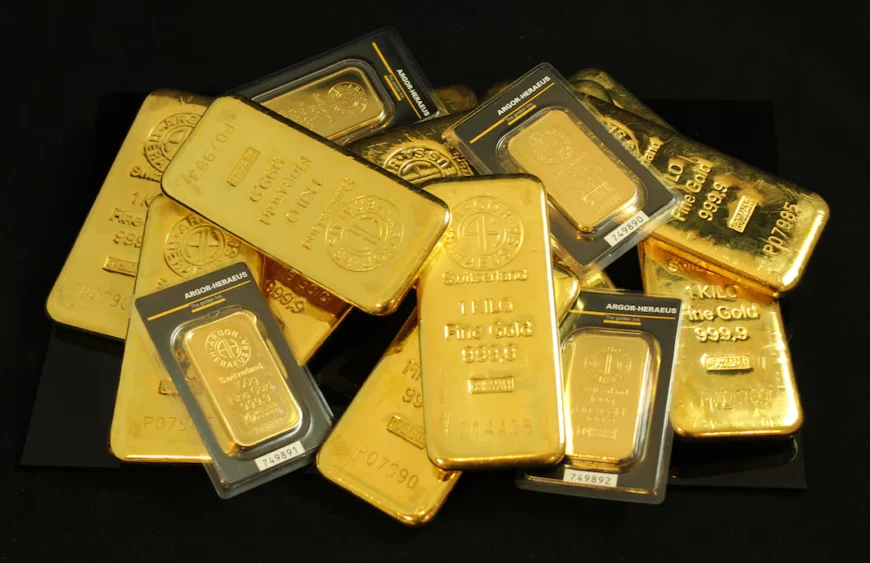
Gold Price History in Nairobi (24K Gold) – Updated
| Timeframe | Date / Period | 24K Price (KES/gram) | Approx. USD/gram | Change |
| Today | September 17, 2026 | KES 17,851.01 | $137.63 | ▼ 0.65% (vs. yesterday) |
| Yesterday | September 16, 2026 | KES 17,967.80 | $138.53 | ▲ 1.26% |
| 7 Days Ago | September 10, 2026 | KES 17,965.00 | $138.51 | ▼ 0.63% |
| 30 Days Ago | August 18, 2026 | KES 18,048.00 | $139.15 | ▼ 1.09% |
| 90 Days Ago | June 19, 2026 | KES 16,210.00 | $125.00 | ▲ 10.12% |
| 1 Year Ago | September 2025 | KES 14,115.00 | $108.82 | ▲ 26.47% |
Gold Price Trend Analysis
Although the 24K gold price in Nairobi has eased slightly over the past day and month, the broader trend remains positive. The current price of KES 17,851.01 per gram is approximately 26.47% higher than a year ago, highlighting gold’s continued role as a long-term store of value.
Over the last 90 days, prices have risen by more than 10%, reflecting sustained investor demand, central bank gold purchases, and continued geopolitical uncertainty. Short-term fluctuations are common and are generally driven by daily movements in the international spot price and changes in the USD/KES exchange rate.
Market Performance Snapshot
| Period | Trend | Market Interpretation |
| 24 Hours | ▼ Slight decline | Normal daily market volatility |
| 7 Days | ▼ Slight decline | Consolidation after recent gains |
| 30 Days | ▼ Moderate decline | Short-term profit-taking and exchange rate movements |
| 90 Days | ▲ Strong increase | Rising global investor demand for gold |
| 1 Year | ▲ Very strong increase | Long-term bullish trend supported by macroeconomic factors |
What Is Driving Gold Prices in Nairobi?
Several factors continue to influence the daily price of gold in Kenya:
- International Spot Gold Price: Gold traded on global bullion markets remains the primary benchmark used by Kenyan dealers and refineries.
- USD/KES Exchange Rate: Since gold is priced internationally in U.S. dollars, movements in the Kenyan Shilling directly affect local gold prices.
- U.S. Federal Reserve Policy: Interest rate expectations influence investor demand for gold as a safe-haven asset.
- Central Bank Gold Purchases: Continued buying by central banks has supported global gold prices throughout 2026.
- Geopolitical and Economic Uncertainty: Inflation concerns, financial market volatility, and geopolitical tensions continue to increase demand for physical gold.
Investor Insight
Despite short-term pullbacks, the long-term trend remains bullish. Investors should focus on longer-term price movements rather than daily fluctuations and compare prices with the international spot market before purchasing physical gold. Keep in mind that retail purchases in Nairobi may include dealer premiums, fabrication charges, assay fees, insurance, and taxes, which can increase the final transaction price above the quoted spot value.
Where Does Kenya Get Gold?
Although Kenya is not among Africa’s largest gold producers, the country has several important gold-bearing regions that support artisanal and small-scale mining, with limited industrial exploration. Gold is produced locally and also traded through regional supply chains, making Kenya both a producer and a trading hub for precious metals in East Africa.
Migori County
Migori County, located in western Kenya near the Tanzania border, is Kenya’s best-known gold-producing region. Artisanal and small-scale miners extract gold from quartz veins and alluvial deposits, particularly around areas such as Macalder and Masara.
Mining in Migori contributes significantly to local livelihoods, although production is generally modest compared with major African producers such as Ghana, South Africa, or Tanzania. Ongoing exploration aims to improve mining efficiency and increase formal production.
Kakamega County
Kakamega has attracted attention due to exploration projects indicating the potential for commercially viable gold deposits. Several companies have conducted geological surveys and drilling programs to assess the area’s long-term mining potential.
While exploration has identified encouraging mineralization, commercial-scale production remains relatively limited compared with more established gold-producing regions.
Narok County
Narok County hosts small-scale gold mining activities, particularly in areas with alluvial and hard-rock deposits. Production is primarily carried out by artisanal miners using traditional extraction methods.
Although Narok contributes to Kenya’s domestic gold output, production volumes are relatively small and continue to be developed through exploration and formalization initiatives.
Turkana County
Turkana is better known for oil exploration and a wide range of mineral resources, but geological surveys have also identified areas with gold potential. Exploration activities continue to evaluate whether commercially viable gold deposits can be developed in the future.
At present, Turkana is considered an emerging exploration region rather than a major gold-producing area.
Does Kenya Import or Export Refined Gold?
Kenya both imports and exports gold, but domestic refined gold production remains limited.
Some locally mined gold is refined within the country by licensed operators, while additional refined bullion and gold products may be imported to meet demand from jewelers, investors, manufacturers, and bullion dealers. Kenya also exports gold, including locally produced bullion and, in some cases, gold that has moved through regional trading networks, subject to applicable laws and customs requirements.
As a member of the East African Community (EAC) and the Common Market for Eastern and Southern Africa (COMESA), Kenya plays an important role in regional mineral trade. Gold exports are regulated by Kenyan authorities, and legitimate exporters are expected to comply with licensing, tax, customs, anti-money laundering (AML), and documentation requirements.
Kenya’s Role in the East African Gold Market
While Kenya does not produce gold on the same scale as countries such as Ghana, South Africa, or the Democratic Republic of the Congo, it remains an important regional market. Nairobi serves as a commercial center where gold buyers, refiners, jewelers, logistics companies, and exporters support trade within East Africa and international markets.
As exploration continues and investment in the mining sector grows, Kenya has the potential to increase its contribution to regional gold production and strengthen its position in Africa’s precious metals industry.
Kenya Gold Mining at a Glance
| Region | Main Activity | Current Status |
| Migori | Artisanal & small-scale gold mining | Kenya’s leading gold-producing area |
| Kakamega | Gold exploration | Significant exploration potential |
| Narok | Small-scale mining | Limited but active production |
| Turkana | Mineral exploration | Emerging gold exploration area |
This table can improve readability, help capture featured snippets, and increase relevance for location-based gold mining searches.
24K Gold Price Comparison Across Major East African Cities
The table below compares the approximate spot value of 24K gold per gram across the major gold trading hubs in East Africa. While the underlying gold value closely follows the international spot price, local retail prices may vary depending on exchange rates, dealer premiums, taxes, and logistics costs.
| City | Country | Approx. 24K Gold Price (USD/Gram) | Approx. Local Price (Per Gram) | Market Highlights |
| Nairobi | Kenya | $138–$139 | KES 17,851 | Large jewelry market with strong bullion demand |
| Mombasa | Kenya | $138–$139 | KES 17,851 | Major import and export port for precious metals |
| Kampala | Uganda | $138–$139 | UGX 540,000 | Regional gold trading and export hub serving East Africa |
| Kigali | Rwanda | $138–$139 | RWF 190,000 | Growing market with regulated precious metals trade |
| Dar es Salaam | Tanzania | $138–$139 | TZS 360,000 | Important gateway for Tanzanian gold exports and refining |
Why Are Gold Prices Similar Across East Africa?
Gold prices in Nairobi, Kampala, Kigali, Dar es Salaam, and Mombasa remain closely aligned because all regional markets reference the international spot price of gold, which is quoted in U.S. dollars. Differences between cities are usually modest and arise from local market conditions rather than the value of the gold itself.
The most common factors influencing the final purchase price include:
- International spot gold price, which serves as the primary benchmark for bullion dealers.
- USD exchange rates against local currencies (KES, UGX, TZS, and RWF).
- Dealer premiums, which typically range from 1–3% for investment-grade bullion, although premiums can be higher for small bars or coins.
- Import duties, taxes, and regulatory fees, where applicable.
- Transportation, insurance, storage, and security costs for physical gold.
Bullion vs. Jewelry Prices
Investment-grade 24K gold bars and bullion generally trade much closer to the international spot price than finished jewelry. Jewelry prices often include additional costs such as:
- Manufacturing and fabrication charges
- Design and craftsmanship premiums
- Retail markups
- Hallmarking or certification fees
- Applicable taxes
As a result, investors seeking maximum gold value typically prefer certified bullion bars or investment coins rather than jewelry.
Investor Insight
Across East Africa, price differences for 24K investment-grade gold are usually small because regional markets are linked to the same global benchmark. When comparing offers, buyers should focus less on small differences in the quoted price per gram and more on the seller’s reputation, purity certification, export compliance, secure payment methods, and total acquisition costs. A slightly higher price from a licensed dealer with verified documentation is often a better value than a lower-priced offer lacking proper certification or legal export support.
How Gold Is Tested
Before buying or selling gold, professional testing is essential to verify its purity, authenticity, and value. Reputable gold dealers, refineries, and assay laboratories use several testing methods depending on the type of gold and the level of accuracy required.
XRF (X-Ray Fluorescence) Testing
XRF testing is one of the most widely used non-destructive methods for analyzing gold. An XRF analyzer uses X-rays to determine the metal composition within seconds without damaging the bar, coin, or jewelry.
Advantages:
- Fast results (typically under one minute)
- Non-destructive testing
- Identifies gold purity and alloy composition
- Commonly used by refineries, bullion dealers, and customs authorities
Best for: Gold bars, coins, jewelry, and routine verification.
Fire Assay
Fire assay is considered the global benchmark for determining gold purity. The sample is melted with specialized chemicals, allowing precious metals to be separated and measured with extremely high accuracy.
Advantages:
- Highest level of accuracy
- Accepted by LBMA refineries and major laboratories
- Suitable for certification and commercial transactions
Limitations:
- Destructive test
- Takes longer than XRF
- Requires specialized laboratory equipment
Best for: Refinery certification, export verification, and high-value commercial gold transactions.
Acid Test
The acid test is a traditional method used to estimate gold purity. A small scratch is made on a testing stone, and different acid solutions are applied to observe the chemical reaction.
Advantages:
- Low cost
- Portable
- Quick indication of karat value
Limitations:
- Less accurate than XRF or fire assay
- May slightly mark the item being tested
Best for: Jewelry stores, pawn shops, and preliminary inspections.
Density (Specific Gravity) Test
Pure gold has a very high density of approximately 19.32 g/cm³. By measuring the weight of a gold item in air and water, professionals can estimate whether the piece is genuine or contains other metals.
Advantages:
- Non-destructive
- Inexpensive
- Useful for detecting counterfeit bars made with lighter metals
Limitations:
- Less reliable for hollow jewelry or items containing gemstones
- Cannot provide exact purity percentages
Best for: Initial authenticity screening.
Electronic Gold Testers
Electronic gold testers measure electrical conductivity or resistance to estimate gold purity. These handheld devices are commonly used by jewelers and gold buyers for quick evaluations.
Advantages:
- Portable
- Easy to use
- Immediate results
- Non-destructive
Limitations:
- Accuracy varies by device quality
- Best used alongside XRF or laboratory testing
Best for: Retail gold buyers and jewelry stores.
Gold Testing Methods Comparison
| Testing Method | Accuracy | Damages Gold? | Typical Time | Best Used For |
| XRF Analysis | Very High | No | 30–60 seconds | Bullion, bars, coins |
| Fire Assay | Highest | Yes | Several hours | Laboratory certification |
| Acid Test | Moderate | Slightly | 5–10 minutes | Jewelry testing |
| Density Test | Moderate | No | 10–15 minutes | Authenticity checks |
| Electronic Tester | Moderate to High | No | Less than 1 minute | Quick retail testing |
Which Gold Test is the Most Accurate?
For commercial gold transactions and official certification, fire assay remains the most accurate testing method and is widely recognized by professional refineries. For fast, non-destructive testing, XRF analysis is the preferred choice because it delivers highly accurate purity readings without damaging the gold.
At Gold Dealers Africa Limited, professional gold transactions are typically supported by independent assay reports and internationally accepted testing procedures. Buyers should always request assay documentation before completing high-value purchases or imports.
Gold Investment Options Compared
Gold can be purchased in several forms, each offering different advantages depending on your investment goals, budget, and risk tolerance. Understanding the differences between physical gold and paper-based investments can help you choose the option that best suits your needs.
Gold Bars
Gold bars are one of the most popular choices for investors seeking maximum value. They are available in various sizes, from small 1-gram bars to 1-kilogram investment bars, and typically carry lower premiums over the spot price than coins.
Advantages
- Lower premiums than most gold coins
- High purity (often 99.99%)
- Ideal for larger investments
- Widely accepted by bullion dealers
Disadvantages
- Less practical for small partial sales
- Requires secure storage and insurance
- Higher upfront investment for larger bars
Best for: Long-term wealth preservation and serious investors.
Gold Coins
Investment-grade gold coins are produced by government mints and are recognized worldwide. Popular examples include the American Gold Eagle, Canadian Gold Maple Leaf, South African Krugerrand, and British Britannia.
Advantages
- Easy to buy and sell
- Highly recognizable
- Suitable for investors with smaller budgets
- Excellent liquidity
Disadvantages
- Higher premiums than bars
- Premiums can fluctuate with demand
Best for: Beginners and investors seeking flexibility.
Gold Jewelry
Gold jewelry combines investment value with personal use. However, its purchase price often includes craftsmanship, branding, and retail markups that are not recovered when selling.
Advantages
- Can be worn and enjoyed
- Easy to purchase in many countries
- Holds intrinsic gold value
Disadvantages
- Higher markups
- Lower resale value compared to bullion
- Purity varies (10K, 14K, 18K, 22K)
Best for: Personal use rather than investment.
Gold ETFs (Exchange-Traded Funds)
Gold ETFs allow investors to gain exposure to gold prices without owning physical metal. Shares are traded on stock exchanges through brokerage accounts.
Advantages
- Easy to buy and sell
- No storage or insurance costs
- High liquidity
- Suitable for portfolio diversification
Disadvantages
- You do not directly own physical gold
- Management fees may apply
- Requires a brokerage account
Best for: Investors seeking convenient market exposure.
Digital Gold
Digital gold platforms allow investors to purchase fractional amounts of gold online, with the provider typically storing the underlying bullion in secure vaults.
Advantages
- Low minimum investment
- Convenient online access
- Fractional ownership available
- No need for home storage
Disadvantages
- Depends on the provider’s credibility
- May involve storage or transaction fees
- Availability and regulation vary by country
Best for: New investors and those making regular small purchases.
Comparison of Gold Investment Options
| Investment Type | Own Physical Gold | Typical Cost | Liquidity | Storage Needed | Risk Level | Best For |
| Gold Bars | Yes | Medium to High | High | Yes | Low | Long-term investing |
| Gold Coins | Yes | Medium | Very High | Yes | Low | Beginners |
| Gold Jewelry | Yes | Medium | Moderate | Yes | Moderate | Personal ownership |
| Gold ETFs | No | Low to Medium | Very High | No | Moderate | Active investors |
| Digital Gold | Usually backed by physical gold | Low | High | No | Moderate | Small regular investments |
Which Gold Investment Is Best?
Best for Beginners
Gold coins are often the best starting point because they are widely recognized, easy to understand, and can be purchased in smaller amounts than large bullion bars. Digital gold is another accessible option for investors who want to start with a modest budget.
Best for Long-Term Investors
Gold bars are generally the preferred choice for long-term investors because they usually have lower premiums, high purity, and are well suited for preserving wealth over many years. Investors using retirement or diversified portfolios may also consider gold ETFs for convenience.
Best for Active Traders
Gold ETFs are typically the most suitable option for traders because they can be bought and sold quickly during market hours without the costs and logistics of transporting physical gold. Investors using digital trading platforms often prefer ETFs for their liquidity and ease of execution.
Key Factors to Consider Before Investing
Before choosing a gold investment, evaluate:
- Your investment objective (wealth preservation, portfolio diversification, or short-term trading)
- Your budget and preferred investment size
- Storage and insurance requirements for physical gold
- Liquidity and ease of selling
- Premiums, transaction fees, and ongoing costs
- Whether you want direct ownership of physical gold or exposure to gold prices through financial products
No single option is ideal for every investor. The right choice depends on your financial goals, investment horizon, and level of experience.
Common Gold Buying Scams and How to Avoid Them
Gold is one of the world’s most valuable investment assets, but it is also a frequent target for fraud. Every year, buyers lose substantial amounts of money to counterfeit bullion, forged documents, and dishonest online sellers. Whether you are purchasing gold bars, coins, or jewelry, carrying out proper due diligence before sending payment can significantly reduce the risk of financial loss.
Below are some of the most common gold buying scams and practical steps you can take to protect yourself.
Fake Certificates and Assay Reports
One of the most common scams involves forged assay reports, certificates of authenticity, export permits, or refinery documents. Fraudsters often copy the names and logos of well-known laboratories, refineries, or government agencies to make counterfeit documents appear legitimate.
In some cases, certificate numbers are fabricated, altered, or copied from genuine reports. Others may include fake signatures, incorrect company details, or manipulated purity results.
Warning signs include:
- Poor-quality logos, spelling mistakes, or inconsistent formatting
- Missing certificate or report numbers
- Documents that cannot be verified with the issuing organization
- Certificates from laboratories that do not exist or are not recognized
How to protect yourself:
- Request original assay reports and supporting documentation.
- Verify certificates directly with the issuing laboratory or refinery whenever possible.
- Confirm that export permits, licenses, and customs documents are consistent with the shipment and the seller’s identity.
- Work with licensed dealers and independent inspection companies for high-value transactions.
Gold-Plated or Counterfeit Bars
Some counterfeit bars are made from less valuable metals and coated with a thin layer of gold to resemble genuine bullion. More sophisticated counterfeits may use metals with densities similar to gold, making visual inspection alone unreliable.
Although fake bars may closely resemble authentic bullion, professional testing usually reveals the true composition.
Warning signs include:
- Prices significantly below current market value
- Missing or irregular serial numbers
- Poor engraving or packaging quality
- Sellers unwilling to allow independent testing
How to protect yourself:
- Request XRF analysis or fire assay results.
- Buy bars from recognized refiners or reputable dealers.
- Inspect packaging, serial numbers, and hallmarks carefully.
- Arrange independent verification before completing large purchases.
Underweight Gold Bars
Some fraudsters manufacture bars with the correct dimensions but less actual gold than advertised. Others tamper with packaging or substitute lower-purity metal while labeling it as investment-grade bullion.
Even small weight discrepancies can represent significant financial losses, particularly for larger bars.
Warning signs include:
- Weight differs from the stated specification
- Unusual dimensions or thickness
- Missing manufacturing information
- Packaging that appears opened or resealed
How to protect yourself:
- Weigh each bar using a calibrated precision scale.
- Measure dimensions and compare them with the refiner’s published specifications.
- Confirm purity through professional testing before final payment.
Fake Online Gold Dealers
Fraudulent websites and social media accounts often imitate legitimate bullion dealers. Some copy company names, logos, product photos, and customer reviews to appear trustworthy, while others disappear after receiving payment.
A professional-looking website alone does not prove that a dealer is genuine.
Warning signs include:
- No verifiable business registration or physical address
- No telephone support or identifiable company representatives
- Requests for payment through anonymous methods
- Newly created websites with little or no trading history
- Pressure to make immediate payment
How to protect yourself:
- Verify company registration and licensing with the relevant authorities.
- Confirm the dealer’s physical office location and contact information.
- Check independent customer reviews from reputable sources.
- Request references for commercial transactions.
- Use secure payment methods and written contracts where appropriate.
Unrealistic Discounts
Gold prices are closely linked to international spot markets, making exceptionally cheap offers highly suspicious. Fraudsters often advertise discounts of 20%, 30%, or even 50% below prevailing market prices to attract buyers.
While legitimate discounts may occur because of volume, market conditions, or product type, offers that are dramatically below market value should be treated with caution.
Warning signs include:
- Prices far below the current international spot price
- Claims of “secret government auctions” or “urgent clearance sales”
- Sellers guaranteeing unusually high profits
- Pressure to pay quickly before the “deal expires”
How to protect yourself:
- Compare offers with current global gold prices.
- Understand that legitimate bullion typically trades close to the market price, with reasonable premiums or discounts depending on the product and transaction.
- Be cautious of promises that appear too good to be true.
Gold Buying Safety Checklist
Before purchasing gold, take the following precautions:
- Verify the dealer’s business registration, licenses, and physical office.
- Confirm the gold’s purity through XRF analysis, fire assay, or another recognized testing method.
- Review assay reports, export documentation, and invoices carefully.
- Compare the quoted price with the current international spot price.
- Request secure payment terms and a written purchase agreement.
- Consider using an independent escrow service for large international transactions.
- Arrange insured transportation through reputable logistics providers when shipping physical gold.
- Keep copies of all contracts, invoices, assay reports, and payment records.
Note. Most gold transactions are completed safely when buyers work with reputable, licensed businesses and follow proper verification procedures. Taking time to verify documents, inspect the gold, confirm the seller’s credentials, and understand current market prices can greatly reduce the risk of fraud. Whether you are buying gold for investment, jewelry, or commercial purposes, thorough due diligence is one of the most effective ways to protect your investment.
Kenya Gold Buyer’s Checklist
Buying gold is a significant financial decision, whether you are purchasing jewelry, investment-grade bullion, or collectible coins. Taking a few extra steps to verify the gold’s authenticity and the seller’s credibility can help you avoid fraud and ensure you get fair value for your investment. Before completing any purchase in Kenya, use the following checklist to guide your decision.
✓ Verify the Gold Purity
Always confirm the purity of the gold before making payment. Investment-grade gold bars are commonly refined to 99.99% purity (24K), while jewelry is frequently available in 22K, 18K, or 14K. Ask the seller to provide evidence of the gold’s purity through a recognized testing method or official documentation.
✓ Check the Weight
Gold is priced according to its weight, so it is essential to ensure that the item weighs exactly what the seller claims. Ask for the gold to be weighed on a calibrated digital scale and compare the weight with the details shown on the invoice, packaging, or product certificate. Even a small difference in weight can have a noticeable impact on the value of your purchase.
✓ Verify Hallmarks
Inspect the gold carefully for official hallmarks that indicate its purity and, where applicable, the manufacturer or refiner. Common markings include 999.9 (24K), 916 (22K), 750 (18K), and 585 (14K). Genuine investment bars from reputable refiners also usually include serial numbers and branded markings that can often be verified.
✓ Compare Prices from Multiple Dealers
Do not rely on a single quotation. Compare prices from several reputable gold dealers and check them against the current international gold spot price. While premiums vary depending on the product, exceptionally low prices should be treated with caution, as they may indicate counterfeit products or fraudulent offers.
✓ Request a Detailed Invoice
Always ask for a detailed invoice that clearly states the date of purchase, the seller’s business information, the weight and purity of the gold, the quantity purchased, the price paid, and any applicable taxes or service charges. A complete invoice provides proof of ownership and may be useful for insurance, resale, or tax purposes.
✓ Ask for an Assay Report or Certificate of Authenticity
For higher-value purchases, request an assay report or certificate of authenticity issued by a recognized laboratory, refinery, or qualified assayer. This documentation provides independent confirmation of the gold’s purity and helps increase confidence in the transaction.
✓ Understand the Return or Buy-Back Policy
Before purchasing, ask whether the dealer offers a return, exchange, or buy-back policy. Understanding these terms in advance can make it easier to sell your gold in the future or resolve any issues that may arise after the purchase.
✓ Verify the Seller’s Credentials
Purchase gold only from reputable businesses with a verifiable physical address, valid business registration, and appropriate licenses where required. Read independent customer reviews, confirm the dealer’s contact information, and avoid sellers who pressure you into making immediate payments or refuse independent verification.
note. A trustworthy gold purchase should always be supported by transparent pricing, professional documentation, and independent verification of purity. Taking the time to verify the gold, compare reputable dealers, and review all supporting documents can help you make a more informed decision and reduce the risk of fraud. Whether you are buying gold for investment, wealth preservation, or personal use, careful due diligence is one of the best ways to protect your investment.
Why Buy Gold Through Buy Gold in Africa Limited
When it comes to investing in or purchasing gold, trust, authenticity, and competitive pricing are key.
Buy Gold in Africa Limited is your reliable partner for secure and profitable gold transactions.
What Makes Us the Best Choice
-
100% Authentic Gold – All our gold is sourced from verified African mines and artisans. Every purchase comes with certificates of authenticity, ensuring you get genuine gold every time.
-
Competitive Prices – By working directly with miners and trusted suppliers, we offer unbeatable prices for retail and bulk orders.
-
Wide Variety – From 24K gold bars, solid gold beads to handmade African designs, we cater to jewelers, collectors, and DIY enthusiasts alike.
-
Secure & Transparent Transactions – Our processes guarantee safe payments, timely delivery, and full transparency in pricing and purity.
-
Supporting Local Artisans – By buying through us, you help sustain African craftsmanship and support communities.
Ready to buy authentic African gold?
Contact Buy Gold in Africa Limited today for competitive rates, wholesale options, and exclusive artisan designs. Secure your gold investment with confidence.
“If you are tracking market trends, check out our detailed guide on 1kg gold price in Kenya to see how it relates to the current gold price in Kenya today.”
Frequently Asked Questions
What is today’s 22K gold price in Nairobi?
The average 22K gold price in Nairobi is approximately KES 16,362.59 per gram (about USD $126.16), based on an exchange rate of approximately KES 129.70 per US dollar. Gold prices are updated frequently because they follow movements in the international spot market and changes in the Kenyan shilling exchange rate. The final price you pay may also vary slightly between dealers depending on premiums, refining costs, transportation, and local market demand.
How does the gold price affect jewelry costs?
The daily gold price is the primary factor that determines the cost of gold jewelry in Nairobi. However, the final retail price also includes the purity of the gold, whether it is 24K, 22K, 18K, or another karat, together with manufacturing charges, craftsmanship, gemstones, taxes, and the jeweler’s profit margin. As international gold prices increase, the prices of rings, necklaces, bracelets, and other jewelry products generally rise as well, while investment-grade gold bars and coins often carry lower manufacturing costs than finished jewelry.
Where can I buy authentic gold in Nairobi?
Authentic gold should be purchased only from reputable and properly licensed dealers, established jewelry stores, recognized bullion traders, or authorized refiners operating in Kenya. Before completing a purchase, buyers should verify the seller’s business credentials, request an assay report or certificate of authenticity, confirm the gold’s purity through professional testing such as XRF analysis or fire assay, and compare the quoted price with the current international spot price. Taking these precautions helps reduce the risk of counterfeit products and fraudulent transactions.
Can I invest in gold through the Nairobi Securities Exchange (NSE)?
Kenyan investors can gain exposure to gold through a variety of investment products, although the availability of specific gold-related securities may change over time. Depending on market offerings and brokerage access, investors may be able to invest through gold exchange-traded funds (ETFs), international gold mining company shares, precious metals investment funds, digital gold platforms, or physical gold bars and coins. Before investing, it is advisable to consult a licensed stockbroker or financial adviser to determine which investment options are currently available and suitable for your financial objectives.
How can I verify the purity of gold before buying?
Gold purity should always be verified before completing a purchase, particularly for high-value bullion or jewelry. Buyers should look for recognized hallmarks such as 999.9 for 24K gold, 916 for 22K gold, 750 for 18K gold, or 585 for 14K gold, while also requesting an independent assay report or certificate of authenticity. Professional testing methods such as X-Ray Fluorescence (XRF) analysis and fire assay provide highly reliable purity verification, while confirming the weight, dimensions, and serial numbers of investment-grade bars adds another layer of protection against counterfeit products.
Is gold a safe investment in 2026?
Gold continues to be widely regarded as a reliable long-term investment because it has historically helped preserve wealth during periods of inflation, currency depreciation, and economic uncertainty. Investors around the world often include gold in diversified portfolios because it offers liquidity, global recognition, and the potential to reduce overall investment risk. Although gold prices can fluctuate in the short term, many financial professionals continue to view physical gold and gold-backed investment products as valuable components of a balanced long-term investment strategy.
Conclusion
Nairobi gold prices are dynamic and influenced by global and local factors, making it essential to stay updated for investments, jewelry purchases, or trading.
Bookmark this page for Current price updates, short- and long-term forecasts, and expert insights into the 24K, 22K, 21K, and 18K gold rates.
Looking to buy authentic gold in Nairobi? Contact us today for verified rates and secure purchases.
“If you are tracking market trends, check out our detailed guide on 1kg gold price in Kenya to see how it relates to the current gold price in Kenya today.”