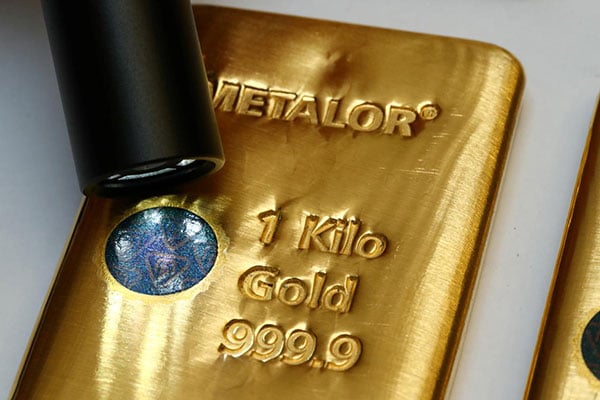
Future Predictions (2025–2035)
As we steer into the next decade of investment opportunities, the outlook for gold — especially in markets like the UK — is increasingly shaped by structural shifts, innovation and macro-political dynamics.
Below is a comprehensive look at how demand might evolve between 2025 and 2035, drawing on the latest analyst forecasts and market signals.
1. Forecasts from Analysts
Leading institutions such as Goldman Sachs highlight that the gold price is expected to continue rising. For example, Goldman raised its end-2025 gold price forecast to around US$3,100 per troy ounce, citing sustained central-bank demand.
They also indicated potential upside to US$3,300/oz if central-bank buying and ETF flows remain strong. Meanwhile, the London Bullion Market Association (LBMA) 2025 Forecast Survey indicates that analysts expect gold to average about US$2,735/oz in 2025 — roughly a 13.6% increase over the 2024 average.
Although many of these numbers focus on the global USD-price of gold, UK investors (buying in GBP) will experience the effects of both price and currency moves.
Over the 2025-2035 horizon, assuming average annual growth rates (CAGR) in demand for the investment segment of, say, 4-6% per annum (a conservative estimate), the value and volume of gold holdings could significantly increase.
Given the strong structural drivers (see below), this growth may surprise on the upside.
2. Expected Demand Segments
Investment Demand: Institutional and retail investment in gold is expected to lead the way. Central banks’ rising purchases, growing ETF and tokenised-gold vehicles, and investor desire for non-yielding assets in a low real-yield environment all point to this segment expanding.
For instance, Goldman notes the structural shift in central-bank buying since 2022 as a key upward driver.
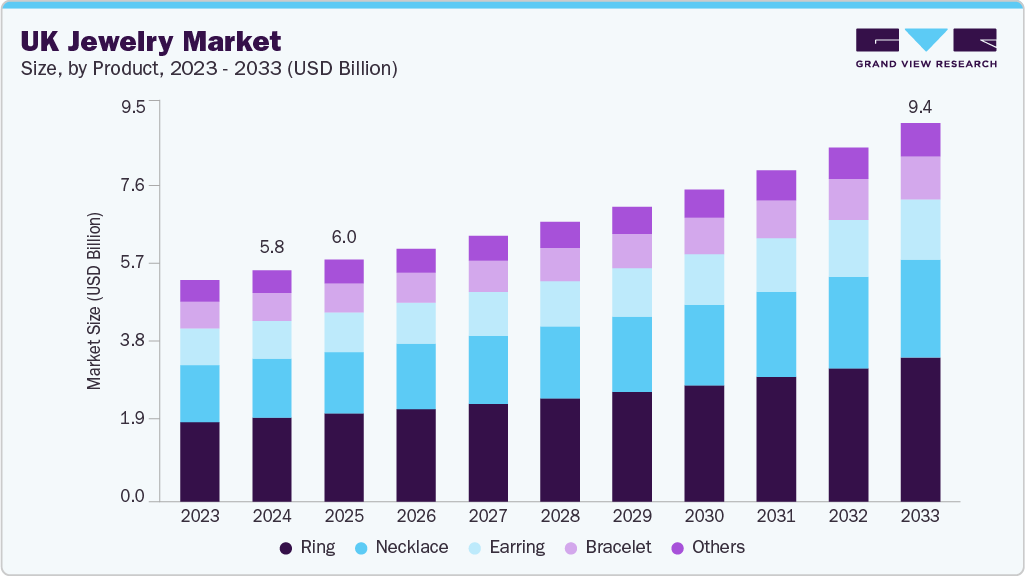
- Jewellery Demand: In contrast, jewellery demand — especially in developed markets such as the UK — may grow more modestly, perhaps at 1-3% annually, or even remain flat depending on price levels and consumer behaviour. High gold prices can inhibit jewellery demand, especially when household budgets are under pressure.
- Industrial/Technology Demand: Although smaller in scale, technological applications of gold (electronics, medical devices) will contribute a steady tail. Innovations like flexible electronics, biomedicine and miniaturisation may increase gold’s industrial use, but this is unlikely to be the dominant driver of demand.
- Central Bank Reserves: This remains an important structural segment. As many emerging-market central banks remain under-allocated in gold, the trend of accumulation may continue for years. Goldman expects central-bank accumulation to remain elevated for at least another three years.
3. Technological Impact: Digital Gold & Tokenised Assets
A significant theme for the coming decade is the rise of digital gold and tokenised gold assets. Blockchain-based gold tokens, digital platforms offering fractional physical gold exposure, and gold-backed digital securities are likely to increase accessibility and liquidity.
This may attract younger investors and broaden demand beyond traditional bullion buyers. Combined with growing fintech adoption in the UK, this could boost investment segment growth, perhaps adding another 1-2% CAGR above traditional physical demand growth.
The broader fintech/crypto interplay also means gold might increasingly compete (or complement) digital assets — in particular as a hedge for tech-savvy investors. That diversification and innovation angle may well chart newer demand pathways for gold in the UK.
4. Political & Macroeconomic Projections
Macro forecasts remain highly supportive of gold’s role in portfolios. Key factors to watch:
-
Interest-rate policy & real yields: If the Federal Reserve or other major central banks begin meaningful rate cuts, real yields will fall, making gold more attractive. The LBMA survey highlights Fed policy as the top driver (28%) for gold price in 2025.
-
Geopolitical risk & currency depreciation: Sterling weakness, especially in the UK, could magnify gold’s returns in GBP terms. If weaker GBP combines with global safe-haven demand, UK gold demand could rise disproportionally.
-
Inflation & debt concerns: Growth of government debt and inflation pressures could reinforce gold’s appeal as a store of value. If inflation remains elevated or the UK faces stagflation, gold is likely to gain further.
-
Reserve diversification: As noted, central banks diversifying away from traditional reserve assets may persist with gold accumulation, providing a structural demand floor.
Summary Outlook
Putting it all together: Over the 2025–2035 period, UK gold demand (especially the investment segment) appears poised for moderate growth — perhaps 4-7% annual growth in physical and digital investment demand, with jewellery growth more modest at 1-3%.
The price of gold (USD basis) may reach US$3,500-4,000/oz in base-case scenarios, and higher under tail-risk outcomes. For UK investors, this translates into significant potential upward moves in GBP terms — amplified if sterling weakens.
From an investment-and-sales perspective, positioning your content and offerings around these themes — “digital gold accessibility,” “central-bank driven structural demand,” “UK investor safe-haven strategy” — will resonate strongly.
In the next section, we’ll explore “Is Gold Still a Good Investment in the UK?” and how you can leverage the forecast for your audience.

Is Gold Still a Good Investment in the UK?
When it comes to wealth preservation and growth in uncertain times, few assets spark as much debate as gold.
In the UK, where investors traditionally split their portfolios among property, equities, and fixed income, gold has re-emerged as a key alternative store of value — especially after recent inflation spikes and economic turbulence.
1. Gold vs. Property vs. Stocks
Property has long been viewed as the cornerstone of British wealth, offering steady appreciation and rental income.
However, rising interest rates, higher mortgage costs, and sluggish growth in the housing market since 2022 have dampened returns.
Property also lacks liquidity — it can take months to sell, and transaction costs are high.
Stocks, on the other hand, provide growth potential and dividends, but they are exposed to market volatility and economic cycles. UK equities in particular have underperformed compared to US and global peers, while inflation has eroded real returns.
Gold, by contrast, tends to shine when traditional assets struggle. It doesn’t yield interest or dividends, but it preserves purchasing power over time.
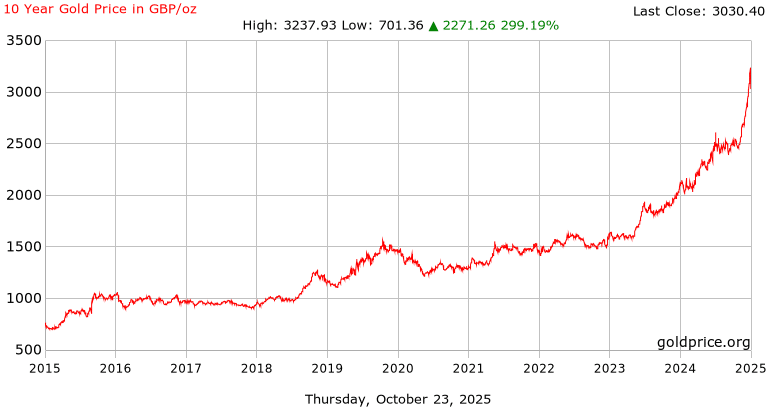
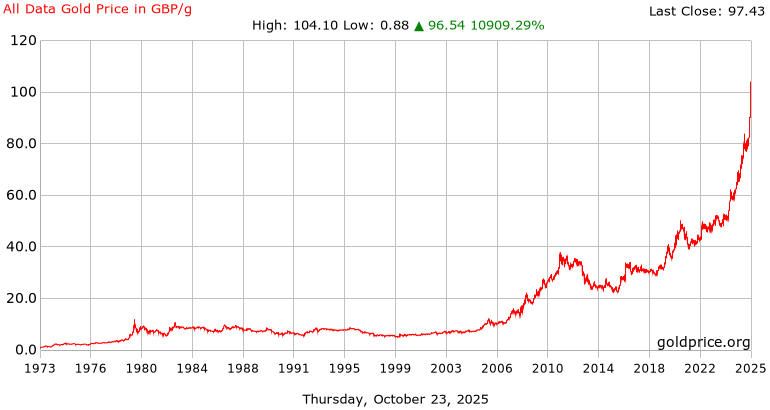
Between 2014 and 2024, gold prices in GBP rose nearly 150%, outperforming the FTSE 100 and keeping pace with, or surpassing, UK housing appreciation during inflationary periods.
2. Inflation Hedge, Liquidity & Long-Term Security
Gold’s appeal lies in its ability to hedge against inflation and currency depreciation. When the pound weakens or consumer prices rise, gold typically moves higher.
It also offers unmatched liquidity — physical gold can be sold quickly to reputable dealers, while ETFs or digital gold platforms allow near-instant transactions.
From a security standpoint, gold remains one of the few assets with no counterparty risk. Unlike equities or property, which depend on corporate performance or tenant stability, physical gold’s value is intrinsic and globally recognized.
It has survived recessions, wars, and currency collapses — making it an ideal long-term anchor in diversified portfolios.
3. The Downsides
Gold is not without drawbacks. It doesn’t generate passive income, meaning investors rely entirely on price appreciation for returns.
Storage and insurance costs for physical gold can also reduce profitability. Moreover, in periods of strong economic growth and rising real interest rates, gold may underperform compared to equities.
4. Final Verdict
For UK investors in 2025 and beyond, gold remains a prudent long-term investment, particularly as part of a diversified portfolio.
Its resilience during inflationary and uncertain periods makes it a valuable hedge, while its liquidity provides flexibility unmatched by property.
Learn how to start investing in physical gold securely — explore trusted dealers, storage options, and verified bullion platforms to protect and grow your wealth in the years ahead.
How to Invest in Gold in the UK
Investing in gold has never been more accessible for UK investors. Whether you prefer the tangible security of physical bullion or the convenience of digital platforms, there are multiple ways to add gold to your portfolio.
Understanding your options — and their respective benefits — can help you make informed, secure, and tax-efficient decisions.
1. Physical Gold Bullion
Physical bullion (bars and coins) remains the most popular choice for long-term investors who value ownership of a tangible asset. It offers full control and zero counterparty risk.
-
Bullion Bars: Ideal for large investments due to low premiums over spot price.
-
Gold Coins: Popular among smaller investors — coins such as Britannias and Sovereigns are especially attractive because they’re Capital Gains Tax (CGT)–exempt in the UK when sold.
Storage is key. Many investors use professional vaults such as The Royal Mint, Brink’s, or Loomis, offering high security and insurance. Alternatively, home safes can work for smaller holdings, but always ensure insurance coverage.
2. Gold ETFs & Exchange-Traded Products
If you prefer liquidity and easy market access, gold ETFs (Exchange-Traded Funds) are an excellent option. These are financial instruments that track the gold price and can be bought or sold on the London Stock Exchange like regular shares. Examples include:
ETFs allow exposure to gold without worrying about storage, but they carry custodial and management fees and don’t give ownership of physical metal. They’re best suited for short-to-medium-term investors.
3. Digital Gold & Tokenised Assets
The rise of fintech has brought digital gold — online platforms offering fractional ownership of allocated gold stored in professional vaults.
This allows investors to buy gold from as little as £10, trade instantly, and even redeem it for physical delivery. Tokenised gold (blockchain-backed gold assets) is also gaining traction, providing transparent, borderless ownership verified by blockchain technology.
4. Gold Jewellery
Jewellery can serve as both an emotional and investment purchase. However, due to high retail markups and craftsmanship costs, it’s not the most efficient way to invest in gold for financial gain.
Its resale value often depends on design, purity, and fashion trends.
5. Tax Advantages & First-Time Investor Tips
-
No VAT is charged on investment-grade gold in the UK (bullion with purity above 995 parts per thousand).
-
British coins (Britannias & Sovereigns) are CGT-free, offering a legal tax shield on profits.
-
Always buy from FCA-registered, LBMA-approved dealers.
-
Verify authenticity with certifications and hallmarking.
-
Diversify purchases across weights (e.g., 1 oz, 10 g, 100 g) for flexibility when selling.
Ready to Begin?
Investing in gold doesn’t have to be complicated. Whether you’re starting with a few coins or a full bar, secure your wealth with trusted UK dealers.
👉 Learn how to start investing in physical gold securely with our trusted gold investment services today.
Why Invest Gold with Buy Gold in Africa Limited?
When it comes to investing in gold, trust, transparency, and reliability matter above all — and that’s exactly what Buy Gold in Africa Limited delivers to UK investors looking for quality gold at competitive prices.
1. Trusted Expertise and Proven Track Record
With years of experience in sourcing, verifying, and delivering premium gold bullion and coins, we have built a reputation for excellence across Africa and the UK.
Our expert team ensures every piece of gold meets the highest standards of purity and authenticity, giving you complete peace of mind.
2. Competitive Pricing & Fair Market Rates
We understand the UK market’s nuances and offer highly competitive pricing with transparent, real-time valuations based on current global gold prices. This means you always get the best value, without hidden fees or markups.
3. Secure and Compliant Transactions
Your security is our priority. We adhere strictly to all international regulatory standards, including AML and KYC protocols, ensuring safe, legal, and hassle-free gold purchases.
Our robust logistics and insured delivery network guarantee your investment arrives safely and promptly in the UK.
4. Unique Access to African Gold
Our direct relationships with trusted miners and refiners in Africa allow us to offer unique, ethically sourced gold products that are not always available through traditional UK dealers. This gives you access to rare bullion and coin varieties, backed by ethical sourcing guarantees.
5. Personalized Customer Support
Whether you’re a first-time buyer or a seasoned investor, our dedicated UK support team guides you through every step — from selection and payment to delivery and aftercare. We prioritize your satisfaction and long-term relationship.
Invest in gold confidently with Buy Gold in Africa Limited — your trusted partner connecting UK investors to Africa’s finest gold.
Ready to start? Contact us today and discover how our seamless service and exceptional value can enhance your gold investment journey.
Expert Opinions & Market Insights
Expert consensus across major financial institutions indicates that gold will remain a core strategic asset for both private investors and central banks throughout the 2025–2035 decade.
Analysts consistently highlight the same driving forces — persistent inflation, central-bank diversification, and geopolitical instability — as the foundation for continued gold demand in the UK and globally.
According to Ruth Crowell, CEO of the London Bullion Market Association (LBMA), “Gold continues to play a critical role in the global financial ecosystem — not only as a hedge against market risk but also as a strategic reserve asset underpinning financial stability.
” The LBMA’s 2025 survey shows that over 70% of analysts expect gold prices to rise, citing central-bank purchases and lower real interest rates as the primary catalysts.
Goldman Sachs strategist Mikal Sardana recently noted, “We believe the structural bull market in gold is intact, with long-term support coming from dedollarisation trends and strong central-bank accumulation.
” Similarly, the World Gold Council (WGC) stated in its 2025 outlook that gold’s performance will “reflect the interplay between geopolitical uncertainty, technology adoption, and sustained investment demand.”
Fund managers in the UK, such as Ninety One and Schroders, emphasise diversification benefits: gold typically improves portfolio resilience during volatility. As one strategist put it, “Gold is not about quick gains — it’s about long-term insurance for capital preservation.”
Together, these expert insights reinforce gold’s enduring appeal as a safe, strategic, and globally trusted asset for UK investors.
Frequently Asked Questions:
Why is gold still popular among UK investors?
Gold remains a trusted store of value and hedge against inflation and economic uncertainty. In the UK, ongoing inflation, currency fluctuations, and geopolitical risks make gold an attractive investment to preserve wealth.
How has the UK’s gold demand changed post-Brexit and post-COVID?
Post-Brexit and COVID-19, UK gold demand saw shifts, with increased interest in investment-grade bullion as investors sought safe havens. Jewellery demand faced some softness due to economic pressures, while central bank purchases and digital gold platforms grew.
What sectors drive gold demand in the UK?
The main sectors are investment (bullion, ETFs, digital gold), jewellery, industrial applications, and central bank reserves. Investment demand currently leads growth due to market volatility and inflation concerns.
How does inflation affect gold prices in the UK?
Gold typically performs well during inflationary periods as it preserves purchasing power. When inflation rises and real interest rates stay low or negative, gold prices usually increase, benefiting UK investors.
What are the future predictions for UK gold demand over the next decade?
Analysts forecast steady growth in UK gold demand, particularly in investment segments, with an estimated annual growth rate of 4-7%. Advances in digital gold and tokenised assets will also expand accessibility.
Is gold a better investment than UK property or stocks?
Each asset class serves different purposes. Gold offers liquidity, inflation hedging, and safe-haven qualities, while property provides income and capital growth, and stocks offer dividends and higher growth potential but with more volatility.
What are the tax benefits of investing in gold in the UK?
Investment-grade gold bullion is exempt from VAT in the UK. Additionally, British gold coins such as Sovereigns and Britannias are exempt from Capital Gains Tax (CGT), making them tax-efficient investment options.
How can I invest in gold in the UK safely?
You can invest via physical bullion from trusted dealers, gold ETFs, digital gold platforms, or jewellery. Always choose FCA-regulated dealers, ensure proper storage and insurance, and verify gold authenticity.
What impact will digital gold and tokenised gold assets have on UK demand?
Digital gold lowers barriers to entry, allowing fractional ownership and instant trading, attracting younger investors and broadening demand beyond traditional bullion buyers.
Will central banks in the UK and globally continue buying gold?
Yes. Central banks have increased gold reserves recently to diversify away from fiat currencies and reduce risk. This trend is expected to continue, supporting strong demand.
Conclusion & Key Takeaways
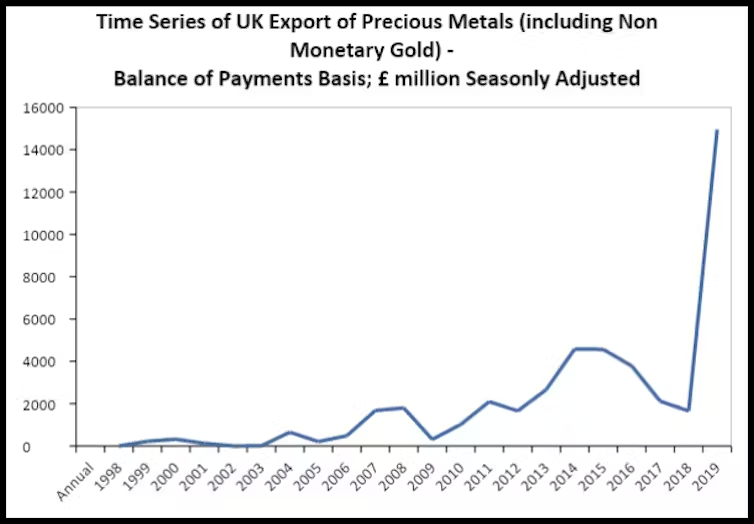
UK gold demand remains resilient, supported by economic uncertainty, inflation pressures, and strong institutional participation through London’s global gold hub. Over the past decade, gold has consistently proven its strength as both a safe haven and a hedge against market volatility — a trend expected to continue through 2025–2035.
Forecasts from leading institutions like the LBMA, World Gold Council, and Goldman Sachs project sustained price growth, potentially reaching new highs as central banks, investors, and fintech platforms drive broader adoption.
With digital innovation, tax advantages, and a growing preference for tangible assets, gold’s appeal in the UK remains as relevant as ever.
For investors seeking protection, liquidity, and long-term value, gold continues to offer stability when other markets fluctuate.
Consider diversifying your portfolio now — explore trusted UK gold dealers, ETFs, or digital gold platforms to safeguard your wealth and capture the next wave of opportunity in the evolving gold market.