How to Buy Gold from Africa Safely (2026 Step-by-Step Guide)
You can buy gold from Africa safely and legally, but only if you follow a structured due diligence process from the first enquiry through final delivery. The majority of financial losses reported by international buyers are not caused by the gold itself; they result from dealing with unlicensed sellers, paying before verifying documentation, accepting fake assay certificates, or using insecure payment methods. Whether you are purchasing a single kilogram for investment or arranging a large commercial shipment, four safeguards dramatically reduce your risk: work only with a licensed mineral dealer or exporter, verify the gold through an independent laboratory or refinery of your own choosing, use a secure payment method such as escrow or a documentary letter of credit (LC), and ship through an insured precious-metals logistics provider. Skipping even one of these steps can expose buyers to fraud, customs problems, or expensive legal disputes.
The African continent remains one of the world’s most important sources of newly mined gold. Countries including Uganda, Ghana, Tanzania, the Democratic Republic of Congo (DRC), Mali, South Africa, Rwanda, and Burkina Faso supply international refiners, bullion dealers, jewellery manufacturers, and institutional investors. Many legitimate exporters provide professionally assayed gold bars accompanied by export permits, certificates of origin, commercial invoices, insurance documents, and customs clearance paperwork. At the same time, the region continues to attract criminals who exploit overseas buyers through advance-fee scams, counterfeit export documents, fake refinery certificates, and offers of unrealistically cheap gold priced far below international market value.
Gold traded at approximately US$4,180 per troy ounce. Although this was below the record highs reached earlier in the year, prices remained significantly higher than historical averages. Strong global demand for physical bullion, geopolitical uncertainty, inflation concerns, and central-bank purchases continue to support the market. High prices create attractive opportunities for legitimate exporters across Africa, but they also increase fraudulent activity as scammers attempt to exploit investors searching for discounted gold. Anyone buying precious metals internationally should therefore place compliance, verification, and secure payment ahead of finding the lowest advertised price.
Purchasing gold internationally is more than simply agreeing on a price. Buyers must confirm the exporter is legally licensed, ensure the gold has been independently assayed, verify the authenticity of export permits and ownership documents, understand the destination country’s import requirements, arrange insured transportation, and comply with anti-money laundering (AML) and customs regulations. These steps protect both the buyer and the seller while helping prevent shipment delays, confiscation, or financial loss.
Buy Gold in Africa is a Kampala, Uganda-based gold sourcing and export company that supplies investment-grade gold to international buyers. We are registered with the Uganda Registration Services Bureau under Company Registration No. 80034944346987 and operate under Mineral Dealer License NO MDL20260708. While this guide explains the procedures followed by our company, the same verification principles should be applied whenever purchasing gold from any exporter, regardless of the country of origin.
This guide is designed for investors, bullion dealers, jewellery manufacturers, refiners, and wholesale buyers who want to understand how legitimate African gold transactions are conducted. Rather than relying on sales claims or unofficial advice, it explains the practical steps involved in verifying suppliers, checking documentation, arranging secure payments, complying with export and import regulations, and safely transporting precious metals across international borders.
In this guide, you will learn:
- How the African gold market operates in 2026 and why it remains an important source of global gold supply.
- Which African countries are major gold exporters, their regulatory authorities, and important considerations when sourcing from each.
- The most common gold scams, advance-fee frauds, counterfeit documents, and warning signs every international buyer should recognize.
- How to verify mineral dealer licenses, export permits, assay certificates, certificates of origin, and other essential documentation before sending payment.
- Which payment methods, including escrow services and documentary letters of credit (LCs) provide the greatest protection for international transactions.
- The export documentation required by African authorities and the customs and import requirements buyers should check in their destination country.
- How insured bullion logistics companies transport high-value gold shipments safely from Africa to overseas destinations.
- A practical 10-step purchasing process, from selecting a supplier and verifying compliance through assay testing, payment, shipping, customs clearance, and secure storage.
- Best practices for reducing legal, financial, and operational risks when importing physical gold from Africa.
The African Gold Market in 2026
Africa remains one of the world’s most important gold-producing regions, supplying hundreds of tons of newly mined gold each year to refineries, bullion dealers, jewellery manufacturers, central banks, and private investors around the world. From the large industrial mines of Ghana and South Africa to the growing artisanal and small-scale mining (ASM) sector in West and East Africa, the continent continues to play a critical role in the global precious metals supply chain.
In 2026, the African gold industry is undergoing several important changes. Gold production is increasingly concentrated in West Africa, while artisanal and small-scale mining has become a larger contributor to total output than ever before. Governments are also strengthening licensing, refining, export, and traceability requirements to improve revenue collection, reduce illegal mining, and encourage more value addition before gold leaves the continent.
For international buyers, these developments create both opportunities and responsibilities. Buying closer to the source can reduce supply-chain costs and provide access to freshly refined bullion, but every transaction should begin with careful supplier verification, regulatory compliance, and independent testing of the gold before payment.
Africa’s Leading Gold Producers
The table below summarizes some of Africa’s largest gold-producing countries based on reported 2025 production figures.
| Country | 2025 Gold Output | What Buyers Should Know |
| Ghana | 5.94 million oz (about 185 tons) | Africa’s largest gold producer. Small-scale mining contributed 52.4% of national production for the first time, highlighting the growing importance of licensed artisanal mining. |
| Burkina Faso | More than 94 tons | Record production despite security challenges. Around 42 tons came from artisanal miners. Buyers should verify export documentation carefully. |
| South Africa | About 88.5 tons | Production declined slightly from 2024, but the country remains one of Africa’s most established mining jurisdictions with internationally recognized refining infrastructure. |
| Sudan | About 70 tons | Ongoing conflict since 2023 has disrupted official trade channels. International buyers should exercise heightened due diligence regarding origin and export legality. |
| Mali | 42.2 tones (industrial mines) | Industrial production fell following disputes affecting major mines. Reported figures exclude artisanal production, so total national output is likely higher. |
Sources: Ghana Chamber of Mines (2025 production); Ecofin Agency (April 2026) reporting production figures for Burkina Faso, South Africa, Sudan, and Mali. Mali’s reported output excludes artisanal mining and should not be compared directly with countries reporting combined production.
The Rise of Artisanal and Small-Scale Mining
One of the biggest developments in Africa’s gold sector is the rapid growth of artisanal and small-scale mining (ASM). Millions of people across Ghana, Uganda, Tanzania, the Democratic Republic of Congo, Mali, Burkina Faso, and other countries depend on small-scale mining for their livelihoods.
In Ghana, licensed small-scale miners produced more gold than large industrial mines for the first time in 2025. Similar trends are emerging elsewhere as governments formalize artisanal mining through licensing systems, designated buying centers, and improved export controls.
For international buyers, this means much of the gold entering African refineries originates from numerous licensed small producers rather than a single large mine. Because supply chains can involve aggregators and refiners, buyers should request documentation showing the legal source of the gold and compliance with national mining regulations.
Why International Buyers Source Gold from Africa
Africa attracts investors, bullion dealers, refiners, and jewellery manufacturers for several practical reasons beyond simply having abundant mineral resources.
Direct access to producing regions
Buying from a licensed exporter located in a producing country can shorten the supply chain by reducing the number of intermediaries between the mine and the final buyer. Instead of purchasing through multiple brokers, buyers may deal directly with licensed exporters that source, refine, assay, and prepare gold for export. Regardless of the supplier, always request a written quotation that clearly states the pricing formula, premiums, refining charges, logistics costs, insurance, and any applicable taxes or government fees.
Flexible bullion products
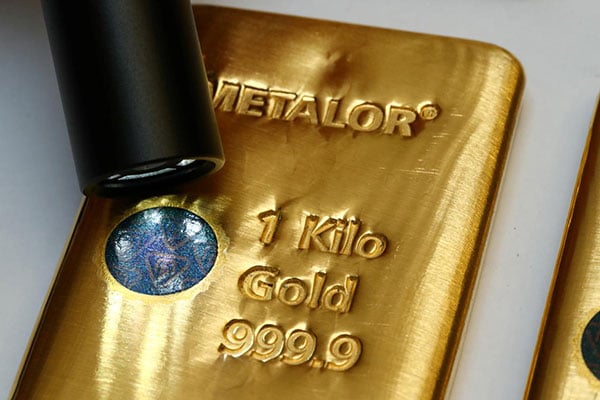
African refineries commonly produce investment-grade gold bars in a variety of sizes, including 100-gram, 250-gram, 500-gram, and 1-kilogram bars. Some refineries also manufacture customized bars for wholesale or institutional clients, subject to production schedules and minimum order quantities.
Growing refining capacity
Several African countries have invested heavily in domestic refining facilities so that gold can be refined before export rather than shipped as dore. According to the Uganda Investment Authority, Uganda has multiple gold refineries capable of producing gold with purities of up to 99.99%. Similar refining investments have also expanded in Ghana, Tanzania, Rwanda, South Africa, and other jurisdictions.
Increasing export infrastructure
Many exporters now utilize secure international logistics through major cargo airlines operating from airports such as Entebbe, Accra, Johannesburg, Dar es Salaam, Nairobi, and Addis Ababa. Professional bullion shipments typically include commercial invoices, assay certificates, certificates of origin, export permits, customs declarations, insurance documentation, and air waybills.
Important Considerations Before Buying
Although Africa offers legitimate sourcing opportunities, buyers should evaluate several important factors before entering into any transaction.
Refinery recognition
Not every refinery producing 99.99% gold is recognised internationally for bullion-bank settlement. Gold bars produced by refineries that are not included on the LBMA Good Delivery List may trade at lower resale values or require re-assaying and re-refining before acceptance by certain banks, vaults, or institutional bullion dealers. If future liquidity is important, confirm the refinery’s international recognition before purchasing.
Traceability and origin
Responsible sourcing has become a major requirement for many financial institutions, refiners, and corporate buyers. Buyers should request documentation showing the origin of the gold, including export permits, certificates of origin, assay reports, and any available chain-of-custody records. Understanding where the gold was mined helps reduce legal, commercial, and reputational risks.
Regulatory compliance
Mining laws, export procedures, royalties, and licensing requirements vary between African countries. Before committing funds, verify that the exporter holds a valid mineral dealer or exporter licence issued by the relevant government authority and that all export documentation will accompany the shipment.
Fraud prevention
High gold prices continue to attract sophisticated fraud schemes targeting international buyers. Common scams include counterfeit assay certificates, fake export permits, forged refinery documents, advance-fee requests, unrealistic discounts far below international market prices, and sellers who refuse independent inspection or secure payment methods. These warning signs should be treated as reasons to suspend the transaction until independently verified.
The Outlook for 2026
The long-term outlook for African gold remains positive. Continued investment in refining capacity, stronger government oversight, expanding formalisation of artisanal mining, and sustained global demand for physical gold are expected to keep Africa at the centre of the international bullion market.
For buyers, the opportunity lies not in finding the cheapest gold, but in purchasing legally exported, independently verified bullion from licensed suppliers using secure payment methods and insured international logistics. Careful due diligence remains the single most important factor in completing a successful gold transaction.
Where to Source Gold in Africa: Six Countries Compared
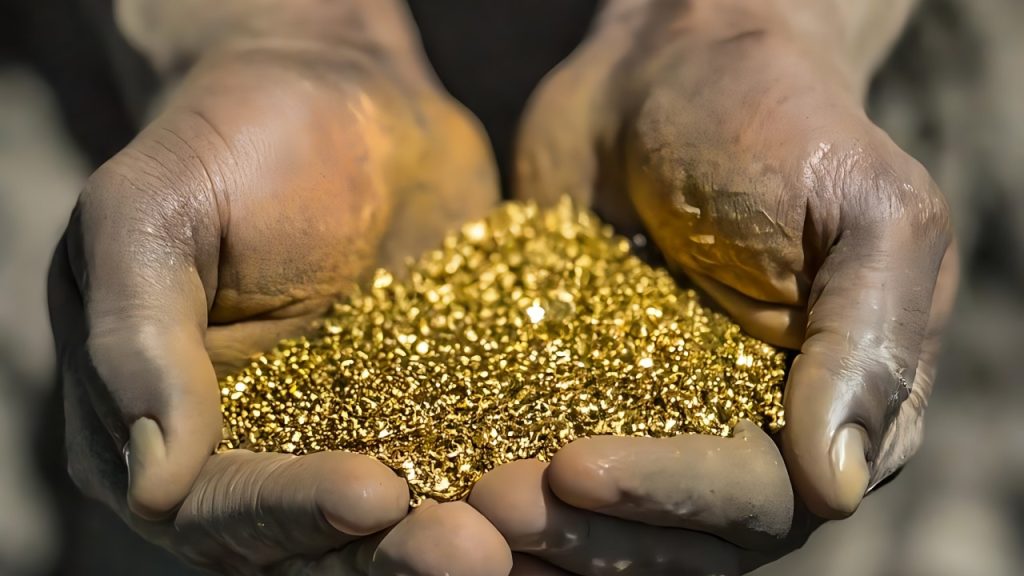
Africa is home to many of the world’s leading gold-producing nations, but the best country to source gold is not always the one producing the highest volume. International buyers should prioritize countries where mining laws are clear, export procedures are transparent, licensed dealers can be verified, and independent assaying is readily available.
Before committing to any purchase, verify the seller’s mining or trading license with the relevant government authority, confirm the chain of custody, request an independent assay certificate, and ensure all export documentation complies with local regulations. These steps significantly reduce the risk of fraud, shipment delays, or customs issues.
Important: Gold production, export rules, and licensing requirements can change. Always verify the latest regulations with the appropriate government authority before completing a transaction.
| Country | Role in the African Gold Market | Who to Verify With | Typical Export Documents | Main Caution |
| Ghana | Africa’s largest gold producer and one of the continent’s most established export markets. Produces gold from both large-scale mining companies and licensed small-scale miners. | Minerals Commission; Ghana Gold Board (GoldBod) for licensed small-scale gold traders. | Export Permit, Gold Export License, Assay Certificate, Certificate of Origin, Commercial Invoice. | Illegal mining (“galamsey”) remains widespread. Buy only from licensed exporters and verify licenses before payment. |
| Uganda | Regional gold trading, refining, and export hub serving East and Central Africa. Much of the gold exported through Uganda originates from neighboring countries before refining and export. | Directorate of Geological Survey and Mines (DGSM); Uganda Revenue Authority (URA). | Export Permit, DGSM documentation, Assay Certificate, Certificate of Origin, Commercial Invoice, Air Waybill. | Verify the documented country of origin and chain of custody, especially for cross-border gold shipments. |
| Tanzania | One of Africa’s leading gold producers, with significant industrial mining and a growing artisanal mining sector. Gold exports are regulated through licensed dealers and official mineral trading centers. | Tanzania Mining Commission. | Export License, Assay Report, Certificate of Origin, Export Declaration, Commercial Invoice. | Purchase only through licensed mineral dealers. Ensure exports comply with Mining Commission requirements. |
| South Africa | Long-established gold producer with internationally recognized refining capacity and mature financial infrastructure. Frequently used for refined bullion and investment-grade products. | Department of Mineral and Petroleum Resources (DMPR); South African Revenue Service (SARS). | Export Permit, Refinery Documentation, Assay Certificate, Commercial Invoice, Customs Declaration. | Export procedures may take longer because of strict compliance and documentation requirements. |
| Mali | One of West Africa’s largest gold producers, with significant industrial mining operations and growing artisanal production. | Ministry of Mines (and other applicable mining authorities). | Mining Export Permit, Assay Certificate, Certificate of Origin, Commercial Invoice. | Political instability, security concerns, and evolving mining legislation require enhanced due diligence before purchasing. |
| Democratic Republic of the Congo (DRC) | Rich in both industrial and artisanal gold production, particularly in eastern provinces. Supplies regional trading hubs across East Africa. | Ministry of Mines; SAEMAPE; CEEC (depending on the type of gold and export process). | Export Permit, Certificate of Origin, Assay Certificate, CEEC documentation, Commercial Invoice. | Conduct enhanced due diligence to verify legal origin, traceability, and compliance with applicable export regulations. |
Which Country Is Best for Buying Gold?
The best sourcing country depends on your priorities:
- Ghana offers one of Africa’s most established legal frameworks for gold exports and is often preferred by international buyers seeking large volumes.
- Uganda is a major regional trading and refining hub with frequent international shipments through Entebbe International Airport, making it attractive for buyers sourcing gold from East and Central Africa.
- Tanzania provides consistent production and a structured licensing system through the Mining Commission, making it suitable for buyers looking for regulated sourcing.
- South Africa is well known for refined bullion, internationally recognised refineries, and strong compliance standards, although costs and processing times may be higher.
- Mali remains a significant producer but requires careful consideration of security conditions and regulatory changes.
- The DRC offers substantial production potential but demands comprehensive due diligence because of the complexity of supply chains and traceability requirements.
For most international buyers, the safest transaction is not determined solely by the country of origin but by purchasing from a licensed exporter, obtaining an independent assay certificate, verifying export permits, confirming the certificate of origin, and ensuring the shipment is fully insured and compliant with both the exporting and importing country’s regulations. These verification steps are generally more important than production volume alone in reducing transaction risk.
Here’s a quick-comparison table to help you decide:
| Country | Licensing Speed | Typical Export Costs/Taxes | Key Risks | Export Ease & Buyer Tips |
|---|---|---|---|---|
| Ghana | Fast (2–4 weeks) | 1–3% + PMMC fees | Galamsey smuggling (formal channels safe) | Excellent; use GoldBod for ASM gold |
| Uganda | Very fast (1–2 weeks) | ~3% URA + minimal fees | Low (refining hub) | Best for Kampala buyers; visit Busia/Karamoja |
| Mali | Moderate (3–6 weeks) | 2–4% | Security, regulatory changes | Good via major mines; use escrow |
| Tanzania | Moderate (4–6 weeks) | 1% duty | Low political risk | Strong TMAA traceability |
| DRC | Slow (6–8+ weeks) | Variable + high logistics | Conflict, smuggling | High risk — only via state channels |
| South Africa | Slow (4–8 weeks) | Royalties + SARS fees | Bureaucracy, power issues | Premium but ultra-compliant |
Ethical Sourcing Note All six countries are rapidly improving standards. Ghana and Uganda now operate domestic refineries with OECD due-diligence systems and full traceability.
Look for LBMA Good Delivery bars, government assay certificates, and Responsible Gold certifications to ensure your purchase supports formal mining and local communities rather than conflict or illegal sources.
Whether you prioritise volume (Ghana), speed and proximity (Uganda), or stability (Tanzania/South Africa), starting with licensed, in-country verification is non-negotiable.
The next sections show exactly how to vet exporters and execute a risk-free transaction — no matter which African country you choose.
Uganda: East Africa’s Gold Trading and Refining Hub
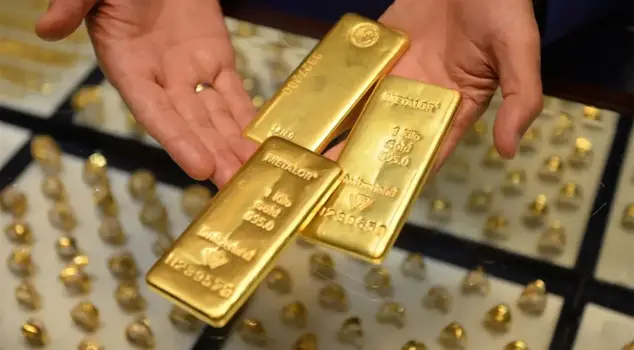
Uganda has become one of Africa’s most important gold trading and refining hubs. According to Bank of Uganda figures reported by Reuters, the country exported approximately US$5.8 billion worth of gold in 2025, a 76% increase from 2024, making gold Uganda’s largest export by value. While Uganda has domestic gold production, a significant share of the gold exported through the country originates from neighboring countries, including the Democratic Republic of the Congo (DRC) and South Sudan, before being refined and re-exported.
This regional role means buyers should evaluate not only the exporter but also the documented origin, chain of custody, and refinery used before completing a purchase.
Recent Developments in Uganda’s Gold Sector
Several developments have strengthened Uganda’s position in the regional gold market:
First large-scale commercial gold mine. In 2025, a Chinese-owned gold mining project in eastern Uganda began commercial operations following an investment reported at approximately US$250 million, marking one of the country’s first major industrial gold mines.
Bank of Uganda gold purchase programmed. On 17 April 2026, the Bank of Uganda launched a three-year pilot programmed to purchase locally mined gold as part of its reserve management strategy. The initiative aims to support formal domestic mining while increasing the country’s official gold reserves.
Strengthened licensing and regulation. Uganda has continued to tighten oversight of the gold sector. Businesses involved in buying, refining, trading, or exporting gold are generally required to hold the appropriate licenses or permits issued by the relevant government authorities and comply with tax, customs, and anti-money laundering (AML) requirements.
Why Gold Origin Matters
Because Uganda serves as a regional trading hub, verifying the country of origin is one of the most important due diligence steps for international buyers.
In March 2022, the U.S. Department of the Treasury sanctioned African Gold Refinery (AGR) in Entebbe, alleging its involvement in processing gold linked to the Democratic Republic of the Congo. The sanctions highlighted the importance of supply-chain due diligence and traceability for precious metals sourced from conflict-affected regions.
The sanctions applied to AGR specifically and should not be interpreted as applying to Uganda’s gold industry as a whole. Buyers should evaluate each supplier individually based on documentation and regulatory compliance.
Due Diligence Checklist for Buyers
Before purchasing gold from Uganda, request and verify:
- A valid gold trading, refining, or export license, where applicable.
- An independent assay certificate confirming purity.
- A Certificate of Origin showing the declared source of the gold.
- Export permits and customs documentation.
- Commercial invoice and packing list.
- Air Waybill (AWB) and shipment insurance.
- The name of the refinery that processed the gold.
- Evidence of AML/KYC compliance and legal chain of custody.
Verifying these documents before payment can significantly reduce the risk of fraud, shipment delays, customs issues, and regulatory compliance problems while helping ensure the gold has been sourced and exported through lawful channels.
Major Risks & Scams – And How to Spot Them Instantly
The high gold prices in 2026—around $5,100–$5,200 per ounce—have supercharged incentives for fraudsters across Africa.
Scams cost victims hundreds of millions annually, with recent cases in Kenya (e.g., KSh 28–37 million fake gold schemes targeting foreigners), Uganda (dozens of arrests in 2025 via Police Mineral Protection Unit), and broader East/West Africa involving fake bars and advance-fee demands.
The U.S. Department of State’s Africa Gold Advisory (updated context from 2023 onward) warns of risks like illicit financing, smuggling, corruption, and conflict links in sub-Saharan gold trade—urging enhanced due diligence to avoid inadvertently supporting malign actors.
Common Scams & How They Work
- Advance-Fee Frauds (most prevalent): Scammers pose as licensed exporters/miners offering “discounted” gold (20–40% below market). They demand upfront payments for “smelting fees,” “export taxes,” “customs clearance,” “bribes,” or “shipping insurance.” Once paid, they vanish or invent new fees. Real 2026 examples include forged documents in Uganda/South Africa networks and “African Gold Company” schemes from Cameroon.
- Fake/Counterfeit Gold: Tungsten-filled bars (dense like gold, plated thinly) or brass/lead alloys painted gold. Victims see “samples” that pass basic checks but fail assays. Recent busts: 350kg counterfeit in Nairobi (2025), KSh 37M scam with brass bars in Kenya (2026).
- Unlicensed Miners/Dealers: Sellers lack valid licenses, use fake ministry seals, or operate from conflict zones (e.g., DRC smuggling). They push rushed deals without verification.
- Document Forgery & Vanishing Acts: Fake certificates of origin, assay reports, or export permits. After partial payment, communication stops.

Real Red Flags Checklist
| Red Flag | Why It’s Suspicious | Instant Spot Check / Action |
|---|---|---|
| Gold offered 20–40% below spot price | No legitimate seller discounts this much | Compare to LBMA spot; walk away if too low |
| Requests for any upfront/advance fees | Classic advance-fee trap | Never pay; insist on escrow only |
| Refusal of independent assay/testing | Hiding fakes (tungsten/brass) | Demand third-party fire assay/XRF on-site |
| Unsolicited offers via email/WhatsApp | Scammers cold-contact | Verify via official ministry portals |
| Poor/forged documents (inconsistencies, bad formatting) | Easily faked | Cross-check licenses on gov sites (e.g., Ghana Minerals Commission, Uganda URA) |
| Pressure for quick payment/no site visit | Avoids scrutiny | Insist on in-person inspection in Kampala/Busia |
| Personal/untraceable email accounts | Hides identity | Use only verified business domains |
| “Samples” only, no bulk verification | Bait-and-switch | Test full consignment before any transfer |
Key Mitigation Steps
- Never pay cash or wire upfront—always use irrevocable escrow (e.g., international banks or services like Escrow.com) or letters of credit.
- Verify everything independently: licenses via government portals, purity via accredited labs (e.g., Uganda AGR or Swiss labs).
- Avoid “too-good-to-be-true” deals—gold at these prices has no massive discounts without risks.
- As a Kampala-based buyer, leverage local networks: visit refineries, use URA-registered exporters, and involve agents for on-ground checks.
Spot these instantly, and you eliminate 90%+ of risks. The next section details the legal framework to stay compliant and protected. Stay vigilant—safe sourcing starts with skepticism.

Gold Scams and How to Spot Them
Gold fraud remains one of the biggest risks facing international buyers, particularly those purchasing directly from unfamiliar suppliers. While many African gold exporters operate legally and professionally, fraudsters often exploit the complexity of international trade, government documentation, and customs procedures to deceive inexperienced buyers. Most scams follow a small number of recurring patterns, and nearly all of them can be avoided by refusing to release payment until the gold has been independently tested and all export documents have been verified. The U.S. Department of the Treasury’s Africa Gold Advisory (June 2023) also warns businesses about risks associated with illicit gold trading, including smuggling, corruption, sanctions exposure, money laundering, and conflict financing. Buyers should therefore conduct thorough due diligence before entering any transaction.
Advance-Fee Fraud
Advance-fee fraud is the most common scam encountered in the international gold trade. Fraudsters typically advertise gold at prices that appear significantly below the prevailing LBMA market price to attract buyers looking for exceptional bargains. Once the buyer expresses interest, the seller requests an initial payment for expenses such as refining, export permits, customs duties, insurance, government taxes, transportation, or security clearance. After receiving the first payment, additional unexpected charges are continually introduced, each presented as the final requirement before shipment can proceed. In reality, the gold is never dispatched because the seller has no intention of completing the transaction. Legitimate exporters normally recover their business costs through the agreed sale price rather than requesting multiple advance payments outside the contract.
Fake or Counterfeit Gold Bars
Another widespread fraud involves counterfeit gold bars manufactured from less valuable metals such as tungsten, brass, copper, or lead before being coated with a thin layer of real gold. In many cases, fraudsters provide a genuine sample bar for testing while planning to substitute counterfeit bars in the final shipment. This “bait-and-switch” technique creates false confidence before the buyer commits substantial funds. Independent laboratory testing should always be performed on the exact bars being purchased, not on representative samples supplied by the seller. Fire assay, X-ray fluorescence (XRF), ultrasonic testing, and density analysis provide valuable safeguards against counterfeit bullion.
Unlicensed Gold Dealers
Some individuals present themselves as licensed exporters despite having no legal authority to trade precious metals. They may display forged government licences, fake ministry stamps, fabricated export permits, or certificates copied from legitimate businesses. These sellers often claim to have direct relationships with miners or government officials and typically pressure buyers to complete transactions quickly before proper verification can take place. Before negotiating prices or signing agreements, buyers should independently verify every licence with the relevant mining authority and confirm that the company’s registration details, directors, and physical office address correspond with official government records.
Forged Documents and False Certificates
Sophisticated fraud schemes frequently rely on counterfeit documentation designed to make an illegal transaction appear legitimate. Fraudsters may produce fabricated assay certificates, certificates of origin, export permits, tax clearance certificates, shipping documents, or insurance certificates that closely resemble authentic government paperwork. Although these documents may appear convincing, inconsistencies in company names, serial numbers, dates, official seals, or signatures often reveal the forgery. Buyers should independently contact the issuing laboratory or government authority using publicly available contact information rather than relying on telephone numbers or email addresses supplied by the seller. Payment should never be released until every document has been successfully verified.
Red Flags Every Gold Buyer Should Recognize
One of the clearest warning signs is a selling price that is substantially below the current LBMA gold price without a credible commercial explanation. Genuine investment-grade gold is traded in highly competitive international markets, making unusually large discounts extremely uncommon. Offers promising gold at dramatically below market value are often designed to attract victims into advance-fee scams.
Buyers should also be cautious whenever a seller requests payment before the gold has been independently tested or before official export documents have been verified. Legitimate transactions commonly use escrow services or bank-issued Letters of Credit that protect both parties until contractual conditions have been fulfilled. Requests for direct bank transfers to cover taxes, export permits, customs charges, or security fees before shipment should be treated as serious warning signs.
A refusal to allow independent laboratory testing is another significant concern. Reputable exporters understand that professional buyers require verification of purity and authenticity and will generally cooperate with independent inspection procedures. Sellers who insist on using only their preferred laboratory or refuse additional testing altogether may be attempting to conceal counterfeit or substandard gold.
Unsolicited approaches through email, WhatsApp, Telegram, Facebook, or other social media platforms also deserve careful scrutiny. While legitimate businesses may advertise online, established licensed exporters rarely contact unknown buyers with promises of unusually cheap gold or urgent investment opportunities. Any unexpected offer should be independently verified through the relevant mining regulator before discussions proceed.
Documentation containing inconsistent company names, mismatched serial numbers, incorrect dates, spelling errors, or unofficial government stamps should immediately raise concerns. Authentic export documentation is issued by recognized authorities and should remain consistent across licenses, invoices, assay certificates, customs declarations, and shipping records. Even minor discrepancies should be resolved before payment is authorized.
Pressure tactics are another common feature of fraudulent transactions. Sellers who insist that payment must be made immediately, refuse to allow site visits, discourage independent inspections, or claim that government approvals will expire within hours are often attempting to prevent buyers from carrying out proper due diligence. Legitimate exporters understand that international gold transactions require careful verification and should not object to reasonable inspection requests.
Finally, buyers should be cautious when dealing with businesses that operate exclusively through free webmail accounts, lack a verifiable physical office, or cannot demonstrate a registered corporate presence. Professional precious-metals exporters generally maintain registered business premises, corporate email addresses, and identifiable management teams that can be independently verified.
The safest approach is to assume that every transaction requires verification, regardless of how convincing the seller appears. Confirm licenses directly with government authorities, verify assay certificates with the issuing laboratory, inspect the gold independently whenever possible, and use secure payment methods that protect both parties. Following these precautions significantly reduces the risk of fraud and helps ensure that your purchase complies with applicable mining, customs, and financial regulations.

Licenses, Documents and Import Rules
Buying gold legally from Africa requires compliance with both the exporting country’s mining laws and the import regulations of the destination country. A legitimate transaction does not end when the seller obtains an export permit; the buyer must also ensure the shipment satisfies customs, taxation, and anti-money laundering requirements in the country where the gold will arrive. Missing documents, inaccurate declarations, or non-compliance with either country’s regulations can lead to shipment delays, financial penalties, or seizure by customs authorities. For this reason, buyers should verify that the complete documentation package is available before releasing payment. The information below provides a general overview and should not be considered legal, customs, or tax advice.
Documents the Exporter Should Provide
Before any shipment leaves Africa, the exporter should provide a complete set of official documents that establish the legal origin of the gold and authorize its export. The first document is a valid mineral dealer or gold export license issued by the country’s mining authority. This license should be current, issued in the exporter’s legal company name, and correspond with the company’s registration records.
The exporter should also provide a shipment-specific export permit issued by the appropriate government authority. This permit authorizes the movement of the gold outside the country and should contain details that match the commercial invoice and shipping documents.
A certificate of origin is equally important because it identifies the country where the gold was legally mined or refined. Many importing countries require this certificate to verify the source of the precious metal and to comply with responsible sourcing policies.
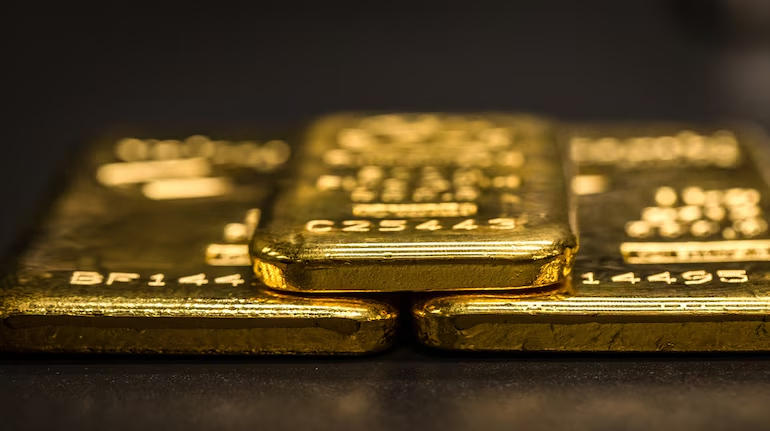
An independent assay certificate should accompany every shipment. This document confirms the weight, fineness, and purity of the gold and identifies each bar by its serial number. Buyers should verify the certificate directly with the issuing laboratory rather than relying solely on copies supplied by the seller.
The documentation package should also include evidence that all applicable taxes, royalties, export levies, and government charges have been settled where required by law. Tax clearance certificates demonstrate that the exporter has complied with local fiscal obligations before shipment.
For gold originating from countries within the Great Lakes region, including Uganda and the Democratic Republic of the Congo, buyers may also receive an International Conference on the Great Lakes Region (ICGLR) Regional Certificate. This document supports responsible mineral trade by helping demonstrate that the gold has been sourced through recognized regional due diligence procedures.
In addition to the exporter’s documents, buyers should expect to complete Know Your Customer (KYC) procedures. Financial institutions and licensed precious metals dealers commonly request company registration documents, identification, proof of address, and evidence demonstrating the lawful source of the funds used for the purchase as part of anti-money laundering compliance.
Export Rules in African Gold-Producing Countries
Export regulations vary from one African country to another, although most jurisdictions require licensed exporters, government-issued export permits, customs declarations, and compliance with anti-money laundering legislation.
In Uganda, companies exporting refined gold are generally required to hold a valid Mineral Dealer License issued under the Ministry of Energy and Mineral Development through the Directorate of Geological Survey and Mines (DGSM). Before shipment, exporters normally obtain the required export authorization and complete customs procedures with the Uganda Revenue Authority (URA). Uganda has also introduced restrictions on exporting unrefined gold to encourage domestic value addition. Because export levies, taxes, and administrative requirements may change through legislation or government policy, buyers should request written confirmation from the exporter showing the current URA assessment and applicable charges before authorizing payment.
In Ghana, gold exports are regulated through the Minerals Commission, while GoldBod plays an important role in the purchase and export of gold produced by the small-scale mining sector. Ghana operates a royalty system that links royalty payments to prevailing gold prices. Although royalties are generally the responsibility of the producer or exporter rather than the overseas buyer, these costs are normally reflected in the final purchase price quoted to international customers.
Other gold-producing countries, including Tanzania, Rwanda, Mali, and the Democratic Republic of the Congo, maintain similar regulatory systems requiring licensed dealers, government-issued export permits, certificates of origin, customs documentation, and compliance with anti-money laundering regulations. Gold exported from the Democratic Republic of the Congo may also require additional conflict-sensitive due diligence documentation depending on the origin of the material and the destination market.
Import Rules in Major Destination Markets
Import requirements differ according to the country receiving the shipment, and buyers should understand their local obligations before the gold leaves Africa.
In the United States, imported gold bullion must comply with U.S. Customs and Border Protection procedures as well as any applicable sanctions administered by the Office of Foreign Assets Control (OFAC). Buyers should ensure that neither the supplier nor the shipment is subject to sanctions or other trade restrictions before completing the transaction.
Within the European Union, investment-grade gold meeting the legal purity requirements may qualify for VAT exemptions under EU legislation. However, businesses importing significant quantities of gold may also need to comply with the European Union’s Conflict Minerals Regulation and maintain appropriate due diligence records demonstrating responsible sourcing.
In India, imported gold is subject to customs duties and taxation under regulations administered by the Central Board of Indirect Taxes and Customs (CBIC). Import duty rates have changed several times in recent years, making it essential for buyers to confirm the latest applicable rates before shipment.
In the United Arab Emirates, import procedures differ depending on whether the gold is entering a mainland business or a designated free zone. Customs documentation, VAT obligations, and regulatory requirements may vary between jurisdictions, so importers should verify the applicable procedures with the Federal Tax Authority, Dubai Customs, or the relevant free-zone authority before arranging shipment.
Ultimately, the taxes, customs duties, reporting requirements, and import procedures that apply to a shipment depend on the destination country, the purity and form of the gold, the purpose of the import, and whether the buyer is importing as a private investor or a registered business. Consulting an experienced customs broker or international trade adviser before shipment is one of the most effective ways to avoid delays, unexpected costs, or regulatory issues when importing gold from Africa.
How to Buy Gold from Africa Safely: 10 Essential Steps
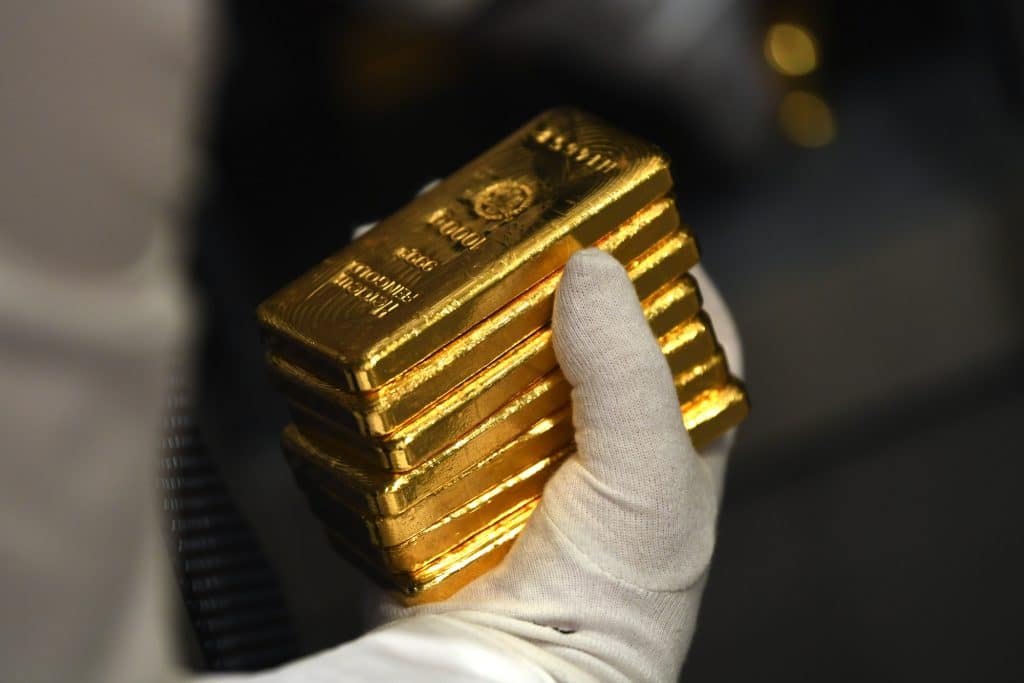
Buying gold from Africa can be a secure and profitable investment when every stage of the transaction is carefully verified. Most international buyers who encounter fraud make the mistake of paying before confirming the seller’s licenses, testing the gold independently, or reviewing the export documents. A safe transaction always follows the same order: verify the seller, inspect the gold, sign a legally binding contract, conduct independent testing, arrange secure payment, verify the export documents, ship through an insured logistics company, clear customs, and finally re-test the gold upon arrival. For first-time buyers, the complete process usually takes between seven and twenty-one days, depending on government approvals, laboratory testing, banking procedures, and customs clearance.
Step 1: Shortlist Licensed Gold Exporters
The first step is to identify companies that are legally licensed to trade and export gold. Rather than relying on internet advertisements, social media, or introductions through messaging applications, begin your search with the country’s official mining regulator. In Uganda, this is the Directorate of Geological Survey and Mines (DGSM), while in Ghana it is the Minerals Commission together with GoldBod. Other African countries have similar regulatory authorities that publish or maintain records of licensed exporters. Create a shortlist of at least three to five companies and compare their licensess, years of operation, office locations, export experience, and reputation before requesting quotations. A company that cannot demonstrate a valid licenses or refuses to provide basic business information should be avoided.
Step 2: Verify Every Licenses Independently
Receiving a copy of an export licenses is only the beginning of the verification process. A scanned document or PDF should never be accepted as proof that a company is genuinely authorized to export gold. Request the licenses number, company registration details, tax identification number, and physical business address, then verify this information directly with the issuing authority whenever possible. Confirm that the licenses has not expired and that the company name, directors, and registered address match the official business records. Independent verification is one of the most effective ways to prevent fraud because forged licensess are often created to appear genuine.
Step 3: Visit the Seller or Hire an Independent Representative
Whenever possible, inspect the company’s office and the gold personally before entering into any agreement. During the visit, examine the gold bars, observe the storage conditions, verify the serial numbers, and assess whether the business operates professionally. Meeting the company’s management and reviewing its facilities provides confidence that the transaction involves a legitimate exporter rather than an intermediary with no physical presence. If travelling to Africa is not practical, appoint an independent inspection company, precious-metals consultant, or experienced local lawyer to inspect the goods on your behalf. The representative should be selected independently and should never be recommended solely by the seller.
Step 4: Sign a Comprehensive Sale and Purchase Agreement
Before any money changes hands, both parties should sign a detailed Sale and Purchase Agreement that clearly defines every aspect of the transaction. The agreement should specify the quantity of gold being sold, the agreed purity, the pricing formula based on the LBMA gold price and any premium, the payment method, the testing laboratory, delivery arrangements, insurance responsibilities, export documentation, and procedures to follow if the assay results do not meet the agreed specifications. Having the contract reviewed by your own legal adviser provides additional protection and ensures that your interests are properly represented throughout the transaction.
Step 5: Test the Gold Through an Independent Laboratory
Independent laboratory testing is one of the most important safeguards when purchasing investment gold. The laboratory should be selected by the buyer or agreed jointly by both parties rather than chosen exclusively by the seller. Fire assay remains the internationally recognized method for determining the precise purity of gold, while X-ray fluorescence (XRF) provides a rapid, non-destructive analysis of the metal’s surface composition. Additional techniques such as ultrasonic and density testing can help detect hidden tungsten cores or other forms of adulteration. The laboratory should examine the actual bars being purchased rather than a separate sample presented for demonstration purposes.
Step 6: Use Escrow or a Letter of Credit
Secure payment arrangements protect both the buyer and the seller throughout the transaction. Instead of transferring funds directly to the exporter, buyers should consider using a bank-issued Letter of Credit, Documentary Letter of Credit, or a licensed escrow service that releases payment only after agreed contractual conditions have been satisfied. Payment should normally be released only after the independent assay confirms the agreed purity and all export documentation has been successfully verified. Buyers should never send money in advance for alleged government taxes, customs fees, security deposits, or clearance charges requested by the seller, as these demands are frequently associated with fraudulent schemes.
Step 7: Collect and Verify All Export Documents
Before shipment, carefully examine every export document to ensure the transaction complies with applicable regulations. The documentation typically includes the export permit, commercial invoice, certificate of origin, assay certificate, packing list, insurance certificate, Air Waybill, customs export declaration, tax clearance documents, and, where applicable, the ICGLR Regional Certificate. Every document should contain consistent information regarding the exporter, purchaser, gold weight, purity, shipment details, and individual bar serial numbers. Even minor inconsistencies should be clarified before payment is released or the shipment leaves the exporting country.
Step 8: Ship Through an Insured Bullion Logistics Company
Gold should always be transported by a reputable logistics company that specializes in high-value precious metals. International bullion carriers such as Brink’s, Malca-Amit, G4S Cash Solutions, and other licensed secure logistics providers have established procedures for handling valuable cargo safely. Comprehensive insurance should remain in effect from the moment the gold is collected until it reaches the buyer’s nominated vault or storage facility. Before shipment begins, request written confirmation of the insurance coverage, transportation route, delivery schedule, and liability arrangements so that every stage of the journey is fully documented.
Step 9: Complete Customs Clearance at the Destination
Successful importation requires careful preparation before the shipment arrives. An experienced customs broker should be appointed in the destination country to prepare import declarations, calculate any applicable duties or taxes, and ensure compliance with local customs procedures and precious-metals regulations. Early preparation reduces the risk of delays, storage charges, or documentation errors that could affect the timely release of the shipment. Maintaining close communication with both the customs broker and the logistics provider helps ensure a smooth import process.
Step 10: Re-Test the Gold and Store It Securely
Once the shipment has been delivered, arrange for a second independent assay to confirm that the gold received matches the agreed purity and weight stated in the purchase documents. This final verification provides additional assurance that no substitution or tampering occurred during transportation. After the verification is complete, store the gold in a professional bullion vault, a secure bank vault, or another insured high-security storage facility. Retain every original document associated with the purchase, including contracts, assay certificates, invoices, shipping records, insurance documents, and customs declarations, as these records will be valuable for future resale, insurance claims, or regulatory compliance.
What a Genuine Assay Certificate Should Show
A genuine assay certificate is an official laboratory document that identifies one specific gold bar or shipment and records the scientific results of its purity analysis. An authentic certificate should clearly display the laboratory’s name, physical address, accreditation or registration number, certificate number, date of issue, and the testing method used during the examination. It should also identify each gold bar by its serial number, state the gross weight and measured fineness, specify the purity percentage, and include the name, signature, and official stamp of the authorized assayer. Buyers should never rely solely on photographs or scanned copies supplied by the seller. Instead, they should contact the laboratory directly using independently obtained contact information to confirm that the certificate number is genuine and that the results correspond to the gold being purchased. If the laboratory cannot verify the certificate or if the serial numbers differ from those marked on the bars, the transaction should not proceed until the discrepancy has been fully resolved.
How to Verify Purity & Authenticity Like a Pro
Fire Assay — the gold standard (destructive but 99.99% accurate). XRF — non-destructive handheld test for quick checks. Ultrasonic & density tests — extra layers.
In Uganda, use the African Gold Refinery (AGR) in Entebbe or government-approved labs. They issue stamped certificates showing exact fineness (e.g., 999.9).
What a real certificate looks like: Serial number, date, assayer signature, photo of bars. Never accept photocopies.

Secure Payments, Escrow & Logistics
Payment options with Buy Gold in Africa:
- Bank-to-bank USD (most common)
- Irrevocable Letter of Credit (LC)
- Regulated USDT escrow
- No crypto-only deals without escrow
Logistics: Brinks or Malca-Amit insured flights direct to Zurich, Dubai, Singapore, or your home country. USA/EU/Asia clients receive full import guidance. Average delivery: 7–14 days from payment.
Why Buy Gold in Africa Is the Safest Choice in 2026
Buy Gold in Africa stands apart because:
- Registered Ugandan company with full MEMD licenses
- On-ground Kampala team (no overseas brokers)
- 99.99% purity guarantee with buyer-present testing
- Flexible minimums from 1 kg upwards
- Verified client testimonials (2025–2026 deliveries)
- 24/7 English-speaking support
- Transparent pricing updated daily against LBMA spot
Ready to buy? Click our “Buy Now” page or WhatsApp for instant quote.
Ethical Sourcing, Investment Benefits & Long-Term Storage
Demand OECD Due Diligence and Fairmined certifications.
Investment Benefits: Diversify 5–10% of portfolio in physical gold.
Storage: LBMA vaults or insured home safes.
FAQs: 12 Most-Asked Questions
1. Is it legal to import gold from Africa to the United States or Europe?
Yes, importing gold from Africa is generally legal provided both the exporting and importing country’s laws are followed. Buyers must ensure the shipment includes the required export permits, commercial invoice, certificate of origin, assay certificate, customs declarations, and shipping documents. Import requirements vary by country, so always check the regulations of your destination before purchasing.
2. What is the minimum quantity I can buy?
The minimum purchase depends on the supplier rather than the law. Many licensed African exporters accept orders starting from 1 kilogram, while larger wholesale transactions commonly range from 5 kg to several hundred kilograms. New buyers often begin with a smaller order to verify the supplier, documentation, and shipping process before placing larger purchases.
3. Can I buy gold directly from African miners?
In most African countries, international buyers cannot simply purchase gold directly from individual miners. Gold intended for export is generally required to pass through licensed dealers, exporters, refiners, or government-approved trading channels. Purchasing through a licensed exporter helps ensure compliance with local mining laws and export regulations.
4. How long does the buying and export process take?
A typical international gold transaction takes 7 to 21 days, depending on documentation, assay testing, export permit approval, customs clearance, payment arrangements, and the destination country. Express shipments may arrive within a few business days once export clearance has been completed.
5. What gold purity should I require?
For investment-grade bullion, buyers should request 99.9% (999) or 99.99% (9999) purity confirmed by an independent assay certificate. If purchasing doré bars, nuggets, or gold dust, remember these products usually contain lower purity levels and are commonly refined after purchase.
6. What documents should I receive before making payment?
Before sending funds, ask for copies of the supplier’s license, assay certificate, certificate of origin, export permit, commercial invoice, packing list, insurance details, and proposed shipping documents. Legitimate exporters should be willing to provide documentation for verification before final payment is made.
7. Are there hidden fees when buying African gold?
A legitimate transaction should clearly identify all costs in advance. These may include the gold price, refining charges (where applicable), shipping, insurance, customs fees, taxes, export levies, and banking charges. Be cautious of sellers who request unexpected “government fees,” “release charges,” or additional payments after the transaction has already begun.
8. How can I avoid fake gold or tungsten-filled bars?
Always use an independent inspection process before accepting delivery. Professional verification may include X-ray fluorescence (XRF) testing, fire assay, density testing, ultrasonic testing, weight and dimension checks, and verification of refinery serial numbers. Never rely solely on photographs or certificates provided without independent confirmation.
9. Can I visit the mine, refinery, or seller before buying?
Yes. Many legitimate suppliers allow qualified buyers to visit their offices, refineries, or approved mining sites after appropriate arrangements have been made. A site visit allows buyers to verify licenses, inspect operations, review documentation, and meet the people responsible for the transaction before committing to a significant purchase.
10. What is the safest way to pay for an international gold purchase?
For large transactions, buyers commonly use secure payment methods such as Letters of Credit (LC), Documentary Letters of Credit (DLC), escrow services, or bank-to-bank SWIFT transfers with clearly defined contractual milestones. Avoid suppliers who insist on cryptocurrency, cash-only payments, or full advance payment without proper documentation and contractual safeguards.
11. Which African country is safest for buying gold?
There is no single “best” country for every buyer. Ghana, Uganda, Tanzania, and South Africa all have established legal gold markets, but the safest transaction depends on working with a licensed exporter, verifying documentation, confirming the gold’s origin, and conducting independent assays. The supplier’s transparency and compliance are generally more important than the country itself.
12. How do I begin buying gold from Africa?
Start by selecting a licensed exporter with a verifiable business presence. Request copies of licenses, assay reports, export documentation, and identification of the refinery before discussing pricing. Review the contract carefully, agree on secure payment terms, confirm shipping and insurance arrangements, and verify all documents with the relevant government authorities before transferring funds.
Conclusion & Final
Buying gold from Africa safely in 2026 is simple when you follow the right partner. Avoid scams, meet legal requirements, verify purity in person, and use insured logistics.
Buy Gold in Africa has perfected this exact process for international buyers just like you.
Ready to buy gold from Africa safely? Contact Buy Gold in Africa today for your personalised 2026 quote and secure transaction.