Gold Sourcing from Africa | Legal Buyer’s Guide (2026)
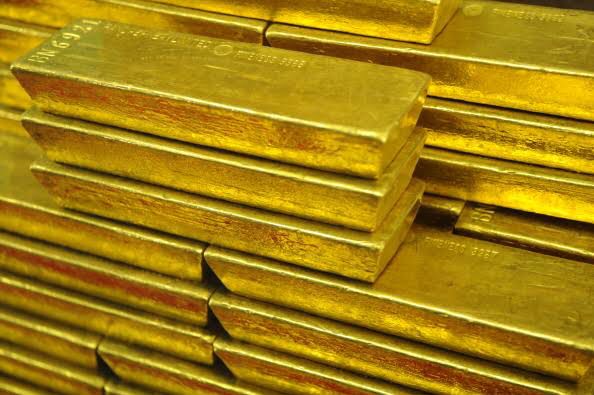
Gold sourcing from Africa is the process of purchasing gold from legally operating mines, licensed exporters, refiners, or authorized dealers across African countries. Depending on the supplier and local regulations, buyers may source investment-grade gold bars, gold nuggets, gold dust, or doré bars for investment, refining, jewelry manufacturing, or international trade.
Africa is one of the world’s most important gold-producing regions, with major producers including Ghana, South Africa, Mali, Tanzania, the Democratic Republic of the Congo (DRC), and Uganda. The continent supplies a significant share of the global gold market, attracting investors, bullion dealers, refiners, and manufacturers looking for reliable sources of precious metals. However, sourcing gold internationally also requires careful attention to supplier verification, export documentation, payment security, and compliance with the laws of both the exporting and importing countries.
This guide is designed for international buyers, investors, jewelers, refiners, and businesses that want to understand how to source gold from Africa safely and legally. You’ll learn how the African gold supply chain works, how to identify legitimate suppliers, the documents you should request before purchasing, common scams to avoid, pricing factors, shipping options, and the legal requirements involved in importing and exporting gold.
If you decide to purchase gold from Africa, working with a licensed supplier that provides transparent documentation, independent purity verification, and clear transaction procedures can help reduce risk. Buy Gold in Africa is a Uganda-based gold sourcing and export company that assists eligible buyers with gold procurement, documentation, and international shipments in accordance with applicable laws and regulations. If you would like assistance, you can contact us to discuss your sourcing requirements.

Why Source Gold from Africa?
Africa plays a significant role in the global gold industry, with many of the world’s leading gold-producing countries located across the continent. Nations such as Ghana, South Africa, Mali, Tanzania, the Democratic Republic of the Congo (DRC), Uganda, and Burkina Faso contribute substantially to global gold production and supply international markets with gold for investment, jewelry manufacturing, and industrial use.
The continent offers access to a wide range of gold products, including gold dust, nuggets, doré bars, and refined bullion. For international buyers, Africa can provide diverse sourcing opportunities through licensed miners, refiners, exporters, and bullion dealers. However, successful sourcing depends on proper due diligence, supplier verification, and compliance with applicable export and import regulations.
Key Advantages of Sourcing Gold from Africa
1. Access to Major Gold-Producing Countries
Africa is home to several of the world’s largest gold-producing nations, giving buyers access to established mining industries, regional refining capacity, and a broad network of licensed exporters and bullion suppliers.
2. Wide Range of Gold Products
Depending on the supplier and country, buyers may purchase:
- Gold doré bars
- Refined bullion bars
- Gold nuggets
- Gold dust
- Investment-grade bullion
This variety allows wholesalers, refiners, jewelry manufacturers, and investors to source products that match their commercial requirements.
3. Competitive Commercial Opportunities
Gold prices are generally linked to the international spot market. The final transaction price depends on factors such as gold purity, assay results, refining costs, transportation, insurance, taxes, and the commercial terms negotiated between the buyer and seller. Buyers may find competitive commercial opportunities by comparing offers from multiple licensed suppliers rather than relying on unusually low prices.
4. Growing Global Demand
International demand for responsibly sourced gold continues to grow as central banks, investors, manufacturers, and jewelry companies seek reliable suppliers and diversified sources of precious metals. Many African producers and exporters have expanded their refining capabilities and compliance procedures to serve international markets.
5. Long-Term Gold Resources
Africa contains some of the world’s largest gold reserves and continues to attract investment in exploration, mining, refining, and mineral processing. These resources support long-term production and make the continent an important supplier within the global gold market.
Understanding Gold Purity
One of the most common misconceptions is that all African gold is sold as 24-karat (99.9% pure). In reality, the form and purity of gold depend on where it is in the production process.
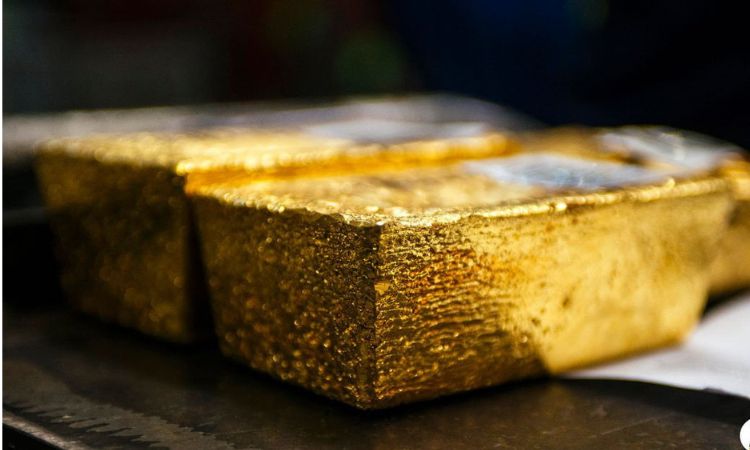
Many mines initially produce gold doré bars, which are semi-refined bars containing gold mixed with silver and other metals. Doré bars often contain approximately 80% to 95% gold, although the exact purity varies by mine and batch. An independent laboratory assay is used to determine the recoverable gold content before final pricing and settlement.
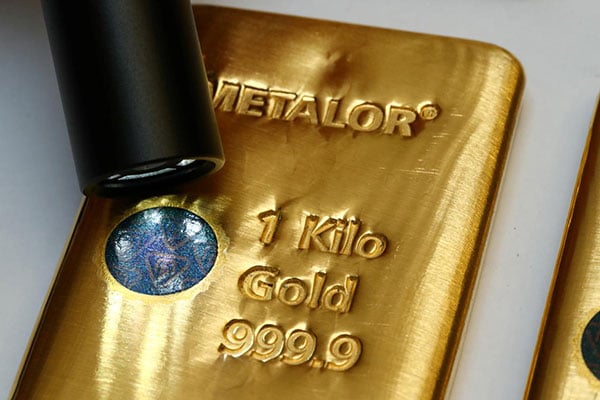
After professional refining, gold can be produced as investment-grade bullion with a purity of 99.5% to 99.99%, commonly marketed as 24-karat gold. Buyers should therefore review assay reports and product specifications rather than assuming all gold is already investment grade.
Understanding the difference between doré gold and refined bullion helps buyers evaluate quotations accurately, estimate refining costs, and make informed purchasing decisions.
This version avoids unsupported marketing claims while still highlighting why Africa is an important sourcing region and educating buyers about how gold purity and pricing actually work.
Top gold-producing countries in Africa:
-
Ghana: Africa’s largest producer (over 140 tons/year)
-
South Africa: Historic mining hub with high-tech operations
-
Uganda: Rising exporter with streamlined regulations
-
DRC: Massive reserves but ethical sourcing challenges
-
Tanzania: Growing artisanal mining sector
For buyers seeking safe gold investment in Africa, partnering with verified suppliers ensures compliance and quality.
Responsible & Ethical Gold Sourcing
Ethical gold sourcing is critical to minimize environmental impact, prevent human rights violations, and avoid conflict gold (gold mined in war zones or by forced labor).
In recent years, Africa has launched a responsible mineral sourcing ecosystem (launched in 2024, completed by February 2025) to build a transparent, compliant mining industry.
Why ethical sourcing matters:
-
Environmental Protection: Prevents mercury/cyanide pollution from unregulated artisanal mining.
-
Human Rights: Ensures miners receive fair wages and safe working conditions.
-
Legal Compliance: Avoids fines, import bans, and reputational damage from sourcing conflict gold.
-
Consumer Trust: Jewelers and investors increasingly demand certified ethical gold.
How Buy Gold in Africa ensures compliance:
-
Licensed Operations: We hold all required Uganda mining and trading licenses.
-
Certified Lab Testing: Every gold batch undergoes XRF purity analysis in certified facilities.
-
Transparent Documentation: We provide full traceability from miner to buyer.
-
No Conflict Gold Policy: We strictly avoid gold from unverified or war-zone sources.
Gold Sourcing in Uganda
Uganda has become one of Africa’s fastest-growing gold trading and export hubs, attracting buyers from the United States, Europe, the Middle East, and Asia. Although Uganda has domestic gold production, it also serves as a regional trading center where legally sourced gold from neighboring countries may be refined and exported. This makes supplier verification especially important, as buyers should understand both the origin of the gold and the legal export process before entering into any transaction.
For international investors, jewelers, bullion dealers, and wholesalers, Uganda offers access to gold bars, gold nuggets, gold dust, and doré bars at competitive market prices. However, successful sourcing depends on working with licensed exporters, verifying documentation, confirming gold purity through independent testing, and complying with both Ugandan export laws and the import regulations of the destination country.
Regulations
Gold mining, trading, refining, and exports are regulated under Uganda’s Mining and Minerals Act, 2022, together with related customs, taxation, and anti-money laundering (AML) requirements. Companies involved in exporting gold should hold the appropriate government licenses and comply with due diligence procedures designed to improve transparency within the precious metals supply chain.
Before purchasing, buyers should confirm that the exporter is legally registered, holds the necessary authorizations, and can provide complete documentation demonstrating that the gold has been sourced and exported in accordance with Ugandan law. Independent verification is one of the most effective ways to reduce the risk of fraud.
Gold Purity and Available Products
Ugandan suppliers commonly offer several types of gold depending on the needs of the buyer. Products may include gold doré bars, refined bullion bars, gold nuggets, gold dust, and occasionally investment-grade bullion refined to high purity.
Most commercial shipments range from approximately 22-karat to 24-karat gold, while investment bullion may reach 99.5% to 99.99% purity after refining. Every shipment should be supported by an assay certificate stating the gold’s weight, purity, and composition. Many professional buyers also arrange independent laboratory testing before making final payment.
Export Process
A legal gold export from Uganda involves several verification and documentation steps before the shipment leaves the country. While individual transactions may differ, buyers should normally expect the exporter to provide:
- A signed sales contract
- Commercial invoice
- Independent assay certificate
- Export permit
- Customs export declaration
- Certificate of origin (where applicable)
- Packing list
- Airway bill or other transport documentation
- Insurance documents, if included in the shipment
Before shipping, many international buyers also complete KYC and AML checks, verify the supplier’s business registration, and confirm payment terms through secure banking channels or escrow arrangements.
Taxes and Government Fees
Gold exports may be subject to government levies, customs charges, inspection fees, royalties, and other official costs depending on the current regulations and the type of gold being exported. These costs can change over time, so buyers should request a detailed quotation showing the purchase price, government charges, transport costs, insurance, and any additional service fees before committing to a transaction.
A transparent supplier should clearly explain every cost rather than introducing unexpected fees after payment has been made.
Common Risks
Although Uganda has many legitimate gold exporters, buyers should remain cautious of fraudulent schemes that frequently target international investors. Some scammers advertise gold at prices far below the global spot market, use forged export licenses or fake assay reports, or request large advance payments before providing verifiable documentation.
Other warning signs include pressure to pay quickly, cryptocurrency-only payment requests, refusal to allow independent inspections, inconsistent company information, and suppliers who cannot explain the legal origin of the gold. Performing comprehensive due diligence before transferring funds significantly reduces these risks.
Buyer Tips
To improve the likelihood of a successful purchase, work only with licensed exporters that can demonstrate a verifiable business history and provide complete documentation. Confirm gold purity through an independent assay laboratory whenever possible, compare the offered price with the current international spot price, and verify every government-issued document before making payment.
For high-value transactions, consider using escrow services or documentary letters of credit, arrange independent inspections before shipment, and ensure the shipment is fully insured during international transport. Taking these precautions helps protect your investment while ensuring compliance with international trade and financial regulations.
How Buy Gold in Africa Works
Buy Gold in Africa is a certified 24K gold buyer headquartered in Kampala, Uganda, specializing in transparent, secure, and compliant gold trading for local miners and international buyers.
Our streamlined process ensures you get the best price for your gold with zero hassle.
Step-by-step process:
-
Contact Us: Reach us via phone, WhatsApp, or email for instant consultation.
-
Gold Appraisal & Purity Testing: Our certified lab performs XRF testing to determine exact purity (24K, 22K, 18K).
-
Instant Offer at Live Market Rate: We quote prices based on real-time global spot prices plus local premiums.
-
Secure Payment & Pickup/Delivery: Payment is processed instantly via bank transfer, mobile money, or cash, with optional pickup/delivery.

Benefits of choosing Buy Gold in Africa:
Why trust Buy Gold in Africa?
-
Certified 24K Expertise: We specialize in highest-purity gold trading.
-
Proven Track Record: Hundreds of successful transactions with miners and investors.
-
Local Presence: Visit our Kampala office for face-to-face transactions.
-
Global Reach: We ship gold internationally with full customs compliance.
Price Calculation Example: How Gold Dore Is Priced
Unlike investment-grade bullion, gold dore is generally priced according to its recoverable fine gold content, not simply its gross weight. Buyers and sellers typically agree on a pricing formula based on the international spot price, the confirmed gold purity after assay, the refinery’s payable percentage (if applicable), and agreed refining or processing charges.
A simplified way to understand the calculation is:
Final Price = (Spot Price × Recoverable Gold Content) − Refining & Assay Fees ± Other Agreed Charges
Worked Example
The following example is illustrative only and uses hypothetical figures to demonstrate how pricing may be calculated.
| Item | Example |
| Gross dore weight | 10.00 kg |
| Assayed gold purity | 92.0% |
| Recoverable fine gold | 9.20 kg |
| Spot gold price | US$140 per gram |
| Gross gold value | 9,200 g × US$140 = US$1,288,000 |
| Refining charge | US$8,000 |
| Assay fee | US$1,500 |
| Other agreed deductions | US$500 |
| Estimated payable value | US$1,278,000 |
Step-by-Step Calculation
- Determine the gross shipment weight.
The shipment weighs 00 kilograms. - Confirm the gold purity through assay.
The independent assay reports 0% gold. - Calculate the recoverable fine gold.
00 kg × 92.0% = 9.20 kg (9,200 grams) of fine gold. - Calculate the gross metal value.
9,200 g × US$140 = US$1,288,000 - Subtract agreed commercial costs.
- Refining: US$8,000
- Assay: US$1,500
- Other agreed deductions: US$500
- Estimated final settlement.
US$1,288,000 − US$10,000 = US$1,278,000
Why the Final Payment May Differ
The amount ultimately paid for a dore shipment may differ from the initial estimate because commercial contracts can include additional terms, such as:
- Final assay results from the receiving refinery.
- The agreed payable percentage for the recovered gold.
- Refining, treatment, and assay charges.
- Transportation and insurance costs.
- Taxes, duties, or other government fees where applicable.
- Currency exchange rates if settlement is not made in U.S. dollars.
For this reason, buyers should carefully review the pricing formula in the sales contract before completing a transaction. Understanding how the final settlement is calculated helps prevent disputes and allows buyers to compare offers from different suppliers on a consistent basis.
Live Gold Prices in Africa (2026)
Understanding live gold prices in Africa is essential for maximizing your investment returns.
Below are current rates for 24K, 22K, and 18K gold per gram in UGX (Ugandan Shilling) and USD, compared to the global spot price.
Gold pricing table (2026):
| Purity | Price per gram (UGX) | Price per gram (USD) |
|---|---|---|
| 24K (99.9%) | 509,374 UGX | $135.76 |
| 22K (91.6%) | 467,126 UGX | $124.50 |
| 18K (75.0%) | 382,222 UGX | $102.00 |
| Global Spot (24K) | 507,000 UGX | $135.76 |
Note: Buy Gold in Africa offers the best rates in Uganda, often 2–3% above market average.
Why do gold prices fluctuate?
-
Global Economic Trends: Inflation, currency devaluation, and geopolitical instability drive demand.
-
Supply/Demand Balance: Mining output vs. buyer demand affects local prices.
-
Currency Exchange Rates: UGX/USD fluctuations impact local pricing.
-
Seasonal Patterns: Festival seasons (e.g., Eid, Christmas) increase jewelry demand.
Buy Gold in Africa updates prices daily based on London Bullion Market (LBMA) and COMEX data, ensuring you get the most accurate, competitive rates.
Top African Gold Sourcing Countries
Each African country offers unique advantages for gold sourcing.
Below is a mini-guide to the top 5 gold-producing nations:
Tips for international buyers visiting these countries:
-
Verify Licenses: Ensure suppliers hold valid mining/trading licenses.
-
Use Certified Labs: Always test gold purity before payment.
-
Avoid Cash-Only Deals: Use bank transfers for traceability.
-
Comply with Export Laws: Obtain necessary export permits before shipping.
-
Partner with Trusted Buyers: Work with firms like Buy Gold in Africa for seamless transactions.
For buyers in East Africa, Uganda offers the most accessible regulatory framework and competitive pricing.
How to Find Trusted Gold Sellers in Africa
Finding trusted gold sellers in Africa requires careful verification to avoid scams, counterfeit gold, or legal issues.
Follow these steps:
Verification checklist:
-
Verify Certifications & Licenses: Check for mining licenses, trading permits, and export certifications.
-
Check Reviews & References: Look for Google reviews, testimonials, and industry references.
-
Use Lab Testing for Purity: Always demand XRF or fire assay testing before payment.
-
Avoid Cash-Only Deals: Use bank transfers or mobile money for transaction records.
-
Confirm Legal Compliance: Ensure the seller follows Uganda Mining Act and international guidelines.
Why Buy Gold in Africa is verified & trusted:
-
Fully Licensed: Held by Uganda’s Ministry of Minerals.
-
Certified Lab: XRF testing with 99.9% accuracy.
-
Proven Track Record: Hundreds of successful transactions.
-
Transparent Pricing: No hidden fees; live market rates.
-
International Compliance: Meets OECD and Kimberley Process standards.
A step-by-step legal export guide for Uganda
1. Complete Uganda Gold Export Guide
A comprehensive, step-by-step guide explaining the legal process of exporting gold from Uganda. Learn which government approvals, export permits, assay certificates, ICGLR certificates (where applicable), customs documents, taxes, royalties, and shipping requirements are needed to move gold legally and efficiently to international markets.
2. Legal Export Process Explained
Understand every stage of Uganda’s gold export process, from verifying the supplier and preparing export documents to customs clearance and international shipping. This guide covers required paperwork, ICGLR certification, government fees, taxes, royalties, compliance requirements, and realistic timelines for completing a legal export.
3. Documents, Taxes, and Customs Checklist
Discover the documents required to legally export gold from Uganda, including export permits, assay certificates, commercial invoices, customs declarations, ICGLR certificates where applicable, and certificates of origin. The guide also explains export taxes, royalties, customs procedures, and estimated processing times.
4. Export Gold from Uganda Legally
Follow a practical step-by-step roadmap for exporting gold from Uganda while complying with national regulations and international trade requirements. Learn about licensing, mandatory documentation, ICGLR compliance, customs inspections, taxes, royalties, shipping procedures, and common delays to avoid.
5. Uganda Gold Export Compliance Guide
Everything buyers and exporters need to know about Uganda’s legal gold export requirements. This section explains the complete export workflow, required government documents, ICGLR certificates where applicable, customs clearance, taxes, royalties, logistics, and realistic timelines from purchase to international delivery.
6. From Purchase to International Delivery
Learn how gold is legally exported from Uganda, beginning with supplier verification and ending with customs clearance and overseas shipment. This guide explains each step of the export process, including required permits, assay reports, ICGLR certification where applicable, export taxes, royalties, customs documentation, shipping logistics, and expected processing timelines.
Dore Gold vs. Refined Gold Bars: What Buyers Actually Receive
Not all gold sold in Africa is investment-grade bullion. Many mining operations produce gold dore bars, which are semi-refined and require further refining before reaching high-purity bullion standards. Understanding the difference between dore and refined gold bars helps buyers estimate the true value of a shipment and avoid unexpected refining costs or assay adjustments.
| Feature | Gold Dore Bars | Refined Gold Bars |
| What it is | A semi-refined gold bar produced at or near the mine that contains gold mixed with varying amounts of silver and other metals. | A fully refined bullion bar that has been processed to a specified high purity. |
| Typical purity | Often varies by producer and batch, commonly around 70%–95% gold, depending on the refining stage. | Common investment-grade bullion is 99.5% to 99.99% purity, depending on the product and market. |
| Appearance | Rough surface, irregular shape, and variable finish because it has not undergone final refining. | Smooth, uniform bars with consistent dimensions and a professional finish. |
| Final purity confirmation | Requires an assay after refining to determine the recoverable gold content. | Purity has already been verified during the refining process and is typically stated on the bar and supporting documentation. |
| Who typically buys it? | Refineries, bullion traders, industrial buyers, and experienced wholesale buyers capable of managing refining. | Investors, banks, bullion dealers, jewelry manufacturers, and retail buyers seeking high-purity gold. |
| Pricing basis | Usually negotiated based on the estimated recoverable gold content rather than the total bar weight. | Generally priced using the international spot price plus or minus applicable premiums, fabrication costs, and market conditions. |
| Additional processing | Requires refining before it becomes investment-grade bullion or manufacturing material. | Normally ready for investment, storage, resale, or manufacturing without additional refining. |
| Assay requirements | Independent assay is strongly recommended because the actual gold content determines the final settlement value. | An independent assay may still be requested for large transactions, but the bar is typically supplied with refinery documentation. |
| Refining costs | Buyers should expect refining charges and possible deductions for impurities, processing losses, and other commercial terms agreed with the refinery. | No additional refining is normally required, although verification and logistics costs may still apply. |
| Settlement risk | Final payable gold content may differ from preliminary estimates until refining and final assay are completed. | Lower uncertainty because purity has already been established, subject to verification if requested. |
How Refining and Assay Affect the Final Price
When purchasing gold dore, the quoted price is usually not based on the total weight of the bar, but on the amount of recoverable fine gold determined after refining and final assay. During refining, non-gold metals such as silver, copper, and other impurities are removed. The final settlement therefore depends on the confirmed gold content rather than the gross weight of the shipment.
In commercial transactions, the buyer and seller typically agree in advance how the final payable amount will be calculated. The agreement may take into account the independently verified assay results, refining charges, processing fees, transport and insurance costs, and any other commercial deductions specified in the contract. Because these terms vary between transactions and refiners, buyers should review the settlement formula carefully before completing a purchase.
Which Is Better for International Buyers?
For most investors, bullion dealers, and first-time international buyers, refined gold bars are generally the simpler option because their purity has already been established and they require no additional refining before resale or investment.
Gold dore bars are more commonly purchased by professional refineries, experienced bullion traders, and industrial buyers who have the expertise and commercial arrangements needed to manage refining, assay verification, and final settlement.
Country Comparison: Buying Gold Across Africa
This table provides a high-level comparison of some of Africa’s major gold sourcing destinations. Actual regulations, taxes, and export requirements vary by transaction and may change over time.
| Country | Common Gold Products | Typical Purity Available | Export Complexity | Buyer Risk* | Best For |
| Uganda | Dore bars, refined bars, nuggets, gold dust | 22K–24K, refined bullion available | Moderate | Moderate | International wholesalers, bullion dealers |
| Ghana | Dore bars, bullion, nuggets | Dore to 99.99% refined | Moderate | Low–Moderate | First-time international buyers |
| Tanzania | Dore bars, bullion, concentrates | 22K–24K | Moderate | Moderate | Wholesale buyers and refiners |
| DRC | Dore bars, nuggets | Usually semi-refined | High | Higher | Experienced buyers with strong due diligence |
| Mali | Dore bars | High-grade dore | Moderate–High | Moderate | Professional bullion traders |
| Rwanda | Refined bullion, dore | High-purity bullion available | Moderate | Low–Moderate | Buyers seeking traceable supply chains |
| South Africa | Investment bullion, minted bars | 99.5%–99.99% | Lower | Lower | Investors and institutional buyers |
*Buyer risk refers to the level of due diligence typically required and does not imply that transactions in any country are inherently unsafe.
Buying Gold Directly vs. Through a Broker vs. Through a Bullion Dealer
| Feature | Mine-Direct Purchase | Gold Broker | Licensed Bullion Dealer |
| Purchase Price | Potentially lower | Negotiated | Usually market-based |
| Product Availability | Depends on mine production | Wide network of suppliers | Inventory in stock |
| Documentation | Must be verified carefully | Varies by broker | Usually standardized |
| Buyer Support | Limited | Moderate | High |
| Suitable for Beginners | No | Sometimes | Yes |
| Suitable for Wholesale Orders | Yes | Yes | Yes |
| Due Diligence Required | Very High | High | Moderate |
| Transaction Complexity | High | Moderate | Lower |
| Best For | Experienced buyers and refiners | Buyers seeking multiple sourcing options | Investors, jewelers, and businesses |
Gold Testing Methods Compared
| Testing Method | Accuracy | Destructive? | Speed | Typical Use |
| X-Ray Fluorescence (XRF) | High for surface composition | No | Minutes | Initial purity screening |
| Fire Assay | Very high | Yes (small sample required) | Several hours to days | Final laboratory determination of gold content |
| Density (Specific Gravity) Test | Moderate | No | Minutes | Preliminary authenticity checks |
| Electronic Gold Tester | Moderate | No | Seconds | Jewelry and retail testing |
| Acid Test | Moderate | Slight surface impact | Minutes | Basic field verification |
Gold Dore vs. Refined Bullion
| Feature | Gold Dore | Refined Gold Bar |
| Gold Purity | Varies by batch | Consistent high purity |
| Refining Required | Yes | No |
| Final Assay Needed | Yes | Usually already completed |
| Pricing Method | Based on recoverable gold after assay | Based on bullion purity and weight |
| Typical Buyer | Refineries and wholesale traders | Investors, banks, bullion dealers |
| Settlement Risk | Higher until final assay | Lower |
| Best For | Commercial refining | Investment and resale |
Payment Methods for International Gold Purchases
| Payment Method | Security | Typical Transaction Size | Advantages | Considerations |
| Documentary Letter of Credit (LC) | High | Large | Bank-managed payment conditions | More documentation and banking costs |
| Escrow Service | High | Medium to Large | Funds released after agreed conditions | Choose a reputable escrow provider |
| International SWIFT Bank Transfer | Moderate | All sizes | Widely accepted | Verify beneficiary details carefully |
| Cash | Low | Small | Immediate settlement | Limited buyer protection and may be restricted by law |
| Cryptocurrency | Varies | Varies | Fast international transfers | Understand regulatory, volatility, and verification considerations |
Typical Export Documents
| Document | Purpose | Usually Required |
| Sales Contract | Defines commercial terms | Yes |
| Commercial Invoice | States product, value, and buyer details | Yes |
| Assay Certificate | Confirms purity and composition | Yes |
| Export Permit | Authorizes export where required | Usually |
| Customs Declaration | Required for export clearance | Yes |
| Certificate of Origin | Identifies origin where applicable | Sometimes |
| ICGLR Certificate | Regional traceability where applicable | Depending on shipment and regulations |
| Airway Bill or Bill of Lading | Transport document | Yes |
| Insurance Certificate | Confirms cargo insurance if arranged | Optional |
Common Gold Buying Scams Compared
| Scam Type | How It Works | Warning Signs | Recommended Response |
| Advance-Fee Scam | Requests money before delivery | Multiple unexpected fees | Do not transfer funds without independent verification |
| Fake Assay Certificate | Uses forged or altered laboratory reports | Inconsistent or unverifiable documents | Arrange an independent assay where practical |
| Below-Spot Price Offer | Advertises unrealistic discounts | Prices far below prevailing market levels | Compare with current spot prices and investigate carefully |
| Fake Customs Fee | Claims shipment is held until extra fees are paid | Last-minute payment requests | Verify charges independently before paying |
| Counterfeit Gold | Gold content is misrepresented | Seller refuses testing | Use independent testing and inspections |
These tables are intended as general educational comparisons. Buyers should verify current legal requirements, commercial terms, and applicable regulations before completing any gold transaction.
Essential Gold Buying Checklists
These practical checklists are designed to help international buyers complete a thorough due diligence process before purchasing or importing gold from Africa. Reviewing each item can help reduce risks, identify potential issues early, and ensure the transaction complies with applicable legal and commercial requirements.
Gold Buyer Checklist
Use this checklist before agreeing to purchase gold from any supplier.
| ✔ | Checklist Item |
| ☐ | Research the supplier’s business history and reputation. |
| ☐ | Confirm the company is legally registered in its country of operation. |
| ☐ | Verify that the seller is authorized to trade or export gold where applicable. |
| ☐ | Request a written sales contract detailing the transaction terms. |
| ☐ | Compare the quoted price with the current international spot price. |
| ☐ | Confirm the type of gold being purchased (dore, bullion, nuggets, dust, or coins). |
| ☐ | Review the stated gold purity and weight before making payment. |
| ☐ | Understand who is responsible for refining, shipping, insurance, taxes, and customs costs. |
| ☐ | Ensure the destination country’s import requirements can be met. |
| ☐ | Keep copies of all contracts, invoices, payment records, and correspondence. |
Supplier Verification Checklist
Before transferring funds, verify that the supplier is a legitimate business capable of completing the transaction.
| ✔ | Verification Item |
| ☐ | Confirm the company’s legal registration details. |
| ☐ | Verify any applicable mining, trading, or export authorization. |
| ☐ | Check the supplier’s physical office location and business contact information. |
| ☐ | Confirm the names of company directors or authorized representatives where appropriate. |
| ☐ | Request references from previous international customers if available. |
| ☐ | Review the company’s website for consistent business information. |
| ☐ | Verify assay reports and supporting documentation. |
| ☐ | Confirm the supplier can explain the legal origin of the gold. |
| ☐ | Complete appropriate AML, KYC, and sanctions screening where required. |
| ☐ | Be cautious if the supplier pressures you to make immediate payment. |
Export Document Checklist
A legitimate international gold shipment is normally supported by multiple commercial and regulatory documents. Review the paperwork carefully before releasing payment.
| ✔ | Required Document |
| ☐ | Signed purchase or sales agreement |
| ☐ | Commercial invoice |
| ☐ | Packing list |
| ☐ | Independent assay certificate |
| ☐ | Export permit or export authorization where required |
| ☐ | Customs export declaration |
| ☐ | Certificate of origin where applicable |
| ☐ | ICGLR Certificate where applicable and required |
| ☐ | Airway bill or bill of lading |
| ☐ | Insurance certificate if shipment is insured |
Always check that company names, shipment weights, dates, product descriptions, and invoice numbers are consistent across all documents.
Payment Checklist
Choosing a secure payment process is one of the most important steps in reducing financial risk.
| ✔ | Payment Check |
| ☐ | Confirm the final purchase price calculation before payment. |
| ☐ | Understand how gold purity affects the final settlement value. |
| ☐ | Review any refining, assay, logistics, insurance, or handling charges. |
| ☐ | Verify the beneficiary bank account belongs to the contracting company. |
| ☐ | Use secure payment methods appropriate for the transaction, such as escrow or documentary letters of credit for high-value deals. |
| ☐ | Avoid sending funds to personal accounts without appropriate verification. |
| ☐ | Be cautious of unexpected requests for additional government or customs fees after payment. |
| ☐ | Ensure payment milestones are clearly stated in the contract. |
| ☐ | Keep copies of SWIFT confirmations, invoices, and payment receipts. |
| ☐ | Do not release the final payment until the agreed contractual conditions have been satisfied where applicable. |
Final Due Diligence Reminder
Before purchasing gold from Africa, verify the supplier, review all supporting documents, understand the pricing formula, confirm applicable export requirements, and use payment methods that provide an appropriate level of protection for the transaction. A careful due diligence process helps buyers make informed decisions and reduces the likelihood of unexpected delays, disputes, or fraud.
These checklists also create strong opportunities for internal links to detailed pages on supplier verification, export documents, pricing, payment methods, and country-specific export rules, strengthening the overall authority of your gold buying content.
Gold Investment Tips for 2026
Investing in physical gold in 2026 offers stability amid inflation and currency volatility.
Here are key tips:
-
When to Buy/Sell: Buy during price dips (e.g., strong USD); sell during rallies (e.g., geopolitical tension).
-
Diversifying with Physical Gold: Allocate 5–10% of your portfolio to gold bars/bars.
-
Long-term vs. Short-term: Hold for 5+ years for maximum appreciation; trade short-term for quick gains.
-
Safety Tips for Storing Gold: Use secure vaults, insured safes, or bank storage.
-
Gold as Hedge Against Inflation: Gold preserves value when fiat currencies devalue.
For safe gold investment in Uganda, partner with Buy Gold in Africa for certified, high-purity gold.
How to Avoid Gold Buying Scams When Sourcing Gold from Africa
The international gold trade is legitimate, but it is also targeted by fraudsters who exploit inexperienced buyers. Most scams follow predictable patterns, such as requesting upfront payments, presenting forged documents, offering gold at unrealistic prices, or inventing unexpected government fees after a deal has been agreed.
Before sending money or signing a purchase agreement, verify the seller’s identity, confirm the legal origin of the gold, review all supporting documentation, and understand the export process. Performing thorough due diligence can significantly reduce the risk of financial loss and legal complications.
Advance-Fee Scams
One of the most common gold scams begins with a supplier advertising large quantities of gold at attractive prices. After initial discussions, the seller requests an advance payment for expenses such as licensing, export permits, security, insurance, storage, transportation, taxes, or documentation. Once the payment is made, the seller either asks for additional fees or disappears without delivering any gold.
How the Scam Works
Fraudsters often create convincing websites, professional-looking contracts, fake company registrations, and forged identification documents. They may communicate through email, WhatsApp, or video calls to build credibility before requesting an upfront payment.
In many cases, the buyer is told that the gold is ready for shipment but cannot leave the country until a specific fee is paid immediately.
Warning Signs
- Large upfront payments requested before independent verification
- Pressure to transfer money urgently
- Multiple unexpected fees added after the agreement
- Requests to send funds to personal bank accounts
- Payment requests that differ from the company named in the contract
- Refusal to allow independent inspections or audits
How to Protect Yourself
Never rely solely on documents or photographs provided by the seller. Verify the business independently, confirm its legal status with the appropriate authorities where possible, and use secure payment arrangements such as escrow services or documentary letters of credit for high-value transactions. Avoid transferring funds simply because a seller claims there is an urgent deadline.
Fake Assay Certificates
An assay certificate reports the purity, weight, and composition of a gold shipment. Because buyers rely on these reports when evaluating value, counterfeit or altered assay certificates are a common tool used by scammers.
How the Scam Works
Fraudsters may modify genuine laboratory reports, create entirely fake certificates, or falsely claim that the gold has been tested by a well-known laboratory. Logos, signatures, report numbers, and laboratory names can all be copied or altered.
Some certificates show unrealistic purity levels or contain inconsistent information, such as mismatched weights, dates, or serial numbers.
Warning Signs
- Poor-quality scans or altered documents
- Missing report numbers or laboratory contact details
- Different weights across supporting documents
- Inconsistent gold purity values
- Certificates issued before the gold was reportedly produced
- Sellers unwilling to permit independent testing
How to Protect Yourself
Request the original assay report, compare it with the shipment details, and, whenever practical, arrange an independent assay through a recognized laboratory before making final payment. Confirm that the weight, purity, and serial numbers are consistent across all transaction documents.
“Below Spot Price” Offers
Gold prices are closely linked to international spot markets. While legitimate discounts may exist because of refining costs, transportation, financing, or commercial agreements, offers that are dramatically below the prevailing market price should be approached with caution.
How the Scam Works
Scammers advertise gold at prices far below market value to attract buyers quickly. Once contact has been established, they request deposits, processing fees, or other payments before shipment.
Some claim that government seizures, urgent liquidation, or diplomatic sales allow them to sell gold at unusually low prices without providing verifiable evidence.
Warning Signs
- Prices substantially below the current international spot price without a credible explanation
- Claims of “government auction” or “urgent clearance sale” that cannot be independently verified
- Guarantees of unusually high profits with little or no risk
- Sellers discouraging price comparisons with the market
- Pressure to make a rapid decision before the “opportunity” expires
How to Protect Yourself
Compare every offer with the current international spot price and ask the seller to explain any discount in writing. Evaluate whether the explanation is commercially reasonable and supported by documentation. If a deal appears unusually favorable without clear evidence, investigate further before proceeding.
The “Customs Clearance Fee” Trick
A common fraud occurs after the buyer believes the transaction is nearly complete. The seller claims that the gold has reached customs or an airport but cannot be released until an additional fee is paid immediately.
How the Scam Works
The buyer receives photographs of cargo, shipping labels, customs forms, or emails that appear to come from government agencies or logistics companies. The documents often state that a customs clearance fee, emergency tax, anti-money laundering charge, inspection fee, or security deposit must be paid before delivery.
After payment, another unexpected fee is introduced, and the process repeats until the buyer stops sending money.
Warning Signs
- Unexpected government charges introduced after payment has already been made
- Requests to transfer funds to individuals instead of official organizations
- Emails from unofficial or suspicious domains claiming to represent customs authorities
- Payment instructions that differ from the agreed contract
- Repeated requests for “final” fees before release of the shipment
How to Protect Yourself
Confirm customs requirements directly with the exporter and, where appropriate, the relevant customs authority or logistics provider. Review your sales agreement to understand which party is responsible for duties, taxes, and shipping costs. Do not pay unexpected fees solely because they appear on a document sent by the seller without independent verification.
General Red Flags Every Gold Buyer Should Know
Although every transaction is different, several warning signs should prompt additional due diligence before proceeding:
- The seller cannot demonstrate legal authority to trade or export gold.
- Company details are inconsistent across websites, contracts, and invoices.
- The origin of the gold cannot be explained or documented.
- Documents contain spelling errors, altered dates, or conflicting information.
- The seller refuses independent inspections or laboratory testing.
- Communication is conducted only through private messaging apps with no verifiable business contact information.
- Payment is requested through unusual methods that provide limited buyer protection.
- The seller guarantees unrealistic returns or promises “risk-free” investments.
Gold Buyer Safety Checklist
Before transferring funds, consider completing the following checks:
- Verify the seller’s business registration and export authorization where applicable.
- Confirm the identity of the company representatives you are dealing with.
- Review the purchase agreement carefully.
- Check that assay reports, invoices, and shipping documents are internally consistent.
- Understand which party is responsible for taxes, duties, insurance, and freight.
- Compare the quoted price with the current international spot price.
- Arrange an independent inspection or assay whenever practical.
- Use secure payment methods appropriate for the transaction.
- Keep written records of all communications, contracts, invoices, and payment confirmations.
Following these due diligence steps cannot eliminate every risk, but they can help buyers identify potential fraud earlier and make more informed decisions when purchasing gold internationally.
Frequently Asked Question Section
Frequently Asked Questions
Can foreigners legally buy and export gold from Uganda?
Yes, foreign individuals and companies can generally purchase gold from licensed sellers in Uganda, provided the transaction complies with Ugandan laws and the import requirements of the destination country. This section explains who can buy gold, the documents buyers should request, export permit requirements, customs procedures, and the legal responsibilities involved in purchasing and exporting gold internationally.
How much gold can I legally carry or export from Uganda?
The amount of gold you can transport depends on whether you are carrying it personally or exporting it as a commercial shipment. Learn about customs declarations, export permits, airline regulations, documentation requirements, and why large commercial exports typically require additional approvals before leaving Uganda.
Is it legal to buy gold from the Democratic Republic of the Congo (DRC)?
Buying gold from the DRC can be legal when it is sourced and exported in accordance with applicable laws and supported by the required documentation. This section explains how to verify a supplier, confirm the legal origin of the gold, understand export requirements, and perform due diligence before completing an international transaction.
What documents should I receive before buying or importing gold from Africa?
Before transferring funds, buyers should receive documentation that helps verify the legitimacy of both the seller and the shipment. This FAQ explains the purpose of documents such as assay certificates, commercial invoices, export permits, customs declarations, certificates of origin where applicable, shipping documents, and why reviewing these records is an important part of the due diligence process.
How can I safely avoid gold scams when buying from Africa?
Gold scams often involve advance-fee requests, counterfeit assay certificates, forged export documents, unrealistic below-market prices, and fake customs clearance charges. Learn the most common warning signs, how to verify suppliers and documentation, and the practical steps buyers can take to reduce risk and protect themselves before making an international gold purchase.
Conclusion
Africa delivers high-quality, competitively priced gold with massive reserves and growing production. Ethical sourcing is critical to ensure sustainability and legal compliance.
Buy Gold in Africa stands as a trusted, certified, transparent partner for all your gold trading needs in Uganda and East Africa.
Ready to sell or buy gold in Uganda?
📞 Call Buy Gold in Africa today or visit our Kampala office.