Gold Purity Chart Africa 2026 | Karats, Value & Scam Guide
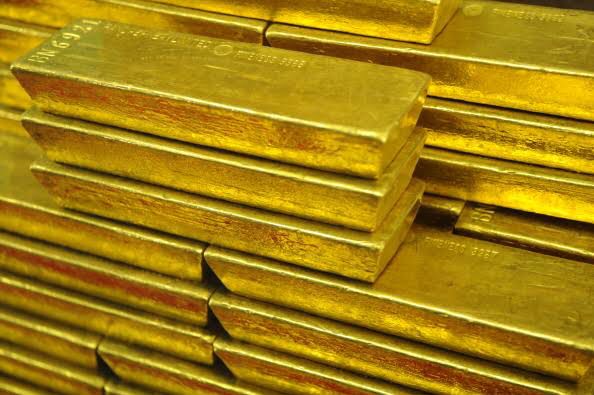
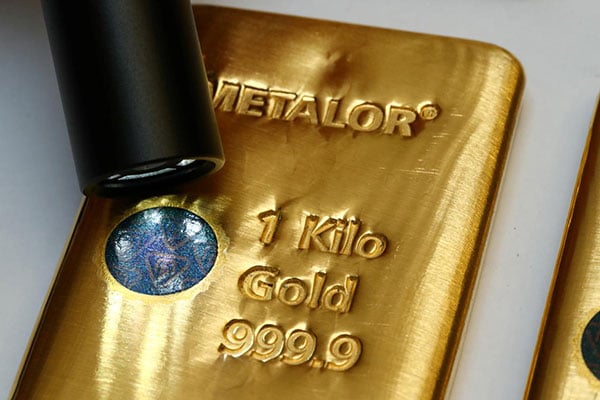
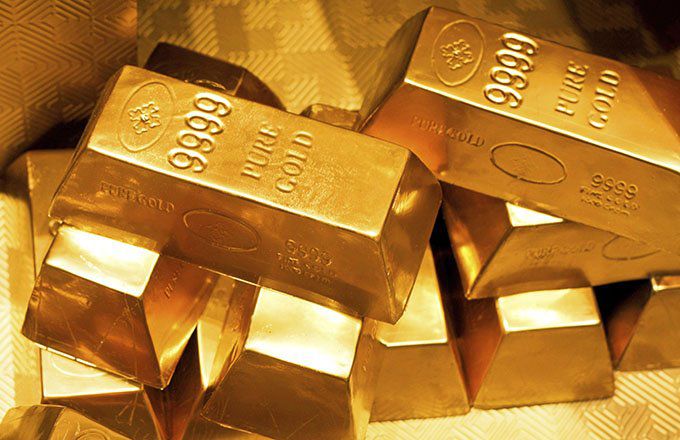
Gold purity in Africa is measured using karats (24K, 22K, 21K, 18K, etc.) and fineness (999, 916, 875, 750). Investment-grade gold is typically 24K (999 or 999.9 fine gold), while jewelry commonly ranges from 18K to 22K, depending on the country and local market. Before purchasing gold in Africa, verify the hallmark, assay certificate, export documentation (where applicable), and the dealer’s licensing to help confirm the gold’s authenticity and purity.
Understanding gold purity is one of the most important steps when buying gold in Africa in 2026. Whether you are purchasing 24K gold bars, bullion coins, raw gold, gold nuggets, gold dust, or gold jewelry, knowing the difference between 24K, 22K, 21K, and 18K gold enables you to determine the actual gold content, compare prices accurately, estimate fair market value, and make informed investment decisions. Since gold purity directly affects value, authenticity, and durability, understanding these standards can also help you avoid counterfeit or misrepresented gold products.
This complete 2026 Gold Purity Chart for Africa explains gold karats, fineness markings, international purity standards, hallmarks, assay certificates, gold testing methods, pricing, and regional purity differences across major gold-producing countries, including Uganda, Ghana, Tanzania, South Africa, Kenya, Mali, Nigeria, Zimbabwe, Rwanda, and the Democratic Republic of the Congo (DRC). You’ll also learn how to verify genuine gold, identify trusted suppliers, understand common purity markings, and review the documentation typically provided with investment-grade gold.
If you’re planning to purchase certified African gold, Buy Gold in Africa Limited is committed to transparent business practices and encourages every buyer to complete appropriate due diligence before making a purchase. The company supports buyers by providing information about product specifications and documentation so they can make informed decisions with greater confidence.
Buy Certified African Gold with Confidence
Looking for 24K (999.9) investment-grade African gold bars or expert guidance on gold purity before making a purchase? Contact Buy Gold in Africa Limited to request a quotation, discuss available gold products, and learn about the documentation and verification process. Whether you are a first-time buyer or an experienced investor, our team is ready to help you understand gold purity standards and make informed purchasing decisions with confidence.
What Is Gold Purity?
Gold purity refers to the percentage of pure gold in a product. Since pure gold is soft and malleable, it’s usually alloyed with other metals — like silver or copper — for strength and durability.
Gold purity is measured two ways:
- Karat (K): Out of 24 parts (24K = pure gold)
- Fineness: Parts per thousand (e.g., 999 = 99.9% pure gold)
Gold Purity Chart Used in Africa
Standards across Africa generally follow international guidelines, though regional practices vary depending on local mining, refining, and trade traditions.
| Purity (Karat) | Gold Content (%) | Fineness | Common Use in Africa |
| 24K | 99.9% | 999 | Investment bars, bullion |
| 22K | 91.6% | 916 | Jewelry, coins |
| 21K | 87.5% | 875 | Jewelry (North & West Africa) |
| 18K | 75.0% | 750 | Jewelry |
| 14K | 58.5% | 585 | Affordable ornaments |
| 10K | 41.7% | 417 | Costume jewelry |
Gold Purity by African Region
West Africa (Ghana, Nigeria, Mali)
West Africa is one of the world’s most important gold-producing regions, with countries such as Ghana, Mali, and Nigeria playing significant roles in both mining and gold trading. Gold intended for international investment and export is commonly refined to 24K (999 or 999.9 fineness) to meet the purity standards expected by global bullion markets, refineries, and investors. In the local jewelry market, 22K (91.6%) and 21K (87.5%) gold are widely used because they offer a good balance between high gold content, attractive color, and improved durability for everyday wear.
East Africa (Uganda, Tanzania, Kenya)
East Africa has become an increasingly important region for gold mining, refining, and international trade. Countries such as Uganda, Tanzania, and Kenya supply investment-grade gold bars that are typically refined to 24K (999 or higher fineness) for export and investment purposes. Within domestic jewelry markets, 18K, 21K, and 22K gold are commonly available, depending on consumer preferences and local manufacturing practices. Buyers should always verify purity through official hallmarks, assay certificates, and purchases from licensed dealers or reputable refineries.
Southern Africa (South Africa, Zimbabwe)
Southern Africa, led by South Africa and Zimbabwe, has a long-established reputation as one of the world’s leading gold-producing regions. Investment products such as gold bars and bullion coins are generally produced in 24K (999 or 999.9 fineness) to satisfy international investment standards. Jewelry manufactured in the region is most commonly made from 18K and 22K gold, providing greater strength and durability while maintaining a high gold content. Reputable refiners and bullion producers in Southern Africa follow internationally recognized quality and purity standards, making the region a trusted source of investment-grade gold.
How to Check Gold Purity in Africa
Checking gold purity before making a purchase is one of the most important steps in protecting your investment. Start by looking for official hallmarks or certification stamps, such as 999, 995, or 916, which indicate the gold’s purity level. You can also verify purity using professional testing methods, including an electronic gold tester, X-ray fluorescence (XRF) analysis, or a traditional acid test performed by a qualified jeweler or assay laboratory. To reduce the risk of buying counterfeit or misrepresented gold, purchase only from certified gold dealers, government-licensed refineries, or reputable bullion suppliers that provide assay certificates and documentation confirming the gold’s purity.
Why Gold Purity Matters
Understanding gold purity is essential because it directly affects the value, authenticity, and resale potential of your investment. Knowing the purity helps you pay a fair market price based on the actual amount of pure gold contained in the item, while also reducing the risk of purchasing counterfeit, gold-plated, or under-purified products. High-purity gold is generally easier to sell in international markets, as recognized purity standards are widely accepted by bullion dealers, refineries, and investors worldwide. If your primary goal is long-term investment, 24K gold (999 or 999.9 fineness) is typically the preferred choice because it contains the highest percentage of pure gold and is the standard for most investment-grade gold bars.
How Gold Purity Affects Price
Gold purity directly influences both the value and physical properties of gold. As purity increases, the percentage of pure gold in the item also increases. Because pure gold is the precious metal being bought and sold on global markets, products with higher purity generally command higher prices than those with lower purity.
Higher Purity
⬇️
More Gold Content – A higher karat or fineness means the item contains a greater percentage of pure gold. For example, 24K gold contains about 99.9% pure gold, while 18K gold contains 75% pure gold.
⬇️
Higher Value – Since there is more pure gold in the item, its intrinsic value is usually higher. Assuming the same weight, higher-purity gold is generally worth more because it contains more fine gold.
⬇️
Softer Metal – Pure gold is naturally soft and malleable. As purity increases, the metal becomes easier to bend, scratch, or dent.
⬇️
Less Durable – Because of its softness, high-purity gold is less resistant to everyday wear. Lower-purity gold, which contains alloy metals such as silver or copper, is typically harder and more durable, making it a popular choice for jewelry worn regularly.
Key takeaway: Higher gold purity means more pure gold, which generally increases the item’s value. However, the trade-off is that higher-purity gold is softer and less durable than lower-karat gold alloys.
Methods to Test Gold Purity in Africa
- Acid Test (Nitric Acid Testing)
A small scratch is made on the gold item, and a drop of nitric acid is applied. The reaction helps identify whether the item is genuine and its approximate karat level.
- Common in: Local markets and jewelry shops in Ghana, Nigeria, Kenya, and South Africa
- Pros: Low cost, simple, fast results
- Cons: Slightly damages the item’s surface; requires experience to interpret accurately
- Electronic Gold Tester
Measures the electrical conductivity of gold — different karat levels produce different readings.
- Common in: Urban jewelry stores and licensed dealerships in Nairobi, Johannesburg, Accra, and Dar es Salaam
- Pros: Non-destructive, quick, accurate across gold types (white, yellow, etc.)
- Cons: Devices can be expensive; require calibration
- XRF Analyzer (X-Ray Fluorescence)
A handheld or bench-top machine uses X-rays to instantly analyze metal composition, showing the exact percentage of gold and alloy elements.
- Common in: High-end refineries, customs offices, and export hubs in Ghana, Uganda, and South Africa
- Pros: Extremely accurate, non-destructive, detects impurities
- Cons: Expensive equipment; mostly used by professionals
- Water Density Test
Pure gold has a density of 19.32 g/cm³. This test weighs the gold and measures the volume of water it displaces, comparing the result to gold’s known density.
- Common in: Smaller gold shops and informal markets across Africa
- Pros: Simple, science-based, doable at home with a scale and water
- Cons: Requires precision; less accurate on hollow items or pieces with stones
Tip: Always request a gold purity test before purchase, or work only with certified and licensed dealers.
Gold Refining Standards in African Countries
Africa holds some of the world’s richest gold reserves, but refining and certification standards vary significantly by country.
South Africa
Regulated under the South African Precious Metals Act and overseen by the South African Mint and Rand Refinery, one of the largest refineries in the world.
- Commonly refined to 99.99% purity (24K)
- Stamped with internationally recognized certification marks
- Exports must meet LBMA (London Bullion Market Association) standards
Ghana
Managed by refiners such as Gold Coast Refinery and monitored by the Minerals Commission.
- Typical output: 22K–24K for jewelry and investment
- Gold bars marked with serial numbers, weight, and purity stamps
- Government incentivizes domestic refining before export
Tanzania
Improving regulation through local refineries like Geita Gold Refinery, overseen by the Tanzania Minerals Commission.
- Refiners target 99.5%–99.9% purity
- Exports require government certification and tax clearance
- All exports must be refined, weighed, and sealed before shipment
Kenya
A growing refining industry, with facilities like Kenya Precious Metals Refinery supporting local processing goals. Overseen by the Ministry of Mining.
- Typically refined to 22K or 24K
- Export gold certified through the Kenya Bureau of Standards (KEBS)
- Government promotes transparent trade and refining regulation
Uganda
An emerging East African refining hub, led by refiners like African Gold Refinery (AGR), under increasing regulatory scrutiny.
- Most refined gold targets export markets (99.5%–99.9% purity)
- Requires certification from the Uganda Revenue Authority (URA) and local assay offices
- Tighter controls introduced to combat illicit gold flows
Mali
Mali is one of Africa’s largest gold-producing countries, but much of its gold is exported as dore (semi-refined gold) rather than as fully refined, investment-grade bullion. Unlike countries with large domestic refining industries, such as South Africa, a significant portion of Mali’s dore bars is exported to international refineries in destinations such as the United Arab Emirates (Dubai), Switzerland, and other global refining hubs, where the gold is further refined to 99.5%, 99.9%, or 99.99% purity before entering international bullion markets.
Because much of Mali’s exported gold is semi-refined rather than finished investment bullion, the purity of exported dore bars can vary depending on the mine, processing facility, and intended buyer. As a result, Mali should not be viewed in the same category as countries that routinely produce fully refined 24K (999 or 999.9) investment bars for export.
Before export, gold is generally subject to sampling, weighing, and assay testing to determine its precious metal content, with supporting documentation issued in accordance with applicable national export requirements. Buyers should always review the assay certificate, export documentation, and seller credentials before completing a transaction.
The Government of Mali has also announced initiatives aimed at expanding domestic refining capacity and increasing local value addition, to refine more of the country’s gold within Mali before export. As this infrastructure develops, a greater share of Malian gold may be exported as fully refined bullion rather than semi-refined dore bars.
Summary: African Gold Refining Standards at a Glance
| Country | Common Purity | Primary Regulatory Body | Typical Export Certification |
| South Africa | 99.99% (24K / 999.9) | Precious Metals Regulator; internationally recognized refiners such as Rand Refinery | Assay certificate, serial-numbered bars, internationally recognized refinery markings |
| Ghana | 22K–24K (typically 999 or 999.9 for investment-grade exports) | Minerals Commission and Precious Minerals Marketing Company (PMMC) | Assay certificate, purity verification, serial-numbered bullion, export documentation |
| Tanzania | 99.5%–99.9% | Tanzania Mining Commission | Assay certificate, purity verification, export authorization, applicable tax and customs documentation |
| Kenya | 22K–24K | Ministry of Mining, Blue Economy and Maritime Affairs; Kenya Bureau of Standards (KEBS) | Assay certificate, purity verification, export certification where applicable |
| Uganda | 99.5%–99.9% | Directorate of Geological Survey and Mines (DGSM), Uganda National Bureau of Standards (UNBS), and Uganda Revenue Authority (URA) for relevant regulatory and export functions | Assay certificate, purity verification, and applicable export documentation |
| Mali | Semi-refined to 24K (depending on refinery and intended market) | Ministry of Mines | Assay certificate, export permit, and supporting customs documentation |
Note. Gold refining standards across Africa continue to evolve as governments and the private sector invest in local refining capacity, stronger quality assurance systems, and internationally recognized certification practices. Major gold-producing countries such as South Africa, Ghana, Tanzania, Uganda, Kenya, and Mali have established regulatory frameworks that help verify gold purity and facilitate lawful domestic and international trade. Before purchasing investment-grade gold, buyers should verify the assay certificate, hallmark, purity, serial number, and the supplier’s licensing, and ensure all applicable export documentation is available. Conducting thorough due diligence helps reduce risk and provides greater confidence when purchasing certified African gold.
Gold Purity vs. Value Comparison
The amount of pure gold contained in a product has a direct impact on its value. In general, higher-purity gold contains a greater percentage of fine gold and therefore has a higher intrinsic value. Lower-karat gold contains more alloy metals, making it stronger and more durable, but reducing the amount of pure gold and, consequently, its bullion value.
| Gold Purity (Karat) | Gold Content (%) | Fineness | Relative Value | Common Uses |
| 24K | 99.9% | 999 or 999.9 | ⭐ Highest | Investment bars, bullion coins, central bank reserves |
| 22K | 91.6% (91.7%) | 916 | ⭐⭐⭐⭐ Very High | Bullion coins, premium jewelry, investment jewelry |
| 21K | 87.5% | 875 | ⭐⭐⭐ High | Traditional jewelry in parts of Africa and the Middle East |
| 18K | 75.0% | 750 | ⭐⭐ Moderate to High | Luxury jewelry, engagement rings, watches |
| 14K | 58.5% | 585 | ⭐ Lower | Everyday jewelry, affordable fine jewelry |
| 10K | 41.7% | 417 | ⭐ Lowest | Budget-friendly jewelry and fashion accessories |
Key Takeaways
- 24K gold (999 or 999.9) contains the highest percentage of pure gold and is the preferred choice for investment-grade bullion.
- 22K gold (916) offers very high gold content while providing greater strength than 24K, making it popular for bullion coins and premium jewelry.
- 21K gold (875) is widely used for traditional jewelry in several African and Middle Eastern markets.
- 18K gold (750) provides an excellent balance between purity, durability, and appearance, making it one of the most popular choices for luxury jewelry.
- 14K and 10K gold contain more alloy metals, making them more resistant to wear and generally more affordable, although they contain significantly less pure gold than higher-karat products.
Gold Color Comparison: Purity, Alloys, and Common Uses
Many buyers assume that the color of gold determines its purity, but this is not the case. Gold color is created by mixing pure gold with different alloy metals. For example, yellow gold gets its rich color from a traditional blend of gold, silver, and copper, while white gold contains white metals such as palladium or nickel. The purity of gold is measured by its karat (K) or fineness (999, 916, 750, etc.), regardless of its color. This means yellow gold, white gold, and rose gold can all be 18K or 22K, even though they look completely different.
Gold Color Comparison
| Gold Color | Typical Alloy Metals | Common Purity | Appearance | Common Uses |
| Yellow Gold | Silver and copper | 24K, 22K, 18K, 14K | Classic rich yellow | Investment bars, coins, wedding rings, traditional jewelry |
| White Gold | Palladium, nickel, silver, zinc | 18K, 14K | Silver-white finish (often rhodium plated) | Engagement rings, luxury jewelry, modern designs |
| Rose Gold | Copper and small amounts of silver | 18K, 14K | Warm pink or reddish color | Fashion jewelry, wedding bands, watches |
| Green Gold | Silver with small amounts of copper or cadmium (modern alloys avoid cadmium) | 18K, 14K | Pale green or yellow-green | Decorative and specialty jewelry |
| Black Gold | Gold with black surface treatment or specialized alloy/coating | Usually 18K | Black finish | Designer jewelry, luxury watches, contemporary jewelry |
Yellow Gold
Yellow gold is the most traditional and recognizable form of gold. It closely resembles the natural color of pure gold and is created by alloying gold with metals such as silver and copper. Investment-grade gold bars and bullion coins are almost always made from 24K yellow gold (999 or 999.9 fineness) because they contain the highest percentage of pure gold.
White Gold
White gold is produced by combining pure gold with white-colored metals such as palladium, nickel, silver, or zinc. It is commonly coated with rhodium to create a bright white appearance and improve scratch resistance. White gold is most commonly available in 18K (75% gold) and 14K (58.5% gold) and is widely used for engagement rings and fine jewelry.
Rose Gold
Rose gold is created by mixing pure gold with a higher proportion of copper, which gives the metal its distinctive pink or reddish color. Depending on the alloy composition, rose gold can range from a soft pink to a deeper red tone. It is most commonly produced in 18K and 14K and is valued for both its durability and unique appearance.
Green Gold
Green gold is a less common gold alloy produced by mixing pure gold primarily with silver, creating a subtle greenish-yellow hue. It is mainly used in artistic, custom-made, and specialty jewelry rather than investment products. Green gold is generally available in 18K and 14K purities.
Black Gold
Black gold is not naturally black. Instead, it is created by applying specialized surface treatments or coatings, or through advanced alloying techniques that produce a dark finish. Most black gold jewelry begins as 18K gold, with the black appearance resulting from the finishing process rather than the gold’s purity.
Yellow Gold vs. White Gold vs. Rose Gold
| Feature | Yellow Gold | White Gold | Rose Gold |
| Natural Gold Color | Yes | No | No |
| Typical Purity | 24K, 22K, 18K, 14K | 18K, 14K | 18K, 14K |
| Main Alloy Metals | Silver, Copper | Palladium, Nickel, Silver, Zinc | Copper, Silver |
| Durability | Moderate to High (depends on karat) | High | High |
| Rhodium Plating Required | No | Usually | No |
| Best For | Bullion, traditional jewelry | Engagement rings, luxury jewelry | Fashion and wedding jewelry |
Note. Gold color does not determine gold purity. A piece of 18K yellow gold, 18K white gold, and 18K rose gold all contain 75% pure gold. The difference lies in the alloy metals used to create the desired color, hardness, and appearance. When buying gold, always check the karat (K) or fineness (999, 916, 750, etc.) rather than judging purity by color alone.
Gold Hallmarking and Certification in Africa
Gold hallmarking is one of the most important safeguards for anyone buying gold in Africa. A hallmark is an official mark stamped on a gold bar, coin, or jewelry item to indicate its purity, and in many cases, to identify the manufacturer, refiner, or assay office that verified the product. Hallmarking helps protect buyers against counterfeit or misrepresented gold, promotes transparency in the precious metals trade, and supports compliance with national and international quality standards. Depending on the country, hallmarks may be issued by government agencies, accredited assay offices, or licensed refineries, and are often supported by an assay certificate confirming the gold’s purity.
Hallmarking Systems by Country
Ghana
Ghana is one of Africa’s largest gold producers and has established systems for verifying the purity of gold intended for both domestic trade and international export. Gold products are commonly certified through the Minerals Commission and the Precious Minerals Marketing Company (PMMC), where applicable. Investment-grade gold bars typically display a purity mark such as 999 or 999.9 for 24K gold, together with the refiner’s logo, serial number, weight, and other identifying information. Gold exported from Ghana is generally tested and documented in accordance with applicable national export requirements before entering international markets.
South Africa
South Africa has one of the world’s most established precious metals industries and follows rigorous standards for gold production and refining. Gold products are manufactured in accordance with the Precious Metals Act, with quality standards supported by organizations such as the South African Bureau of Standards (SABS). Hallmarks commonly include the manufacturer’s or refiner’s mark, the fineness stamp (such as 999 for 24K or 916 for 22K), and other identifying marks depending on the product. Gold produced by internationally recognized refiners, including Rand Refinery, is widely accepted in global bullion markets because of its reputation for consistent quality and purity.
Kenya
In Kenya, gold intended for export is subject to government oversight through the Ministry of Mining, Blue Economy and Maritime Affairs, with quality standards supported by the Kenya Bureau of Standards (KEBS) where applicable. Hallmarked gold products may include the purity stamp, refiner or assayer identification, serial number, and accompanying certification documents. Export-grade gold is typically verified before shipment, while jewelry manufacturers increasingly use hallmarks to provide consumers with greater confidence in the authenticity and purity of their products.
Uganda
Uganda has strengthened its regulatory framework for the gold sector to improve transparency and compliance with international trade requirements. Gold products are subject to oversight by relevant government authorities, including the Uganda National Bureau of Standards (UNBS) and the Uganda Revenue Authority (URA) as part of broader regulatory and export processes. Investment-grade gold bars commonly display the refiner’s hallmark, fineness marking (such as 999 or 999.9), serial number, weight, and an accompanying assay certificate. Buyers should always verify documentation and purchase from licensed dealers or reputable refineries.
Tanzania
Tanzania is a leading gold-producing country in East Africa and has established procedures for verifying gold before export. The Tanzania Mining Commission oversees important aspects of the country’s mining and gold trading framework. Investment-grade gold bars generally feature the refiner’s identification, purity marking, serial number, weight, and supporting assay documentation. Gold intended for international markets is typically processed and verified through authorized refining and export procedures to help ensure compliance with applicable national regulations and internationally recognized purity standards.
Why Hallmarking Matters
A genuine hallmark provides valuable information about a gold product, but it should not be the only factor used to verify authenticity. Before purchasing gold, buyers should confirm that the hallmark matches the assay certificate, product specifications, serial number, and seller documentation. Purchasing from a licensed dealer or reputable refinery and requesting independent testing for high-value transactions can provide additional confidence that the gold meets the stated purity standards. Hallmarking, combined with proper documentation and due diligence, helps reduce the risk of fraud and supports safer gold trading throughout Africa.
Common Hallmarks Found Across Africa
| Hallmark Type | What It Indicates |
| Fineness Mark | Gold purity (e.g., 999.9 = 24K, 916 = 22K) |
| Assayer’s Mark | Approved lab or refinery identification |
| Serial Number | Unique tracking ID for bars or export logs |
| Government Seal | Certifies compliance with export or purity laws |
Why Hallmarking Matters to Buyers
- Guarantees authenticity and purity
- Protects against counterfeits and impure gold
- Increases resale and investment value
- Often mandatory for export or import
Whether you’re buying in Nairobi, Johannesburg, or sourcing from Africa while based abroad, always ask for hallmarked and certified gold.
Gold Purity Myths and Scams in Africa
Africa is rich in natural gold — which unfortunately also makes it a target for scams and misinformation that trap inexperienced buyers.
Common Myths
“All African gold is 24K” Not true. Much of the gold sold locally is 22K or lower for jewelry, mixed with copper or silver — and some is outright fake or gold-plated.
“Real gold doesn’t need testing” A myth often used to pressure buyers into fast deals. Even genuine gold should be tested, and professional dealers always offer assay reports or hallmarks.
“If it’s heavy and yellow, it’s gold” Weight and color aren’t reliable purity indicators. Scammers use tungsten or lead-filled bars, brass coated in gold, and fake stamps or serial numbers.
Common Scam Tactics
- Fake documentation — Photoshopped assay reports, counterfeit export licenses, or invented refinery names. Always verify with official bodies like the Minerals Commission, PMMC, or LBMA.
- “Pay upfront for a quick deal” — Requests for payment before you see the gold, “clearance fees,” or untraceable payment methods. Use escrow services and licensed dealers only.
- Fake bars and coated nuggets — Common in informal markets in Kumasi, Accra, Nairobi, Migori, and Kampala. Request a live XRF or fire assay test before buying.
- “We work with government officials” — A fake-legitimacy tactic. Verify independently with the official mining authority — never trust deals that sound too easy or “confidential.”
How to Avoid Gold Scams
| Step | Description |
| Verify the dealer | Use only licensed, registered dealers |
| Demand tests | Ask for assay or XRF results before buying |
| Check documentation | Confirm all paperwork with government authorities |
| Avoid cash deals | Use secure, traceable payment methods |
| Don’t rush | Scammers pressure urgency — take your time |
Frequently Asked Questions (FAQ): Gold Purity in Africa
Is 18K gold real gold?
Yes. 18K gold is genuine gold and contains 75% pure gold (750 fineness), with the remaining 25% made up of alloy metals such as silver, copper, nickel, or zinc. These additional metals increase the strength and durability of the gold, making it more resistant to scratches and everyday wear than higher-purity gold. Although 18K gold contains less pure gold than 22K or 24K, it is widely used for high-quality jewelry because it offers an excellent balance between purity, appearance, durability, and value.
What is the best gold purity for investment?
For most investors, 24K gold (999 or 999.9 fineness) is considered the preferred standard for investment-grade bullion. Because it contains almost entirely pure gold, 24K bullion is widely accepted by international bullion dealers, refineries, and precious metals markets. Investment products such as gold bars and many bullion coins are typically produced in 24K purity, making them easier to value, trade, and resell based on the current global gold price. Buyers should always verify the purity through an assay certificate and purchase from a reputable, licensed supplier.
How can I tell if gold is 24K without laboratory equipment?
While it is difficult to confirm gold purity with complete certainty without professional testing, there are several ways to reduce the risk of purchasing counterfeit gold. Begin by checking for a 999 or 999.9 hallmark from a reputable refinery or manufacturer and review the accompanying assay certificate or certificate of authenticity. You should also verify the seller’s credentials and compare the product details with the documentation provided. If available, an electronic gold tester can provide an initial indication of purity. For high-value purchases, requesting an X-ray fluorescence (XRF) analysis or another professional assay from a qualified laboratory or licensed dealer provides a more reliable verification.
Why does jewelry purity vary across different African countries?
Gold jewelry purity differs across Africa because of local traditions, consumer preferences, manufacturing practices, and durability requirements. In many countries, 22K and 21K gold are popular because they contain a high percentage of pure gold while remaining suitable for jewelry. In other markets, particularly where jewelry is intended for daily wear, 18K gold is often preferred because the additional alloy metals improve strength and resistance to scratches. Investment-grade gold, however, is generally refined to 24K (999 or 999.9 fineness) regardless of the country to meet international bullion standards.
Are gold hallmarks always reliable?
Gold hallmarks are an important indicator of purity, but they should not be relied upon as the only proof of authenticity. Genuine hallmarks from recognized refiners, mints, or accredited organizations can help identify the gold’s purity, but counterfeit stamps and fraudulent markings do exist. Before purchasing gold, verify the hallmark alongside the assay certificate, seller documentation, and, where appropriate, independent testing. Buying from licensed and reputable dealers significantly reduces the risk of fraud and provides greater confidence in the authenticity and purity of the gold.
Looking to Buy Certified Gold in Africa?
If you’re planning to purchase 24K investment-grade African gold bars, choose a supplier that provides transparent documentation, including assay certificates, purity verification, and relevant licensing information. Buy Gold in Africa Limited is committed to responsible business practices and encourages every buyer to conduct appropriate due diligence before completing any transaction. Contact our team today to request a quotation, learn about available gold products, and understand the verification process for buying gold with confidence.