
Gold Purity in Africa: 2026 Investor Guide: The Allure of African Gold
Africa’s gold mining sector continues to captivate global investors in 2026, producing approximately 27-28% of the world’s gold supply, with total output reaching over 1,010 tonnes in recent years.
This dominance stems from vast reserves across the continent, where gold purity in Africa often achieves 99.99% after refining, making it a prime choice for buyers seeking high-quality assets.
As gold prices hover around $5,100 per ounce in March 2026—driven by geopolitical tensions, inflation hedges, and demand for safe-haven investments—the economic appeal intensifies.
Why does gold purity matter? For investors and buyers, higher purity levels (measured in karats or fineness) translate to greater value retention, easier liquidity, and reduced alloy-related risks.
In Africa, where artisanal and industrial mining coexist, understanding purity helps avoid scams like counterfeit bars or impure alloys.
Key questions arise: Which African countries have the purest gold? South Africa leads with LBMA-certified 99.99% refined gold, but emerging refineries in Ghana and Uganda are closing the gap.
This guide explores gold purity in African countries, from basics to regional breakdowns, challenges, and investment strategies. By the end, you’ll gain insights for informed buying to avoid scams, boosting your portfolio amid rising prices.
With Africa’s output projected to grow through 2030 via sustainable practices and tech advancements, now is the time to dive in—potentially yielding stable returns in a volatile world.
Tease: Discover how to source 24k bars ethically and profitably.
Understanding Gold Purity Basics
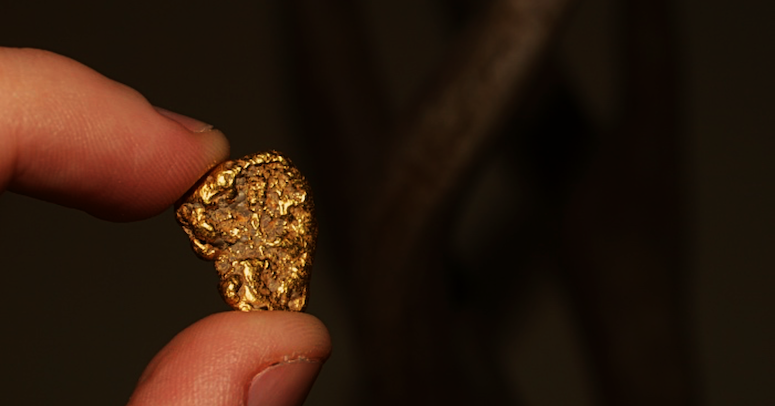
Grasping gold purity basics is essential for anyone exploring gold purity in Africa. Purity refers to the proportion of pure gold in an item, free from alloys like copper or silver added for durability.
Measured in karats (k) or fineness (parts per thousand), higher values indicate superior quality and value.
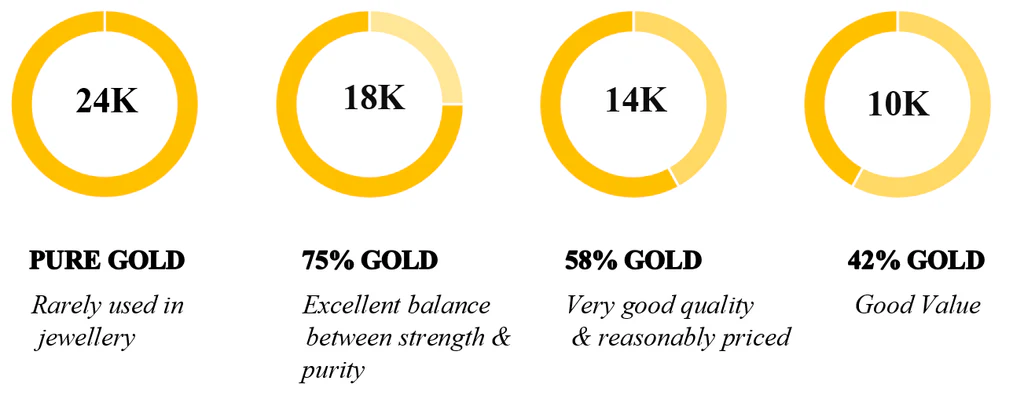
- 24k gold: 99.9% pure (fineness 999), ideal for investment bars but soft for jewelry.
- 22k gold: 91.7% pure (fineness 917), common in African jewelry for its balance of purity and strength.
- 18k gold: 75% pure (fineness 750), used for everyday wear due to enhanced durability.
Here’s a quick gold purity chart for clarity:
| Karat | Gold Content (%) | Fineness | Common Uses in Africa |
|---|---|---|---|
| 24k | 99.9 | 999 | Investment bars, bullion from refineries like Rand Refinery |
| 22k | 91.7 | 917 | Traditional jewelry in Ghana and Mali markets |
| 18k | 75.0 | 750 | Affordable accessories in urban East Africa |
| 14k | 58.3 | 583 | Entry-level items, less common in pure-focused investments |
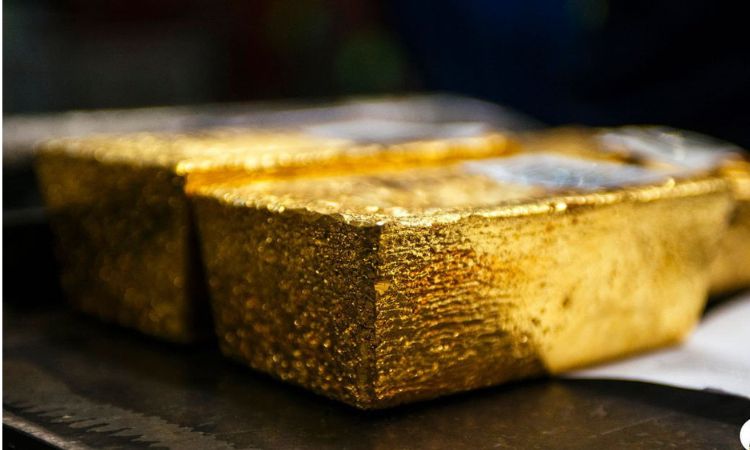
Alloys enhance practicality—copper adds reddish tones (rose gold), while silver or palladium creates white gold—but they dilute purity. In Africa, raw ore from mines like South Africa’s Witwatersrand often starts at 80-95% purity before refining boosts it to 99.99%.
Testing methods ensure authenticity:
- Acid tests: Affordable, using nitric acid to check reactions on scratched surfaces.
- XRF spectrometry: Non-destructive, scans for elemental composition in seconds—widely used in African refineries.
- Fire assay: Lab-based, melts samples for precise measurement, standard for high-value trades.
Reference LBMA standards for trustworthiness: The London Bullion Market Association certifies refineries producing 99.99% pure bars, like South Africa’s Rand Refinery or Ghana’s new facilities.
These ensure ethical sourcing, combating issues like conflict gold. For investors, prioritizing LBMA-accredited pure gold from Africa minimizes risks and maximizes resale value.
Gold Purity Across African Regions
Africa’s diverse geology yields varying gold purity levels, with refineries elevating raw ore to global standards. In 2025, the continent produced over 1,010 tonnes, led by West and Southern regions.
Here’s a breakdown by key areas, highlighting purest gold in African countries.
1. West Africa (Ghana, Mali, Burkina Faso)
Ghana, Africa’s top producer, hit a record 187 tonnes (6 million ounces) in 2025, with projections for 6.5 million ounces in 2026.
Purity ranges from 22-24k post-refining, with new refineries like Gold Coast achieving 99.99%. Artisanal mining (ASM) contributes ~3.1 million ounces, often starting at 90% purity before processing.
Mali follows with 100 tonnes, focusing on ethical sourcing amid Sahel challenges; refineries hit 99.5%+. Burkina Faso’s 94 tonnes emphasizes local value-add, with purity standards aligning to LBMA.
Comparisons: Ghana’s ASM boosts volume, but purity consistency varies without certification.
2. Southern Africa (South Africa)
South Africa’s 98-110 tonnes from Witwatersrand ores (80-95% raw) refines to 99.99% at Rand Refinery, the continent’s gold standard. Historical decline from peaks, but quality remains high—LBMA-certified for global trade.
3. East Africa (Uganda, Tanzania)
Uganda’s African Gold Refinery (AGR) processes to 99.5%+, handling regional flows ethically despite smuggling risks. Tanzania’s 55 tonnes focuses on sustainable mining, with purity at 99.9% post-refining.
4. North/Central Africa (Algeria, Central African Republic)
Limited data, but reserves face smuggling—undeclared flows estimated at billions annually. Purity challenges due to informal sectors.
Visual aids: Imagine a map showing Ghana (West), South Africa (South), Uganda (East) as purity hubs. Chart: South Africa edges out with LBMA-certified gold purity in Africa.
Challenges in African Gold Purity
Despite allure, challenges in African gold purity abound, from illegal mining to environmental degradation.
Illegal ASM, or ‘galamsey’ in Ghana, fuels smuggling, with Africa losing $11.4 billion from 2019-2023 in undeclared gold. This erodes purity standards, as unregulated ore mixes with alloys.
Environmental impacts: Mining causes water contamination (mercury/cyanide), deforestation, and soil erosion, exacerbated by climate change affecting rainfall in Mali/Burkina Faso. “Blood gold” in Sahel conflicts links to human rights abuses, including child labor.
Resource curse debates: Wealth concentration leads to inequality, with weak governance amplifying corruption.
Opportunities: New refineries in Mali/Burkina Faso boost economies, formalizing ASM for better purity control. Sustainable tech reduces impacts, balancing growth.
Investing and Buying Pure African Gold
Navigating investing in pure African gold in 2026 demands a blend of savvy verification, ethical awareness, and strategic foresight amid escalating geopolitical chaos.
With gold prices surpassing $5,100 per ounce due to U.S.-Iran tensions, trade tariffs, and global uncertainty, Africa—producing over 27% of the world’s supply—offers lucrative opportunities for buyers and investors.
As a Kampala-based investor, you’re ideally positioned near key refineries like Uganda’s AGR, making local sourcing accessible and cost-effective.
Practical Guide: Verifying Gold Purity
Ensuring gold purity in Africa (typically 99.5-99.99% post-refining) protects against fakes.
Follow these steps:
- Obtain Certifications: Demand LBMA (London Bullion Market Association) accreditation or similar standards, verifying 24k purity through traceable chains.
- Conduct Assays: Use independent labs for fire assays (melting samples for precise measurement) or non-destructive XRF spectrometry to confirm fineness.
- Hallmark Checks: Look for stamped karats and refinery marks; apps like GoldVerifier can scan for authenticity.
- Third-Party Audits: Engage services like SGS or Bureau Veritas for on-site testing, especially for bulk buys.
These methods minimize risks from impure alloys, ensuring your pure African gold retains value.
Tips for Buyers: Sourcing from Reputable Refineries
Focus on trusted facilities to secure high-quality bars:
- Uganda’s African Gold Refinery (AGR): Processes to 99.5%+ purity; ideal for ethical, local sourcing in Kampala.
- Ghana’s Royal Ghana Gold (RGG): A state-backed refinery hitting 99.99% standards; partners with PMMC for secure exports.
- Avoid unlicensed dealers; opt for direct refinery purchases or vetted brokers to cut costs and ensure traceability.
Start small, negotiate FOB terms, and use escrow for international deals.
Ethical Considerations in African Gold
Ethical gold mining in Africa is crucial amid environmental and social challenges. Artisanal mining, while employing millions, often involves child labor, mercury pollution, and community conflicts—exacerbated by illegal operations costing billions annually.
Prioritize refineries adhering to Responsible Gold Mining Principles (RGMPs), focusing on sustainable practices and human rights. Support initiatives like fair-trade certifications to combat “blood gold” in conflict zones.
Investment Strategies Amid Geopolitical Chaos
Gold shines as a safe-haven asset in 2026’s turmoil—U.S. tariffs, Middle East strikes, and dollar volatility could push prices to $6,300/oz.
Key strategies:
- Diversify Portfolios: Allocate 5-10% to physical bars or ETFs like Sprott Gold Miners (SGDM) for hedging.
- Central Bank Trends: Mimic buys by Uganda and Ghana, stockpiling amid reserves buildup.
- Long-Term Holds: Buy dips during volatility; combine with silver for broader exposure.
- Risk Management: Use stop-losses and monitor Fed policies.
Buy 24k bars from Buy Gold in Africa for portfolio diversification—ethically sourced from African miners, ensuring purity and value in uncertain times.
Contact us today for secure, high-purity investments.
Future Trends and Conclusion
Looking ahead from 2026 to 2030, African gold mining stands at a transformative crossroads, fueled by surging global demand for critical minerals (including gold as a strategic asset) and rapid technological advancements in refining.
The energy transition and geopolitical shifts are accelerating this momentum, with Africa’s vast reserves positioning the continent as a key player in supply chains for clean energy, AI, and defense technologies.
Rising demand for critical minerals will drive growth: Global needs for minerals like copper, cobalt, lithium, and gold-linked assets could triple by 2030, per UN projections, with Africa holding substantial untapped reserves.
Gold benefits indirectly as a safe-haven amid volatility, but also as part of broader electrification and tech demands.
Forecasts show sustained central bank buying (e.g., 70 tonnes/month in 2026 per Goldman Sachs), pushing prices higher—potentially toward $5,000–$6,300/oz by end-2026 (J.P. Morgan, Goldman Sachs) and up to $8,000–$12,000+ by 2030 in bullish scenarios from analysts like CoinCodex and others.
This creates massive opportunities for African producers, with output potentially rising through expanded exploration in West and East Africa.
Tech advancements in refining will enhance purity and sustainability: Expect wider adoption of AI-driven grade control, autonomous systems, predictive maintenance, and low-carbon processes.
Refineries across Africa (e.g., new facilities in Mali, Burkina Faso, and pan-African initiatives like Egypt’s proposed Gold Bank) are integrating renewables, automated extraction, and eco-friendly leaching alternatives to cyanide.
These innovations could cut exploration costs by billions industry-wide (via satellite + AI) and boost local value-addition—targeting 40%+ domestic processing by 2030 in some nations.
Sustainability remains central: ESG compliance, renewable integration (solar/wind hybrids), and formalization of artisanal mining will attract investment while mitigating environmental impacts.
In summary, gold purity in Africa will evolve from raw exports to certified, high-value products, with LBMA-level purity (99.99%) becoming standard through modern refineries.
Key takeaways:
- Prioritize certified, ethical sources for maximum value and risk mitigation.
- Gold purity levels (24k/99.9%+) offer superior investment stability amid chaos.
- Africa’s share of global production (25-28%) will grow with tech and policy reforms.
The time to act is now—invest in pure African gold from trusted suppliers like Uganda’s AGR or Ghana’s facilities for portfolio diversification and long-term gains. Secure your position in this rising market before prices climb further.
FAQs
- Is African gold real? Yes, with proper certification from LBMA-accredited refineries like Rand Refinery or AGR—always verify assays and hallmarks.
- What is the purest gold in Africa? Refined bars at 99.99% from South Africa’s Rand Refinery and emerging West African facilities lead the continent.
- Will gold prices keep rising to 2030? Bullish forecasts suggest $8,000–$12,000+/oz, driven by demand and uncertainty—gold remains a strong hedge.
- How ethical is African gold mining? Improving via RGMPs and local refineries; choose traceable, sustainable sources to support responsible practices.
- Best way to buy pure African gold? Direct from reputable refineries or verified dealers—start with small, certified purchases for security.
Frequently Asked Questions
What is the purest gold in Africa?
Refined gold at 99.99% purity (four nines, LBMA Good Delivery standard) leads the continent, primarily from South Africa’s Rand Refinery—Africa’s only fully LBMA-accredited refiner. Emerging partnerships, like Rand Refinery’s technical support for Ghana’s Gold Coast Refinery, aim to achieve similar levels locally, with current outputs at 99.5%+.
Which African country has the purest gold?
South Africa tops the list with consistent 99.99% refined bars from Rand Refinery, backed by high-grade Witwatersrand ores (raw 90-95% fineness). Ghana follows closely with refineries targeting 99.5-99.99%, while Uganda’s AGR and others reach 99.5%+. LBMA certification ensures global trust.
How do I verify the purity of African gold?
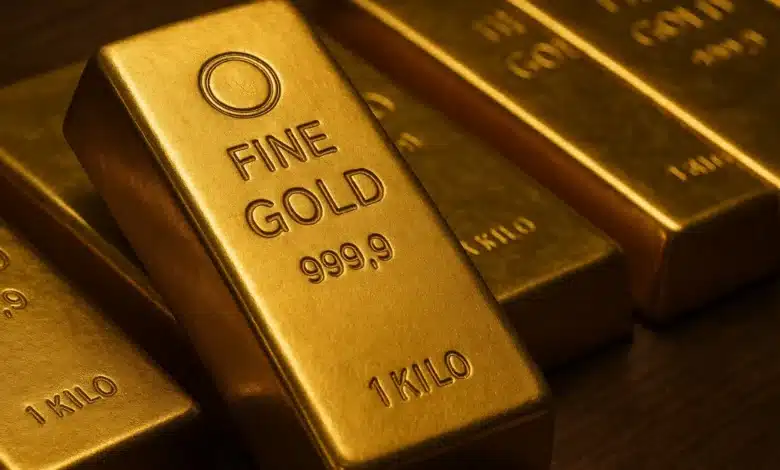
Request LBMA certification, assay reports (fire assay or XRF testing), and hallmarks (e.g., “999.9” stamp). Use independent labs like SGS or Bureau Veritas. Always buy from accredited refineries or trusted dealers to avoid counterfeits.
Is African gold real and investment-grade?
Yes—certified African gold from reputable sources is real and often investment-grade. Prioritize LBMA-accredited or equivalent products (e.g., Rand Refinery bars or Krugerrands at 91.67% for coins, 99.99% for bullion) for liquidity and value retention.
What are the best places to buy pure African gold in 2026?
Source directly from refineries like Rand Refinery (South Africa), Gold Coast Refinery (Ghana, with Rand partnership), or AGR (Uganda). Trusted dealers include Buy Gold in Africa or licensed exporters in Kampala for ethical, certified 24k bars—ideal for local buyers.
How ethical is gold from Africa?
Improving significantly: Choose refineries following Responsible Gold Mining Principles (RGMPs), OECD due diligence, and traceability programs. Partnerships like Rand-Ghana reduce ASM risks (e.g., child labor, mercury use), promoting sustainable and conflict-free sourcing.
Will gold from Africa remain a good investment through 2030?
Yes—Africa’s production (25-28% global share) grows with tech advancements and demand for critical minerals. Bullish forecasts see prices rising amid uncertainty, making certified pure African gold a strong hedge for diversification.