Gold Trading in Ghana |Investor Guide to Licenses, Export 2026
Gold trading in Ghana continues to attract investors from around the world because Ghana, historically known as the Gold Coast, is Africa’s largest gold producer and one of the world’s leading gold-producing countries. In 2024, Ghana’s gold exports increased by 53.2% to US$11.64 billion, with nearly US$5 billion generated by the legal small-scale mining sector. The country’s well-established gold industry and rich mineral resources make it an important destination for international gold buyers.
However, Ghana’s gold trading laws changed significantly in 2025 with the establishment of the Ghana Gold Board (GoldBod). GoldBod now regulates the purchase, pricing, licensing, and export of all small-scale (artisanal) gold. Previous dealer licenses are no longer valid for this sector, and foreign individuals and companies can no longer purchase small-scale gold directly from local traders. Instead, international buyers acquire gold through GoldBod’s approved off-take arrangements, while GoldBod remains the only entity authorized to export small-scale gold.
This guide explains how gold trading in Ghana works under the current legal framework, the licensing requirements, how foreign investors can purchase gold legally, the documents required for international transactions, and the practical steps to avoid common gold scams.
Quick Answer
- Only GoldBod-licensed Ghanaian citizens or wholly Ghanaian-owned companies may trade small-scale gold within Ghana.
- Foreign buyers purchase small-scale gold through GoldBod’s official off-take arrangements, not directly from local dealers.
- Only GoldBod is authorized to export small-scale gold from Ghana.
- Domestic transactions are priced using the Bank of Ghana’s official reference exchange rate.
- Any offer to sell gold far below the international spot price should be treated as a serious warning sign and investigated carefully before making payment.

Key Benefits of Investing in Gold Trading in Ghana
- High Demand for Gold. Gold is a high increasing demand both international and locally which makes it stable investment choice which gives protection against price changes and currency fluctuations. Ghana’s gold attracts buyers from Asia, Europe, and North America.
- Government Support. The Ghanaian government has made favorable regulations which are favoring the gold sector, creating a favorable business environment and providing tax incentives and supporting small-scale mining operations by giving them licenses to investors.
- Rich Natural Resources. Ghana is known for its abundant gold reserves making it relatively easier to source gold compared to other countries and country’s geological formations are conducive to gold mining and trading.
- Profitability and Growth Potential. Ghana is known for its fair Gold prices which are historically resilient and often appreciate over time. investing in Ghana’s gold traders with give you higher profits and stable returns.
Steps on How to Start Gold Trading in Ghana
The right steps depend on whether you are Ghanaian or a foreign buyer.
If you are Ghanaian
- Research the gold market. Learn how the reference rate works, who your buyers will be, and which part of the supply chain you want to work in.
- Register your business. Register with the Office of the Registrar of Companies and get a Tax Identification Number from the Ghana Revenue Authority.
- Get a GoldBod licence. Choose the right category (Aggregator, Self-financing Aggregator, Tier 1 Buyer or Tier 2 Buyer) and apply online at goldbod.gov.gh or at GoldBod’s office in Accra.
- Build reliable partnerships. Work only with licensed small-scale miners, assayers and transport providers.
- Set up compliant records. Keep paperwork for every purchase and follow anti-money laundering (AML) rules.
If you are a foreign buyer
Foreigners can no longer buy gold on Ghana’s local market. Instead, you apply to GoldBod to buy or off-take gold directly from it (source).
- Prepare your company documents, including registration, beneficial ownership and proof of funds.
- Apply to GoldBod to off-take gold, stating the volume and purity you need.
- Agree terms on quantity, price basis, assay and delivery.
- Pay only through regulated banks.
- Arrange insured transport to your refinery or vault.
A local partner can help you prepare documents, deal with agencies in Accra and arrange logistics. If anyone offers to sell you small-scale gold inside Ghana and export it themselves, that deal is not legal under the new law.
Licensing and Regulatory Requirements of Gold Trading in Ghana
GoldBod licensing. The Ghana Gold Board Act, 2025 (Act 1140) was passed on 29 March 2025 and signed into law on 2 April 2025 (source). GoldBod now licenses all small-scale gold traders. Licences are open to Ghanaians aged 18 or above and fully Ghanaian-owned companies. Older trading licences ceased to be valid.
Trading without a licence is an offence. Section 26(5) of the Act makes unlicensed gold trading a criminal offence (source).
Export is reserved for GoldBod. No one other than GoldBod may export small-scale gold from Ghana.
Tax compliance. Traders must register with the Ghana Revenue Authority, hold a Tax Identification Number and meet their tax obligations.
Minerals Commission and EPA. The Minerals Commission still regulates mining itself, such as mineral rights and mining licences. The Environmental Protection Agency (EPA) issues permits for mining and refining.
Large-scale mining companies operate under separate arrangements and are outside the scope of this guide.
Ways of Finding Reliable Gold Suppliers in Ghana
Verify the GoldBod licence. Ask for the supplier’s GoldBod license number and check it directly with GoldBod. A Minerals Commission dealer licence from before 2025 is no longer enough.
Request independent assay reports. Purity must be confirmed by GoldBod or a certified independent laboratory, not by the seller’s own paperwork.
Check the supplier’s track record. Look for a registered company, a physical office you can visit, and references from past clients.
Work with licensed local partners. A trusted local company knows the system, the agencies, and the reputable sources, and can help you avoid costly mistakes.
Start small. Begin with a trial transaction before committing large sums.
Key Considerations when Buying Gold in Ghana
Gold purity levels. You pay for pure gold content, not total weight.
| Form | Typical purity | Notes |
| Gold dust/nuggets | Varies widely | Must be assayed; contains other metals and sand |
| Doré bars | Often 80–95% | Semi-refined; refined again before sale as bullion |
| 22-karat | 91.6% | Common in jewelry |
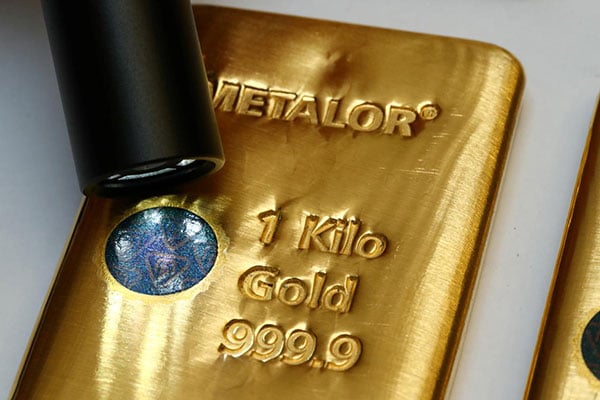
| 24-karat bullion | 99.5–99.99% | Investment grade |
Current market price. Licensed traders must use the Bank of Ghana’s official reference rate. A quick check: price per gram ≈ world spot price per troy ounce ÷ 31.1 × purity.
Transaction security. Pay only through regulated banks, ideally against delivery or through escrow. Never pay cash, crypto, or money transfers to personal accounts.
Due diligence on supplier credentials. Verify licenses directly with the issuing agency and have a lawyer in Ghana review contracts.
Watch for scam warning signs. Gold fraud targeting foreign buyers is common. Walk away if you see:
- A price well below the world spot price
- Upfront “fees” for export tax, clearance, insurance or stamp duty
- Gold “stuck at customs” that needs a payment to release
- Sellers who say they will export small-scale gold themselves
- Documents that cannot be verified, or refusal to meet in person
Documents and Processes For Exporting Gold from Ghana
- Export License. Always obtain an Export License from the Minerals Commission which is necessary for people looking to export gold out of Ghana.
- Certificate of Origin. Always acquire the letter of origin from the relevant authorities and this certificate authenticates the origin of the gold and verifying it source and processed in Ghana.
- Assay Report. Always obtain an assay report detailing the purity and weight of the gold is needed to meet export standards or international and assure buyers.
- Customs Declaration. Complete a customs declaration form detailing the quantity and value of the gold being exported in order to fulfill all legal requirements for exporting which includes tax and duty payments. gold trading in Ghana
Gold Market Insights and Pricing Trends in Ghana
Ghana’s gold prices follow the world gold price, as reflected in the Bank of Ghana reference rate. GoldBod has also directed licensed traders to buy gold in Ghanaian cedis.
The main factors that move prices are:
- The US dollar and interest rates. Gold usually rises when the dollar weakens, or rates fall.
- Central bank buying. Many central banks, including the Bank of Ghana, have been adding gold to their reserves.
- Geopolitical events. Uncertainty tends to push investors towards gold.
- The cedi exchange rate. This affects local prices in cedis.
- Government policy. GoldBod’s rules shape who can buy, sell, and export.
Demand for Ghanaian gold remains strong among buyers in Asia, Europe, the Middle East and North America for investment and jewelry. Before buying, check the latest spot price and recent policy announcements from GoldBod.
Ways of Marketing Your Gold Trading Business in Ghana
- Digital Marketing. Create a professional website, online advertising and use social media platforms to reach a global audience. Digital marketing like SEO and PPC ads these can help attract both local and international buyers.
- Participate in Gold and Investment Forums. Attend industry events, trade shows, and investment forums to connect with buyers, investors, and potential partners.
- Build Strong Local Partnerships. Build relationships with local agents, miners, and logistics providers to have a smooth operations which boosts credibility and collaborative marketing opportunities
Safety and Security Measures for Gold Traders
- Secure Transport and Storage. Use secure logistics services for transporting and secure and safe to store gold like Vaults and armored transport can provide added safety.
- Insurance Coverage. Always obtain a comprehensive insurance to insure your gold shipments and storage to mitigate risks of theft, damage, or loss.
- Partner with Reputable Security Firms. Always work with trusted security firms that specialize in asset protection mostly when transporting gold.
- Follow Anti-Money Laundering (AML) Guidelines. Understand the AML regulations to ensure legal compliance and reduce risks associated with fraud and illegal transactions.
Gold Scams in Ghana: How to Protect Yourself
Ghana is one of Africa’s leading gold-producing countries, but its reputation has also attracted fraudsters who target local and international buyers. Many scams involve fake dealers, forged export documents, counterfeit assay reports, or requests for advance payments before any gold is inspected.
Before purchasing gold in Ghana, verify that the seller is legally authorized to trade under the current regulatory framework. For small-scale gold, always confirm that the trader holds a valid GoldBod license. Never rely solely on copies of licenses or certificates sent by email or messaging apps—verify them with the issuing authority whenever possible.
Common Gold Scams in Ghana
| Scam | How It Works | How to Protect Yourself |
| Fake GoldBod License | Fraudsters use forged or altered licenses to appear legitimate. | Verify the license directly with GoldBod before proceeding. |
| Fake Assay Certificate | Counterfeit laboratory reports exaggerate the gold’s purity. | Use an independent, accredited refinery or laboratory to verify purity. |
| Advance-Fee Fraud | Buyers are asked to pay “clearance,” “security,” “tax,” or “release” fees before seeing the gold. | Do not send money until the gold and supporting documents have been independently verified. |
| Gold Offered Far Below Spot Price | Sellers advertise unrealistically cheap gold to attract buyers quickly. | Compare the offer with the current international spot price. Prices that are significantly lower than market value are a major warning sign. |
| Forged Export Documents | Fake export permits, certificates of origin, invoices, or shipping documents are presented to buyers. | Verify all export documents with the relevant Ghanaian authorities before making payment. |
| Fake Shipping or Escrow Companies | Criminals create fake logistics or escrow websites to appear credible. | Work only with established international logistics and escrow providers that you have independently verified. |
Best Practices for Buying Gold Safely in Ghana
To reduce the risk of fraud, conduct thorough due diligence before completing any transaction. Confirm the seller’s identity and license, arrange for an independent assay, inspect the gold whenever possible, and ensure that all transaction documents are genuine. Use secure payment methods, maintain proper contracts, and avoid transactions that rely solely on messaging applications or verbal promises.
For first-time buyers, starting with a smaller purchase allows you to evaluate the supplier’s professionalism, documentation, and compliance before committing to larger orders.
Warning Signs You Should Never Ignore
Stop the transaction immediately if a seller:
- Offers gold at prices far below the international spot price.
- Refuses an independent assay or inspection.
- Requests advance “release,” “customs,” or “clearance” fees before verification.
- Pressures you to make an immediate payment.
- Cannot provide verifiable GoldBod licensing or supporting documentation.
- Refuses to sign a formal sales agreement.
- Communicates only through unofficial messaging accounts without a verifiable business presence.
Taking these precautions can significantly reduce the risk of fraud and help ensure that your gold purchase complies with Ghana’s current legal and regulatory requirements.
How Buy Gold in Africa Limited Can Help
Buy Gold in Africa Limited is a Ghanaian gold trading company licensed by GoldBod. We help local and international clients buy Ghanaian gold through the legal system, from first enquiry to delivery.
Gold sales. We supply gold from verified, licensed small-scale sources at the official reference rate. For international buyers, we work within GoldBod’s off-take process.
Market analysis. We brief you on price trends, the cedi, and regulatory changes, so you buy at the right time and on the right terms.
Transport. We arrange insured, licensed security transport and storage in Ghana.
Document processing. We prepare and track your paperwork, including company documents, GoldBod applications, assay reports, and export files.
Why clients choose us: 10 years in the gold trade, 232 transactions completed. We will always show you our license up front and encourage you to verify it.
Get Started Today
Frequently Asked Questions
Can foreigners buy gold in Ghana?
Yes, but not directly from the local small-scale gold market. Under the Ghana Gold Board Act, 2025 (Act 1140), foreign individuals and companies can no longer purchase artisanal or small-scale gold from local traders or exporters. Instead, foreign buyers must apply to GoldBod and purchase gold through its approved off-take arrangements in accordance with Ghanaian law.
Who can obtain a gold trading license in Ghana?
GoldBod issues licences for the domestic trading of small-scale gold only to Ghanaian citizens aged 18 years or older and companies that are wholly owned by Ghanaian citizens. Foreign-owned or partially foreign-owned companies are not eligible to receive these licenses for trading artisanal gold within Ghana.
Is my old Minerals Commission or PMMC gold dealer license still valid?
No. Following the establishment of GoldBod under the Ghana Gold Board Act, 2025 (Act 1140), previous licenses issued for trading small-scale gold by the Minerals Commission, PMMC, or the Minister responsible for Mines are no longer valid for that sector. Businesses wishing to continue trading artisanal gold must obtain the appropriate licence from GoldBod.
How is the gold price determined in Ghana?
Licensed traders purchasing small-scale gold are required to use the Bank of Ghana’s official reference exchange rate when calculating payments. Gold prices are based on the prevailing international spot price, adjusted for factors such as purity, assay results, weight, and any applicable fees or premiums.
Can a private company export gold from Ghana?
Private companies cannot export small-scale (artisanal) gold. Under the current legal framework, GoldBod is the only entity authorized to export artisanal gold from Ghana. Different rules may apply to large-scale mining companies operating under separate mining agreements and export authorizations.
How can I verify that a gold seller in Ghana is legitimate?
Always verify that the seller or trader holds a valid GoldBod license, request an independent assay from a recognized laboratory or refinery, confirm the origin and ownership of the gold, and carefully review all export and transaction documents. Avoid sellers requesting advance “clearance,” “customs,” or “release” fees before inspection, as these are common indicators of fraud.
How long does it take to complete a gold purchase in Ghana?
The timeframe depends on the quantity of gold, completion of due diligence, document verification, assay procedures, and GoldBod’s processing requirements. In many cases, a properly documented international transaction can be completed within 7 to 21 days, including supplier verification, independent assay, regulatory approvals, export processing, shipment, and customs clearance.