Top 5 Cities Buying African Gold | (2026 Buyer’s Guide)
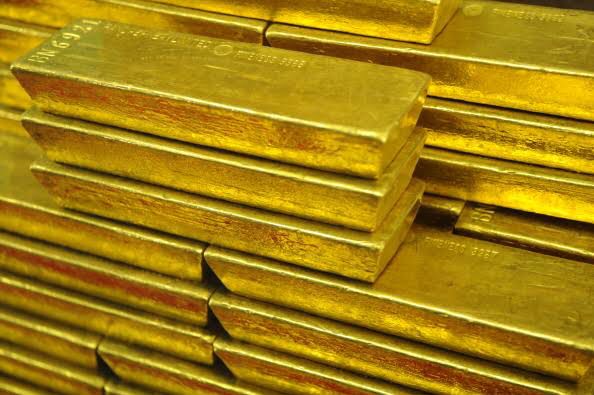
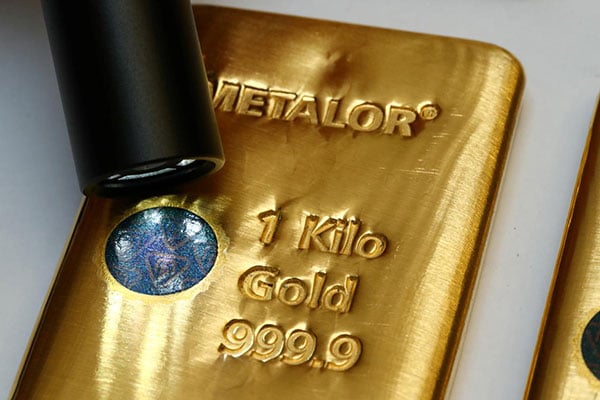
African gold is gold mined, refined, and exported from African countries such as Ghana, Uganda, Tanzania, Kenya, and South Africa. It is traded as gold bars, doré bars, nuggets, and gold dust and is purchased by investors, jewelers, refineries, and bullion dealers worldwide because of its high purity, global availability, and competitive pricing. Before buying African gold, it is essential to verify the supplier, confirm the gold’s purity through an independent assay, review export documentation, and comply with the import regulations of your destination country.
African gold continues to attract attention from investors, traders, jewelers, and bullion buyers around the world. In this guide, we look at the top five cities where African gold is most sought after, what makes these markets important, the purity standards buyers prefer, and the key things you should check before making a purchase.
Whether you are buying African gold for investment, resale, refining, or jewelry production, this guide will help you understand where demand is strongest and how to work with a reliable company that provides high-quality gold across Africa and beyond.
Summary Table: African Gold Demand Across Five Major Cities
| City | Typical Purity Preferred | Common Buyer Documents | Tax / Duty Notes | Main Regulator / Authority |
| New York, USA | 22K to 24K | Assay report, invoice, origin documents, KYC/AML records | Sales tax may apply depending on transaction type and location | U.S. Customs and Border Protection (CBP), FinCEN, state tax authorities |
| Singapore | 22K to 24K | Assay certificate, invoice, shipping docs, source-of-funds records | Qualifying investment-grade precious metals may be GST-exempt | Inland Revenue Authority of Singapore (IRAS), Singapore Customs |
| Mumbai, India | 22K to 24K | BIS-compliant paperwork, assay report, invoice, import and customs documents | Import duty and local taxes can raise retail prices | Bureau of Indian Standards (BIS), Indian Customs |
| Dubai, UAE | 22K to 24K | Assay certificate, invoice, export papers, KYC/AML records | VAT and free-zone rules may affect final cost | Dubai Multi Commodities Centre (DMCC), UAE Customs |
| London, UK | 22K to 24K | LBMA-style assay/traceability documents, invoice, source records | VAT treatment depends on gold type and trade structure | HM Revenue & Customs (HMRC), LBMA-related market standards |
What buyers should notice
African gold is usually most attractive in cities where buyers expect high purity, clear documentation, and strong compliance. Across these markets, 22K and 24K gold remain the most wanted for investment and bullion trade, while proper paperwork such as assay reports, invoices, and origin documents helps buyers reduce risk and verify quality.
Before You Buy African Gold: A 5-Point Buyer Checklist
Before sending payment or signing a purchase agreement, take a few minutes to verify these five essential items. This simple checklist can help reduce the risk of fraud, shipment delays, customs issues, and unexpected costs when buying African gold.
| What to Check | Why It Matters |
| 1. Verify the Supplier’s License | Confirm that the seller is a legally registered company and, where applicable, licensed by the relevant mining or precious metals authority. Ask for business registration details and verify them through official government sources whenever possible. |
| 2. Confirm Gold Purity and Assay Reports | Request an independent assay report showing the gold’s purity (for example, 99.5% or 99.99%), weight, and serial numbers for bullion bars. Independent testing provides greater confidence in the product you are purchasing. |
| 3. Review Export Documents | Ensure the seller can provide the required export documentation, such as export permits, customs paperwork, invoices, certificates of origin where applicable, and any other documents required by the exporting country and your destination country. |
| 4. Use a Secure Payment Method | Avoid sending funds through untraceable payment methods. Consider secure options such as bank wire transfers with proper documentation, escrow services where appropriate, or documentary letters of credit for larger commercial transactions. |
| 5. Calculate the Total Cost | Compare the gold price with the current international spot price and include refining charges, export fees, shipping, insurance, import duties, taxes, and customs clearance costs before committing to the purchase. |
Quick Tip for International Gold Buyers
The cheapest offer is not always the best value. A reputable, transparent supplier who provides verifiable documentation, independent assay reports, clear pricing, and compliant export procedures is generally a safer choice than an unusually low-priced offer with limited supporting information. Performing these five checks before every transaction can help you make a more informed purchasing decision and reduce the likelihood of costly mistakes.
What Is African Gold and Why Are These Five Cities Important?
African gold refers to gold mined from some of the world’s richest mineral regions, including Uganda, Ghana, Tanzania, Kenya, the Democratic Republic of the Congo (DRC), Mali, and South Africa. It is available in various forms, such as gold bars, nuggets, doré bars, and gold dust, and is traded by licensed mining companies, refiners, exporters, and precious metals dealers. International buyers value African gold because of its high purity, competitive pricing, and the continent’s significant contribution to global gold production.
The five cities featured in this guide are among Africa’s most important gold trading and export hubs. They host licensed gold dealers, refineries, assay laboratories, government regulators, international logistics providers, and customs authorities that facilitate legal gold transactions. Understanding how each city operates can help buyers compare prices, verify suppliers, prepare the correct documentation, and reduce the risk of fraud when sourcing gold from Africa.
Why African Gold Continues to Attract International Buyers
African gold is highly sought after by investors, bullion dealers, jewelry manufacturers, and precious metal traders around the world because Africa remains one of the largest gold-producing regions globally. Countries across the continent produce millions of ounces of gold each year, supplying international refineries, central banks, industrial manufacturers, and private investors. Depending on the source, African gold may be refined into 99.99% investment-grade bullion or traded as doré bars before further refining.
The five cities covered in this guide have become major centers for gold buying, selling, refining, and exporting. Each city offers different advantages, including established bullion markets, access to mining regions, licensed exporters, international airports, and government agencies responsible for regulating precious metals. Comparing these cities helps buyers identify the most suitable location based on pricing, legal requirements, shipping options, and supplier verification.
Understanding African Gold Before Choosing Where to Buy
Before purchasing gold from Africa, it is important to understand what African gold is and where it is legally traded. African gold includes bullion bars, doré bars, nuggets, gold dust, and refined investment gold produced by mines and refineries across the continent. While Africa offers excellent sourcing opportunities, buying safely requires working only with licensed suppliers, verifying export documentation, confirming assay reports, and complying with both local regulations and import laws in the destination country.
The five cities highlighted in this article are recognized as key locations for legitimate gold trade because they connect mining operations with refineries, exporters, international shipping companies, and government regulators. By comparing these cities, buyers can better understand differences in gold availability, market conditions, documentation requirements, taxes, and export procedures before making a purchase.
Why These Five African Cities Are Major Gold Trading Hubs
Africa plays a vital role in the global gold market, supplying gold for investment, jewelry manufacturing, technology, and central bank reserves. Gold produced across the continent is traded through licensed dealers, accredited refineries, and authorized exporters before being shipped to buyers worldwide. Because regulations, infrastructure, and supplier networks vary from country to country, choosing the right trading location is an important part of purchasing gold safely.
The five cities featured in this guide have earned recognition as major gold trading hubs due to their proximity to mining regions, established refining capacity, international transport links, and regulatory oversight. Whether you are comparing gold prices, searching for a reputable supplier, or preparing to import bullion legally, these cities represent some of the most important destinations for African gold buyers.
Dubai, UAE: The City of Gold
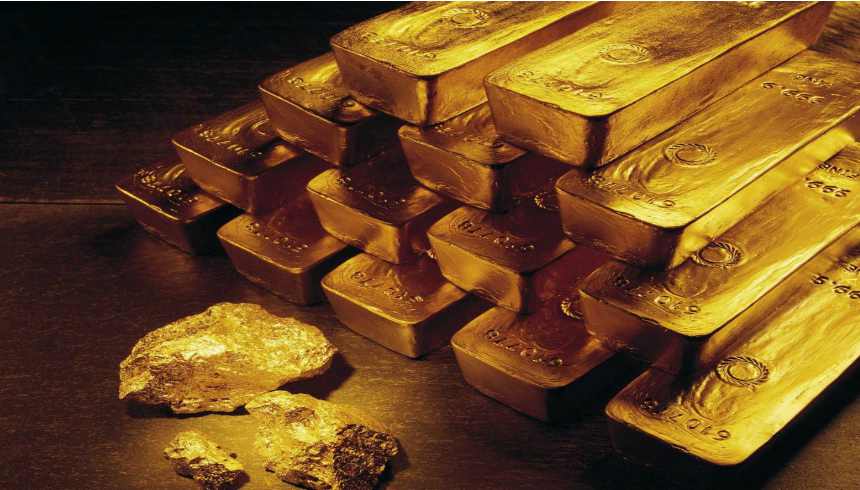
Dubai is widely known as the “City of Gold” and is one of the world’s leading precious metals trading hubs. Its well-established gold souks, modern refineries, international logistics network, and regulated bullion market attract investors, jewelers, wholesalers, and commercial gold buyers from around the world, including those sourcing gold from Africa.
Gold Prices: Gold prices in Dubai closely follow the international spot market and are updated throughout the trading day. Retail prices include premiums for fabrication, refining, and dealer margins, while wholesale transactions are generally negotiated closer to the live spot price. Buyers should always verify the current market price before completing a purchase.
Gold Purity & Sourcing: Gold traded in Dubai is commonly available in 24K (999.9 fine) and 22K purity, with products sourced from international refineries and gold-producing regions worldwide, including several African countries. Bullion sold through reputable dealers is typically accompanied by assay certificates and weight verification.
Buying Requirements: Individual buyers are generally required to present valid identification, such as a passport or Emirates ID, when required by the seller or applicable regulations. Commercial buyers and businesses may need to provide company registration documents, trade licenses, and comply with applicable Know Your Customer (KYC) and Anti-Money Laundering (AML) requirements, particularly for high-value or commercial transactions.
Why do many international buyers choose Dubai?
- Competitive gold pricing linked to global spot markets.
- A large selection of LBMA-recognized bullion products.
- Modern refineries and accredited assay facilities.
- Excellent international air cargo and logistics connections.
- A well-developed precious metals trading ecosystem serving buyers from Africa, Europe, Asia, and the Middle East.
London, UK The Global Hub for Gold Trading
- Gold Prices. London is a center hub for gold trading having prices averaging around $65 to $70 per gram for 24K gold and these change depending on world market trends.
- Gold Purity. The London Bullion Market Association (LBMA) sets strict standards African gold must meet these guidelines like 24K purity.
Requirements Needed when buying Gold.
- Buyers must have an LBMA account for large trades and show proof of compliance with UK anti-money laundering (AML) laws.
- Buyers must provide valid identification like a passport or driver’s license.
Documents Needed.
- Certificate of origin
- LBMA certification (if applicable)
- Proof of payment
- Tax compliance certificate (if imported)
Factors to Consider when buying gold in the UK
- make sure to verify the dealer’s credentials and reputation.
- Always understand the VAT implications like gold purchases may be subject to tax.
- Be mindful of the London Bullion Market Association (LBMA) standards.
New York, USA: The Heart of Gold Investment in North America
African gold is highly sought after in New York because the city is one of the world’s most important hubs for gold trading and investment. New York buyers prefer high-purity gold, especially 22K and 24K African gold, because it meets international bullion standards, offers strong resale value, and meets active demand from investors, jewelers, and bullion dealers. Buy Gold in Africa Limited helps buyers source high-quality African gold for local and international markets with a focus on trust, purity, and reliable delivery.
Gold Prices in New York
New York gold prices usually follow live international spot rates. At present, 24K gold trades at about $135 to $140 per gram, depending on market movement, inflation pressure, and the strength of the U.S. dollar. Because New York is tied closely to global bullion pricing, even small changes in world markets can affect the local value of African gold.
Gold Purity and Sourcing
Gold sold in New York, including imported African gold, is commonly offered in 22K and 24K purity levels. Buyers expect proper assaying, verified documentation, and compliance checks before purchase. This makes New York a trusted destination for serious gold investors who want genuine, high-quality gold from recognized global sources.
Why New York Matters for African Gold Buyers
New York remains a major global center for bullion trading, jewelry demand, and investment-grade gold. Its reputation for strict quality standards, strong financial systems, and active gold markets makes it one of the best cities for sourcing and reselling African gold.
Buying Requirements Buying gold in New York
- Buyers must adhere to U.S. import regulations like providing proof of purchase and compliance with AML and terrorist financing laws.
- Buyers must present valid identification like a passport or state-issued ID.
Documents Needed
- Certificate of authenticity and assay report
- Customs declaration forms
- Invoice of purchase
- Identification and tax compliance records
- Proof of income or source of funds
Factors to Consider When Buying Gold in New York
- Always ensure the dealer is reputable check his credentials before making any purchase and give authentic gold.
- Always be aware of potential sales tax on gold purchases.
- Make sure you Monitor market trends and understand the current world market gold prices.
Singapore: The Gold Trading Powerhouse in Asia
African gold is in demand in Singapore because the city is one of Asia’s most trusted gold trading hubs, with strong international pricing, strict purity checks, and a business-friendly tax structure for qualifying investment-grade precious metals. Buyers in Singapore often look for 22K and 24K African gold because it offers high purity, strong liquidity, and reliable appeal for investment and bullion trading. Buy Gold in Africa Limited helps buyers source high-quality African gold for local and international markets with trusted supply and compliance support.
Gold Prices in Singapore
Singapore’s gold prices usually follow competitive international benchmarks. At present, 24K gold trades at about $135 to $140 USD per gram, which is roughly $175 to $190 SGD per gram, depending on live spot market movement. Prices remain attractive to investors because Singapore is widely recognized for its efficient gold market and zero GST on qualifying investment-grade precious metals.
Gold Purity and Sourcing
Singapore enforces strict purity standards and mainly trades 22K and 24K gold for bullion and investment use. As a major global trading hub, the city regularly imports refined and raw gold from international supply chains, including Africa, as long as the shipments meet proper assay, documentation, and responsible sourcing requirements.
Why Singapore Matters for African Gold Buyers
Singapore is important for African gold buyers because it combines strong market confidence, high purity expectations, and easy access to global trade networks. These factors make it one of the best cities for investors, traders, and institutions looking to buy, sell, or move African gold efficiently.
Buying Requirements Needed When Buying Gold
Buyers must provide identification like a passport or NRIC (National Registration Identity Card).
Buyers must verify sellers’ credibility and stick to Singapore’s strict due diligence processes. For large transactions, buyers might need to provide proof of funds.
Documents Needed
- Certificate of origin and purity
- Invoice of sale
- Customs documentation (if importing)
- Proof of payment
Factors to Consider When Buying Gold
- make sure you check for certification and authenticity of the gold.
- Always understand the implications of Goods and Services Tax (GST).
- make sure before you buy you research the dealer’s reputation and track record.
Mumbai, India: The Financial Capital with High Gold Demand
African gold is in strong demand in Mumbai because the city is one of India’s largest gold trading and jewelry markets, with high consumer demand, active bullion buying, and strict quality expectations. Buyers in Mumbai often prefer 22K and 24K African gold because of its purity, investment value, and suitability for both refining and jewelry production. Buy Gold in Africa Limited helps buyers source high-quality African gold for local and international markets with trusted supply and compliance support.
Gold Prices in Mumbai
Mumbai remains one of the main centers of gold demand in India. Local retail 24K gold trades at about $135 to $140 USD per gram, which is roughly ₹15,700 per gram, depending on live global spot prices, import duties, taxes, and market conditions.
Gold Purity and Sourcing
In Mumbai, high-purity 22K and 24K gold is the preferred standard for bullion buyers, refiners, and jewelers. African gold imported through global trade channels is often valued for its quality, but every shipment must pass strict testing and compliance checks before sale. In India, commercial gold also must meet BIS hallmarking requirements, which helps protect buyers and maintain product credibility.
Why Mumbai Matters for African Gold Buyers
Mumbai is one of the most important gold markets in Asia because it combines strong domestic demand, established refining networks, and a large retail jewelry sector. For buyers interested in African gold, the city offers major opportunities for investment, resale, and manufacturing, especially when the gold meets purity and documentation standards.
Buying Requirements.
Buyers need to comply with India’s Bureau of Indian Standards (BIS) guidelines and declare gold quantities exceeding specified limits.
Documents Needed
- Certificate of origin
- Proof of customs duty payment
- Assay report
- Tax compliance certificate
General Factors to Consider When Buying Gold in These Cities
- Gold Purity. Always ensure the gold you are buying meets international purity standards like 22K or 24K make sure you verify this through assay reports and certifications.
- Market Price Trends. Gold prices fluctuate based on current world gold trends and monitor spot prices in each city before making a purchase.
- Authenticity and Certification. Always ensure that the gold comes with proper certification to verify its purity and authenticity request for certificates of origin, assay reports, and other documentation to confirm the authenticity of the gold.
- Buying Platform or Dealer Credibility. Always make sure you take time and research the dealer’s reputation this will help you work with verified dealers or established exchanges to minimize risks and check reviews and testimonials for assurance.
- Regulatory Compliance. Make sure you understand the buying and import/export requirements in each city like tax policies, licensing, and customs regulations.
- Source of Gold. Always understand where the gold is sourced from mostly when buying African gold because ethical sourcing is increasingly important to many buyers.
Conclusion
When buying African gold in any of these cities, it’s important to ensure that the gold meets international purity standards, is ethically sourced, and comes with proper certification.
Always staying informed about market trends, understanding the local buying requirements, and verifying the reputation of gold dealers, you can make smarter, safer investments.
if you’re in Dubai, London, New York, Singapore, or Mumbai, these cities provide excellent opportunities for buying high-quality African gold.
Contact Buy Gold in Africa to help you buy from trusted sources to secure the best deals and avoid potential risks.
Frequently Asked Questions About African Gold
1) Which city pays the most for African gold?
The city that pays the most for African gold is usually the one with the strongest live bullion market, the highest buyer confidence, and the lowest tax friction at the time of sale. In many cases, Dubai, Singapore, New York, and London can offer very competitive prices for high-purity 22K and 24K African gold, but the final amount depends on spot price, assay quality, documentation, shipping costs, and local taxes or duties. Sellers often receive the best net value in cities where gold is traded transparently and verified quickly.
2) What documents are needed to import gold into the UK?
To import gold into the UK, buyers usually need a commercial invoice, packing list, assay certificate, origin documents, customs declaration, and compliance records such as KYC or source-of-funds details where required. The exact paperwork can vary depending on whether the gold is for investment, refining, resale, or jewelry use. Buyers should also confirm HMRC requirements before shipping to avoid delays, penalties, or incorrect tax treatment.
3) Why is African gold in high demand in global markets?
African gold is in high demand because buyers value its purity, investment potential, and strong resale demand in international markets. Many buyers prefer African gold in 22K and 24K forms because it can be used for bullion, refining, jewelry manufacturing, and long-term holding. Demand is especially strong in cities with active gold trading systems, strict verification standards, and reliable import channels.
4) What purity level is best for buying African gold?
The best purity level depends on your purpose. 24K African gold is usually preferred for investment and bullion because it is closest to pure gold, while 22K African gold is often favored for jewelry and markets that want a balance between purity and durability. Buyers should always check the assay report, weight, and fineness before making payment.
5) How can buyers verify African gold before paying?
Buyers can verify African gold by checking the assay certificate, seller identity, origin documents, weight, purity, and export paperwork before sending money. For higher safety, buyers should also use an independent assayer, confirm the seller’s business registration, and compare the quoted price with live market rates. Trusted companies like Buy Gold in Africa Limited help buyers source high-quality African gold with better transparency and documentation support.