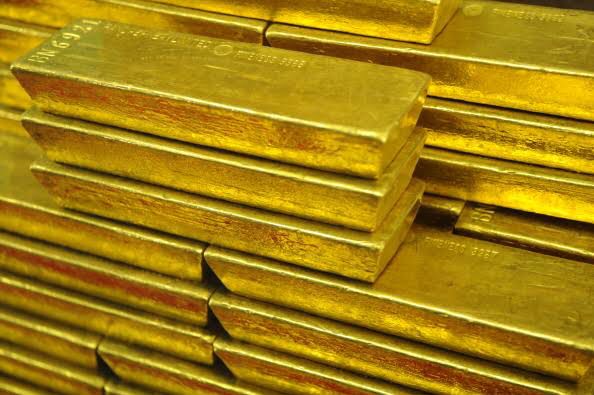
Where to Buy Gold in Kenya |Trusted Dealers & Live Prices Updated
Where can you buy gold in Kenya? You can buy gold in Kenya from licensed gold dealers, reputable refineries, established jewelry stores, authorized bullion suppliers, and verified gold exporters who comply with Kenyan mining and trading regulations. Before purchasing, always verify the seller’s business registration, trading or mining license (where applicable), request an independent assay certificate, and ensure the gold is accompanied by legal ownership and export documentation. Buying from trusted and transparent dealers helps protect you from counterfeit gold, fraudulent sellers, and illegal transactions.
Kenya has become one of East Africa’s growing gold trading hubs, attracting investors, jewelers, collectors, and international buyers seeking 24K gold bars, gold bullion, gold coins, gold nuggets, and fine gold jewelry. Whether you are making your first gold investment or purchasing bullion for long-term wealth preservation, knowing where to buy gold in Kenya is essential for finding authentic gold at competitive prices while staying compliant with Kenyan laws.
Buy Gold in Africa Limited is a reputable company that connects local and international buyers with verified gold suppliers and reputable dealers across Kenya and East Africa. The company helps clients source authentic gold, verify documentation, arrange independent gold testing, and complete secure transactions at competitive market prices. Every transaction should be supported by proper due diligence, including verification of the seller, assay reports, ownership records, and applicable export documentation.
In this comprehensive guide, you’ll discover:
- Where to buy gold in Kenya safely and legally
- Trusted gold dealers in Nairobi
- Where to buy authentic gold bars and bullion
- The best places to buy gold coins in Kenya
- Reputable jewelry stores in Nairobi
- Current gold prices in Kenya
- How to verify gold before buying
- Common gold scams and how to avoid them
- The legal documents you should request before making a purchase
Verify Buy Gold in Africa Limited Before You Buy
Before purchasing gold through any company, always verify its registration details and contact information.
| Company Information | Details |
| Legal Company Name | Buy Gold in Africa Limited |
| Registration Number | 80034944346987 |
| Country of Registration | Uganda |
| Office Address | Kasangati Town Council, Wakiso District, Uganda |
| Authorized Representative | Kabiito Jamil |
| Phone | +256 785 307 551 |
| info@buygoldinafrica.com | |
| Website | https://buygoldinafrica.com |
Applicable Mining or Trading License (Where Required)
| License | Number |
| Mining/Trading Licence | MDL20260708 |
Important: Before purchasing gold from any dealer in Kenya, independently verify the company’s registration, applicable licenses, assay certificates, and supporting documentation with the relevant authorities. Proper due diligence helps reduce the risk of fraud and ensures you are dealing with a legitimate business.
Overview of Gold Markets, Refineries, and Dealers in Kenya
Kenya has become an important destination for gold trading in East Africa, serving investors, jewelry buyers, refiners, exporters, and international bullion traders. Buyers can purchase gold bars, gold coins, gold jewelry, and other precious metal products through licensed dealers, jewelry stores, and reputable trading companies. Before purchasing gold in Kenya, always verify the seller’s business registration, request assay documentation, and ensure the transaction complies with applicable Kenyan laws and regulations.
Where to Buy Gold in Kenya
Kenya has several major gold trading locations where buyers can source investment-grade gold bars, bullion coins, and certified jewelry.
| Gold Market | Location | Products Available | Best For |
|---|---|---|---|
| Nairobi Gold Market | Nairobi CBD & Westlands | Gold bars, bullion, jewelry, investment gold | Investors, jewelers, wholesalers |
| Kakamega Gold Market | Kakamega County | Locally mined gold, gold nuggets, raw gold | Local traders and refiners |
| Mombasa Gold Dealers | Mombasa | Gold jewelry, bullion products, investment gold | Tourists, investors, exporters |
| Licensed Precious Metal Dealers | Across Kenya | Certified gold bars, coins, jewelry | Buyers seeking verified gold products |
Buyer Tip: Always purchase gold from businesses that can provide proof of ownership, invoices, assay certificates, and documentation demonstrating the source and purity of the gold.
Gold Refineries in Kenya
Gold refineries process raw gold into refined bullion and investment-grade products. Reputable refiners use professional refining techniques and purity testing to produce gold that meets recognized industry standards.
| Gold Refinery | Location | Primary Services | Products |
|---|---|---|---|
| Kenya Gold Refinery | Nairobi | Gold refining, assay, bullion production | Refined gold bars and bullion |
| Alinani Precious Metals | Kakamega | Gold refining and precious metals trading | Refined gold and investment products |
| Precious Metal Refiners | Various locations | Gold purification and assay services | Investment-grade bullion and refined gold |
Note: Before conducting high-value transactions, independently verify a refinery’s licensing, business registration, and current operating status with the appropriate Kenyan authorities.
Verify Buy Gold in Africa Limited Before You Buy
If you are considering purchasing gold through Buy Gold in Africa Limited, verify the company’s registration details, business information, and documentation before making any payment. Buyers should always carry out independent due diligence and request all relevant transaction documents.
| Company Information | Details |
|---|---|
| Company Name | Buy Gold in Africa Limited |
| Registration Number | 80034944346987 |
| Country of Registration | Uganda |
| Head Office | Kasangati Town Council, Wakiso District, Uganda |
| Authorized Representative | Kabiito Jamil |
| Telephone | +256 785 307 551 |
| info@buygoldinafrica.com | |
| Website | https://buygoldinafrica.com |
| Applicable Mining or Trading Licence (if required) | MDL20260708* |
*Buyers should independently verify the licence number and its status with the relevant issuing authority before completing any transaction.
Safe Gold Buying Checklist
Before buying gold in Kenya or from any international supplier:
- Verify the company’s registration and physical office.
- Confirm any applicable licences with the relevant authority.
- Request an independent assay certificate showing the gold’s purity.
- Obtain a detailed invoice and sales agreement.
- Verify proof of ownership and lawful source of the gold.
- Use secure payment methods and keep complete transaction records.
- For large purchases, consider using an independent inspection or escrow service.
Following these steps can help reduce the risk of fraud and increase confidence when purchasing investment-grade gold in Kenya or elsewhere in East Africa.
Reliable Places to Buy Gold in Kenya
Kenya has several gold trading hubs, from government-licensed dealers to independent merchants. Here are six of the best places to buy gold in Kenya:
Nairobi Gold Market (Gold Dealers in the Capital):
Nairobi is Kenya’s primary gold trading hub, with numerous licensed dealers operating in the city. Investors can find gold bars, bullion, and jewelry from reputable merchants and they’re located in the Central Business District (CBD) they offer both raw and refined gold prices vary based on global gold rates
Mombasa Gold Trading Hub:
Mombasa, is Kenya’s largest port city with another major gold trading center many importers and exporters operate here which makes it a good place to buy investment-grade gold ideal for wholesale buyers and exporters offers both gold bars and jewelry close to international shipping routes
Local Gold Mines & Artisanal Miners (Kakamega, Migori, Turkana):
Kenya has several gold mining regions like Kakamega (Western Kenya) and Migori near the Tanzania border Turkana (Northwestern Kenya) Buying directly from miners can be cost-effective, but due diligence is required to ensure legality and gold purity. They offer lower prices compared to city dealers and they require export permits for bulk purchases always be aware of counterfeit gold if not tested properly
Gold Refining Companies in Kenya:
Several gold refineries operate in Kenya they offer assayed and certified gold bars like Kenya Gold Refinery Ltd and Aurum Gold Refinery and they ensure high-quality and legally sourced gold which is best for bulk buyers and exporters
Online Gold Trading Platforms:
Several online platforms allow investors to buy and sell gold in Kenya always only using reputable websites to avoid scams. These are convenient for small-scale buyers and they require careful verification of seller credentials
Trusted Places to Buy Gold in Nairobi
Nairobi, Kenya’s capital, has a concentration of licensed gold dealers offering a range of products from gold bars to custom jewelry. Here are five reliable places to buy gold in Nairobi.
Gold Dealer in Nairobi CBD:
Many reputable gold dealers operate in the Nairobi Central Business District (CBD) and most are located in high-security buildings like Queensway House, Hughes Building, and International House. Which is ideal for both retail and wholesale buyers they offer gold bars, coins, and jewelry
Gold Refinery Outlets:
Refineries like Kenya Gold Refinery Ltd have direct retail outlets where buyers can purchase certified gold bars at international rates. Best for investors looking for high-purity gold they offer competitive pricing based on London Bullion Market Association (LBMA) rates
Licensed Gold Exporters & Brokers:
Some of Nairobi’s largest gold trading companies operate within Westlands, Upper Hill, and Karen these companies specialize in bulk gold sales and export services and always ensure safe and legal transactions. This is Ideal for exporters and bulk investors these provide certification and assay reports.
High-End Jewelry Stores (Gold & Diamond Shops):
Luxury gold retailers in Sarit Centre, Village Market, and Two Rivers Mall sell premium gold jewelry, coins, and collectibles which are best for custom gold jewelry and gifts they for high-quality designs with diamond and gemstone options
Online Gold Marketplaces & Private Dealers:
Some registered dealers operate online gold marketplaces where buyers can place orders for gold bars or coins. However, it is essential to verify the legitimacy of sellers, especially for remote buyers who require proper authentication before making any purchases
Where to Buy Gold Coins in Kenya
Gold coins are a popular choice for investors, collectors, and gift buyers because they combine the intrinsic value of gold with the convenience of standardized weights and recognized designs. Whether you are looking for investment bullion coins or collectible commemorative coins, Kenya offers several purchasing options. Before buying, always verify the coin’s authenticity, purity, and seller credentials.
Banks and Financial Institutions
Some financial institutions may occasionally facilitate access to investment-grade gold products through specialized wealth management or precious metals services, although retail availability is generally limited. When available, these coins typically come with recognized authenticity standards and secure transaction processes. Buyers should contact individual institutions directly to confirm current availability, pricing, and eligibility requirements.
Licensed Gold Dealers in Nairobi and Mombasa
Licensed precious metal dealers in Nairobi and Mombasa are among the most common places to purchase investment-grade gold coins. Many reputable dealers offer internationally recognized bullion coins such as the South African Krugerrand, American Gold Eagle, Canadian Gold Maple Leaf, Australian Kangaroo, and Austrian Gold Philharmonic, as well as selected commemorative coins. Prices usually reflect the live international gold price plus a dealer premium, and reputable dealers should provide invoices, purity information, and proof of authenticity.
Gold Refineries and Minted Bullion Dealers
Gold refineries and authorized bullion dealers may sell minted gold coins produced to internationally recognized purity standards, often 999.9 fine gold (24K). These coins are typically assayed, stamped, and packaged with authenticity documentation, making them suitable for investors seeking long-term wealth preservation and highly liquid gold products.
Online Gold Coin Dealers
Several online precious metal dealers and collectible coin retailers offer gold coins with nationwide delivery throughout Kenya. Online shopping allows buyers to compare prices, coin designs, and availability from multiple sellers. Before placing an order, verify that the dealer has a strong reputation, transparent pricing, secure payment options, customer reviews, and clear return and authenticity policies.
Important Buying Tips
When purchasing gold coins in Kenya, always confirm the coin’s weight, purity, and authenticity. Request a detailed invoice and any available certificate of authenticity, compare premiums from multiple reputable dealers, and avoid sellers offering prices significantly below the prevailing international gold market. For higher-value purchases, consider having the coin independently verified by a qualified precious metals expert before completing the transaction.
Where to Buy Gold Jewelry in Nairobi
Nairobi offers a wide range of places to buy gold jewelry, from luxury boutiques and established jewelers to custom goldsmith workshops and artisan markets. Whether you are shopping for an engagement ring, wedding band, gold necklace, bracelet, earrings, or a custom-made piece, the table below compares the best places to buy gold jewelry in Nairobi.
| Place to Buy | Best For | What You Can Buy | Advantages | Things to Consider |
| High-End Jewelry Stores (Sarit Centre, Westgate Mall, Village Market) | Luxury jewelry, engagement rings, investment-quality pieces | Gold rings, necklaces, bracelets, earrings, wedding bands, diamond jewelry, custom designs | Certified gold, premium craftsmanship, warranties, professional customer service | Prices are generally higher because of brand reputation and craftsmanship. |
| Goldsmith Shops in Nairobi CBD | Custom-made jewelry and repairs | Personalized rings, pendants, chains, bangles, earrings, jewelry repairs and resizing | Skilled craftsmen, custom designs, competitive pricing, repair services | Request a detailed quotation and confirm the gold purity before ordering. |
| Craft Markets & Artisan Jewelers (Maasai Market, Kariokor Market) | Handmade and unique jewelry | Handcrafted jewelry, gold-plated accessories, traditional African-inspired designs, custom pieces | Unique designs, affordable prices, supports local artisans | Many products are gold-plated rather than solid gold, so always confirm the material and purity before purchasing. |
| Wholesale Jewelry Dealers in Eastleigh | Bulk purchases and affordable jewelry | Gold chains, bangles, earrings, bracelets, wedding jewelry, wholesale orders | Competitive pricing, bulk discounts, wide product selection | Compare prices between dealers and request receipts and purity certificates where available. |
| Online Jewelry Stores in Kenya | Convenient shopping and nationwide delivery | Gold jewelry, customized jewelry, wedding rings, bracelets, necklaces, earrings | Shop from home, compare prices easily, home delivery options | Buy only from reputable sellers with verified customer reviews, secure payment methods, and clear return policies. |
Tips for Buying Gold Jewelry in Nairobi
Before purchasing gold jewelry in Nairobi, always verify the karat (24K, 22K, 18K, or 14K), ask for a receipt and purity certification where available, compare prices from several reputable dealers, and inspect the jewelry for quality hallmarks. If you are making a high-value purchase, consider obtaining an independent appraisal or assay to confirm the gold’s authenticity and value.
Gold Price Comparison in Kenya (Per Gram & Per Kilogram)
The table below provides an estimated comparison of international gold prices by purity. Prices are based on global spot market benchmarks and are intended for educational purposes. Actual buying and selling prices in Kenya may vary depending on international gold prices, exchange rates, dealer premiums, refining costs, taxes, transport, and assay fees.
| Gold Purity | Approximate Price Per Gram (USD) | Approximate Price Per Kilogram (USD) | Estimated Price Per Gram (KES)* | Common Use |
| 24K (999.9 Fine Gold) | $137 – $140 | $137,000 – $140,000 | KES 17,800 – 18,200 | Investment bullion, bars, and coins |
| 22K (916 Gold) | $125 – $128 | $125,000 – $128,000 | KES 16,300 – 16,600 | Investment and premium jewelry |
| 18K (750 Gold) | $102 – $105 | $102,000 – $105,000 | KES 13,300 – 13,600 | Fine jewelry |
| 14K (585 Gold) | $80 – $83 | $80,000 – $83,000 | KES 10,400 – 10,700 | Everyday jewelry |
Note. Estimated Kenyan Shilling prices are calculated using an approximate exchange rate of 1 USD ≈ 129.5 KES. Retail prices may differ depending on dealer margins, local taxes, refining charges, transport costs, and assay certification.
Top Trusted Gold Suppliers in Kenya
If you’re looking for authentic and legally sourced gold these are the top trusted gold suppliers:
- GoldPricesInAfrica.com. A leading platform for up-to-date gold prices and verified gold dealers.
- Alinani Precious Metals. These are known for Supplying refined gold bars and coins for investors.
- Kenya Bullion Exchange. They specialize in bullion and investment-grade gold.
- Royal Jewelry & Gold Traders. These are known for offering certified gold for jewelry and resale.
How to Verify Gold Before Buying in Kenya
Purchasing gold is a significant financial investment, so verifying its authenticity should always be your priority. Whether you are buying gold bars, bullion, gold coins, gold nuggets, or scrap gold in Kenya, never rely solely on the seller’s claims, certificates, or photographs. Authentic gold should be verified using internationally recognized testing methods, including hallmark inspection, weight and dimension measurements, X-ray fluorescence (XRF) analysis, and, where appropriate, fire assay. Using independent testing before making final payment helps reduce the risk of buying counterfeit, gold-plated, or under-purity products.
Check the Hallmarks and Refinery Marks
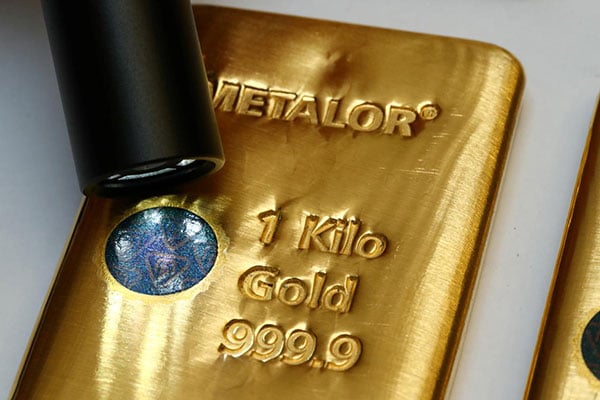
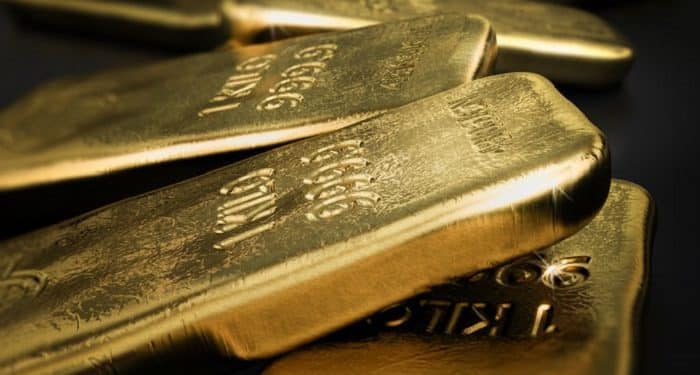
The first step is to inspect the gold carefully for hallmarks and identifying marks. Most investment-grade gold bars and many bullion coins are stamped with information that identifies the manufacturer and purity.
A genuine gold bar may include:
- Refinery or manufacturer’s logo
- Weight (1 g, 10 g, 100 g, 1 kg, etc.)
- Purity (999.9, 999, 995, or 916)
- Serial number
- Assayer’s mark (where applicable)
- Country of manufacture
Popular international refiners include PAMP Suisse, Valcambi, Argor-Heraeus, Metalor, Perth Mint, Royal Canadian Mint, and The Royal Mint.
Remember that hallmarks alone do not prove authenticity. Counterfeit bars can carry fake serial numbers and copied refinery logos, so additional testing is always recommended.
Verify the Weight
Gold has a very high density, making accurate weighing one of the simplest ways to identify obvious problems.
Use a calibrated digital scale capable of measuring to at least 0.01 grams.
Common bullion weights include:
| Gold Product | Standard Weight |
| 1 gram bar | 1 g |
| 5 gram bar | 5 g |
| 10 gram bar | 10 g |
| 1 ounce bar | 31.1035 g |
| 100 gram bar | 100 g |
| 1 kilogram bar | 1,000 g |
Even a small difference from the stated weight may justify further investigation, particularly for investment bullion.
Measure the Dimensions
Professional buyers compare the length, width, and thickness of a gold bar with the manufacturer’s published specifications.
Because gold is extremely dense, counterfeit bars made from lighter metals are often too large, while bars containing dense substitute metals may still show dimensional inconsistencies or manufacturing defects.
Using digital calipers together with weight measurements can help identify suspicious products before more advanced testing is performed.
Use X-Ray Fluorescence (XRF) Testing
X-ray fluorescence (XRF) is one of the most widely used non-destructive methods for testing precious metals.
An XRF analyzer uses X-rays to determine the elemental composition of the metal without damaging the gold.
An XRF report typically identifies:
- Gold percentage
- Silver content
- Copper content
- Platinum group metals (if present)
- Other trace elements
Advantages of XRF testing include:
- No damage to the gold
- Results in seconds
- High accuracy for surface composition
- Suitable for bullion, jewelry, and coins
- Widely used by refineries, bullion dealers, and assay laboratories
Because XRF primarily measures surface composition, it may not detect every sophisticated counterfeit. For high-value transactions, buyers sometimes combine XRF with other verification methods.
Fire Assay Testing
Fire assay is widely regarded as the reference method for determining the precious metal content of gold.
During this laboratory procedure, a small sample of the gold is analyzed under controlled conditions to determine its precious metal content with a high degree of accuracy.
Fire assay is commonly used by:
- Precious metal refineries
- Accredited assay laboratories
- Mining companies
- Government laboratories
- Commercial assayers
Although highly accurate, fire assay is destructive, meaning a small portion of the sample is consumed during testing. It is generally used when precise laboratory confirmation is required.
Density (Specific Gravity) Testing
Gold has a density of approximately 19.32 g/cm³, which is significantly higher than many common metals.
By measuring the weight of the gold in air and in water, professionals can estimate its density and identify products that may contain other metals.
Density testing is often used alongside XRF, dimensional measurements, and visual inspection.
Magnetic Testing
Pure gold is not magnetic.
If a magnet strongly attracts a gold bar or coin, this is a warning sign that another metal may be present.
However, a non-magnetic result does not prove authenticity because many counterfeit metals are also non-magnetic. Magnetic testing should only be used as a preliminary screening tool.
Request an Independent Assay Certificate
Before purchasing investment-grade gold, ask for a recent assay certificate issued by a reputable laboratory or refinery.
The certificate may include:
- Purity
- Weight
- Sample identification
- Date of testing
- Laboratory details
- Testing method used
Whenever possible, verify the certificate directly with the issuing laboratory or refinery.
Where Can You Get Gold Independently Tested in Nairobi?
If you are purchasing gold in Nairobi, consider arranging testing through an independent precious metals assay laboratory, an accredited refinery with assay services, or another qualified testing facility before completing the transaction. Some established bullion dealers and refineries may also offer testing services for precious metals.
Before relying on any testing provider, confirm:
- Their experience with precious metals.
- Whether they use calibrated XRF equipment.
- Whether they offer fire assay where appropriate.
- Whether they are independent of the seller.
- Whether they provide a written assay report.
Because laboratories, services, and accreditation status can change, contact the facility directly to confirm the testing methods available and any applicable fees before submitting your gold.
Best Practice for High-Value Gold Purchases
For large purchases, do not rely on a single verification method. Experienced buyers often combine multiple checks, including hallmark inspection, accurate weight measurement, dimension verification, XRF analysis, and, where necessary, independent fire assay. Using more than one testing method significantly increases confidence that the gold matches its stated purity and weight.
Independent verification is one of the most effective ways to protect yourself from counterfeit bullion and fraudulent transactions. Spending a small amount on professional testing can help prevent costly mistakes and provide greater confidence in your investment.
How Gold Pricing Works in Kenya: Understanding Spot Price, Dealer Premiums, and the Buy/Sell Spread
Knowing how gold is priced is essential before purchasing gold bars, bullion, coins, or jewelry in Kenya. Many first-time buyers assume the international gold price is exactly what they will pay, but that is rarely the case. The final purchase price usually includes the international spot price, dealer premium, and other legitimate costs such as refining, fabrication, transportation, insurance, taxes (where applicable), and business operating expenses. Understanding these pricing components helps you compare offers from different dealers and avoid overpaying.
What Is the Gold Spot Price?
The spot price is the current international market price for one troy ounce of pure gold (99.99% purity) for immediate settlement. It is the benchmark used by bullion dealers, refineries, banks, and investors worldwide when pricing gold.
The spot price changes continuously during global trading hours because it is influenced by supply and demand, interest rates, inflation expectations, central bank activity, currency movements, geopolitical events, and investor sentiment.
Gold prices are commonly quoted in:
- US dollars (USD) per troy ounce
- US dollars per gram
- Kenyan shillings (KES) per gram (after currency conversion)
Since gold is primarily traded internationally in US dollars, Kenyan dealers typically convert the USD spot price into Kenyan shillings using the prevailing exchange rate before adding any applicable premium.
What Is a Dealer Premium?
A dealer premium is the amount added above the spot price when selling physical gold. This premium covers legitimate business costs associated with producing and supplying investment-grade bullion.
A dealer premium may include:
- Refining costs
- Minting or fabrication costs
- Assay and quality testing
- Secure storage
- Insurance
- Transportation
- Import or export costs (where applicable)
- Operating expenses
- Dealer profit margin
Premiums vary depending on the type of gold product, quantity purchased, market conditions, and availability. Smaller bars and coins often carry higher percentage premiums than larger bullion bars because manufacturing and distribution costs are spread over less gold.
What Is the Buy/Sell Spread?
The buy/sell spread is the difference between the price at which a dealer sells gold to a customer and the price at which the dealer is willing to buy it back.
For example:
- Dealer selling price: What you pay to purchase the gold.
- Dealer buy-back price: What the dealer may pay if you later sell the gold back.
This difference helps cover business costs and reflects market risk and inventory management. The spread can vary between dealers and products, so it is worth asking about buy-back policies before making a purchase.
Worked Example Using Kenyan Shillings (KES)
The following example is illustrative only. Actual prices change continuously with the market.
Assume:
- International spot price = KES 18,000 per gram
- Dealer premium = KES 700 per gram
- Final selling price = KES 18,700 per gram
If you buy a 100-gram gold bar:
| Description | Amount |
|---|---|
| Spot price | KES 18,000/g |
| Dealer premium | KES 700/g |
| Purchase price | KES 18,700/g |
| Weight | 100 g |
| Total purchase cost | KES 1,870,000 |
If the dealer’s buy-back price later is KES 17,800 per gram, then:
| Description | Amount |
|---|---|
| Buy-back price | KES 17,800/g |
| Weight | 100 g |
| Amount received | KES 1,780,000 |
In this example:
- Purchase cost: KES 1,870,000
- Buy-back value: KES 1,780,000
- Buy/sell spread: KES 90,000
The spread reflects the difference between the dealer’s selling and buying prices and may change with market conditions.
Why Do Different Dealers Charge Different Prices?
Gold prices can vary from one dealer to another because each business has different operating costs, supply chains, inventory levels, and pricing policies. Factors that may influence the final price include:
- Gold purity (24K, 22K, or other fineness)
- Product type (bar, coin, jewelry, or nugget)
- Brand or refinery
- Quantity purchased
- Current market demand
- Availability of stock
- Shipping and insurance costs
- Payment method
- Dealer reputation and after-sales services
Comparing prices from several reputable dealers can help you determine whether an offer is competitive.
How to Compare Gold Prices Before Buying
Before making a purchase:
- Check the current international spot price.
- Ask the dealer to explain how the final price is calculated.
- Compare premiums from multiple reputable dealers.
- Request a written quotation.
- Confirm whether testing, shipping, insurance, and taxes are included.
- Ask about the dealer’s buy-back policy and pricing.
- Ensure the gold comes with appropriate documentation and, where applicable, an assay certificate.
Tips for Getting the Best Value
The lowest advertised price is not always the best value. A reputable dealer offering transparent pricing, independently verifiable gold, secure payment options, and reliable after-sales support may provide greater long-term value than an unknown seller advertising unusually low prices. Understanding how the spot price, dealer premium, and buy/sell spread work allows you to make informed decisions and compare offers with confidence before investing in physical gold.
What to Do After Buying Gold: Storage, Insurance, and Selling Your Gold Later
Buying gold is only the first step in protecting your investment. After purchasing gold bars, bullion, gold coins, jewelry, or other precious metals, you should have a plan for secure storage, insurance, record-keeping, and eventual resale. Proper storage helps protect your gold from theft, damage, and loss, while good documentation can make it easier to sell your gold quickly and at a fair market price.
Whether you are buying gold in Kenya as an investment, for wealth preservation, or as part of a diversified portfolio, following these best practices can help safeguard your investment for years to come.
Store Your Gold in a Secure Location
The way you store your gold depends on its value, how often you need access to it, and your personal security preferences.
Home Storage
Some investors choose to keep small amounts of gold at home in a high-quality, fire-resistant safe that is securely anchored and kept out of public view. If you store gold at home:
- Choose a heavy-duty security safe.
- Keep the location confidential.
- Limit who knows you own physical gold.
- Avoid storing gold in obvious places such as bedroom drawers or wardrobes.
- Keep purchase receipts and ownership records in a separate secure location.
Home storage offers convenient access but may carry greater security risks than professional storage.
Bank Safe Deposit Boxes
For investors who do not require frequent access, a safe deposit box offered by a financial institution can provide an additional layer of physical security. Before using this option, confirm the institution’s access policies, fees, and any limitations on stored valuables.
Professional Bullion Storage
High-value investors often use professional precious metals storage facilities that provide secure vaults, controlled access, inventory management, and enhanced physical security. These facilities may also offer insurance and regular inventory verification.
Before selecting any storage provider, review their security procedures, liability terms, access arrangements, and insurance options.
Consider Insuring Your Gold
Physical gold represents a valuable asset, and insurance may help protect against certain risks such as theft, fire, or accidental loss, depending on the policy terms.
Before arranging insurance:
- Confirm whether your homeowner’s or business insurance covers precious metals.
- Understand any coverage limits or exclusions.
- Keep purchase invoices and valuation records.
- Photograph your gold and record serial numbers where applicable.
- Review the insurer’s requirements for secure storage.
For significant holdings, consider discussing specialized coverage with an insurance professional.
Keep Complete Purchase Records
Good documentation makes future resale much easier and helps demonstrate ownership.
Keep copies of:
- Purchase invoices
- Payment records
- Assay certificates
- Certificates of authenticity
- Serial numbers for bullion bars
- Shipping and delivery documents
- Insurance records
- Export or import documentation where applicable
Store digital copies in a secure location as a backup.
Preserve the Original Packaging
Many investment-grade gold bars and coins are sold in sealed packaging with certificates of authenticity.
Avoid opening or damaging sealed packaging unless testing is necessary. Original packaging may help support buyer confidence and, in some cases, improve resale prospects.
Which Gold Products Are Easiest to Sell?
Not all gold products have the same resale market. Investment-grade bullion is generally easier to value and sell than decorative jewelry because pricing is primarily based on purity and weight.
| Gold Product | Ease of Resale | Typical Buyers | Notes |
| Gold Bars | Very High | Bullion dealers, refineries, investors | Widely traded when accompanied by proper documentation and recognized refinery marks. |
| Gold Coins | High | Investors, collectors, bullion dealers | Popular investment coins from recognized mints often have strong resale demand. Some collectible coins may also carry numismatic value. |
| Gold Jewelry | Moderate | Jewelers, pawn shops, refiners, private buyers | Value depends on purity, weight, craftsmanship, brand, and condition. Designer pieces may command premiums, while other jewelry may be valued primarily for its gold content. |
What Affects the Resale Value of Gold?
Several factors influence how much you may receive when selling your gold:
- Current international gold price.
- Gold purity (24K, 22K, 18K, etc.).
- Recognized refinery or mint.
- Physical condition.
- Original packaging and certificates.
- Independent assay reports.
- Market demand.
- Dealer buy-back policies.
Keeping your gold in excellent condition with complete documentation can improve buyer confidence during resale.
Where Can You Sell Gold Later?
Depending on the product and your location, potential buyers may include:
- Licensed bullion dealers.
- Precious metal refineries.
- Jewelry retailers.
- Precious metal exchanges where available.
- Private investors, using appropriate safeguards.
- Auction houses for collectible or numismatic coins.
Before selling, compare offers from several reputable buyers rather than accepting the first quotation you receive.
Understand the Dealer’s Buy-Back Policy
Before purchasing gold, ask whether the dealer offers a buy-back service.
Important questions include:
- Will the dealer buy back the gold in the future?
- How is the buy-back price calculated?
- Is there a minimum quantity?
- Are there testing or administrative fees?
- Must the original packaging be intact?
- How long does payment usually take?
A transparent buy-back policy can provide additional confidence and improve future liquidity.
Tips for Maximizing Your Gold’s Future Value
To help preserve resale value:
- Buy investment-grade gold from reputable dealers.
- Keep all invoices, certificates, and assay reports.
- Store gold securely and protect it from damage.
- Retain original packaging whenever possible.
- Verify purity before purchase.
- Monitor current gold prices before selling.
- Compare offers from multiple licensed buyers.
Final Thoughts
Physical gold is generally considered a highly liquid asset, but the ease of resale depends on the product, documentation, market conditions, and the reputation of the dealer or refinery. Gold bars and widely recognized bullion coins are typically the easiest products to sell because their purity and weight are easier to verify. Jewelry can also be resold, although its value may depend on craftsmanship, brand, and fashion demand in addition to gold content.
By storing your gold securely, maintaining comprehensive records, considering appropriate insurance, and understanding the resale market before you buy, you can better protect your investment and improve your ability to sell efficiently when the time comes.
Gold Buying Laws, Licensing Requirements, and Dealer Verification in Kenya
Buying gold in Kenya requires understanding the country’s mining and precious metals regulations. Whether you are purchasing gold bars, bullion, gold coins, nuggets, or investing in large quantities of refined gold, dealing with a properly licensed business helps reduce legal and commercial risks. Kenya regulates gold exploration, mining, trading, export, and processing through national mining laws administered by the State Department responsible for mining.
Important: Mining and export regulations can change. Before completing a gold transaction or publishing regulatory guidance, verify the latest requirements with the State Department for Mining (Ministry of Mining, Blue Economy and Maritime Affairs), the Kenya Revenue Authority (KRA), and any other relevant government authorities.
The Mining Act, 2016
The principal law governing Kenya’s mining sector is the Mining Act, 2016 (No. 12 of 2016). The Act establishes the legal framework for mineral exploration, mining operations, mineral trading, and related licensing. It also provides for the regulation of mineral rights, environmental responsibilities, royalty obligations, and oversight of mineral transactions.
The Act is intended to promote responsible mineral development while improving transparency, investor confidence, and government oversight throughout Kenya’s mining industry.
Who Regulates Gold Trading in Kenya?
Gold mining and mineral trading are administered by the State Department for Mining, which is part of the Ministry of Mining, Blue Economy and Maritime Affairs. The department oversees licensing and regulatory compliance within Kenya’s mining sector.
Depending on the nature of the transaction, other government agencies may also have responsibilities, including:
- Kenya Revenue Authority (KRA) for customs procedures, duties, and taxes.
- Directorate of Criminal Investigations (DCI) where criminal fraud investigations arise.
- Other agencies with responsibilities for anti-money laundering, customs enforcement, environmental protection, or standards, as applicable.
Gold Dealer Licensing in Kenya
Businesses involved in buying, selling, processing, exporting, or trading gold may be required to hold the licensess or authorizations applicable to their activities under Kenyan law. The exact licensing requirements can differ depending on whether the business is mining, dealing, refining, exporting, or acting as an intermediary.
Before purchasing gold, ask the seller to provide:
- Their business registration documents.
- Any applicable mineral dealer, trading, processing, or export licenses.
- Tax registration information where appropriate.
- A recent assay certificate for the gold.
- Documentation demonstrating lawful ownership or legal authority to sell the gold.
If a seller refuses to provide these documents or discourages verification, proceed with caution.
Export Permits for Gold
Gold exported from Kenya is generally subject to export procedures and supporting documentation required by Kenyan law. Depending on the transaction, documentation may include:
- Export permits or authorizations where required.
- Commercial invoice.
- Packing list.
- Assay or refinery certificate showing purity.
- Certificate or documentation relating to lawful origin where applicable.
- Customs export documentation.
- Air waybill or bill of lading for international shipments.
- Insurance documentation where applicable.
The precise documentation required depends on the nature of the transaction, the destination country, and current Kenyan regulatory requirements.
How to Verify a Gold Dealer Before Buying
Never rely solely on a company’s website, social media page, or business card. Conduct independent due diligence before sending funds or signing any agreement.
A prudent buyer should:
- Confirm the company’s legal registration through the appropriate Kenyan business registry.
- Ask to inspect the dealer’s applicable mining or trading licenses and verify its validity with the issuing authority where possible.
- Verify the company’s physical office location.
- Request an independent assay report confirming purity and weight.
- Confirm that the seller has the legal right to sell the gold.
- Review export documentation if the gold will be shipped internationally.
- Use secure payment methods and maintain complete transaction records.
Questions Every Buyer Should Ask a Gold Dealer
Before committing to a purchase, consider asking:
- Is your company legally registered in Kenya?
- What licenses authorize your gold trading activities?
- Can I independently verify your licenses with the issuing authority?
- Can the gold be independently tested before final payment?
- Can you provide documentation demonstrating lawful ownership and origin?
- What export documents will accompany the shipment?
- Are all taxes, duties, and fees clearly disclosed in writing?
- Which secure payment methods do you accept?
Warning Signs of an Unlicensed Dealer
Exercise caution if a seller:
- Refuses to provide licenses information.
- Cannot explain how their business is regulated.
- Uses only temporary meeting locations such as hotels or private residences.
- Requests multiple upfront payments for unexplained permits or clearance fees.
- Refuses independent testing of the gold.
- Claims licensess are “confidential” or cannot be shared.
- Pressures you to complete the transaction immediately.
Best Practice for International Buyers
If you are purchasing gold from outside Kenya, consider engaging experienced legal counsel, customs specialists, or independent inspection services before transferring funds. Verify all documentation directly with the relevant authorities where possible and ensure the transaction complies with the laws of both Kenya and your destination country. Careful due diligence significantly reduces the risk of fraud and helps ensure a compliant international gold transaction.
Online vs. Physical Gold Buying Options in Kenya
When purchasing gold in Kenya, buyers can choose between online gold trading platforms or physical gold shops and markets. Each option has its pros and cons:
Buying Gold Online in Kenya:
Pros:
- Convenience. You can buy gold from anywhere without visiting a physical location.
- Real-time Pricing. You can access live gold rates and compare prices instantly.
- Wide Selection. Online platforms offer a variety of gold bars, coins, and jewelry.
- Cons:
- Risk of Scams. Buyers must verify online sellers to avoid fraud.
- Shipping Costs & Delays. Their additional costs for secure delivery.
- Lack of Physical Inspection. Unable to check gold quality before purchase.
Trusted Online Gold Trading Platforms in Kenya:
- Buy GoldInAfrica.com. They provide real-time pricing and connect buyers with trusted suppliers. where to buy gold in Kenya
- Jumia Kenya (Gold Section). They offer gold jewelry and bullion for retail buyers.
- Kenya Bullion Exchange (Online Store). They deal in gold bars and coins.
Buying Gold from Physical Shops & Markets in Kenya
Pros:
- Face-to-Face Transactions. Buyers can inspect gold before purchasing.
- Immediate Ownership. No waiting for shipping or delivery.
- Better Negotiation Power. Prices can be negotiated in person.
Cons:
- Time-Consuming. It requires you to travel to gold markets or refineries.
- Limited Stock Availability. Some shops may have restricted gold supply.
- Potential Security Risks. Carrying large sums of cash or gold can be risky.
Best Physical Locations to Buy Gold in Kenya:
- Nairobi Gold Market (CBD & Westlands). Features multiple gold traders.
- Alinani Precious Metals Refinery. Offers verified gold bars and coins.
- Jewelry Shops in Sarit Centre & The Village Market. Best for gold jewelry buyers.
Gold Buying Scam Warning: Red Flags Every Buyer Should Know Before Purchasing Gold in Kenya
Buying gold can be a profitable investment, but it also attracts fraudsters who target first-time buyers and overseas investors with promises of cheap gold and guaranteed profits. Whether you are purchasing gold bars, bullion, coins, nuggets, or scrap gold in Kenya, recognizing the warning signs of a scam can save you from losing thousands of dollars. Legitimate gold dealers operate transparently, provide verifiable documentation, and never rely on pressure or unrealistic promises to close a sale.
Gold Offered at Prices Far Below the Market Price
One of the biggest warning signs is a seller advertising gold at prices significantly below the current international spot price. Gold is a globally traded commodity with relatively transparent pricing, so substantial discounts should be treated with caution. While small discounts may occur depending on volume, refining costs, or market conditions, claims such as “30% below market price,” “mine-direct gold at half price,” or “cheap government gold for urgent sale” are commonly associated with fraudulent schemes. Always compare the quoted price with the current international gold spot price and ask the seller to explain any discount in writing.
Requests for Upfront Export Fees or Clearance Taxes
A common scam involves a seller requesting advance payments for supposed export permits, customs clearance, taxes, insurance, security deposits, airport handling charges, or ministry approvals before any gold is delivered. After each payment is made, the buyer is often asked for additional fees, with new excuses appearing at every stage of the transaction. Legitimate transactions clearly document all applicable costs and should not involve a series of unexpected payments. Be cautious if you are repeatedly asked to transfer money before receiving independently verified proof that the gold exists and that the transaction is progressing as agreed.
Meetings in Hotel Rooms or Temporary Locations
Professional gold dealers typically conduct business from registered offices, refineries, licensed trading facilities, or other established business premises. If a seller insists on meeting only in hotel rooms, apartments, private residences, parking lots, restaurants, or other temporary locations while claiming that their office is unavailable, this should raise serious concerns. Before meeting, verify the company’s registered address, inspect its business premises where appropriate, and confirm that the business can be independently identified.
“Gold Dust from Congo” and Similar Stories
Fraudsters often use emotional or dramatic stories to make their offers appear unique. You may hear claims such as “gold dust from Congo,” “confiscated gold,” “family inheritance gold,” “abandoned mining gold,” or “government stock available for immediate sale.” These stories are frequently presented without verifiable documentation proving lawful ownership, origin, or the legal right to sell the gold. Regardless of the story, request evidence such as ownership records, assay reports, applicable export documentation, and any other documents required under the relevant laws. Do not rely solely on verbal explanations or photographs.
Pressure to Make an Immediate Decision
Scammers often create artificial urgency to prevent buyers from conducting proper due diligence. Statements such as “the offer expires today,” “another buyer is waiting,” “you must pay immediately,” or “prices will double tomorrow” are intended to pressure you into acting quickly. A legitimate dealer should allow reasonable time for independent verification, review of documentation, and consultation with legal or financial advisers if needed. If you are being rushed into sending money or signing agreements, treat the transaction with caution.
Refusal to Allow Independent Gold Testing
A reputable seller should generally be willing to allow independent verification of the gold’s purity and weight before final payment, subject to practical arrangements. If a seller refuses independent testing, discourages laboratory analysis, or insists that only their own documents can be trusted, this is a significant warning sign. Independent verification by a qualified assayer or accredited laboratory provides greater confidence in the authenticity of the gold being purchased.
Missing or Unverifiable Documentation
Every legitimate gold transaction should be supported by documentation appropriate to the transaction and applicable legal requirements. If the seller cannot provide business registration details, identification, invoices, assay reports, ownership records, or other relevant documents—or if those documents cannot be independently verified—you should proceed with extreme caution. Poorly designed certificates, spelling mistakes, inconsistent company information, or altered documents may also indicate fraud.
Payment Requests Through High-Risk Methods
Exercise caution if a seller insists on payment methods that offer limited buyer protection, such as cryptocurrency only, cash transfers, anonymous wallets, or money transfer services to private individuals. Established businesses generally provide formal invoices and use recognized banking channels with clear transaction records. Always confirm who is receiving the payment and ensure it matches the contracting business.
Fake Reviews, Cloned Websites, and Impersonation
Some scammers copy the branding, photographs, or content of legitimate companies to create convincing websites or social media profiles. Others publish fabricated customer reviews or falsely claim partnerships with well-known refineries or logistics companies. Before sending money, independently verify the company’s website, contact details, business registration, and any claimed certifications. Contact the company using information obtained from official sources rather than relying solely on links provided by the seller.
How to Protect Yourself Before Buying Gold
The safest approach is to conduct thorough due diligence before committing to any transaction. Verify the seller’s identity and business registration, compare the quoted price with the current market price, request independent gold testing, carefully review all documentation, use secure payment methods, and avoid making decisions under pressure. If any aspect of the transaction seems inconsistent or too good to be true, pause the purchase until you have obtained satisfactory independent verification.
Careful preparation, patience, and independent verification remain the most effective ways to reduce the risk of fraud when buying gold in Kenya or anywhere else in the world.
People Also Ask About Buying Gold in Kenya
1. How much is 1 gram of gold in Kenya today?
The price of 1 gram of gold in Kenya changes throughout the day because it follows the international gold spot price and the Kenya shilling (KES) exchange rate. The final price you pay also depends on the gold’s purity (24K, 22K, or 18K), the dealer’s premium, and whether you are buying a gold bar, bullion coin, or jewelry. Before purchasing, compare prices from several reputable dealers and ask for a written quotation that clearly shows the current market price and any additional charges.
2. How do I buy gold from Kenya?
To buy gold from Kenya safely, choose a reputable dealer, verify the company’s business registration and any applicable licences, request an independent assay certificate confirming the gold’s purity, and review all purchase documents before making payment. If the gold will be exported, ensure the transaction complies with Kenyan export requirements and the import laws of your destination country. Using secure payment methods and conducting proper due diligence can significantly reduce the risk of fraud.
3. Where is the cheapest place to buy gold?
There is no single country or city that always has the cheapest gold. Gold prices are based on the international spot price, while dealer premiums, taxes, refining costs, shipping, insurance, and local market conditions determine the final selling price. Rather than looking only for the lowest advertised price, compare the total cost from reputable dealers and avoid offers that are significantly below the market price, as these may indicate fraudulent schemes.
4. Where can you find gold and gold buyers in Kenya?
Gold is mined in several parts of Kenya, including Kakamega, Migori, Siaya, Narok, Vihiga, and Trans Nzoia counties. Nairobi is the country’s main commercial centre for gold trading, where buyers can find bullion dealers, jewelry stores, refineries, and precious metals businesses. Before selling or buying gold, verify the company’s registration, reputation, and any applicable licences, and request independent testing of the gold where appropriate.
5. What are the requirements for exporting gold from Kenya?
Exporting gold from Kenya generally requires compliance with Kenyan mining, customs, and export regulations. Depending on the transaction, exporters may need applicable export permits or authorizations, customs declarations, commercial invoices, assay certificates, proof of lawful ownership, packing lists, shipping documents, and any other documentation required by Kenyan authorities and the destination country. Because regulations may change, confirm the latest requirements with the relevant government authorities before arranging an international shipment.
6. Is it illegal to own gold in South Africa?
No. It is not generally illegal to own gold in South Africa. Individuals and businesses can legally own investment-grade gold bars, bullion coins, and gold jewelry, subject to applicable South African laws and regulations. If you are importing, exporting, or trading large quantities of gold, you should ensure compliance with customs, tax, exchange control, and other legal requirements that may apply.
Final Thoughts on Where to Buy Gold in Kenya?
- For investment purposes. Buy gold bars or coins from licensed refineries or online gold platforms.
- For jewelry purchases. Visit reputable jewelry stores in Nairobi to ensure quality.
- For bulk gold buying. Consider physical gold markets and wholesale dealers.
- For convenience & security. Online gold trading platforms are a reliable option but verify the seller first. where to buy gold in Kenya
Would you like help finding a trusted gold supplier in Kenya? Contact us today for expert advice!