How to Verify Real Gold Before Payment |Assay, Licensing & Export Guide
If you’re wondering how to verify gold is real before sending payment, follow three essential steps: independently test the gold, verify the seller’s licenses and business registration, and confirm all export and customs documents with the relevant authorities. Never rely solely on photographs, videos, a seller’s promises, or a PDF assay certificate before transferring funds.
Buying physical gold is a high-value transaction, and fraud often involves convincing documents rather than genuine precious metals. A professional-looking assay certificate, export permit, invoice, or shipping receipt does not automatically prove that the gold exists, belongs to the seller, or can legally be exported. Likewise, polished gold bars, serial numbers, and branded packaging can be copied or forged. The safest approach is to combine physical testing, document verification, seller verification, and export checks before making the final payment.
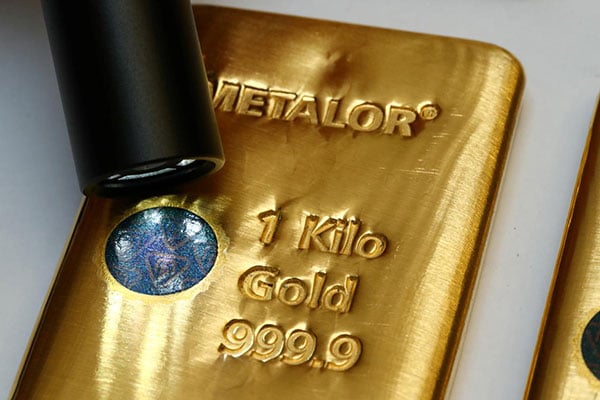
Start by confirming the gold’s purity through independent testing. X-ray fluorescence (XRF) testing provides a fast, non-destructive indication of the metal’s composition, while a fire assay remains the industry standard for confirming purity in high-value transactions. Next, compare the assay results with the bar’s weight, dimensions, serial numbers, refinery markings, and the details shown on the commercial invoice and other transaction documents.
The next step is verifying the company behind the transaction. Confirm that the seller is legally registered, holds the appropriate precious metals trading or export licenses, and is authorized to conduct business in the country where the gold is being sold. Contact the relevant government licensing authorities or mining regulators directly rather than relying on documents supplied by the seller alone.
Finally, verify that the export process is legitimate. Check that export permits, customs declarations, certificates of origin (where applicable), shipping documents, and insurance records are valid and consistent with the shipment. Only after the gold, the seller, and the export documentation have all been independently verified should the final payment be released.
How to Verify Real Gold Before Payment. 3 Checks That Prove Gold Is Real
- Independently test the gold’s purity. Have the gold examined by an independent laboratory or accredited refinery using XRF analysis and, for high-value transactions, confirm the results with a fire assay. Compare the reported purity, weight, dimensions, and serial numbers with the physical gold.
- Verify the seller’s identity and licenses. Confirm that the seller is a legally registered company and holds the required precious metals trading, mining, or export licenses. Verify these directly with the relevant government authority instead of relying only on copies provided by the seller.
- Confirm the export and transaction documents. Check that the assay certificate, commercial invoice, export permit, customs documents, certificate of origin (where applicable), insurance, and shipping records all match the gold being purchased. Verify the documents with the issuing authorities before making the final payment.
Completing these three checks- physical testing, seller verification, and export document verification- is the safest way to confirm that both the gold and the transaction are genuine before you pay.
Why Home Tests Are Not Enough for a Serious Purchase
Simple gold tests can help identify obvious counterfeits, but they should never be the basis for paying thousands or millions of dollars for a gold shipment. Home testing methods can detect some fake metals, yet they cannot reliably confirm the exact purity, composition, or authenticity of investment-grade gold bars. Professional buyers, refiners, bullion dealers, and banks rely on laboratory testing and verified documentation before completing a transaction.
If you are purchasing gold from another country, the goal is not only to prove that the metal contains gold. You must also verify that the stated purity is accurate, the seller legally owns the gold, and the shipment can be exported and imported in compliance with applicable laws. Home tests cannot provide that level of assurance.
Magnet, Density and Acid Tests: What They Show
Several simple tests can help identify obvious fakes before more advanced verification takes place.
Magnet Test: Gold is not magnetic. If a bar is strongly attracted to a magnet, it is almost certainly not pure gold. However, many counterfeit bars are made from non-magnetic metals, meaning they can easily pass this test.
Density Test: Gold has a very high density of approximately 19.3 g/cm³. Measuring a bar’s weight and dimensions allows you to calculate its density and compare it with the expected value. While this test can identify many counterfeit bars, it requires accurate measurements and cannot detect every sophisticated fake.
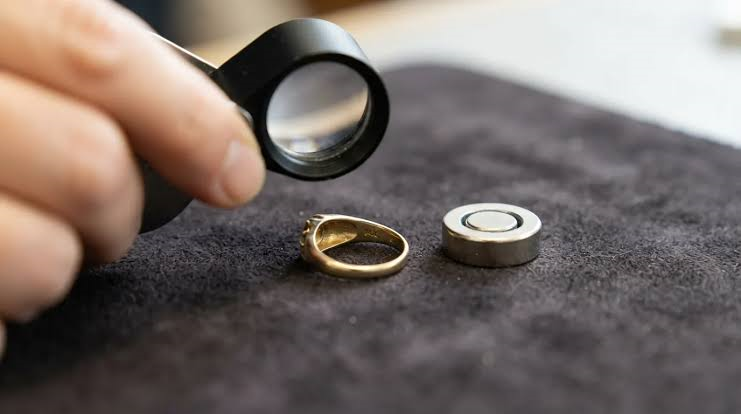
Acid Test: Acid testing examines how the metal reacts to specific testing acids and can provide a rough indication of gold purity. Although commonly used for jeweler and small items, it is less suitable for investment bars because it can mark the surface and only evaluates the area being tested rather than the entire bar.
These methods are useful as preliminary screening tools, but none can certify a bar’s exact purity or prove that the gold is genuine throughout its entire volume.
What They Miss: Plated and Tungsten-Filled Bars
The biggest limitation of home testing is that modern counterfeit bars are designed to pass basic inspections. Some fake bars contain only a thin layer of real gold covering a cheaper metal core. Others may use metals with physical properties that make visual inspection and simple measurements unreliable.
For example, a counterfeit bar may have the correct color, realistic weight, convincing serial numbers, and even professionally engraved refinery markings. It may also be accompanied by forged assay certificates, invoices, and shipping documents that appear authentic at first glance. Basic home tests often cannot detect these sophisticated frauds.
This is why professional buyers rely on X-ray fluorescence (XRF) analysis, which measures the metal’s elemental composition without damaging the bar, and fire assay, the internationally recognized laboratory method for accurately determining gold purity in high-value transactions. These tests should be combined with verification of the seller’s licenses, company registration, assay reports, export permits, customs documentation, and shipping records before any final payment is made.
The safest approach is to treat home tests as an initial screening step, not as proof that the gold is genuine. For investment-grade purchases, independent laboratory testing and thorough verification of the entire transaction remain essential.
Check 1: Verify the Gold With an Independent Assay
The first and most important step in how to verify gold is real is to have the gold tested by an independent laboratory or accredited refinery. Never accept a seller’s claim that the gold is 99.99% pure without independent verification. Likewise, do not rely solely on a PDF assay certificate sent by email or WhatsApp, as certificates can be altered, copied, or entirely fabricated.
An independent assay confirms the gold’s purity and helps verify that the physical bar matches the specifications stated in the sales contract and supporting documents. Before making the final payment, compare the laboratory results with the bar’s weight, dimensions, serial number, refinery markings, and declared purity. If any detail does not match, stop the transaction until the discrepancy is fully explained.
For high-value purchases, the assay should be completed before the full purchase price is released. Many international buyers arrange for the gold to be inspected at an accredited refinery, government-approved laboratory, or secure logistics facility where both parties can witness the testing process.
Fire Assay vs XRF: Which Test to Request
The two most common methods used to verify gold are X-ray fluorescence (XRF) and fire assay. Although both provide valuable information, they serve different purposes and are often used together.
| Test Method | What It Measures | Advantages | Limitations | Best Use |
| XRF (X-ray Fluorescence) | Surface elemental composition | Fast, non-destructive, immediate results | Primarily analyses the surface and may not detect internal fraud | Initial inspection of bars, coins, and jeweler |
| Fire Assay | Precise gold content | Highest accuracy and internationally recognized standard | Requires a sample, takes longer, and is destructive to the tested sample | High-value bullion transactions and final purity confirmation |
For most commercial transactions, buyers first request an XRF analysis to verify the metal’s composition. If the shipment is high in value or the results need legal or commercial certainty, a fire assay provides the most reliable confirmation of purity.
Using both methods significantly reduces the risk of purchasing counterfeit or misrepresented gold.
Why the Buyer Should Choose the Laboratory
One of the most common mistakes buyers make is accepting a laboratory selected by the seller. While many sellers are legitimate, allowing the seller to control the testing process creates a potential conflict of interest.
Whenever possible, the buyer should select the laboratory, refinery, or independent inspection company. This helps ensure that the testing is impartial and that the results are issued directly to the buyer rather than passing through the seller.
Choose a laboratory or refinery with an established reputation for precious metals testing. The facility should have secure procedures for receiving, identifying, testing, and documenting gold shipments. If the gold is stored in a bonded warehouse or transported by a professional security logistics company, arrange for the independent inspection to take place before ownership is transferred or the final payment is released.
If a seller refuses independent testing or insists that only their preferred laboratory may examine the gold, treat that as a significant warning sign and investigate further before proceeding.
How to Read an Assay Certificate
An assay certificate is a technical report describing the characteristics of the tested gold. While the exact format varies between laboratories and refineries, several details should always be reviewed carefully.
Start by confirming the laboratory or refinery name, logo, contact details, and report number. Genuine certificates are normally traceable through the issuing organization, allowing the report to be verified directly with the laboratory.
Next, examine the description of the gold. The certificate should identify the type of product being tested, such as a gold bar, coin, or dore bar, together with its recorded weight, dimensions, serial number (if applicable), and any refinery markings. These details must match the physical gold exactly.
Review the assay results, paying close attention to the reported purity and the percentage of gold and other metals present. The figures should be consistent with the quality promised in the purchase agreement.
Finally, check the date of testing, authorized signatures, official stamps or seals where applicable, and any notes explaining the testing method used. If anything appears inconsistent, incomplete, or cannot be independently verified with the issuing laboratory, do not rely on the certificate as proof that the gold is genuine.
Remember that an assay certificate supports authenticity only when it comes from a trusted, independently verifiable laboratory. It should always be considered alongside physical inspection, seller verification, and export document checks before payment is made.
Check 2: Verify the Seller’s Licenses
A genuine gold transaction depends not only on the authenticity of the gold but also on whether the seller is legally authorized to trade or export it. Before making any payment, verify that the company holds the licenses required by the country where it operates. A professional website, business card, or company registration certificate alone does not prove that a business is permitted to buy, sell, or export precious metals. Always confirm the seller’s legal status directly with the relevant government authority and ensure that the company information matches all transaction documents.
Licenses a Legitimate Gold Dealer Must Hold
The licenses required for buying, selling, refining, or exporting gold vary from one country to another, but legitimate dealers should be able to provide copies of the permits and registrations that authorize their activities. Depending on the jurisdiction, these may include a precious metals dealer’s license, mineral dealer or broker licenses, mining licenses (if the company claims to produce its own gold), refining licenses, export permits, tax registration, and business registration certificates. If the seller cannot explain which licenses they hold or refuses to provide them for verification, treat the transaction with caution and carry out additional due diligence before proceeding.
How to Confirm a License With the Issuing Authority
Request a clear copy of the seller’s licenses and review important details such as the license number, company name, issuing authority, issue date, expiry date, and the activities the licenses authorize. Then verify the licenses directly with the government agency that issued them rather than relying solely on documents provided by the seller. Confirm that the licenses are genuine, currently valid, belong to the company named in your contract, and specifically cover the buying, selling, or exporting of gold. Independent verification helps reduce the risk of accepting forged, altered, expired, or fraudulently obtained licenses.
Company Registration and Physical Office Checks
A legitimate gold business should have a verifiable legal identity and an identifiable place of operation. Check that the registered company name, registration number, tax information, business address, website, corporate email, and telephone number are consistent across contracts, invoices, licenses, bank account details, and other transaction documents. Where practical, verify the office location through official business records, mapping services, or an in-person or virtual meeting. While having a physical office does not guarantee legitimacy, the absence of verifiable business information, inconsistent company details, or an inability to confirm the business’s existence should prompt additional investigation before sending payment.
Verify the Company Registration
Verifying a seller’s company registration is just as important as verifying the gold itself. A genuine gold dealer should have consistent legal business information across every document provided during the transaction. Fraudsters often combine authentic-looking licenses with altered company details, different bank account names, or contracts issued by businesses that do not legally exist.
Before making any payment, confirm that the seller is a legally registered business in the country where it operates. Where possible, verify the company’s registration directly with the relevant government business registry or corporate affairs authority instead of relying solely on documents supplied by the seller.
Once you have confirmed that the company exists, compare the information across every document you receive. The details should remain consistent throughout the transaction.
Review the following carefully:
- Registered company name: The legal name should be identical on the company registration certificate, trading licenses, sales contract, commercial invoice, and any export documentation. Even small differences in spelling, punctuation, or business names should be explained.
- Company registration number: Verify that the registration number belongs to the company named in the transaction documents and matches official government records.
- Tax identification number (where applicable): If the business is required to have a tax identification or tax registration number, ensure it appears consistently on invoices and other commercial documents.
- Registered office address: The company’s registered business address should match the address shown on contracts, invoices, licenses, and official correspondence. If different addresses are used, ask why and request supporting documentation.
- Directors or authorized representatives (where publicly available): Where company records are publicly accessible, confirm that the individual negotiating the transaction is a director or has authority to act on behalf of the business. If someone else signs the contract, request evidence of their authority to do so.
- Bank account name: The account receiving payment should normally be in the legal name of the registered company. Exercise caution if you are asked to send funds to an unrelated company, a personal account, or a business with a different legal name unless there is a legitimate, documented explanation.
- Contract details: Review the sales agreement carefully to ensure it identifies the correct legal entity, includes accurate registration details, and matches the information shown on the company’s other documents.
- Invoice information: The commercial invoice should display the same company name, registration details, business address, and payment information as the rest of the transaction documents.
A legitimate business will generally present consistent information throughout the transaction. If the company name changes between documents, the registration number cannot be verified, the bank account belongs to another entity, or the registered address differs without explanation, do not assume the discrepancy is a simple administrative error. Instead, pause the transaction and investigate the reason for the inconsistency before releasing any payment.
Remember that company registration alone does not prove a gold transaction is genuine. It should be verified alongside the seller’s licenses, an independent assay, export permits, customs documentation, and shipping records as part of a complete due diligence process before purchasing gold.
Check 3: Verify the Export Documents
Before paying for gold, confirm that the shipment is supported by legitimate export documentation. Authentic export documents help demonstrate that the gold has been prepared for legal international trade and that the shipment complies with the exporting country’s requirements. The exact documents vary by country, but buyers should ensure they are complete, internally consistent, and issued by the appropriate authorities. Verify each document independently whenever possible, and make sure the names, weights, purity, dates, and shipment details match across the entire document package.
Export Permit and Certificate of Origin
The export permit is one of the most important documents in an international gold transaction because it authorizes the legal export of the shipment. Buyers should verify that the permit includes the exporter’s legal name, permit number, issuing authority, validity period, destination country where applicable, and details of the gold being exported. If a Certificate of Origin is required for the transaction, confirm that it accurately identifies the declared source of the gold and corresponds with the export permit, commercial invoice, and assay certificate. Any differences in company names, weights, or shipment details should be clarified before payment.
Royalty and Tax Payment Receipts
Many gold-producing countries require exporters to pay royalties, export levies, taxes, or other statutory charges before a shipment can be legally exported. Ask the seller to provide evidence of any required payments where applicable under local law, and confirm that the receipts correspond to the shipment you intend to purchase. Review the payment dates, reference numbers, issuing authority, company name, and declared quantity of gold. Missing or inconsistent payment records may indicate that the shipment has not completed the required export procedures or that additional verification is needed.
Customs Declaration and Air Waybill
Before the shipment leaves the exporting country, customs documentation and transport records should accurately describe the gold being shipped. Review the customs declaration to ensure it matches the export permit, commercial invoice, packing list, and assay certificate. Once the shipment is accepted by the carrier, verify the Air Waybill (AWB) issued by the airline or freight company. Check the consignor and consignee details, shipment reference number, weight, destination, and carrier information, and confirm that these details are consistent with the other export documents. Matching customs and shipping records helps reduce the risk of document fraud and provides greater confidence that the shipment corresponds to the agreed transaction.
Red Flags of a Gold Scam
Gold scams often follow predictable patterns. Fraudsters rely on urgency, unrealistic promises, and pressure to convince buyers to send money before completing proper due diligence. Learning to recognize these warning signs can help you avoid financial loss and make informed decisions when purchasing gold. If a transaction raises multiple concerns, pause the process, independently verify the seller and the documentation, and do not proceed until your questions have been satisfactorily answered.
Prices Far Below the Spot Price
One of the most common warning signs is a seller offering gold at a price that is significantly below the current international spot price without a credible commercial explanation. While legitimate transactions may include negotiated discounts or premiums depending on quantity, refining costs, logistics, and market conditions, offers that appear unrealistically cheap should be treated with caution. Scammers often use exceptionally low prices to create urgency and encourage buyers to overlook important verification steps. Before accepting any offer, compare the quoted price with current market prices and ask the seller to explain how the final price was calculated.
Upfront Fees Before You See the Gold
Be cautious if a seller requests substantial payments before you have independently verified the gold, the seller’s credentials, and the supporting documents. Fraudulent schemes frequently involve advance payments described as customs charges, export taxes, insurance fees, storage costs, security deposits, or processing fees. In many cases, once one payment is made, additional unexpected fees continue to appear, with the promised shipment never arriving. Before transferring funds, ensure that every payment is supported by a written contract, legitimate documentation, and a clearly defined purpose, and verify that the payment recipient matches the legal business involved in the transaction.
Refusing an Independent Assay
A legitimate seller should generally be willing to allow reasonable independent verification of the gold before the buyer becomes irreversibly committed to the transaction. If a seller refuses an independent XRF test, discourages fire assay for high-value purchases, insists that only their chosen laboratory may perform testing, or pressures you to rely solely on their own assay certificate, this should be considered a significant warning sign. Independent testing by a qualified laboratory helps confirm that the gold’s purity and weight match the seller’s claims and provides greater confidence that the shipment corresponds to the agreed purchase. Refusal to allow such verification warrants additional caution before proceeding.
How to Verify a Gold Dealer’s Licenses
A business license is one of the first documents you should examine when buying gold, but simply receiving a copy is not enough. Fraudsters frequently edit legitimate licenses, use expired documents, or present licenses that belong to another company. The safest approach is to verify the licenses directly with the government authority that issued them.
Follow these four steps before making any payment.
Step 1: Request a Clear Copy of the Licenses
Ask the seller to provide a complete, high-resolution copy of their current licenses. The document should be easy to read, with all pages visible, including official seals, signatures, and any conditions attached to the licenses. Avoid relying on low-quality screenshots or partially cropped images, as important information may be missing.
If the seller is reluctant to provide a copy or continually delays sharing it, consider this a warning sign and postpone the transaction until proper documentation is available.
Step 2: Check the License Details Carefully
Before contacting the issuing authority, review the licenses yourself and compare it with the company’s other documents. Pay particular attention to the following information:
- License number: Ensure it is clearly shown and appears complete.
- Company name: The legal name on the licenses should exactly match the name on the sales contract, commercial invoice, company registration documents, and bank account receiving payment.
- Issue date: Confirm when the licenses were granted.
- Expiry date: Check that the licenses are still valid and have not expired.
- Activities covered: Verify that the licenses specifically authorize the company to trade, purchase, refine, process, or export gold, depending on the nature of the transaction.
- Issuing authority: Identify the government ministry, mining regulator, or licensing agency that issued the document.
Even small differences in spelling, registration details, or company names should be investigated before proceeding.
Step 3: Contact the Issuing Authority Directly
Once you have reviewed the licenses, verify it with the issuing authority rather than relying solely on the seller’s documents.
Importantly, find the authority’s contact details independently. Use the official government website or another trusted government source to obtain the telephone number, email address, or online verification service. Do not rely only on the contact information printed on the licenses or supplied by the seller, as fraudulent documents may contain fake phone numbers or email addresses that connect back to the scammers.
When contacting the authority, provide the license number and company name and request confirmation of its current status.
Step 4: Confirm the License Is Valid for Your Transaction
Ask the issuing authority to verify the following:
- The licenses is currently active.
- The license belongs to the company or individual selling the gold.
- The license authorizes the holder to trade, deal in, or export gold, as applicable.
- The licenses have not been suspended, cancelled, revoked, or expired.
- Any license conditions or restrictions do not prevent the proposed transaction.
If the authority cannot verify the licenses, advises that it is no longer valid, or confirms that it belongs to a different company, do not proceed until the issue has been fully resolved.
A genuine license is an important part of due diligence, but it should never be treated as proof on its own. Combine license verification with an independent assay, company registration checks, export permit verification, and confirmation of customs and shipping documents before releasing the final payment.
When and How to Pay Safely
The timing and method of payment are just as important as verifying the gold itself. Before transferring funds, ensure that the gold, the seller, and the supporting documentation have been independently verified. A written purchase agreement should clearly state the payment terms, verification procedures, delivery conditions, and the responsibilities of both parties. Avoid making irreversible payments based solely on photographs, scanned certificates, or verbal assurances. Using secure payment arrangements that allow for appropriate verification can help reduce the risk of fraud in high-value gold transactions.
Pay Only After Assay Results
Whenever possible, do not make the final payment until the gold has been independently tested and the assay results confirm that its purity, weight, and specifications match the agreed purchase terms. An independent assay provides objective evidence of the gold’s composition and helps verify that the shipment corresponds to the documentation supplied by the seller. Review the assay report alongside the commercial invoice, export documents, and any serial numbers or lot references before authorizing payment. If the assay results differ from what was promised, resolve the discrepancy before completing the transaction.
Using Escrow or Refinery Settlement
For higher-value transactions, buyers and sellers may agree to use an independent escrow service or a refinery-based settlement process. Under an escrow arrangement, funds are held by an independent third party and released only after the agreed verification conditions have been met. In a refinery settlement, the gold is delivered to an agreed refinery or accredited testing facility, where its purity and weight are independently confirmed before payment is finalized according to the contract. These arrangements can reduce risk for both parties by linking payment to successful verification rather than relying solely on trust. Buyers should carefully review the terms of any escrow or settlement service and obtain independent legal or financial advice where appropriate before agreeing.
Questions Every Buyer Should Ask Before Paying
Before transferring money for any gold purchase, ask questions that require the seller to provide clear, verifiable answers. Legitimate gold dealers should be willing to explain their licensing, testing procedures, export process, and logistics arrangements. Evasive answers, inconsistent information, or pressure to pay quickly should prompt you to pause the transaction and investigate further.
The following questions can help you assess both the credibility of the seller and the legitimacy of the proposed transaction.
1. Can I independently verify your licenses?
Ask for a copy of the current licenses and confirm that you may verify it directly with the issuing authority. A genuine seller should have no objection to independent verification.
2. Which government authority issued your licenses?
Find out exactly which ministry, mining regulator, or licensing agency issued the licenses. Obtain the authority’s contact details independently and confirm that the licenses is genuine and currently active.
3. Are your licenses still valid?
Request confirmation of the license’s issue date, expiry date, and current status. Ensure it has not expired, been suspended, cancelled, or revoked.
4. Do your licenses cover this transaction?
Not every license authorizes the same activities. Confirm that the licenses specifically permit the company to trade, process, refine, or export gold, depending on the nature of your purchase.
5. Can I inspect the gold before making the final payment?
Ask whether you or your appointed representative can inspect the gold before funds are released. For international transactions, determine whether the inspection can take place at a secure vault, bonded warehouse, or accredited refinery.
6. Can an independent laboratory test the gold?
Ask whether the seller will allow testing by a laboratory or refinery chosen by you. A reputable seller should generally accept independent XRF testing and, where appropriate, fire assay before the transaction is completed.
7. Can you provide the bar serial numbers and assay details in advance?
For investment-grade gold bars, request the serial numbers, weight, refinery markings, and available assay information so these details can later be matched to the physical bars and supporting documentation.
8. Can you provide references from previous commercial buyers?
Established dealers may be able to provide references from previous business customers, subject to confidentiality obligations. While references should not replace due diligence, they can provide additional confidence when independently verified.
9. Which export authority will issue the export permit?
Ask which government agency is responsible for issuing the export permit and confirm that the permit can be verified directly with that authority before shipment.
10. Which logistics company will transport the shipment?
Request the name of the logistics provider responsible for transporting the gold. Professional shipments are typically handled through recognized secure logistics or insured international freight services. Once shipping has been arranged, verify the shipment details directly with the logistics provider rather than relying solely on documents supplied by the seller.
11. What documents will I receive before payment is completed?
Ask for a list of the documents that will be provided, such as the commercial invoice, assay certificate, export permit, customs documentation, insurance certificate, packing list, and shipping records. Confirm that each document can be independently verified where applicable.
12. What payment method do you accept, and when is payment due?
Discuss the payment process before signing a contract. For high-value transactions, consider payment structures that provide appropriate protection for both parties, and avoid sending the full purchase price before the gold, the seller, and the transaction documents have been independently verified.
A trustworthy seller should answer these questions clearly and consistently and should welcome reasonable due diligence. If the seller refuses independent testing, discourages license verification, insists on immediate payment, or cannot explain the export process, treat those issues as significant warning signs and investigate further before proceeding.
How Buy Gold in Africa Helps Buyers Verify Before They Pay
At Buy Gold in Africa, we believe that every gold transaction should be built on transparency, independent verification, and compliance with applicable laws and regulations. Before asking buyers to proceed with a purchase, we provide the information needed to verify both the gold and our business. Our goal is to give clients confidence by making the verification process clear, documented, and easy to follow while encouraging independent due diligence at every stage.
Our Verification Process
Our process is designed to help buyers verify the transaction before making a final payment. Depending on the transaction, clients can review product specifications, available assay information, company documentation, and export requirements before proceeding. We encourage independent verification of the gold’s purity through recognized testing methods and recommend that buyers compare all supporting documents, including assay certificates, commercial invoices, export permits, and shipping records, to ensure the information is accurate and consistent throughout the transaction.
Our Company Registration and Licenses Information
Buy Gold in Africa is a Uganda-registered company operating in accordance with applicable business and mineral trading regulations. Upon request and where appropriate, we provide clients with our company registration details, relevant trading or operational documentation, and information relating to the transaction. Buyers are encouraged to verify our registration and any applicable licenses directly with the relevant government authorities before committing to a purchase. We welcome independent verification because transparency is an essential part of responsible precious metals trading.
Request Gold Verification Before You Buy
If you are planning to purchase gold from Africa, we invite you to verify the transaction before making any payment. Our team can explain the verification process, provide available documentation relevant to your purchase, and answer questions about assay procedures, export documentation, shipping, and regulatory requirements. We encourage every buyer to complete independent due diligence and confirm all information before entering into a transaction.
Ready to start?
- View Gold Bars for Sale in Africa
- Request a Gold Verification Checklist
- Contact Our Gold Export Team
Disclaimer: The information provided on this page is for general educational purposes and should not be considered legal, customs, tax, or financial advice. Import and export requirements vary by country, and buyers should verify current regulations with the relevant authorities before completing a transaction.
People Also Ask
Can a ring be real gold if it is not stamped?
Yes, a ring can be genuine gold even if it does not have a hallmark or purity stamp. Older jewellery, handmade pieces, custom designs, and some items manufactured in countries with different hallmarking requirements may not carry a visible stamp. However, the absence of a hallmark also means you cannot determine the gold’s purity by inspection alone. If you are unsure, have the ring tested by a reputable jeweler or independent laboratory using XRF analysis or another professional testing method. When buying an unstamped gold ring, always request proof of purchase or an appraisal if available.
Does real gold feel heavy or light?
Real gold feels noticeably heavier than many other metals because it has a very high density of approximately 19.3 g/cm³. A genuine gold bar or jeweler item will often feel heavier than a similar-sized object made from brass, copper, aluminum, or stainless steel. However, weight alone cannot prove authenticity. Some counterfeit bars use dense metals and sophisticated manufacturing techniques to imitate the weight of real gold. For investment purchases, always combine weight measurements with professional testing and document verification.
How can you verify gold at home before buying or selling it?
Several home tests can help identify obvious counterfeit gold. You can perform a magnet test, measure the item’s weight and density, inspect for official hallmarks, or use a gold testing acid kit. These methods may reveal basic fakes but cannot accurately confirm purity or detect sophisticated counterfeit bars. If you are buying expensive gold bars, coins, or large quantities, the safest approach is to use an independent laboratory for XRF analysis or fire assay and verify the seller’s licenses and transaction documents before making payment.
How can you check if gold is real online?
There is no website or mobile app that can determine whether a physical piece of gold is genuine simply from a photograph. While you can verify certain documents online, such as company registrations, business licenses, export permits (where available), or shipping information, you cannot confirm the purity of the metal itself online. Genuine verification requires physical inspection, independent testing, and confirmation that the seller’s legal and commercial documents are authentic. Be cautious of sellers who claim that online certificates or photographs alone prove authenticity.
What are the most common signs of fake gold?
Fake gold often shows one or more warning signs. These may include unusually low prices far below the global gold market, missing or inconsistent hallmarks, incorrect weight, poor craftsmanship, uneven coloring, visible wear exposing another metal underneath, magnetic attraction, forged assay certificates, inconsistent company information, or sellers who refuse independent testing. Other warning signs include pressure to pay quickly, requests for payment through personal accounts, or refusal to allow verification of licenses and export documents. Any one of these issues should prompt additional due diligence before proceeding.
What is the best way to test gold at home?
The most reliable home testing method is to use several simple tests together rather than relying on just one. Start by checking for hallmarks, weigh the item accurately, calculate its density, and perform a magnet test. If appropriate, use a gold acid testing kit according to the manufacturer’s instructions. While these tests can identify many counterfeit items, they cannot provide the certainty required for high-value transactions. For investment-grade gold, the best practice is to obtain an independent XRF analysis and, when necessary, confirm the results with a fire assay before releasing payment.