Gold Bullion vs Gold Coins vs Scrap Gold | Key Differences
When buying or selling gold, understanding the difference between gold bullion, gold coins, and scrap gold is essential because each serves a different purpose and offers different value. Gold bullion refers to refined gold bars or ingots that are primarily valued for their weight and purity, making them the preferred choice for investors seeking wealth preservation. Gold coins can be investment-grade bullion coins or collectible coins that often carry an additional premium due to their rarity, design, or government minting. Scrap gold consists of previously used gold items such as broken jewelry, dental gold, industrial gold, or damaged ornaments that are generally valued according to their melt content rather than their original form.
Whether you are investing, collecting, recycling old jewelry, or purchasing gold for long-term financial security, choosing the right type of gold can significantly affect your costs, resale value, and overall return on investment. Factors such as purity, premiums, liquidity, storage requirements, and market demand all influence which option is best for your goals.
At Buy Gold in Africa Limited, we help clients purchase authentic, legally sourced African gold with transparency and confidence. Our team guides international buyers through every stage of the buying process, from verifying purity and documentation to arranging secure payment methods and insured worldwide delivery. We believe informed buyers make better investment decisions, and our commitment is to provide reliable information alongside trusted gold trading services.
In this comprehensive guide, you’ll learn the key differences between gold bullion, gold coins, and scrap gold, compare their advantages and disadvantages, understand how each is priced, discover which option offers the best investment potential, and determine which type of gold best matches your financial goals, whether you’re a first-time buyer or an experienced investor.
Gold Bullion vs Gold Coins vs Scrap Gold
| Feature | Gold Bullion (Bars) | Gold Coins | Scrap Gold |
| Definition | Refined investment-grade gold bars, typically 99.5%–99.99% pure. | Government- or privately minted gold coins made for investment or collection. | Recycled gold from old jewelry, electronics, dental gold, or industrial products. |
| Typical Purity | 99.5%–99.99% (24K) | 22K–24K (91.67%–99.99%) | Varies from 8K–24K depending on the source. |
| Common Forms | 1g, 5g, 10g, 50g, 100g, 250g, 500g, 1kg, 400 oz bars | American Eagle, Canadian Maple Leaf, Krugerrand, Britannia, Philharmonic | Jewelry, broken chains, rings, watches, electronic components, dental gold |
| Investment Value | Excellent for long-term wealth preservation and institutional investment. | Excellent for investors seeking flexibility and easy resale. | Mainly purchased for refining rather than investment. |
| Pricing | Usually closest to the global spot price plus a small premium. | Spot price plus a higher premium due to minting and collectability. | Purchased below spot price because refining and testing are required. |
| Liquidity | Very high, especially LBMA-recognized bars. | Very high and widely accepted worldwide. | Moderate; value depends on purity testing and refining. |
| Authentication | Assay certificate, serial number, refinery stamp, weight, and purity mark. | Mint markings, weight, purity, and security features. | Requires XRF testing, fire assay, or laboratory analysis. |
| Best For | Investors, banks, bullion dealers, and international trade. | Individual investors, collectors, and gift buyers. | Refiners, jewelers, recyclers, and precious metal traders. |
| Storage | Bank vaults, insured vaults, or secure safes. | Home safes, bank deposit boxes, or vault storage. | Usually sent directly to refiners or secure storage before processing. |
| International Trade | Preferred for large cross-border transactions and commercial exports. | Commonly traded internationally in smaller quantities. | Rarely traded internationally without refining first. |
| Certification | Often includes an assay certificate and tamper-evident packaging. | Mint-certified with official specifications. | Generally sold without certification until refined. |
| Advantages | Lowest premium, high purity, easy to store in large value, globally recognized. | Easy to buy and sell, highly liquid, collectible options available. | Can be purchased at lower prices and recycled into investment-grade gold. |
| Disadvantages | Higher upfront cost for larger bars; less convenient for small transactions. | Higher premiums than bullion bars. | Purity is uncertain until tested; refining costs reduce overall value. |
What Is Gold Bullion?
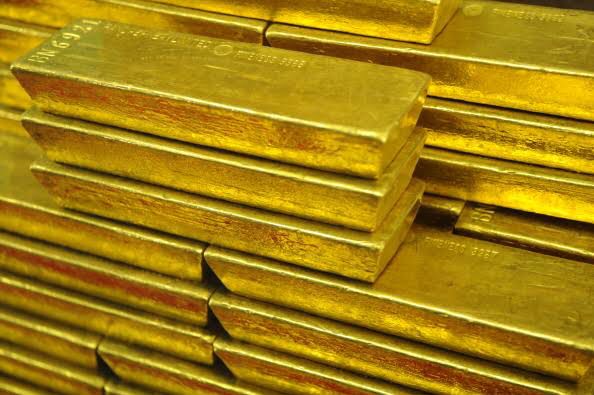
Gold bullion is physical gold that is valued primarily for its weight and purity rather than its artistic design or collectible appeal. It is produced in standardized forms such as gold bars, ingots, and investment-grade coins, making it one of the most widely traded precious metals in the world. Investors, central banks, financial institutions, and private buyers purchase gold bullion as a way to preserve wealth, diversify investment portfolios, and protect against inflation and economic uncertainty.
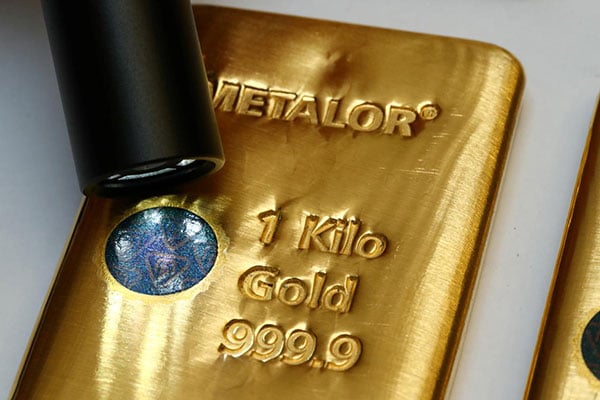
Unlike jewelry or collectible coins, the value of gold bullion is closely tied to the international gold spot price, with buyers typically paying a small premium for refining, minting, certification, and distribution. Most investment bullion is manufactured by recognized refineries and mints and is stamped with important information such as weight, purity (for example, 999.9 fine gold), refiner’s mark, and in many cases a unique serial number. High-quality bullion products are often accompanied by an assay certificate verifying their authenticity and purity.
Whether you are investing in Africa or elsewhere in the world, understanding the different sizes, purity standards, and advantages of gold bullion will help you choose the right product for your investment goals.
Gold Bars and Ingots: Sizes and Weights
Gold bullion is manufactured in a wide range of standardized sizes to suit different investors, from individuals purchasing small amounts of gold to central banks and institutional traders dealing in wholesale quantities. Smaller bullion products are easier to buy, store, and sell, while larger bars generally offer lower premiums per gram because manufacturing costs are spread over a greater amount of gold.
Common investment bullion sizes include:
| Weight | Typical Users | Common Uses |
| 1 gram | First-time investors | Affordable entry into gold investing |
| 2.5 grams | Small investors | Gifts and savings |
| 5 grams | Individual investors | Portfolio diversification |
| 10 grams | Investors | Long-term savings |
| 20 grams | Investors | Wealth preservation |
| 50 grams | Experienced buyers | Medium-sized investments |
| 100 grams | High-net-worth investors | Investment portfolios |
| 250 grams | Professional investors | Long-term holdings |
| 500 grams | Large investors | Wealth storage |
| 1 kilogram (1 kg) | Dealers and institutional investors | International bullion trading |
| 400 troy ounces (Good Delivery Bar) | Central banks, bullion banks, and large institutions | Wholesale global bullion market |
Small bars ranging from 1 gram to 100 grams are popular with retail investors because they require a lower initial investment and are easier to liquidate in smaller quantities. One-kilogram bars are widely traded by bullion dealers and professional investors because they typically carry lower premiums than smaller bars. At the institutional level, the 400-troy-ounce Good Delivery bar, weighing approximately 12.4 kilograms, is the internationally recognized standard used in the wholesale bullion market.
Purity Standards for Bullion (LBMA Good Delivery and 999.9 Fine Gold)
Gold bullion is valued not only by its weight but also by its purity, commonly referred to as fineness. Investment-grade bullion is usually produced with a purity of 999 (99.9%) or 999.9 (99.99%) fine gold, meaning that almost all of the metal consists of pure gold with only trace amounts of other elements remaining after refining.
Most retail investment bars and many bullion coins are stamped 999 or 999.9, providing buyers with a clear indication of the product’s purity. Some premium refiners also manufacture 999.99 (five-nines) fine gold products for specialized markets.
For large wholesale gold bars traded internationally, the London Bullion Market Association (LBMA) establishes globally recognized Good Delivery standards. Among other technical requirements, LBMA Good Delivery gold bars must have a minimum fineness of 995 (99.5% pure gold) and meet strict standards relating to weight, dimensions, markings, manufacturing quality, and responsible sourcing. Bars produced by LBMA Good Delivery refiners are widely accepted in international bullion markets because they comply with recognized quality and sourcing requirements.
When purchasing bullion, buyers should verify:
- Purity stamp (999, 999.9, or 995 where applicable)
- Refiner or mint name
- Assay certificate
- Serial number (if supplied)
- Product weight
- Seller documentation
These details help confirm authenticity and make future resale easier.
Pros and Cons of Gold Bullion
Gold bullion remains one of the world’s most trusted investment assets because of its high intrinsic value, global recognition, and long history as a store of wealth. However, like any investment, it has both advantages and disadvantages.
Advantages of Gold Bullion
- Contains a high percentage of pure gold, typically 999 or 999.9 fine.
- Closely tracks the international gold spot price.
- Recognized and traded worldwide.
- Suitable for long-term wealth preservation.
- Available in many sizes for different budgets.
- Often carries lower premiums than comparable gold coins of the same weight.
- Easy to store securely using safes or professional vaulting services.
- Can provide diversification during periods of economic uncertainty.
Disadvantages of Gold Bullion
- Does not generate interest, dividends, or rental income.
- Requires secure storage and appropriate insurance.
- Small bars often carry higher premiums than larger bars.
- Counterfeit bullion exists, making verification important.
- Prices fluctuate with global gold markets.
- Selling may involve dealer spreads or transaction fees.
For many investors, gold bullion is the preferred choice when the primary objective is preserving wealth over the long term. Choosing products from reputable refiners or trusted dealers, verifying assay documentation, and understanding purity standards can help reduce risk and improve confidence when buying physical gold.
What Are Gold Coins?
Gold coins are physical coins manufactured primarily from gold and produced by government mints or accredited private mints for investment, collecting, and, in some cases, legal tender purposes. Unlike gold jewelry, whose value is influenced by craftsmanship and fashion, gold coins derive their worth from a combination of their gold content, purity, weight, rarity, and market demand. Depending on the type of coin, investors may purchase gold coins to preserve wealth, diversify their investment portfolios, protect against inflation, or build valuable coin collections.
Gold coins generally fall into two categories: bullion coins and numismatic (collectible) coins. Although both contain gold, they are designed for different purposes and are valued using different criteria. Bullion coins are primarily investment products that closely follow the international gold price, while numismatic coins often command additional value because of their rarity, historical significance, age, condition, and collector demand. Understanding these differences is important when deciding which type of gold coin best suits your financial goals.
Bullion Coins (Krugerrand, American Gold Eagle, Canadian Maple Leaf, Britannia)
Bullion coins are investment-grade gold coins whose value is determined mainly by their weight, purity, and the current international gold spot price. They are produced by government mints under strict manufacturing standards and are recognized worldwide for their authenticity and consistent quality. Because they contain a guaranteed amount of gold, bullion coins are widely bought and sold by investors, bullion dealers, banks, and precious metals traders.
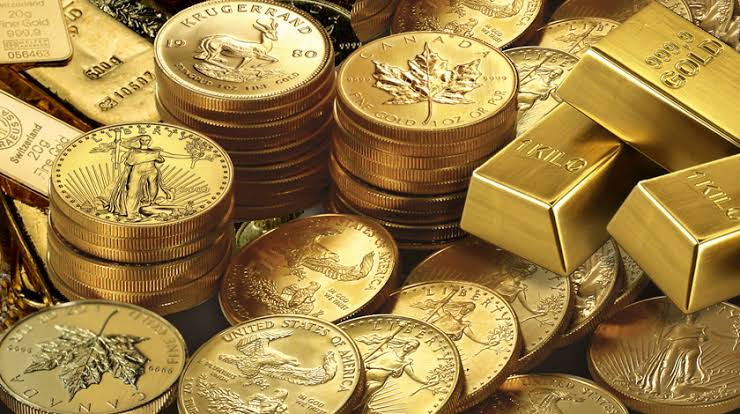
Among the world’s best-known bullion coins is the South African Krugerrand, introduced in 1967 as one of the first modern investment gold coins. It contains one troy ounce of gold with a purity of 22 karats (91.67%) and remains one of the most actively traded bullion coins globally. The American Gold Eagle, issued by the United States Mint, is another popular investment coin recognized for its government backing and international acceptance. Like the Krugerrand, it is struck in 22-karat gold and is available in several sizes.
The Canadian Gold Maple Leaf, produced by the Royal Canadian Mint, is renowned for its exceptional purity of 9999 fine gold (99.99%) and advanced security features designed to deter counterfeiting. Similarly, the British Britannia, minted by The Royal Mint in the United Kingdom, contains 999.9 fine gold and incorporates sophisticated anti-counterfeiting technology that makes it one of the most secure bullion coins available. Other internationally recognized bullion coins include the Australian Kangaroo and the Austrian Philharmonic, both of which are highly regarded by investors for their quality, purity, and global market acceptance.
Bullion coins are particularly attractive to investors because they are available in a variety of weights, are easy to store and transport, and can usually be sold quickly through bullion dealers around the world. Their widespread recognition also contributes to strong liquidity, making them a practical choice for both new and experienced investors.
Numismatic (Collectible) Coins
Numismatic coins, often referred to as collectible coins, are purchased primarily for their rarity, historical importance, artistic design, and collector appeal rather than simply for the amount of gold they contain. While many numismatic coins are made from high-purity gold, their market value may greatly exceed the intrinsic value of the precious metal because collectors are willing to pay premiums for scarce or historically significant pieces.
The value of a numismatic coin depends on several factors, including its year of issue, mint mark, surviving population, historical background, condition, professional grading, and overall demand within the collector market. Coins that were minted in limited quantities or are associated with significant historical events often command substantially higher prices than their gold content alone would suggest.
Unlike bullion coins, whose prices move closely with fluctuations in the international gold market, collectible coins may appreciate independently of gold prices. However, investing in numismatic coins generally requires specialized knowledge of coin grading, rarity, and market trends. For this reason, collectible coins are often better suited to experienced collectors and investors who understand the numismatic market.
Why Gold Coins Carry Higher Premiums
Gold coins usually sell for more than the value of the gold they contain because buyers pay an additional amount known as the premium. This premium covers the costs of refining, minting, quality control, packaging, transportation, distribution, and dealer margins. Government-issued bullion coins often include advanced security features, detailed artistic designs, and legal tender status, all of which contribute to their higher prices compared with gold bars of the same weight.
Demand also plays an important role in determining premiums. Popular bullion coins such as the Canadian Maple Leaf, American Gold Eagle, and British Britannia often command higher premiums because of their strong international reputation and high investor demand. Collectible coins may carry even larger premiums if they are rare, historically important, or produced in limited quantities. During periods of increased investor demand or supply shortages, premiums on certain gold coins may rise significantly above normal levels.
When comparing investment options, buyers should consider both the premium and the underlying gold value. Although coins generally cost more than bars of equal weight, many investors are willing to pay the additional premium because coins offer excellent liquidity, worldwide recognition, and, in some cases, additional collectible value.
Pros and Cons of Gold Coins
Gold coins offer numerous advantages for investors seeking physical gold ownership. They are highly recognizable, easy to authenticate when purchased from reputable sources, and widely accepted by bullion dealers and financial institutions around the world. Their availability in smaller denominations makes them accessible to investors with different budgets, while their portability allows them to be stored securely or transported more conveniently than larger bullion bars. Certain collectible coins may also appreciate in value beyond the price of gold, providing an opportunity for additional returns if collector demand increases over time.
Despite these benefits, gold coins also have some disadvantages. Their premiums are generally higher than those of gold bullion bars because of minting costs, legal tender status, and strong market demand. Collectible coins may fluctuate in value based on collector interest rather than gold prices alone, making them less predictable as pure investment vehicles. Buyers must also remain cautious of counterfeit coins and should verify authenticity through reputable dealers, assay documentation, or professional testing. In addition, storing valuable coin collections securely and obtaining appropriate insurance may increase the overall cost of ownership.
For investors whose primary objective is long-term wealth preservation and exposure to the international gold market, bullion coins remain one of the most trusted and widely traded forms of physical gold. Those with an interest in history, rare coins, and long-term collectible appreciation may find numismatic coins more suitable. Understanding the differences between these two categories will help you choose the type of gold coin that best aligns with your investment objectives, budget, and risk tolerance.
What Is Scrap Gold?
Scrap gold is any gold item that is no longer wanted, damaged, outdated, or unsuitable for its original purpose but still retains value because of its gold content. Unlike gold bullion, which is purchased primarily as an investment, or gold coins, which may have both investment and collectible value, scrap gold is valued almost entirely for the amount of pure gold it contains. After purchase, scrap gold is typically melted, refined, and recycled into new gold bars, jewelry, industrial components, or investment products.
The global gold recycling industry supplies a significant portion of the world’s annual gold demand, making scrap gold an important source of precious metal. Whether you are selling old jewelry or buying recycled gold for refining, understanding how scrap gold is priced can help you make informed decisions.
Common Types of Scrap Gold
Scrap gold comes in many forms, and not all items contain the same amount of pure gold. The value depends on the item’s weight, purity, and condition rather than its appearance.
Old Gold Jewelry
Old necklaces, rings, bracelets, earrings, bangles, pendants, and watches are among the most common forms of scrap gold. Jewelry may contain 9K, 10K, 14K, 18K, 22K, or 24K gold, with higher karat jewelry containing a greater percentage of pure gold.
Broken Chains and Damaged Jewelry
Gold items that are broken, bent, scratched, missing stones, or beyond repair are usually sold as scrap gold. Although they may no longer have retail value as jewelry, they still retain significant melt value.
Dental Gold
Dental crowns, bridges, fillings, and other dental alloys often contain gold mixed with other metals such as platinum, palladium, or silver. Because the exact composition varies, dental gold usually requires professional testing before it can be accurately valued.
Electronic Scrap
Many electronic devices contain small amounts of gold because it is highly conductive and resistant to corrosion. Gold may be found in computers, smartphones, circuit boards, processors, connectors, telecommunications equipment, and aerospace components. Recovering gold from electronic waste requires specialized recycling and refining processes.
Industrial Gold
Manufacturing industries may generate scrap gold from electronic production, medical devices, laboratory equipment, aerospace parts, and precision engineering. This material is commonly refined and reused in industrial applications.
Gold Coins and Bullion for Refining
Damaged gold coins, scratched bullion bars, or obsolete gold products may also be sold as scrap if they are intended for melting rather than resale.
How Scrap Gold Is Valued
Unlike collectible coins or investment-grade bullion, scrap gold is valued almost entirely according to its gold content. Buyers calculate the value using three primary factors.
Weight
The first factor is the total weight of the item, usually measured in grams, ounces, or kilograms. Heavier items generally contain more gold and therefore have a higher value.
Karat or Purity
The purity of the gold has the greatest influence on value. Higher-purity gold contains more fine gold and commands a higher price.
| Karat | Gold Content | Purity (%) |
| 24K | Pure Gold | 99.9% |
| 22K | High Purity | 91.6% |
| 18K | Fine Jewelry | 75.0% |
| 14K | Standard Jewelry | 58.5% |
| 10K | Commercial Jewelry | 41.7% |
| 9K | Entry-Level Jewelry | 37.5% |
Melt Value
The melt value represents the intrinsic value of the gold based on the current market (spot) price multiplied by the amount of pure gold contained in the item. Professional buyers often verify purity using X-ray fluorescence (XRF), acid testing, electronic gold testers, or fire assay before determining the final purchase price.
Example
If a 100-gram gold chain is 18K (75% pure), it contains approximately 75 grams of pure gold. Its melt value is calculated using the current spot price for those 75 grams of fine gold, before refining fees and buyer margins are deducted.
Why Scrap Gold Sells Below Spot Price
Many sellers expect to receive the full spot price for their scrap gold, but this rarely happens. The international spot price reflects the value of highly refined investment-grade gold, while scrap gold still requires processing before it can reach that standard.
Refining Costs
Scrap gold must be sorted, tested, melted, and refined to remove impurities and separate other metals. These processes involve specialized equipment, laboratory testing, energy, transportation, and labor costs, which reduce the amount a buyer can pay.
Buyer Margin
Gold dealers, refiners, and recyclers need to cover operating expenses and market risk while making a reasonable profit. Their purchase price therefore includes a margin below the estimated melt value.
Purity Verification
Until the exact purity has been confirmed through professional testing, buyers assume some risk. If the gold contains less fine gold than expected or includes non-gold metals, its value will be lower.
Market Conditions
The amount paid for scrap gold can also vary depending on global gold prices, local demand, refining capacity, transaction size, and regional competition among buyers.
Condition Does Not Matter Much
Unlike collectible coins or designer jewelry, the physical condition of scrap gold usually has little effect on its value. Whether the jewelry is scratched, broken, or missing gemstones, buyers are primarily interested in the recoverable gold content rather than its appearance.
Buy Gold in Africa Limited recommends selling scrap gold only to reputable, transparent buyers who accurately test purity, explain their pricing, and provide clear documentation. Understanding how scrap gold is valued helps sellers receive a fair price and avoid common misunderstandings during the transaction.
Gold Bullion vs. Gold Coins: Which Should You Buy?
Choosing between gold bullion and gold coins depends on your investment objectives, budget, storage preferences, and future resale plans. Both contain valuable gold and can help preserve wealth, but they differ in pricing, premiums, liquidity, portability, and collector appeal. Investors looking for the lowest cost per ounce often choose bullion bars, while those who value flexibility, government-backed recognition, or collectibility may prefer gold coins.
If your primary goal is to maximize the amount of gold you receive for your money, bullion bars generally offer the best value. If you want smaller, easily tradable pieces with worldwide recognition, investment-grade gold coins may be the better choice.
Premiums and Price per Ounce
The spot price represents the current international market price of pure gold. However, neither bullion bars nor gold coins are typically sold exactly at spot price. Dealers charge a premium, which covers refining, minting, fabrication, transportation, insurance, and distribution costs.
Gold bullion bars usually have the lowest premiums because they are simpler to manufacture and are designed primarily for investment. Larger bars, such as 100-gram, 500-gram, or 1-kilogram bars, generally carry lower premiums per ounce than smaller bars.
Gold coins often sell at higher premiums because they require more complex minting, feature detailed designs, and are issued by government mints. Some coins also develop collectible or numismatic value, causing their prices to rise well above their gold content.
| Feature | Gold Bullion | Gold Coins |
| Typical Premium | Low | Moderate to High |
| Price per Ounce | Usually closer to spot | Usually higher than spot |
| Best Value | Large investors | Small investors and collectors |
Winner: Gold bullion for investors seeking the lowest purchase cost.
Liquidity and Resale
Liquidity refers to how quickly and easily gold can be sold at a fair market price. Both bullion and widely recognized gold coins are highly liquid, but resale conditions vary depending on the product and buyer.
Investment-grade bullion bars from reputable refiners such as PAMP Suisse, Valcambi, Metalor, Heraeus, Argor-Heraeus, and The Royal Mint are accepted by gold dealers, bullion exchanges, refiners, and many financial institutions worldwide.
Popular bullion coins—including the American Gold Eagle, Canadian Gold Maple Leaf, South African Krugerrand, Austrian Philharmonic, Australian Kangaroo, and British Britannia—are also widely recognized and easy to resell because buyers are familiar with their specifications.
Smaller coins may offer greater flexibility because you can sell part of your holdings without liquidating a large bar. Conversely, large bullion bars often require a bigger buyer but may command better pricing because of their lower premiums.
Winner: It’s a tie. Bullion bars and internationally recognized bullion coins both offer excellent liquidity when purchased from trusted sources.
Storage and Portability
Storage is an important consideration for every gold investor. Gold should always be stored securely to protect against theft, damage, or loss.
Bullion bars are compact and efficient for storing larger amounts of wealth. A single 1-kilogram bar holds substantial value in a relatively small space, making bullion ideal for investors purchasing significant quantities of gold.
Gold coins, while occupying slightly more space for the same amount of gold, offer greater flexibility. Individual coins can be stored separately, gifted, transported more easily in smaller quantities, or sold one at a time when needed.
Many investors choose professional storage solutions such as:
- Bank safe deposit boxes
- Private vault facilities
- Insured bullion storage
- High-security home safes
For international buyers, insured shipping and secure storage are equally important to protect valuable shipments during transit.
Winner: Bullion bars for efficient wealth storage; gold coins for portability and flexibility.
Recognition and Authenticity
Authenticity is essential when investing in physical gold. Buying products from reputable refiners, government mints, and trusted dealers significantly reduces the risk of counterfeit gold.
Gold bullion bars often include:
- Assay certificate
- Serial number
- Refiner’s logo
- Weight
- Purity (typically 999.9 fine gold)
Investment-grade gold coins include official government designs, legal tender status in their issuing country, precise specifications, and advanced security features that help buyers verify authenticity.
Before purchasing either bullion or coins, buyers should:
- Verify the dealer’s reputation.
- Request assay certificates or supporting documentation where applicable.
- Confirm weight and purity using professional testing if necessary.
- Ensure export and import documentation complies with applicable laws.
- Purchase only from licensed and transparent gold dealers.
At Buy Gold in Africa Limited, every eligible gold transaction is supported by documentation, purity verification, and transparent trading procedures. We assist international buyers with due diligence, secure payment options, and insured worldwide delivery to help them purchase authentic African gold with confidence.
Gold Bullion vs. Gold Coins at a Glance
| Factor | Gold Bullion | Gold Coins |
| Investment Value | ⭐⭐⭐⭐⭐ | ⭐⭐⭐⭐☆ |
| Purchase Premium | Low | Higher |
| Ease of Resale | Excellent | Excellent |
| Portability | Good | Excellent |
| Storage Efficiency | Excellent | Very Good |
| Collectible Potential | Low | High |
| Best For | Long-term investors | Investors, collectors, and gifting |
Note
Choose gold bullion if your priority is acquiring the maximum amount of gold at the lowest premium and storing wealth efficiently over the long term. Choose gold coins if you value flexibility, smaller denominations, broad international recognition, or the possibility of collectible appreciation. Regardless of which option you choose, buying from a reputable dealer, verifying authenticity, and understanding the total cost—including premiums and fees—are essential steps toward making a sound gold investment.
Bullion vs. Scrap Gold: Key Differences
Gold bullion and scrap gold both contain valuable gold, but they are designed for different purposes and are priced in different ways. Gold bullion is refined specifically for investment and wealth preservation, while scrap gold consists of previously owned gold items that are typically purchased for their melt value and recycled into new products. Understanding the differences between bullion and scrap gold will help investors, sellers, and buyers make informed decisions based on their financial goals.
Purity and Certification
Gold bullion is manufactured to strict international standards and is usually produced with a purity of 995, 999, or 999.9 fine gold. Most bullion bars and investment-grade bullion products are accompanied by an assay certificate, a unique serial number, the refiner’s hallmark, and clearly marked weight and purity. These features make bullion easy to verify, highly trusted in international markets, and widely accepted by dealers, refiners, and financial institutions.
Scrap gold, however, varies significantly in purity because it includes used gold items such as old jewelry, broken chains, dental gold, electronic components, and industrial materials. Its purity may range from 9-karat to 24-karat gold, and it rarely includes official certification. Before determining its value, professional buyers usually test scrap gold using methods such as X-ray fluorescence (XRF), fire assay, electronic gold testing, or acid testing to establish its exact gold content.
Value and Resale Price
Gold bullion is generally bought and sold at a price that closely follows the international spot price of gold, with only a modest premium added to cover refining, fabrication, transportation, insurance, and dealer costs. Because bullion is already refined to investment-grade standards, it enjoys excellent liquidity and can often be resold quickly in global markets.
Scrap gold is valued differently. Its price is based on the amount of pure gold it contains rather than its appearance or original purpose. Buyers calculate its melt value using its weight, purity, and the current spot price before deducting refining costs and a reasonable buyer’s margin. As a result, scrap gold is normally purchased at a price below the international spot price because additional processing is required before it can be refined into investment-grade gold.
Buying vs. Selling Use Cases
Gold bullion is primarily intended for investors who want to preserve wealth, diversify their portfolios, or protect against inflation. It is also widely used by financial institutions, central banks, and international gold traders because of its standardized purity, global recognition, and high resale value. Investors seeking long-term ownership of physical gold generally choose bullion because it offers transparency, security, and consistent market acceptance.
Scrap gold, on the other hand, is mainly used by individuals and businesses looking to sell unwanted or damaged gold items. Old jewelry, broken ornaments, dental gold, and electronic scrap are commonly sold to refiners or gold buyers, who recover the precious metal and recycle it into new bullion bars, jewelry, coins, or industrial products. For sellers, scrap gold provides an opportunity to convert unused gold into cash, while refiners benefit from recovering valuable gold for reuse.
At Buy Gold in Africa Limited, we help clients understand the differences between investment-grade gold bullion and recyclable scrap gold so they can make informed decisions. Whether you are purchasing certified African gold bullion or seeking expert guidance on gold valuation, our commitment to transparency, authenticity, and secure international transactions ensures that you buy or sell gold with confidence.
How to Calculate Melt Value
Knowing how to calculate gold melt value is essential whether you are selling scrap gold, evaluating old jewelry, or comparing offers from gold buyers. Melt value represents the estimated value of the pure gold contained in an item based on the current market (spot) price before deductions such as refining costs, dealer margins, taxes, or other fees. Understanding this calculation allows you to estimate what your gold is worth and negotiate with greater confidence.
The Formula: Weight × Purity × Spot Price
The basic formula for calculating melt value is straightforward:
Melt Value = Weight × Gold Purity × Current Spot Price
To use the formula correctly, the weight should be measured in grams or troy ounces, the purity should be expressed as a decimal, and the spot price should use the same unit of measurement.
For example:
- 24K Gold = 99.9% purity (0.999)
- 22K Gold = 91.6% purity (0.916)
- 18K Gold = 75.0% purity (0.750)
- 14K Gold = 58.5% purity (0.585)
- 10K Gold = 41.7% purity (0.417)
After determining the item’s weight and purity, multiply those figures by the current spot price of gold to estimate its intrinsic value. Keep in mind that the actual amount offered by a buyer may be lower because refining costs and business operating expenses are typically deducted from the melt value.
Worked Example (10 g of 18K Gold)
Suppose you own a 10-gram 18-karat gold chain and want to estimate its melt value.
Because 18K gold is 75% pure, the chain contains:
10 grams × 0.75 = 7.5 grams of pure gold
If the current spot price is $140 per gram, the estimated melt value would be:
7.5 grams × $140 = $1,050
This means the intrinsic gold value of the chain is approximately $1,050 before any deductions. A professional gold buyer or refiner may offer slightly less than this amount to account for testing, melting, refining, and operating costs.
Troy Ounces vs. Grams
Gold is traded internationally using both grams and troy ounces, so it is important to understand the difference when comparing prices or calculating value.
A troy ounce is the standard unit used in global precious metals markets and is different from the ordinary ounce used for everyday goods.
1 troy ounce = 31.1035 grams
If the international gold price is quoted per troy ounce, you can convert it into a price per gram by dividing the ounce price by 31.1035. Likewise, if you know the price per gram, you can multiply it by 31.1035 to estimate the price per troy ounce.
For example, if gold is trading at $4,350 per troy ounce, the approximate price per gram is:
$4,350 ÷ 31.1035 = approximately $139.85 per gram
Understanding these units helps buyers and sellers compare quotations accurately, avoid pricing errors, and estimate the value of bullion, coins, and scrap gold more confidently.
At Buy Gold in Africa Limited, we believe that transparent pricing is an essential part of responsible gold trading. Whether you are purchasing certified gold bullion or evaluating scrap gold, understanding how melt value is calculated enables you to make informed decisions based on weight, purity, and current market prices rather than guesswork.
Which One Is Right for You?
Choosing between gold bullion, gold coins, and scrap gold depends on your financial objectives, investment experience, budget, and intended use. While all three contain gold, they serve different purposes and appeal to different types of buyers. Investors looking to preserve wealth generally favor bullion products, collectors often seek rare and historically significant coins, while individuals who already own unwanted gold jewelry or damaged gold items may benefit from selling scrap gold. Understanding the strengths and limitations of each option will help you make a more informed decision and maximize the value of your investment or sale.
If You Want to Invest: Bullion Bars vs. Coins
If your primary goal is to invest in physical gold, both gold bullion bars and bullion coins offer reliable ways to gain exposure to the precious metals market. The best option depends on how much you intend to invest, your storage preferences, and how easily you want to buy or sell your gold in the future.
Gold bullion bars are generally the preferred choice for investors focused on maximizing the amount of gold they receive for their money. Because bullion bars are less expensive to manufacture than coins, they usually carry lower premiums above the international gold spot price. This makes them particularly attractive for larger investments where minimizing acquisition costs is important. Bullion bars are available in a wide range of sizes, from 1 gram to 1 kilogram for retail investors, while institutional investors often trade 400-ounce LBMA Good Delivery bars in the wholesale market.
Bullion coins, on the other hand, offer greater flexibility for many investors. Coins such as the Canadian Maple Leaf, American Gold Eagle, South African Krugerrand, and British Britannia are recognized worldwide and are often easier to sell because they are available in smaller denominations. Investors who anticipate selling part of their holdings over time may find bullion coins more practical than large bars. Although coins generally carry higher premiums than bars of the same weight, many buyers consider the additional cost worthwhile because of their portability, strong liquidity, and broad international acceptance.
For long-term wealth preservation, both bullion bars and bullion coins can be suitable investments. Buyers should compare premiums, purity, storage costs, resale opportunities, and the reputation of the refiner or mint before making a purchase. Purchasing from a reputable dealer that provides assay certificates, serial numbers where applicable, and transparent documentation can help reduce risk and improve confidence.
If You Want to Collect: Numismatic Coins
If your interest extends beyond the value of gold itself, numismatic coins may be the better choice. Unlike bullion products, collectible coins are valued not only for their gold content but also for their rarity, historical importance, age, condition, artistic design, and demand among collectors. Some rare coins have appreciated significantly over time because of their limited availability, even during periods when the gold price remained relatively stable.
Successful coin collecting requires a good understanding of the numismatic market. Factors such as mint marks, production numbers, professional grading, historical significance, and overall condition can dramatically influence a coin’s value. Collectors often purchase certified coins that have been graded by recognized independent grading organizations, as these certifications provide greater confidence regarding authenticity and condition.
Although numismatic coins can offer attractive long-term appreciation, they are generally more suitable for experienced collectors than investors seeking direct exposure to the gold market. Their prices may fluctuate according to collector demand rather than movements in the international gold price, making research and careful purchasing decisions especially important.
If You Want to Sell Old Gold: Scrap Gold Tips
If you own unwanted gold jewelry, broken necklaces, damaged rings, dental gold, gold watches, or other used gold items, selling scrap gold can be an effective way to unlock their value. Scrap gold is purchased primarily for its precious metal content rather than its appearance or original retail price. After purchase, it is typically melted, refined, and recycled into new bullion products, jewelry, or industrial materials.
Before selling scrap gold, it is important to determine its purity and weight, as these are the primary factors used to calculate its value. Gold marked 24K, 22K, 18K, 14K, or 10K contains different percentages of pure gold and will therefore have different values. Having your gold tested using professional methods such as X-ray fluorescence (XRF) or another recognized assay method can help ensure an accurate assessment.
It is also advisable to compare offers from several reputable gold buyers before accepting a price. Understanding the current international gold spot price, requesting a clear explanation of any deductions or refining charges, and dealing only with established businesses can help you receive a fair value for your gold. If your items contain gemstones or have historical or collectible significance, you should determine whether they may be worth more as complete pieces rather than simply as scrap metal.
Whether you are investing in bullion, building a valuable coin collection, or selling unwanted gold, choosing the option that best aligns with your financial objectives, knowledge, and long-term plans will help you make more informed decisions and maximize the value of your gold.
Which Is Best for Investing?
There is no single type of gold investment that is best for everyone. The right choice depends on your financial objectives, investment horizon, risk tolerance, budget, and overall wealth management strategy. Some investors prioritize liquidity and lower purchase premiums, while others focus on long-term wealth preservation or portfolio diversification. Gold bullion bars, bullion coins, and even certain collectible coins each have advantages depending on how you intend to use your investment.
Before purchasing gold, it is important to consider whether your goal is to benefit from short-term price movements, preserve wealth over many years, prepare for retirement, protect against inflation, or create a long-term financial legacy. Understanding how different gold products perform under these circumstances can help you make a more informed investment decision.
Short-Term Investing
If your investment objective is short-term, liquidity and transaction costs become particularly important. Investors who expect to buy and sell gold within a relatively short period often prefer products that are widely recognized and easy to trade. Investment-grade bullion bars and internationally recognized bullion coins generally offer the strongest liquidity because they are accepted by bullion dealers and precious metals markets around the world.
When investing over a shorter timeframe, premiums can have a significant impact on your returns. Gold bars often carry lower premiums than gold coins of the same weight, allowing investors to purchase more gold for the same amount of money. However, smaller bullion coins may be easier to sell in portions if you do not wish to liquidate your entire investment at once. Short-term investors should also monitor the international gold spot price, dealer spreads, storage costs, and transaction fees before entering the market.
Long-Term Investing
For investors seeking long-term financial security, physical gold has historically been viewed as a store of value that can help preserve purchasing power over extended periods. Long-term investors often choose gold bullion bars because they usually offer lower premiums and maximize the amount of gold purchased for each dollar invested. Larger bars, such as 100-gram, 500-gram, or 1-kilogram bullion bars, may be particularly attractive for investors planning to hold their assets for many years.
Bullion coins are also suitable for long-term investing, especially for individuals who value flexibility and global recognition. Popular coins such as the Canadian Maple Leaf, American Gold Eagle, British Britannia, and South African Krugerrand are traded internationally and are widely accepted by dealers. Regardless of the product selected, long-term investors should focus on purchasing high-purity gold from reputable suppliers, storing it securely, and reviewing their investment strategy periodically rather than reacting to short-term market fluctuations.
Retirement Planning
Many investors include physical gold as part of a diversified retirement strategy because it can provide exposure to an asset class that behaves differently from stocks, bonds, and some other financial investments. While gold does not generate interest or dividends, it is often considered by investors seeking to diversify their retirement holdings and reduce overall portfolio concentration.
For retirement purposes, investment-grade bullion bars and internationally recognized bullion coins are generally preferred because they are standardized, widely traded, and easier to value. Investors should ensure that any retirement-related investment decisions comply with the laws, tax regulations, and retirement account rules applicable in their country. Because retirement planning involves individual financial circumstances, many investors also choose to seek advice from a qualified financial professional before making significant investment decisions.
Protecting Against Inflation
Gold has long been viewed by many investors as a potential way to help protect purchasing power during periods of inflation. When the prices of goods and services rise and the value of some currencies declines, investors may increase their demand for physical gold as a tangible asset. Although the price of gold can fluctuate and past performance does not guarantee future results, gold has historically been used as part of a diversified strategy for managing inflation risk.
Investment-grade bullion bars and bullion coins are the products most commonly chosen for this purpose because their value is closely linked to the international gold market. Investors considering gold as an inflation hedge should remember that gold prices may experience periods of volatility and should be evaluated as one component of a broader, diversified investment portfolio rather than as the sole solution to inflation.
Wealth Preservation
One of the primary reasons individuals, families, institutions, and central banks hold physical gold is to preserve wealth over the long term. Unlike many financial assets, physical gold is a tangible asset that does not depend on the performance of a particular company or issuer. For generations, investors have used gold to help protect wealth during periods of economic uncertainty, financial market volatility, and geopolitical instability.
For wealth preservation, many experienced investors prefer high-purity 999.9 fine gold bullion bars because they generally offer lower acquisition premiums and maximize exposure to the value of gold itself. Others choose internationally recognized bullion coins because they combine investment-grade gold with strong global liquidity and the flexibility to sell smaller portions of their holdings when needed. The most appropriate choice depends on your investment goals, available budget, storage arrangements, and future liquidity requirements.
Ultimately, the best gold investment is the one that aligns with your financial objectives and is purchased through a reputable dealer that provides transparent pricing, appropriate documentation, and opportunities for authenticity verification. Whether you choose bullion bars, bullion coins, or a combination of both, understanding your investment horizon and conducting careful due diligence will help you build a physical gold portfolio that supports your long-term financial goals.
How to Verify Authenticity
Verifying the authenticity of physical gold is one of the most important steps before completing any purchase. Counterfeit gold bars, imitation coins, and forged documentation have become increasingly sophisticated, making it essential for buyers to use multiple verification methods rather than relying on appearance alone. Whether you are purchasing a small investment coin or a large bullion bar, confirming the product’s purity, weight, origin, and supporting documentation can significantly reduce the risk of fraud.
Professional gold dealers, refineries, assay laboratories, and financial institutions often combine several verification techniques to confirm that a gold product is genuine. These methods include X-ray fluorescence (XRF) testing, fire assay, hallmark inspection, verification of assay cards, and confirmation of serial numbers. Understanding how each method works will help you make more informed purchasing decisions and increase confidence in your investment.
XRF Testing (X-Ray Fluorescence)
X-ray fluorescence (XRF) is one of the most widely used non-destructive methods for testing the purity and elemental composition of gold. During the testing process, an XRF analyzer directs low-energy X-rays onto the surface of the gold. The atoms within the metal emit unique fluorescent signals that allow the instrument to identify the elements present and estimate their concentrations within seconds.
Because XRF testing does not damage the gold, it is widely used by jewelry stores, bullion dealers, refineries, pawn shops, precious metals laboratories, and gold buyers. The method provides a fast and reliable way to determine whether a product’s composition is consistent with its stated purity, such as 999.9 fine gold, 995 fine gold, 916 (22K), or 750 (18K).
Although XRF is highly accurate for many applications, it primarily analyzes the surface of the metal. Sophisticated counterfeit products that contain different materials beneath the surface may require additional testing. For high-value bullion purchases, XRF analysis is often combined with other verification methods to provide greater assurance.
Fire Assay
Fire assay, also known as cupellation, is widely regarded as the international reference method for accurately determining gold purity. Unlike XRF testing, fire assay requires a small sample of the gold to be removed and melted at extremely high temperatures. Through a carefully controlled laboratory process, technicians separate the precious metals from other elements and accurately measure the amount of pure gold present.
Because the procedure requires removing a small portion of the metal, fire assay is considered a destructive testing method. However, it provides exceptional precision and is commonly used by accredited assay laboratories, refineries, mining companies, and government institutions when official purity certification is required.
Fire assay is particularly valuable for verifying investment-grade bullion, refining newly mined gold, certifying international gold shipments, and resolving disputes regarding purity. For transactions involving significant amounts of gold, it remains one of the most trusted methods available.
Hallmarks and Purity Stamps
Most genuine gold bars, bullion coins, and jewelry carry hallmarks or purity stamps that identify the product’s gold content. These markings provide buyers with a quick indication of purity and are usually applied during manufacturing by recognized mints or refiners.
Common purity markings include 999.9, 999, 995, 916, 750, 585, 417, and 375, while jewelry may also display karat markings such as 24K, 22K, 18K, 14K, or 10K. Hallmarks may also include the refiner’s logo, mint mark, manufacturer’s identification, production year, or country of origin.
Although hallmarks are useful for identifying gold products, buyers should remember that counterfeit products may also carry fake or altered markings. For this reason, hallmarks should be viewed as an initial verification step rather than definitive proof of authenticity. Comparing the hallmark with official product specifications and supporting documentation can provide additional confidence.
Assay Cards and Certificates
Many investment-grade gold bars are supplied with an assay card or assay certificate, which provides information about the product’s weight, purity, refiner, and, where applicable, its unique serial number. These documents are prepared during manufacturing or testing and help buyers confirm that the bullion has been produced according to recognized quality standards.
When examining an assay card, buyers should ensure that the information matches the physical product exactly. The stated weight, purity, refiner’s name, and serial number should correspond with the markings on the gold bar itself. The document should also appear professionally produced and free from obvious alterations or inconsistencies.
While assay cards provide valuable information, they should not be relied upon as the sole evidence of authenticity. Counterfeit documents and forged certificates have become increasingly sophisticated, making it important to verify the information through the manufacturer or combine documentation with independent testing whenever possible.
Serial Numbers
Many modern investment gold bars produced by internationally recognized refiners are engraved with unique serial numbers that identify each individual bar. These serial numbers provide an additional layer of traceability and help distinguish genuine products from counterfeit copies.
Before purchasing serialized bullion, buyers should confirm that the serial number engraved on the bar matches the number printed on the accompanying assay card or certificate. Any discrepancies between these records should be investigated before completing the transaction. Some refiners also maintain verification systems that allow customers to confirm product information using the serial number provided.
Although serial numbers enhance product traceability, they do not by themselves guarantee authenticity because counterfeit bars may display copied or fabricated numbers. For this reason, serial number verification should always be combined with purity testing, hallmark inspection, documentation review, and purchases from reputable dealers.
Use Multiple Verification Methods for Maximum Confidence
No single verification method can eliminate every risk associated with purchasing physical gold. The safest approach is to combine several verification techniques before completing a transaction. Buyers should inspect the product’s hallmarks and serial numbers, review available assay documentation, confirm the weight and dimensions, and obtain independent testing such as XRF analysis or fire assay whenever appropriate for high-value purchases.
Working with a reputable dealer that provides transparent product information, clear documentation, and opportunities for independent verification can further reduce the risk of fraud. If you are purchasing through Buy Gold in Africa Limited, you can request product specifications, available assay information, and supporting documentation before proceeding with your purchase. Taking these precautions will help ensure that the gold you buy is genuine, accurately described, and suitable for your investment objectives.
Common Mistakes Buyers Make When Purchasing Gold
Buying physical gold can be an effective way to preserve wealth and diversify an investment portfolio, but it also requires careful planning and informed decision-making. Many first-time buyers—and even experienced investors—make avoidable mistakes that can lead to financial losses, counterfeit purchases, unnecessary fees, or difficulties when reselling their gold. Understanding these common mistakes before making a purchase can help you protect your investment and ensure that you receive genuine, fairly priced gold from a reputable source.
1. Buying from an Unverified Dealer
One of the most common mistakes is purchasing gold from a seller without first verifying the company’s identity, business registration, reputation, or physical location. Always research the dealer, review independent customer feedback, and confirm that the business provides clear contact information and transparent purchasing procedures.
2. Focusing Only on the Lowest Price
Many buyers assume the cheapest offer is the best value. However, gold is priced globally, and offers that appear significantly below the international market price may indicate counterfeit products, hidden charges, or fraudulent schemes. Compare prices carefully and understand what is included in the quoted cost before making a purchase.
3. Ignoring Gold Purity
Not all gold products contain the same amount of pure gold. Purchasing gold without understanding the difference between 24K, 22K, 18K, and other purity levels can result in paying more than the product is worth or buying gold that does not match your investment objectives.
4. Failing to Verify Assay Documentation
Investment-grade bullion is often accompanied by assay certificates or other documentation confirming its weight and purity. Buyers who fail to review these documents or verify their authenticity increase their risk of purchasing counterfeit or misrepresented products.
5. Not Confirming Weight and Dimensions
Professional counterfeit bars and coins may closely resemble genuine products. Always verify the weight, dimensions, and markings of bullion products against the manufacturer’s published specifications before completing a purchase.
6. Overlooking Premiums and Additional Costs
Many buyers compare only the gold price while ignoring premiums, shipping charges, insurance, taxes, storage fees, or import costs. Understanding the total cost of ownership provides a more accurate comparison between different dealers and products.
7. Buying the Wrong Type of Gold
Different gold products serve different purposes. Investment bullion, bullion coins, collectible coins, jewelry, and scrap gold each have distinct advantages and disadvantages. Buyers should select products that align with their financial goals rather than purchasing based solely on popularity or appearance.
8. Neglecting Independent Verification
For high-value purchases, relying only on the seller’s description can be risky. Independent testing using methods such as X-ray fluorescence (XRF) or other recognized verification techniques can provide additional confidence in the product’s authenticity and purity.
9. Ignoring Secure Storage
Buying gold without considering how it will be stored safely is another common mistake. Investors should evaluate secure storage options such as home safes, bank safety deposit boxes, or professional vaulting services appropriate to the value of their holdings.
10. Forgetting About Insurance
Physical gold represents a valuable asset. Depending on the quantity and value owned, buyers may wish to consider appropriate insurance to protect against theft, loss, or other unforeseen events.
11. Not Understanding Resale Value
Some products are easier to resell than others. Widely recognized bullion bars and internationally traded bullion coins often have stronger resale markets than lesser-known products. Buyers should consider future liquidity before making a purchase.
12. Believing Every Online Review
Although customer reviews can be helpful, some websites publish fabricated testimonials or misleading ratings. Buyers should rely on multiple independent sources of information rather than making decisions based on reviews found only on a seller’s website.
13. Using Unsafe Payment Methods
Sending money through untraceable payment methods without proper documentation increases the risk of fraud. Buyers should use secure and traceable payment options and ensure they receive detailed invoices and transaction records.
14. Rushing into a Purchase
Fraudsters frequently create false urgency by claiming that prices will increase immediately or that a special offer is about to expire. Taking time to research the seller, compare products, and review documentation can help prevent costly mistakes.
15. Failing to Understand Import and Export Requirements
International gold purchases may be subject to customs procedures, taxes, import restrictions, export documentation, and other legal requirements. Buyers should understand the applicable regulations before arranging international shipments.
16. Ignoring Product Documentation
Invoices, packing lists, assay certificates, certificates of origin, and shipping records can be important for customs clearance, insurance, resale, and ownership verification. Buyers should keep these documents in a secure location after completing their purchase.
17. Not Diversifying Purchases
Investing an entire budget in a single large gold product may reduce flexibility when it is time to sell. Many investors choose a combination of different bar sizes or bullion coins to improve liquidity and make partial sales easier if needed.
18. Falling for Unrealistic Promises
Promises of guaranteed profits, exceptionally high investment returns, or gold priced far below prevailing market levels should be treated with caution. The value of gold fluctuates according to global market conditions, and no legitimate dealer can guarantee future price performance.
19. Failing to Ask Questions
Some buyers hesitate to ask about purity, product origin, documentation, pricing, or delivery procedures. A reputable dealer should be willing to explain the purchasing process clearly and provide accurate information about the products being offered.
20. Not Performing Proper Due Diligence
Perhaps the biggest mistake is failing to conduct adequate research before purchasing gold. Buyers should verify the seller’s credentials, compare prices, review documentation, understand the product’s purity, confirm shipping arrangements, and ensure compliance with applicable laws before completing any transaction.
Avoiding these common mistakes can significantly improve your purchasing experience and reduce the risk of fraud or unexpected costs. Whether you are buying gold bullion bars, investment coins, or other gold products, taking the time to research the seller, verify authenticity, review documentation, and understand the total cost of ownership will help you make more informed investment decisions. If you are purchasing through Buy Gold in Africa Limited, ask for product specifications, available assay information, pricing details, and relevant documentation so you fully understand your purchase before proceeding.
How to Avoid Gold Scams
The increasing popularity of gold as an investment has unfortunately been accompanied by a rise in sophisticated scams targeting both new and experienced buyers. Fraudsters often use convincing websites, counterfeit bullion, forged documentation, and unrealistic pricing to persuade buyers to transfer large sums of money before discovering that the gold does not exist or is not as described. Whether you are purchasing gold locally or importing it internationally, taking the time to verify the seller, inspect the product, and review all supporting documentation can significantly reduce your risk.
Legitimate gold dealers should be transparent about their products, pricing, documentation, payment procedures, and business operations. Buyers should never feel pressured into making immediate payments or accepting offers that cannot be independently verified. Understanding the most common types of gold scams is one of the best ways to protect your investment.
Fake Gold Bars
Counterfeit gold bars are among the most common forms of investment fraud. Some fake bars are manufactured entirely from base metals and coated with a thin layer of gold, while more sophisticated counterfeits may use dense metals to imitate the weight of genuine bullion. At first glance, these products may appear authentic because they often carry copied refinery logos, serial numbers, and purity markings.
Before purchasing a gold bar, carefully examine the manufacturer’s markings, weight, dimensions, and packaging. Whenever possible, purchase bullion produced by well-recognized refiners or government mints and request supporting assay documentation. For high-value transactions, consider independent verification using professional testing methods such as X-ray fluorescence (XRF), ultrasonic testing, or fire assay where appropriate. Buying from reputable dealers who provide transparent product information can greatly reduce the risk of receiving counterfeit bullion.
Fake Gold Coins
Counterfeit gold coins have become increasingly sophisticated, making visual inspection alone insufficient in many cases. Fraudsters may imitate well-known investment coins such as the South African Krugerrand, American Gold Eagle, Canadian Maple Leaf, and British Britannia, reproducing their designs with remarkable accuracy while using lower-value metals instead of genuine gold.
Before purchasing investment coins, verify their weight, diameter, thickness, edge details, and purity specifications against the official standards published by the issuing mint. Examine the coin for unusual surface finishes, incorrect lettering, poor-quality engraving, or inconsistent security features. Purchasing coins from reputable bullion dealers and obtaining independent testing for expensive purchases can provide additional confidence in their authenticity.
Fake Assay Cards and Certificates
An assay certificate or assay card is intended to provide information about a bullion product’s weight, purity, and manufacturer. Unfortunately, counterfeit certificates and forged assay cards are frequently used to make fake gold appear legitimate. Some fraudulent documents imitate the branding of recognized refiners or include fabricated serial numbers that cannot be verified.
Buyers should never rely solely on paperwork when evaluating a gold product. Compare the serial number on the bullion bar with the documentation provided, inspect the quality of the packaging, and verify information directly with the manufacturer whenever verification services are available. If there is any doubt regarding the authenticity of the documentation, seek independent testing before completing the transaction.
Fake Gold Trading Websites
Fraudulent websites are designed to resemble legitimate gold dealers, often displaying professional layouts, copied product photographs, fake customer testimonials, and fabricated business information. Some scammers even misuse the names or logos of reputable companies to create the appearance of credibility.
Before placing an order, verify that the business provides a genuine physical address, working telephone numbers, professional email contacts, and clear company information. Research independent reviews, confirm business registration where appropriate, and carefully examine the website for inconsistencies, spelling errors, or unrealistic claims. A trustworthy dealer should provide clear information about products, pricing, documentation, shipping procedures, and customer support rather than relying solely on promotional language.
Unrealistic Discounts and Prices
One of the most common warning signs of a gold scam is an offer that appears significantly cheaper than the prevailing international market price. Because gold is traded globally and its value is closely linked to the international spot price, legitimate dealers rarely sell investment-grade bullion at unusually large discounts.
While premiums may vary depending on product type, quantity, manufacturing costs, and market conditions, buyers should approach any offer promising exceptionally cheap gold with caution. Before purchasing, compare the quoted price with the current gold spot price and understand any premiums, taxes, shipping charges, insurance costs, or other applicable fees. If a price seems too good to be true, additional due diligence is essential.
Payment Scams
Payment fraud is another major risk when purchasing gold, particularly in international transactions. Scammers often pressure buyers to send funds quickly using payment methods that are difficult to trace or recover. After receiving payment, the seller may disappear, refuse further communication, or fail to deliver the promised goods.
To reduce risk, use secure and traceable payment methods whenever possible and ensure that you receive a detailed invoice describing the products being purchased. For high-value international transactions, some buyers may choose payment arrangements that provide additional protection, such as independent escrow services where appropriate. Never transfer money simply because a seller claims that an offer is available for a limited time or guarantees unusually high returns.
Protect Yourself Before You Buy
Regardless of where you purchase gold, careful due diligence remains your strongest protection against fraud. Verify the seller’s identity, review product specifications, confirm purity and supporting documentation, compare prices with the international market, and use secure payment methods that provide a clear record of the transaction. If you are uncertain about a product’s authenticity, seek independent testing before finalizing the purchase.
When purchasing through Buy Gold in Africa Limited, customers are encouraged to review product information carefully, request available documentation, ask questions about purity and specifications, and understand the purchasing process before completing a transaction. An informed buyer is far less likely to become the victim of counterfeit products or fraudulent schemes, making research and verification essential steps in every gold purchase.
Where Can You Buy Gold Safely?
Purchasing physical gold is a significant financial decision, and choosing the right supplier is just as important as selecting the right product. Whether you are buying gold bullion bars, investment coins, or other precious metal products, working with a reputable dealer can help reduce the risk of fraud, counterfeit products, and costly mistakes. A trustworthy gold dealer should operate transparently, provide clear product information, supply appropriate documentation, and comply with applicable laws and regulations governing the gold trade.
Before making a purchase, take time to research the dealer’s background. Look for a registered business with a verifiable physical office, clear contact information, and a professional website that explains its products and services. Reputable dealers should be willing to answer questions about the origin of their gold, refining standards, purity, pricing, shipping procedures, and documentation. Reading independent customer reviews and checking the company’s reputation can also help you make a more informed decision.
Verify Gold Purity and Documentation
One of the most important steps when buying gold is confirming that the product matches the purity and specifications advertised by the seller. Investment-grade bullion is commonly available in purities such as 999, 999.9, or 995 fine gold, while many gold coins and jewelry products are marked using karat values such as 24K, 22K, or 18K. Buyers should examine the purity stamp, product weight, and refiner or mint markings before completing a purchase.
Where applicable, request supporting documentation such as an assay certificate, invoice, packing list, or other relevant product information. For serialized bullion bars, verify that the serial number on the product matches the accompanying documentation. These records can assist with future resale, insurance, customs procedures, and ownership verification. For high-value purchases, independent testing using methods such as X-ray fluorescence (XRF) or fire assay may provide additional confidence in the product’s authenticity and purity.
Choose Secure Payment Methods
The payment method you use can play an important role in protecting your transaction. Established gold dealers typically offer secure payment options such as bank transfers, documentary payment arrangements, or other traceable methods that create a clear record of the transaction. Depending on the nature and value of the purchase, some buyers may also choose to use an independent escrow service so that payment is released only after agreed conditions have been met.
Be cautious if a seller insists on receiving payment through untraceable methods or pressures you to send funds before providing adequate documentation or verification. Before transferring money, ensure you understand the total purchase price, including any premiums, shipping charges, insurance costs, taxes, or other applicable fees.
Understand Legal and Regulatory Requirements
Gold transactions may be subject to different legal and regulatory requirements depending on the country of purchase and the destination country. Buyers should ensure that their purchases comply with applicable customs regulations, import and export requirements, anti-money laundering (AML) obligations, and know-your-customer (KYC) procedures where required by law. International shipments may also require commercial invoices, export permits, certificates of origin, transport documentation, or other supporting records depending on the jurisdiction.
Understanding these requirements before completing a transaction can help prevent delays, additional costs, or regulatory issues during international shipping.
Buying Gold from Buy Gold in Africa Limited
If you are considering purchasing gold from Africa, Buy Gold in Africa Limited offers services to customers seeking gold bullion bars, gold coins, and other eligible gold products. The company provides information about available products, gold purity, and applicable documentation to help buyers understand what they are purchasing. Customers can inquire about product specifications, including weight, purity, and available assay information, before placing an order.
Buy Gold in Africa Limited also assists customers by explaining purchasing procedures, documentation requirements, and international shipping options where applicable. The company encourages buyers to ask questions, review product details carefully, and complete appropriate verification before proceeding with any transaction. This transparent approach helps customers make informed decisions based on accurate product information rather than assumptions.
Regardless of which supplier you choose, purchasing gold safely begins with careful due diligence. Verifying the dealer’s credentials, confirming gold purity, reviewing supporting documentation, using secure payment methods, and ensuring compliance with applicable laws can significantly reduce risk and improve confidence when buying physical gold. Taking these steps will help you protect your investment and make more informed decisions whether you are purchasing gold for wealth preservation, portfolio diversification, or long-term investment.
People Also Ask
Which Gold Bar Is the Purest?
The purest gold bars available on the investment market are typically manufactured with a purity of 999.9 fine gold (99.99% pure), commonly referred to as 24-karat gold. Some premium refiners also produce 999.99 fine gold (99.999%), often called “five-nines” gold, although these products are less common and are generally intended for specialized markets. Internationally recognized refiners manufacture high-purity bullion bars in a variety of sizes, ranging from 1 gram to 1 kilogram for retail investors, while larger institutional bars are traded on wholesale markets. When purchasing a gold bar, buyers should verify its purity stamp, weight, refiner’s mark, assay certificate, and serial number where applicable to confirm authenticity and quality.
What Are the Four Main Types of Gold?
Gold is commonly classified into four main categories based on its form and intended use: gold bullion, gold coins, gold jewelry, and scrap gold. Gold bullion includes investment-grade bars and ingots valued primarily for their weight and purity. Gold coins consist of both bullion coins, which are purchased mainly for investment, and collectible or numismatic coins, which may have additional value because of rarity and historical significance. Gold jewelry is manufactured for personal wear and combines gold with other metals to improve durability, while scrap gold refers to previously owned or damaged gold items that are sold for their precious metal content and are often refined into new bullion or jewelry products. Understanding these categories helps buyers choose the type of gold that best suits their investment goals or personal needs.
What Is the Purest Gold on Earth?
The purest commercially available gold is generally 999.9 fine gold (99.99% pure), which is widely used in investment-grade bullion bars and many bullion coins. Some specialized refiners produce 999.99 fine gold, but such products are relatively uncommon and are usually intended for premium investment or industrial applications. Because achieving absolute chemical purity is extremely difficult, gold marketed as “100% pure” is not typically available in commercial markets. Investors seeking the highest practical purity usually choose certified 24-karat 999.9 fine gold produced by reputable refineries or government mints.
What Is 100% Pure Gold Called?
Gold that is commonly described as 100% pure gold is generally referred to as 24-karat (24K) gold. In commercial practice, however, most investment-grade gold is produced with a purity of 999 (99.9%) or 999.9 (99.99%), since achieving absolute chemical purity is not practical in large-scale refining. As a result, the term “100% pure gold” is often used informally to describe high-purity 24K gold rather than indicating complete chemical purity. Investment bars and bullion coins marked 999.9 fine are internationally recognized as among the purest forms of physical gold available to investors.
Which Is Better: Gold Coins or Gold Bullion?
Whether gold coins or gold bullion are the better choice depends on your investment objectives, available budget, and future resale plans. Gold bullion bars generally have lower premiums above the international gold spot price, allowing investors to purchase more gold for the same investment. This makes bullion particularly attractive for long-term wealth preservation and larger investments. Gold coins, however, are available in smaller denominations, are widely recognized around the world, and can be easier to sell in smaller quantities. Investors seeking lower acquisition costs often prefer bullion bars, while those who value flexibility, portability, and global recognition may find bullion coins more suitable.
Which Metal Is More Precious Than Gold?
Several precious metals are often more valuable than gold on a price-per-ounce basis, although market prices fluctuate over time. Platinum and palladium have historically traded above the price of gold during certain periods because of their industrial demand and relatively limited supply, while rhodium has at times become one of the world’s most expensive precious metals due to its rarity and specialized industrial uses. However, unlike gold, these metals may experience greater price volatility. Gold remains one of the world’s most widely recognized precious metals because of its long history as a store of value, its global liquidity, and its widespread use by investors and central banks.
What Are the Two Main Types of Gold Coins?
Gold coins are generally divided into two categories: bullion coins and numismatic (collectible) coins. Bullion coins are manufactured primarily for investment purposes and derive most of their value from their gold content, purity, and weight. Well-known examples include the South African Krugerrand, American Gold Eagle, Canadian Gold Maple Leaf, and British Britannia. Numismatic coins, on the other hand, are valued for their rarity, historical significance, age, condition, and collector demand. While both categories contain gold, bullion coins are generally preferred by investors seeking exposure to the gold market, whereas collectible coins are often purchased by enthusiasts and experienced collectors.
Is Bullion Gold Real Gold?
Yes. Gold bullion is genuine physical gold that is refined to high purity standards and manufactured specifically for investment and wealth preservation. Most investment-grade bullion is produced with a purity of 999 or 999.9 fine gold, making it one of the purest forms of gold available in commercial markets. Genuine bullion bars and coins are typically produced by recognized refineries or government mints and are marked with information such as weight, purity, the manufacturer’s name, and, in many cases, a unique serial number. Many products are also accompanied by assay certificates that verify their specifications. To reduce the risk of counterfeit products, buyers should purchase bullion only from reputable dealers and verify the product’s authenticity through documentation and, when appropriate, independent testing.