Gold Dealers Africa: How to Find Trusted Gold Suppliers (2026 Guide)
If you are searching for gold dealers in Africa, you are looking at one of the most important gold-producing regions on earth.
Africa mines more than 1,000 tonnes of gold a year — roughly a quarter of global supply — and countries such as Ghana, Tanzania and Uganda are now among the continent’s biggest gold exporters.
That opportunity attracts two very different kinds of sellers: licensed gold dealers who operate within national mining and export laws, and fraudsters who use fake documents, impossible discounts and pressure tactics to take buyers’ money.
Choosing the right gold supplier in Africa is what protects your capital, your reputation and your legal standing.
This guide explains everything you need to know before you buy gold from Africa: dealer types, the best sourcing countries, how to verify a dealer, which documents to demand, how the buying process works and how to spot common scams.
It also explains how Buy Gold in Africa Limited supports buyers through each step.
What Are Gold Dealers in Africa?
Definition
A gold dealer in Africa is a registered business authorised by a national mining authority to buy, hold, sell and — where licensed — export gold.
Legitimate dealers source from licensed mines or registered artisanal miners, have their gold tested by accredited laboratories, pay the required royalties and taxes, and ship only with a valid gold export permit.
Anyone selling gold without these approvals is not a dealer in the legal sense, regardless of what their website or WhatsApp profile says.
Types of Gold Dealers
- Licensed gold exporters — Companies holding a mineral dealer’s licence and export authorisation. They aggregate gold from miners and traders, assay it and handle export paperwork. This is the most common route for international wholesale gold buyers.
- Mining companies — Large-scale miners usually sell their output under long-term contracts to international refineries. They rarely sell small lots to individual buyers, but some mid-tier and small-scale operators do sell doré directly.
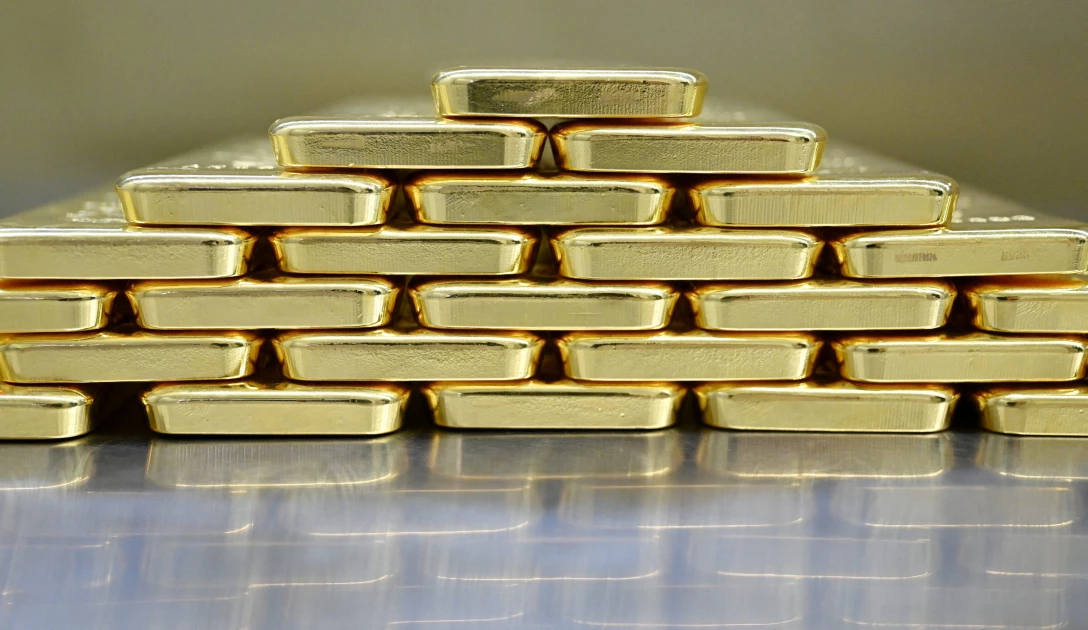
- Gold refineries — Africa now has a growing number of refineries (Uganda’s government says the country alone operates nine) that turn raw gold into refined gold bars of up to 99.99% purity. Refineries can be a source of investment-grade bars and a place to verify purity.
- Bullion dealers — Retail and wholesale dealers that sell refined, hallmarked gold bullion bars and coins, most established in South Africa. Ideal for investors who want ready-to-store bullion rather than raw gold.
- Precious metal trading companies — Firms that trade gold, silver and other metals across borders, often acting as intermediaries between African sellers and refineries in Dubai, Switzerland or India. Their credibility depends entirely on their compliance and chain-of-custody records.
Why Buy Gold from Africa?
1. Rich mineral reserves.
Africa holds an estimated 30% of the world’s known gold reserves and has been the leading gold-producing region in recent years, with output above 1,000 tonnes annually.
2. Major producing countries.
Ghana is Africa’s largest producer and posted a record of about 5.94 million ounces in 2025, with small-scale miners producing more than half for the first time. Mali, Burkina Faso, South Africa, Sudan and Tanzania are also major producers.
3. Wholesale opportunities.
Regional trading hubs make it possible to source large volumes. Uganda’s gold exports reached about $5.8 billion in 2025, up nearly 76% year on year according to the Bank of Uganda, and Tanzania’s gold exports rose to about $4.75 billion in 2025.
4. Direct sourcing.
Buying closer to the source — from licensed exporters rather than through several layers of intermediaries — can improve pricing transparency and give you better visibility over origin and chain of custody.
5. International demand.
Central banks bought more than 800 tonnes of gold for the fourth year running in 2025, and gold prices have traded near record highs.
Strong global demand keeps African gold liquid and easy to resell through refineries in the UAE, Switzerland and elsewhere.
Best Countries to Buy Gold in Africa
Each country has its own rules. The table below summarises where different buyer types tend to source African gold.
| Country | Main Gold Source | Export System | Suitable For |
|---|---|---|---|
| Uganda | Regional trading and refining hub | Licensed dealers and exporters; local refineries | Wholesale buyers |
| Ghana | Africa’s largest producer | Government-regulated; artisanal gold exported only via the Ghana Gold Board (GoldBod) | Investors and institutional off-takers |
| Tanzania | Large-scale and small-scale mining | Licensed mineral dealers; government mineral trading centres | Bullion and doré buyers |
| DR Congo | Industrial and artisanal gold mining | Enhanced due diligence required (conflict-affected areas) | Experienced buyers only |
| South Africa | Refined bullion | Established refineries and regulated bullion dealers | Investment bars and coins |
1. Uganda gold dealers:
Uganda produces relatively little gold itself but has become a major regional refining and trading hub for gold from neighbouring countries. That makes chain-of-custody documentation especially important — always ask where the gold was mined.
2. Ghana gold:
Since May 2025, the Ghana Gold Board (GoldBod) has been the sole buyer, assayer and exporter of gold from licensed small-scale miners.
Foreign buyers can no longer trade artisanal gold locally, but they can apply to buy directly from GoldBod. Any “Ghana dealer” offering to export artisanal gold privately should be treated with extreme caution.
3. Tanzania gold:
Gold is Tanzania’s largest goods export. Dealers must be licensed by the Mining Commission, and small-scale gold is channelled through official trading centres.
4. DR Congo gold:
Gold from eastern DRC carries a high risk of links to armed groups. Buyers must follow the OECD Due Diligence Guidance and be prepared for strict scrutiny from refineries and regulators.
5. South Africa gold:
Home to long-established refineries and regulated bullion dealers. Best for buyers who want investment-grade gold bars and coins rather than raw gold.
How to Verify a Legitimate Gold Dealer
This is the most important part of the process. Never skip a step, even if the seller seems friendly, urgent or well-connected.
1. Verify Company Registration
Ask for the certificate of incorporation, tax registration and names of directors.
Check them directly with the national business registry (for example, the Uganda Registration Services Bureau, Ghana’s Office of the Registrar of Companies or Tanzania’s BRELA). Confirm that the company has existed for a reasonable time and that directors are real, traceable people.
2. Verify Mineral Dealer Licence
A legitimate licensed gold dealer holds a current mineral dealer’s or trading licence issued by the national mining authority.
Ask for the licence number and confirm it independently with the regulator — not by calling a number printed on the document the seller sent you. Check that the licence covers gold, is in the company’s name and has not expired.
3. Visit Their Office
Genuine gold exporters in Africa have a physical office, a secure vault or storage arrangement and staff who can host buyers.
Visit in person or send a trusted local representative. Be wary of meetings in hotel lobbies, private homes or “temporary” offices.
4. Independent Assay
Never rely on the seller’s own test results. Insist on an independent gold assay by a laboratory you choose, ideally a government or accredited lab, or a recognised refinery.
Fire assay is the most reliable method for determining gold purity; handheld XRF readings are useful for screening only.
5. Export Permit
No gold may legally leave an African country without an official gold export permit or equivalent authorisation.
Ask how and when the permit will be issued, and verify it with the issuing ministry before shipment. Be suspicious of anyone who asks you to pay separately for “permit fees” to an individual.
6. References
Ask for references from previous international buyers and refineries the dealer has supplied.
Contact them yourself and ask specific questions about quantities, delivery and assay results. A trusted dealer will have a verifiable trading history.
7. Secure Contracts
Use a written gold sales and purchase agreement (SPA) drafted or reviewed by a lawyer experienced in commodities.
It should specify quantity, purity, price formula (usually linked to the LBMA price minus an agreed discount), assay procedure, delivery terms (Incoterms), title transfer, insurance and dispute resolution.
8. Secure Payment Methods
Pay only through traceable, protected methods: escrow accounts, documentary letters of credit, or payment after independent assay and delivery to a refinery. Avoid cash, cryptocurrency, money transfer services and payments to personal accounts.
Documents Every Gold Buyer Should Receive
A complete paper trail proves legality, origin and quality. Every legitimate gold export should include:
- Commercial invoice — The seller’s formal bill showing buyer and seller details, quantity, purity, unit price, total value and payment terms. It is the basis for customs valuation.
- Export permit — Official authorisation from the national mining or trade authority allowing the gold to leave the country. Without it, the shipment is illegal.
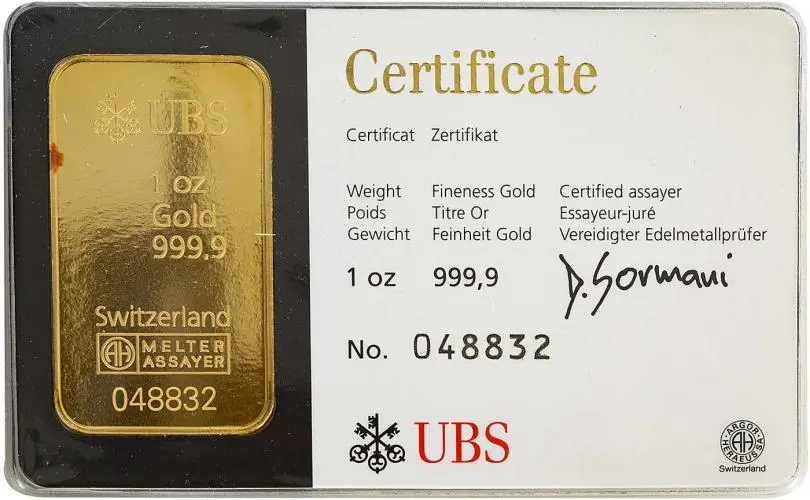
- Certificate of Analysis (assay report) — Issued by an accredited laboratory, confirming the weight, purity (fineness) and composition of the gold. Compare it against your own independent assay.
- Certificate of Origin (where applicable) — Confirms the country where the gold was mined. Essential for compliance with refinery and responsible sourcing requirements.
- Air Waybill (AWB) — The airline’s transport document and receipt for the cargo, with a tracking number you can verify directly with the carrier.
- Packing list — Details of how the gold is packed: number of boxes, bars or bags, gross and net weights and seal numbers.
- Insurance certificate — Proof that the shipment is insured in transit, ideally “all risks” cover from a recognised insurer, naming the correct beneficiary.
- Sales agreement — The signed contract (SPA) that sets out all terms of the transaction and protects both parties.
- Customs documents — Export declarations, tax and royalty payment receipts and any clearance certificates from the exporting country’s revenue authority.
Types of Gold Sold by African Dealers
1. Gold Bars
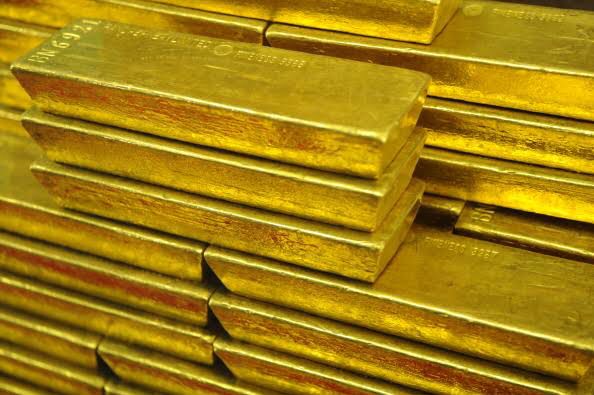
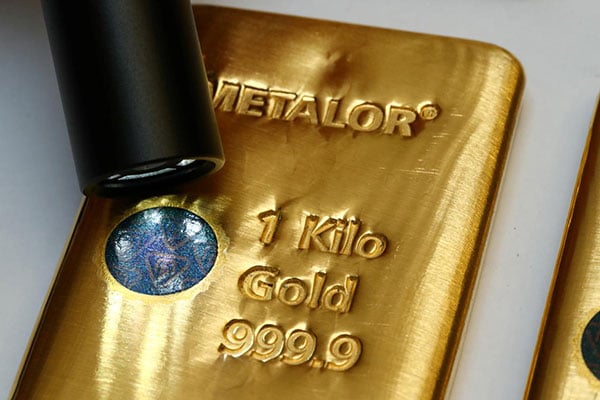
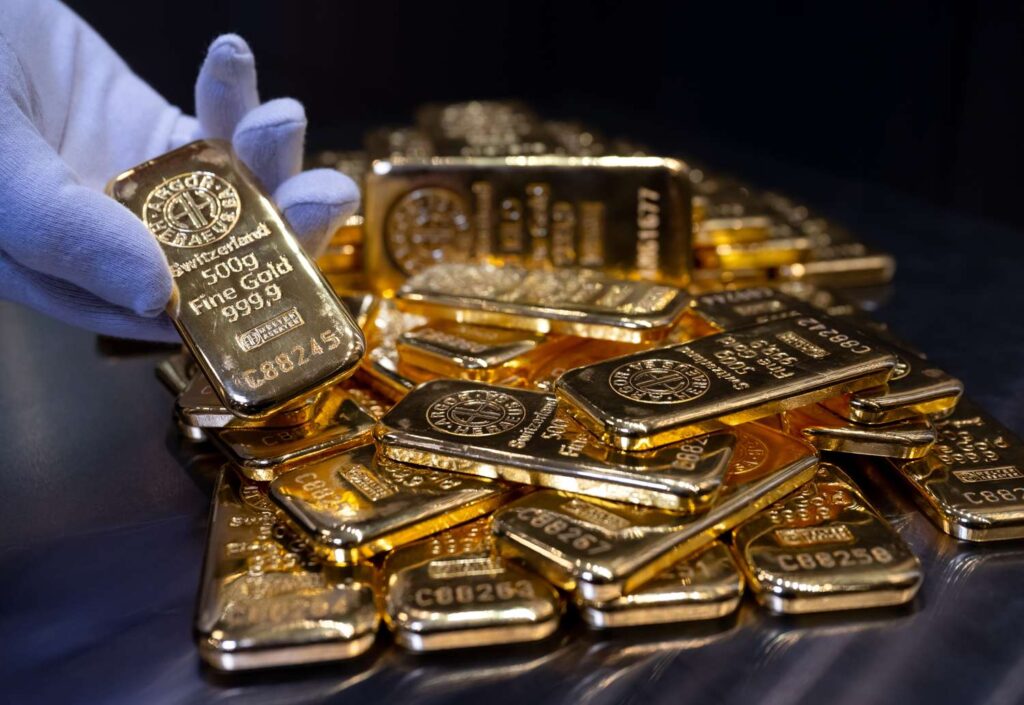
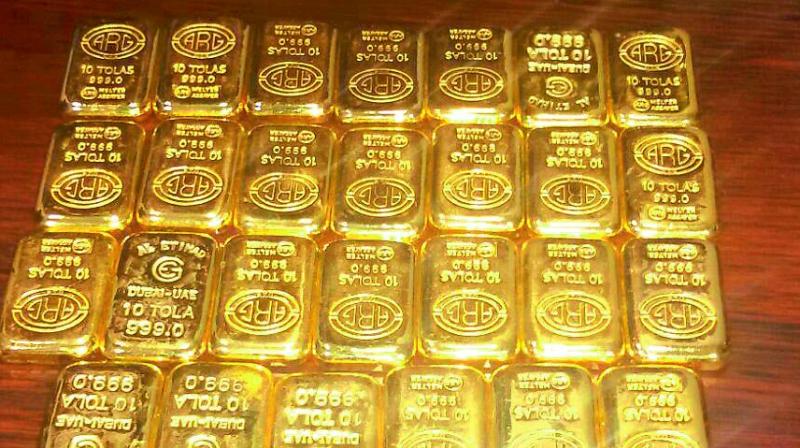
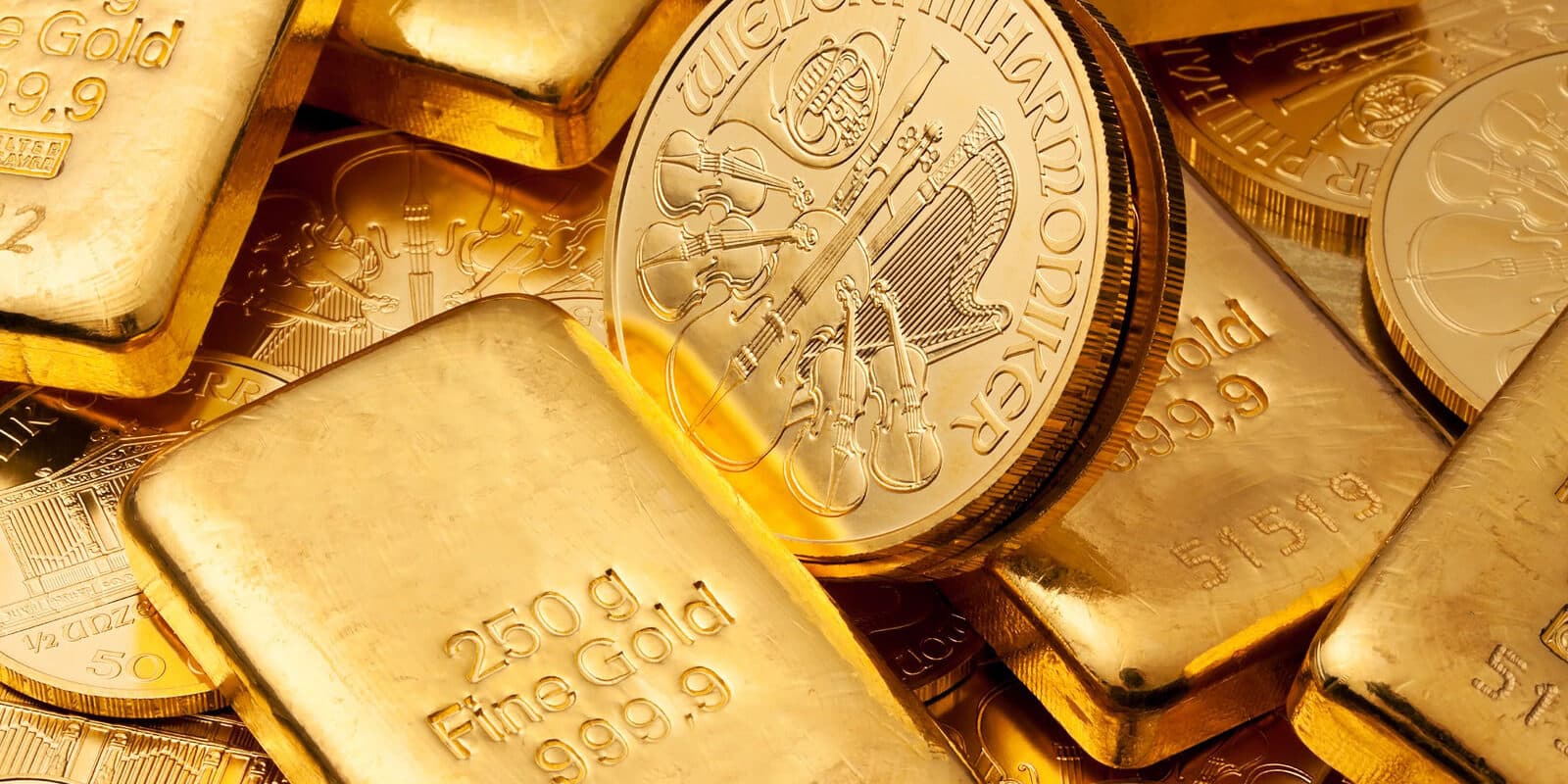
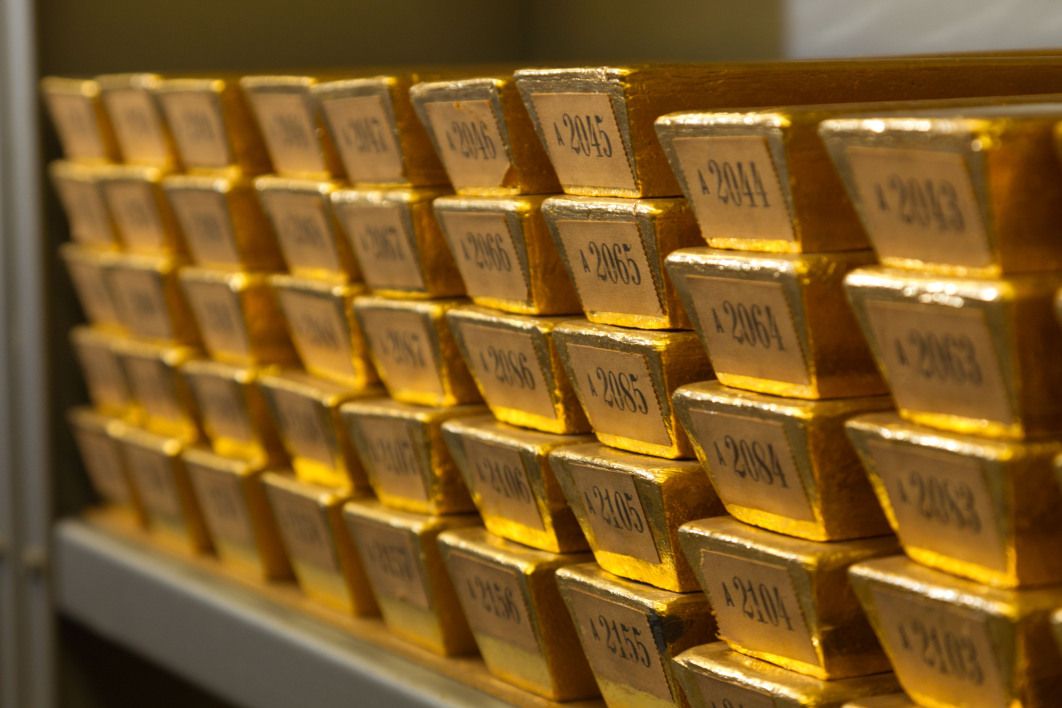
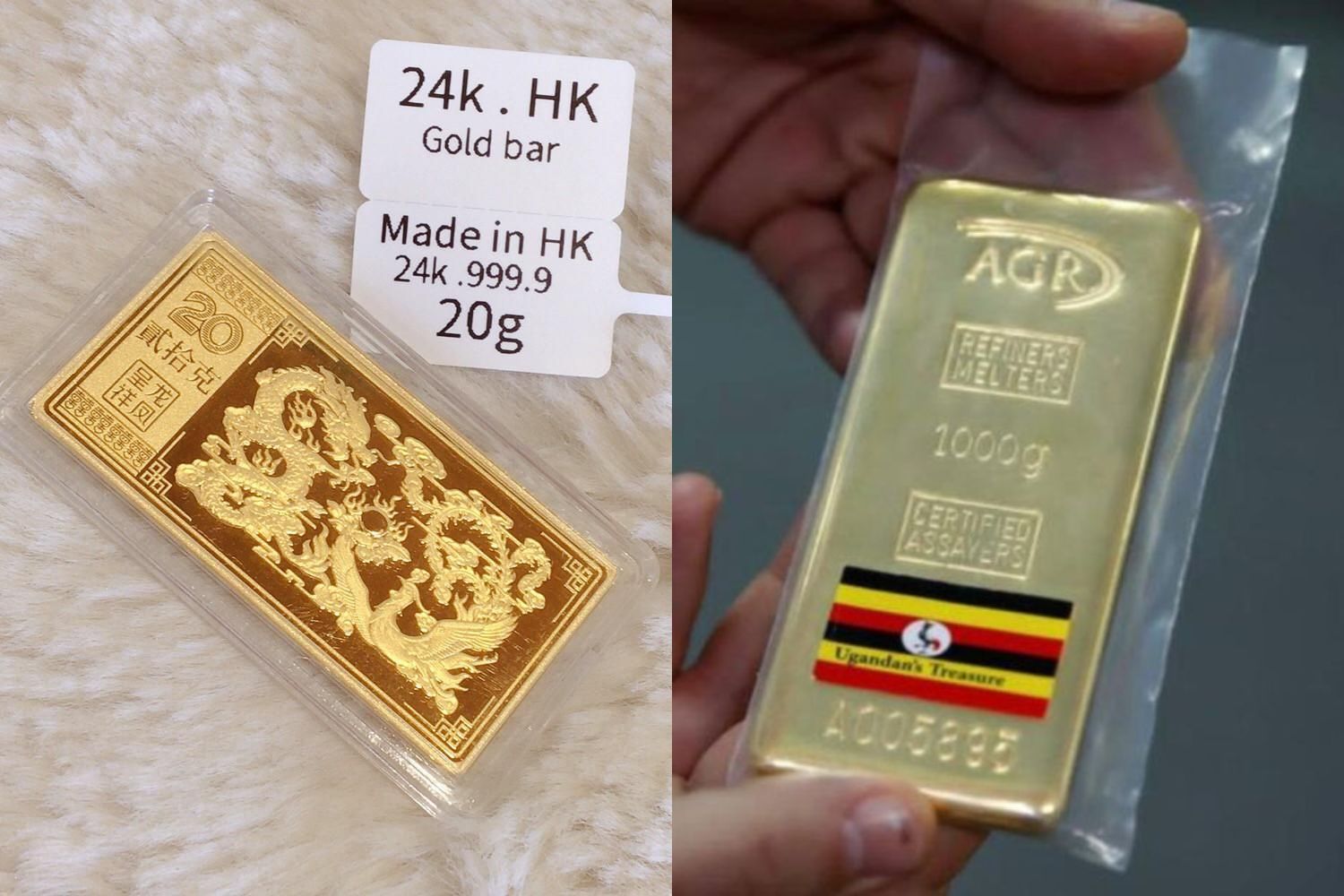
Refined gold bars typically have a purity of 99.5% to 99.99% (24 karat). They are the best choice for investors and anyone planning long-term storage or resale. Bars from accredited refineries carry a hallmark, serial number and assay certificate.
2. Gold Nuggets
Natural gold nuggets are usually around 70% to 95% pure, with the remainder made up of silver and other metals. They appeal to collectors and jewellers, but their value depends heavily on accurate assay. Large “perfect” nuggets offered cheaply are a red flag.
3. Gold Dust
Gold dust (alluvial gold) is fine-grained gold recovered from rivers and soils, often with purity of 80% to 95% before refining.
It is easy to adulterate with brass filings, sand or other metals, so it should be bought only after independent assay. Gold dust is also the most common product in gold scams.
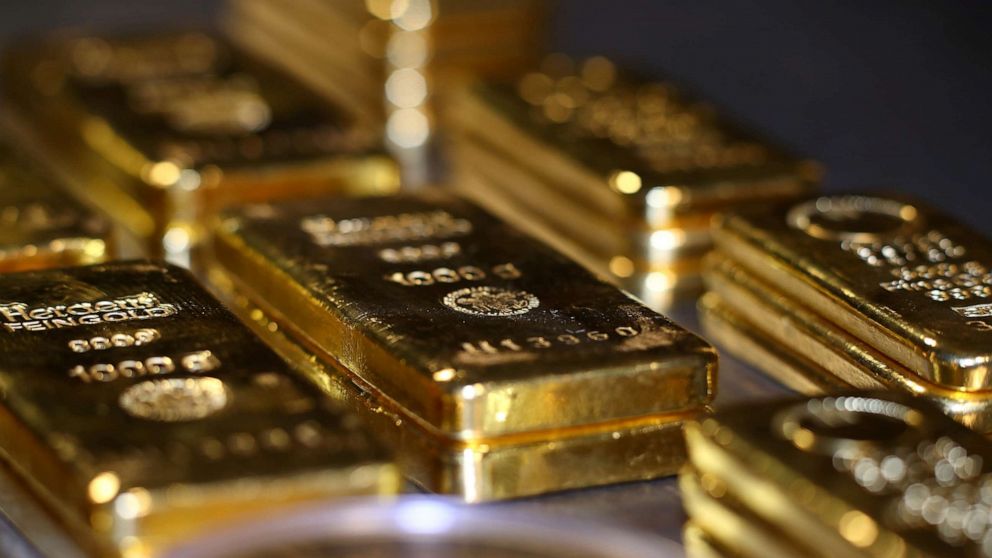
4. Doré Bars
Doré bars are semi-pure bars poured at or near a mine, typically containing 60% to 90%+ gold plus silver and impurities. They are not investment-grade and must be refined.
Doré suits refineries and wholesale gold buyers who can process it, and pricing is based on the gold content confirmed after refining.
Gold Buying Process in Africa
A transparent, step-by-step process protects both buyer and seller:
- Inquiry — The buyer contacts the dealer with the product type, quantity, purity and delivery destination required.
- Quotation — The dealer issues a written quote, usually linked to the international gold price (LBMA) less an agreed discount, along with terms.
- Due diligence — Both parties exchange KYC documents. The buyer verifies registration, licences, references and the origin of the gold.
- Assay — The gold is tested by an independent, accredited laboratory, with the buyer or their representative present where possible.
- Contract — Both parties sign a sales and purchase agreement covering price, purity, quantity, delivery, insurance and payment.
- Payment — Payment is made through an agreed secure method, such as escrow, a letter of credit or payment after delivery and refining.
- Export permit — The exporter obtains the official export permit and pays royalties and taxes.
- Customs clearance — Gold is sealed, inspected and cleared by customs at the export point.
- Secure shipment — A specialist secure logistics carrier transports the insured gold by air to the destination.
- Delivery — The gold is delivered to the buyer, a vault or a refinery, where it is weighed, verified and, if needed, refined.

Common Gold Buying Scams
Knowing these gold buying scams is the best way to protect your money.
1. Fake Export Documents
Fraudsters produce convincing but forged export permits, assay certificates, air waybills and even government letters.
How to prevent it: Verify every document directly with the issuing authority using contact details you find independently. Check air waybill numbers with the airline.
2. Advance Fee Scam
The seller asks for upfront payments for “export tax”, “clearance”, “insurance” or “storage” before shipping — then invents new fees until the buyer gives up.
How to prevent it: Agree all costs in the contract from the start. Never pay fees to individuals, and use escrow or payment-on-delivery structures.
3. Gold Switching Scam
The buyer sees and tests real gold, but it is swapped for fake or lower-purity material before sealing or shipping.
How to prevent it: Have your representative present during assay, weighing and sealing. Use tamper-evident seals and keep the gold under secure custody until shipment.
4. Below-Market Price Offers
Offers of gold at 20–40% below the international price are the most common lure. Legitimate dealers price close to the LBMA rate because gold is easy to sell anywhere. How to prevent it: Treat any unusually deep discount as a warning sign, not an opportunity.
5. Fake Refineries
Scammers create websites and documents for refineries or laboratories that do not exist, or impersonate real ones.
How to prevent it: Confirm the refinery’s physical address, licences and industry accreditations, and contact it through independently verified channels.
6. WhatsApp-Only Sellers
Sellers who communicate only through WhatsApp or social media, refuse video calls or office visits, and use personal phone numbers are high-risk.
How to prevent it: Deal only with registered companies that have a verifiable office, company email domain and licensed staff you can meet.
How Buy Gold in Africa Limited Helps Buyers
Buy Gold in Africa Limited helps international buyers source gold through a structured, compliance-led process designed to reduce risk at every stage.
- Licensed sourcing — We work with licensed miners, dealers and exporters operating within national mining and export laws.
- Supplier verification — We check company registration, mineral dealer licences and trading history before introducing any supplier.
- Independent assay — We arrange testing by accredited, independent laboratories so buyers know the exact weight and purity of the gold.
- Export documentation — We help prepare and verify export permits, certificates of analysis, certificates of origin, invoices and customs paperwork.
- Secure logistics — We coordinate sealed, insured shipments through specialist secure carriers.
- Transparent quotations — Quotes are clearly linked to the international gold price, with fees and discounts set out in writing before any commitment.
- Customer support — Buyers have a dedicated contact to answer questions throughout the transaction.
- International shipping — We coordinate delivery to buyers, vaults and refineries in major gold markets worldwide.
Why Buyers Choose Buy Gold in Africa Limited
| Feature | Buy Gold in Africa Limited |
|---|---|
| Supplier verification | ✓ |
| Independent assay | ✓ |
| Export documentation | ✓ |
| Secure shipping | ✓ |
| International support | ✓ |
| Transparent pricing | ✓ |
Frequently Asked Questions
Is it legal to buy gold from Africa?
Yes. It is legal to buy gold from Africa when you purchase from licensed dealers or exporters and the gold leaves the country with a valid export permit and all royalties and taxes paid. Rules differ by country — in Ghana, for example, artisanal gold can only be bought from the Ghana Gold Board.
How do I verify a gold dealer?
Check company registration with the national registry, confirm the mineral dealer’s licence with the mining authority, visit the office, contact past clients and insist on an independent assay before payment.
Which African country produces the most gold?
Ghana is Africa’s largest gold producer, with record output of about 5.94 million ounces in 2025. Mali, Burkina Faso, South Africa, Sudan and Tanzania are also major producers.
Can gold be shipped internationally?
Yes. Gold can be shipped internationally once the exporter obtains an export permit and customs clearance. It is usually sent by air freight with specialist secure carriers and full insurance.
How long does shipping take?
Once documents and permits are in place, air shipment from East or West Africa to destinations such as Dubai, Europe or Asia often takes a few business days. The full process — due diligence, assay, permits and clearance — commonly takes one to several weeks.
Which documents should I receive?
At minimum: a commercial invoice, export permit, certificate of analysis, certificate of origin (where applicable), air waybill, packing list, insurance certificate, signed sales agreement and customs documents.
Is buying directly from Africa cheaper?
It can be, because buying closer to the source removes some intermediaries. However, legitimate gold is always priced close to the international market rate. Very large discounts almost always signal fraud.
Can foreigners buy gold in Africa?
In most countries, yes — through licensed dealers, exporters or government bodies. Some countries restrict foreigners from trading locally; in Ghana, foreigners must now apply to buy directly from GoldBod.
What payment methods are safest?
The safest options are escrow accounts, documentary letters of credit through reputable banks, and payment after independent assay and delivery to a refinery. Avoid cash, crypto and money transfer services.
How can I avoid gold scams?
Be sceptical of below-market prices, never pay advance fees, verify every document with its issuer, attend the assay and sealing in person or through a representative, and work only with licensed companies that have a verifiable physical presence.
Conclusion
Africa offers some of the world’s best opportunities for gold buyers, from Ghana’s record production to Uganda’s and Tanzania’s booming export trade. But those opportunities come with real risk, and careful due diligence is essential.
To buy safely, work only with licensed gold dealers, verify every document directly with its issuer, insist on an independent assay, and use secure payment and shipping methods. If an offer sounds too good to be true, it almost certainly is.
If you need help sourcing gold responsibly, Buy Gold in Africa Limited can help verify suppliers, arrange independent assays, prepare export documentation and coordinate secure international delivery — so you can buy gold from Africa with confidence.