Ghana vs Dubai vs Switzerland |Best Place to Buy Gold in 2026
Buying gold from Ghana, Dubai, or Switzerland can be a smart investment, but choosing the right market involves much more than comparing prices. While many buyers assume the cheapest gold offers the best value, factors such as legal compliance, authenticity, taxes, export regulations, refining standards, and secure shipping play a far greater role in protecting your investment. Each destination serves different types of buyers, from investors seeking LBMA-certified bullion to businesses sourcing wholesale gold or collectors looking for tax-efficient purchases. Understanding the strengths and limitations of each market can help you avoid costly mistakes, fraudulent sellers, and unexpected import or export challenges.
This guide compares Ghana, Dubai, and Switzerland across pricing, safety, regulations, taxes, quality, export requirements, and investment value to help you choose the right market. Whether you’re wondering Ghana vs Dubai vs Switzerland for buying gold or simply asking where to buy gold safely, you’ll find an unbiased comparison to help you make an informed decision.
Dubai and Switzerland are generally the safest places to buy investment-grade gold because of their established bullion markets, strict regulations, and internationally recognized refineries. Ghana can offer competitive wholesale opportunities, but buyers should work only with licensed sellers, verify all export documents, and comply with local and international regulations. The best choice depends on your budget, investment goals, and preferred level of security.
| Factor | Ghana | Dubai (UAE) | Switzerland |
| Best For | Wholesale sourcing and bulk buyers | Investors, traders, and tourists | Long-term investors and wealth preservation |
| Gold Prices | Can be competitive depending on market conditions and premiums | Competitive with low local taxes | Higher premiums for refined bullion |
| Safety | Varies by seller; verification is essential | High | Very High |
| Gold Quality | Varies; independent assay recommended | High-quality bullion widely available | LBMA-certified bullion and world-class refineries |
| Government Regulation | Licensed trade and export controls apply | Well-regulated precious metals market | Strict financial and bullion regulations |
| Export Process | Requires export permits and supporting documentation | Straightforward when regulations are followed | Highly regulated with comprehensive documentation |
| Taxes & Duties | Export fees and applicable government charges | Generally tax-efficient for investment gold | Tax treatment depends on product and destination |
| Risk Level | Medium–High without proper due diligence | Low | Very Low |
| Ideal Buyer | Experienced importers and wholesale buyers | International investors and bullion traders | Investors seeking maximum security and authenticity |
Ghana vs Dubai vs Switzerland
The table below compares Ghana, Dubai, and Switzerland across the key factors that matter most when buying gold, including gold quality, pricing, taxes, licensing, export procedures, and overall investment suitability.
| Factor | Ghana | Dubai (UAE) | Switzerland |
| Gold Source | Major gold-producing country with locally mined gold from large-scale and artisanal mining | Global gold trading hub importing bullion from multiple producing countries | Global refining and bullion hub processing gold from international sources |
| Purity | Dore and refined gold available; investment bars typically 99.5%–99.99% depending on refinery | Commonly 99.9% and 99.99% investment-grade bullion | Predominantly 99.99% investment-grade bullion refined by internationally recognized refineries |
| Typical Premium | Varies by seller, quantity, purity, and export costs | Generally competitive, with premiums depending on dealer and product | Often higher premiums reflecting refining, certification, and brand reputation |
| Taxes | Export fees and government charges may apply depending on the transaction | Generally tax-efficient for many investment gold purchases under UAE rules | Tax treatment depends on the product and destination country |
| Export Process | Requires export authorization and supporting documentation before shipment | Well-established export procedures with customs documentation | Comprehensive customs and export documentation with strict compliance requirements |
| Licensing | Buy only from licensed and authorized gold dealers or exporters | Licensed bullion dealers and regulated precious metals businesses | Licensed banks, bullion dealers, and internationally recognized precious metals companies |
| Investment Grade | Available when independently assayed and refined to accepted investment standards | Yes, with a wide selection of internationally recognized bullion products | Yes, globally recognized investment-grade bullion meeting high refining standards |
| Risk Level | Medium if proper due diligence is followed; higher when dealing with unverified sellers | Low due to a mature bullion market and strong oversight | Very Low due to rigorous regulation, established refineries, and strong investor protections |
| Best For | Wholesale buyers, refiners, and businesses sourcing gold from producing regions | International investors, bullion traders, and travelers | Long-term investors, wealth preservation, and buyers seeking maximum authenticity and quality |
Why These Three Countries Are Popular Gold Markets
Ghana, Dubai, and Switzerland are among the world’s most recognized destinations for buying gold, but each serves a different purpose. Ghana is known for gold production and direct sourcing, Dubai has become one of the world’s leading bullion trading hubs, and Switzerland is internationally recognized for refining and investment-grade precious metals. Understanding what makes each market unique can help buyers choose the right destination based on price, quality, regulations, and investment objectives.
Ghana: A Leading African Gold Producer
Ghana is one of Africa’s largest gold-producing countries and has built a strong reputation in the global mining industry. Gold is produced by both large-scale mining companies and licensed small-scale miners, making the country an important source of newly mined gold. Many international buyers are attracted to Ghana because it offers opportunities to purchase gold closer to its source before it reaches major refining and trading hubs.
For wholesale buyers and importers, Ghana can provide direct sourcing opportunities, particularly for dore bars and refined bullion supplied through authorized channels. However, buyers should work only with properly licensed businesses, verify the authenticity of the gold through independent testing where appropriate, and ensure all export and customs requirements are met before completing a transaction.
Dubai: A Global Gold Trading Hub
Dubai has earned its reputation as one of the world’s largest gold trading centers by connecting producers, refiners, wholesalers, and investors from across Africa, Asia, Europe, and the Middle East. Its strategic location, modern logistics infrastructure, and active bullion market make it a preferred destination for both commercial traders and private investors.
The city is also famous for its traditional Gold Souk, luxury jewelry stores, and professional bullion dealers offering investment-grade gold bars and coins. Many buyers are attracted by Dubai’s competitive market, broad product selection, and relatively efficient tax environment for investment gold, although prices still vary based on global spot prices, premiums, and dealer margins.
Switzerland: The World’s Refining and Investment Bullion Center
Switzerland is widely regarded as the global center for gold refining and high-quality investment bullion. Several of the world’s largest precious metal refineries operate in Switzerland, producing internationally recognized gold bars that are trusted by banks, institutional investors, and private buyers around the world.
Swiss bullion is valued for its high purity, strict quality controls, and strong international reputation. In addition to world-class refining, Switzerland offers a mature financial sector, secure vaulting services, and a stable regulatory environment, making it a preferred destination for long-term investors seeking wealth preservation and internationally recognized investment-grade gold.
Gold Prices Compared
The global spot price of gold is the starting point for pricing in Ghana, Dubai, and Switzerland. However, the amount you ultimately pay depends on several additional costs, including dealer premiums, refining charges, taxes, shipping, insurance, and import duties in your destination country. As a result, the country advertising the lowest price does not always provide the best overall value.
For example, wholesale buyers in Ghana may find competitive pricing by purchasing closer to the source, while buyers in Dubai benefit from a highly competitive bullion market with numerous licensed dealers. Switzerland generally offers internationally recognized investment-grade bullion from leading refineries, although the premium may be higher because of refining quality, certification, and brand reputation.
When comparing gold prices, consider the total landed cost rather than the purchase price alone. This includes the gold price, dealer premium, taxes, export documentation, shipping, insurance, customs clearance, and any import duties payable in your country.
Factors That Affect Gold Prices
Several factors influence the final price of gold regardless of where you buy it:
- Global Spot Price: The international market price of gold, which changes throughout the trading day.
- Dealer Premium: The markup charged above the spot price to cover refining, fabrication, inventory, and business costs.
- Dealer Fees: Additional charges that may include transaction, handling, storage, or payment processing fees.
- Taxes: VAT, sales taxes, or other government charges may apply depending on the country and the type of gold purchased.
- Export and Shipping Costs: International shipments often require insurance, secure transport, customs documentation, and export permits.
- Import Costs: Customs duties, VAT, or import taxes in the destination country can significantly increase the total purchase cost.
- Gold Purity and Product Type: Investment-grade bullion typically carries different premiums than jewelry, dore bars, or scrap gold.
Gold Price Comparison
| Cost Factor | Ghana | Dubai (UAE) | Switzerland |
| Spot Price | Based on the international market price | Based on the international market price | Based on the international market price |
| Typical Premium | Varies by purity, quantity, and supplier | Generally competitive due to an active bullion market | Often higher for internationally recognized investment bullion |
| Dealer Fees | Vary by dealer and transaction | Usually competitive among licensed dealers | May be higher depending on the dealer, refinery, and storage services |
| VAT / Sales Tax | Depends on applicable local regulations and transaction type | Tax treatment varies depending on the product and applicable UAE rules | Depends on the type of gold and the destination country’s tax requirements |
| Import Costs | Determined by the importing country’s customs duties, VAT, and regulations | Determined by the importing country’s customs duties, VAT, and regulations | Determined by the importing country’s customs duties, VAT, and regulations |
Key Takeaway: A lower purchase price does not always mean a lower overall cost. Compare the complete landed cost, including premiums, taxes, shipping, insurance, and import charges before deciding where to buy gold.
Gold Quality and Purity
Gold quality and purity are among the most important considerations when deciding where to buy gold. While Ghana, Dubai, and Switzerland all offer genuine investment gold, the quality assurance process, refining standards, certification, and product availability differ between these markets. Buyers should look beyond the advertised purity and verify that the gold has been professionally refined, independently assayed where appropriate, and accompanied by the necessary documentation.
Ghana
Ghana is a leading gold-producing country where buyers can purchase both dore gold and refined bullion through authorized channels. The purity of gold varies depending on the product. Dore bars are semi-refined and require further processing before reaching investment-grade standards, while refined bullion may be available in high purities suitable for investment.
Because products can differ by supplier, buyers should confirm the gold’s purity through an independent assay for high-value transactions. It is also important to verify the bar’s weight, fineness, and serial number (where applicable) and ensure that all supporting documents match the physical gold being purchased.
Dubai (UAE)
Dubai offers one of the world’s largest selections of investment-grade gold bars, coins, and jewelry through licensed bullion dealers, banks, and precious metals retailers. Investment bullion is commonly available in 24-karat (99.9% or 99.99% purity), whilejewelry is often sold in 22-karat (91.6% purity), especially throughout the city’s well-known Gold Souk.
Many bullion products sold in Dubai originate from internationally recognized refineries and include refinery certificates, unique serial numbers, tamper-evident packaging (for applicable products), and documentation confirming the bar’s weight and fineness. Buyers should always purchase from reputable dealers and verify product details before completing a transaction.
Switzerland
Switzerland is internationally recognized for producing some of the world’s highest-quality investment bullion. The country is home to several leading precious metal refineries that manufacture 99.99% (24-karat) gold bars accepted by banks, institutional investors, and bullion markets worldwide.
Swiss investment bars typically undergo rigorous refining, quality control, and assaying before entering the market. Most bars include a unique serial number, the refiner’s hallmark, stated purity, exact weight, and an assay certificate or equivalent documentation confirming their specifications. These features contribute to Switzerland’s strong reputation for consistency, authenticity, and investor confidence.
Gold Quality Comparison
| Quality Factor | Ghana | Dubai (UAE) | Switzerland |
| Common Purity | Dore gold and refined bullion; purity varies by product | 22K jewelry and 24K investment bullion widely available | Primarily 24K (99.99%) investment bullion |
| 22K Gold | Available in some jewelry products | Common in jewelry | Less common; market focuses on investment bullion |
| 24K Gold | Available from authorized refiners and dealers | Widely available | Standard for investment-grade bullion |
| Refinery Standards | Vary depending on the refinery and product | High standards with internationally recognized bullion products | Internationally recognized refining and quality control |
| Assaying | Independent assay recommended for high-value purchases | Refinery documentation commonly available; independent verification can be requested | Comprehensive assaying and quality verification before sale |
| Serial Numbers | Common on refined investment bars | Standard on many investment bullion bars | Standard on investment-grade bullion bars |
| Investment Grade | Available when refined to accepted investment standards | Widely available | Widely available and internationally recognized |
Key Takeaway: Regardless of where you buy gold, verify the purity, weight, serial number (if applicable), and supporting documentation before payment. For high-value purchases, consider an independent assay to confirm authenticity and ensure the product meets your investment requirements.
Safety Comparison
Safety should be one of the most important factors when deciding where to buy gold. A lower purchase price is of little value if the transaction exposes you to fraud, counterfeit products, regulatory problems, or export delays. Ghana, Dubai, and Switzerland all have legitimate gold markets, but the level of risk varies depending on the maturity of the market, regulatory oversight, and the seller you choose. Regardless of the country, always buy from licensed businesses, verify documentation, and use secure payment methods for high-value transactions.
Ghana
Ghana offers genuine opportunities to purchase gold from a major producing country, particularly for wholesale buyers and importers. However, because buyers are sourcing closer to the mining sector, thorough due diligence is essential.
Pros
- Access to gold near the source of production.
- Competitive opportunities for wholesale purchases.
- Established mining industry with licensed operators.
- Suitable for experienced buyers familiar with international trade.
Cons
- Greater due diligence is required before purchasing.
- Export procedures involve multiple regulatory requirements.
- Product quality and documentation may vary between suppliers.
Risks
- Fraud involving unlicensed sellers or fake brokers.
- Counterfeit or altered documentation.
- Purchasing gold without proper export authorization.
- Advance-payment scams or unrealistic pricing offers.
Dubai (UAE)
Dubai has developed into one of the world’s largest precious metals trading centers, offering a mature bullion market with numerous licensed dealers and internationally recognized products.
Pros
- Large selection of investment-grade gold bars and coins.
- Competitive pricing through an active bullion market.
- Strong commercial infrastructure and secure logistics.
- Easy access to reputable bullion dealers.
Cons
- Premiums vary between dealers.
- Popular tourist locations may charge higher markups.
- Buyers still need to verify dealer credentials and product authenticity.
Risks
- Purchasing from unlicensed traders.
- Paying excessive premiums without comparing dealers.
- Buying jewelry when investment bullion is the intended objective.
Switzerland
Switzerland is widely regarded as one of the safest places in the world to purchase investment-grade gold. Its internationally recognized refineries, strong financial sector, and rigorous quality standards make it a preferred destination for institutional and private investors.
Pros
- Exceptional reputation for authenticity and quality.
- High-quality investment bullion from internationally recognized refineries.
- Strong regulatory oversight and professional bullion dealers.
- Secure storage and vaulting options.
Cons
- Higher premiums compared with some other markets.
- Wholesale sourcing opportunities are generally more limited than in producing countries.
Risks
- Paying premium prices for branded bullion.
- Choosing unauthorized online sellers instead of established dealers.
Safety Score Comparison
| Safety Factor | Ghana | Dubai (UAE) | Switzerland |
| Licensed Dealer Availability | Good | Excellent | Excellent |
| Regulatory Oversight | Good | Very Good | Excellent |
| Counterfeit Risk | Medium | Low | Very Low |
| Scam Risk | Medium–High if due diligence is not performed | Low | Very Low |
| Documentation Standards | Good when purchasing through authorized channels | Very Good | Excellent |
| Investment Security | Good | Very Good | Excellent |
| Overall Safety Score | 7.5/10 | 9/10 | 9.8/10 |
Key Takeaway: Switzerland offers the highest level of safety for investment-grade bullion, while Dubai combines strong regulation with a competitive trading environment. Ghana can be a reliable sourcing market for experienced buyers who conduct thorough due diligence, verify all documentation, and purchase only through authorized channels.
Gold Regulations and Licensing
Government regulation plays a critical role in ensuring that gold is traded legally, ethically, and transparently. Before purchasing gold in Ghana, Dubai, or Switzerland, buyers should understand the licensing requirements, export procedures, and regulatory authorities that oversee the market. Buying from authorized businesses and complying with export and import laws helps reduce the risk of fraud, shipment delays, and legal complications.
Ghana
Ghana’s gold trade is regulated under the Ghana Gold Board (GoldBod) framework, which oversees the purchase, trading, assaying, and export of gold within its legal mandate. Buyers should deal only with businesses that are authorized to operate under the applicable regulatory framework.
For international transactions, gold exports must follow the required authorization process and be supported by the necessary documentation before shipment. Depending on the transaction, this may include export authorization, assay documentation, commercial invoices, packing lists, and customs documentation. Buyers should confirm the current regulatory requirements before completing a purchase.
Dubai (United Arab Emirates)
Dubai is one of the world’s leading precious metals trading hubs and operates within a well-established regulatory environment. Many bullion companies operate within the Dubai Multi Commodities Centre (DMCC), which provides a framework for precious metals businesses and commodity trading.
Gold exports and imports are processed through Dubai Customs, with customs declarations and supporting shipping documents required for international transactions. Depending on the type of gold and the nature of the transaction, VAT rules may apply under UAE legislation. Buyers should confirm the applicable tax treatment before purchasing or exporting gold.
Switzerland
Switzerland maintains one of the world’s most respected precious metals regulatory systems. Investment bullion is commonly produced by internationally recognized refineries that manufacture bars meeting widely accepted international standards.
The country’s precious metals sector is supervised under Swiss precious metals legislation, with oversight that includes the Swiss Precious Metals Control framework for the manufacture and verification of precious metal products. Many investment bars available in Switzerland are produced by LBMA Good Delivery accredited refiners, making them widely accepted in international bullion markets.
International shipments must also comply with Swiss Customs requirements, including export declarations and supporting documentation where applicable.
Regulatory Comparison
| Regulatory Area | Ghana | Dubai (UAE) | Switzerland |
| Primary Authority | Ghana Gold Board (GoldBod) | Dubai Multi Commodities Centre (DMCC) and Dubai Customs | Swiss Precious Metals Control and Swiss Customs |
| Dealer Authorization | Purchase only from authorized dealers and exporters operating under the applicable legal framework | Licensed bullion dealers and regulated precious metals businesses | Licensed bullion dealers, banks, and recognized precious metals companies |
| Export Process | Export authorization and supporting documentation required | Customs declaration and export documentation required | Customs declaration and export documentation required |
| Tax Considerations | Applicable government charges and export requirements | VAT treatment depends on the transaction and applicable UAE rules | Tax treatment depends on the product and destination |
| International Recognition | Strong regional producer | Global bullion trading hub | Global refining and investment bullion leader |
Key Takeaway: Switzerland and Dubai offer highly structured regulatory environments with internationally recognized bullion markets. Ghana provides significant sourcing opportunities, but buyers should ensure they work with authorized businesses and comply with all applicable export and customs requirements before completing a transaction.
Which Country Has the Cheapest Gold?
Many buyers assume there is one country where gold is always the cheapest, but that is a misconception. The international spot price of gold is largely the same worldwide because it is determined by global financial markets. The final amount you pay depends on additional costs such as dealer premiums, taxes, refining charges, shipping, insurance, and import duties. As a result, Ghana is not always the cheapest, Dubai is not always the cheapest, and Switzerland is not always the most expensive. The best value depends on the type of gold you are buying, the quantity, and where the gold will ultimately be delivered.
Ghana: Competitive for Direct Sourcing
Ghana can offer competitive pricing because buyers are purchasing closer to the source of production. Wholesale transactions may have lower premiums than retail markets, but buyers should also consider export documentation, secure transportation, insurance, and any import duties in the destination country. These additional costs can reduce or eliminate any initial price advantage.
Dubai: Competitive Retail and Wholesale Market
Dubai is one of the world’s most competitive gold trading hubs, with many licensed bullion dealers competing on price. The city’s active market often results in competitive dealer premiums, particularly for standard investment bars. However, prices still vary between dealers, and shipping, insurance, and import costs must be added when gold is exported internationally.
Switzerland: Premium Quality at a Premium Price
Swiss gold bars often carry higher premiums because they are refined by internationally recognized refineries and are widely accepted in global investment markets. Although the initial purchase price may be higher, many investors consider the added cost worthwhile because of the reputation, quality assurance, and international liquidity of Swiss bullion.
What Determines the Final Cost?
When comparing prices between Ghana, Dubai, and Switzerland, evaluate the total landed cost, not just the purchase price. Important cost factors include:
- Global Spot Price: The international benchmark price of gold.
- Dealer Premium: The markup added above the spot price.
- Taxes: VAT or other applicable government taxes and charges.
- Transport Costs: Secure shipping from the seller to your destination.
- Insurance: Protection against loss or damage during transit.
- Import Duties and Customs Fees: Charges imposed by your destination country.
- Documentation Costs: Export permits, customs declarations, and related compliance expenses where applicable.
Cost Comparison
| Cost Factor | Ghana | Dubai (UAE) | Switzerland |
| Spot Price | Tracks the global market | Tracks the global market | Tracks the global market |
| Typical Premium | Often competitive for wholesale purchases | Generally competitive due to market competition | Often higher for internationally recognized bullion |
| Taxes | Applicable government charges may apply | VAT treatment depends on the transaction and applicable UAE rules | Depends on the product and destination country |
| Transport Costs | International shipping required for foreign buyers | International shipping required for export | International shipping required for export |
| Insurance | Recommended for all high-value shipments | Recommended for all high-value shipments | Recommended for all high-value shipments |
| Import Duties | Determined by the destination country | Determined by the destination country | Determined by the destination country |
| Overall Value | Strong for experienced wholesale buyers | Strong balance of price, accessibility, and liquidity | Strong for buyers prioritizing quality and global recognition |
Key Takeaway: There is no single country that always offers the cheapest gold. Compare the total landed cost, including premiums, taxes, transport, insurance, documentation, and import duties, rather than focusing only on the advertised purchase price. For many buyers, the best value comes from the market that balances competitive pricing with legal compliance, authenticity, and secure delivery.
Taxes and Duties
Taxes and duties can significantly affect the total cost of buying gold internationally. Although the global spot price is the same across markets, the amount you ultimately pay may increase because of VAT, customs charges, export fees, shipping costs, and import duties in your destination country. The applicable taxes also depend on the type of gold being purchased (investment bullion, jewelry, or other products), the purpose of the transaction, and the laws of both the exporting and importing countries.
Before purchasing gold from Ghana, Dubai, or Switzerland, buyers should confirm the latest tax rules with the relevant authorities or a qualified customs or tax adviser, as regulations may change.
Taxes and Duties Comparison
| Tax or Requirement | Ghana | Dubai (UAE) | Switzerland |
| VAT / Sales Tax | Tax treatment depends on the product and applicable Ghanaian regulations. | VAT treatment depends on the type of gold and applicable UAE rules. | VAT treatment depends on the product and Swiss tax rules; destination-country taxes may also apply. |
| Capital Gains | Depends on the tax laws applicable to the seller or investor. | Depends on the investor’s tax residence and applicable laws. | Depends on the investor’s tax status and the laws of the relevant jurisdiction. |
| Export Taxes / Government Charges | Applicable export fees and government charges may apply depending on the transaction. | Export procedures may involve customs processing and applicable government charges where required. | Export procedures must comply with Swiss customs requirements; applicable charges depend on the shipment. |
| Import Taxes | Determined by the destination country’s customs and tax laws. | Determined by the destination country’s customs and tax laws. | Determined by the destination country’s customs and tax laws. |
| Customs Requirements | Export authorization, customs declarations, and supporting documents required where applicable. | Customs declarations and shipping documentation required for international exports. | Customs declarations and export documentation required for international shipments. |
| Documentation | Export authorization (where applicable), commercial invoice, packing list, assay documentation, customs documents, and other required records. | Commercial invoice, packing list, customs declaration, shipping documents, and other required records. | Commercial invoice, customs declaration, transport documents, and other required export documentation. |
Key Points to Consider
- Investment bullion and jewelry may be taxed differently, even within the same country.
- Import duties are usually charged by the destination country, not the exporting country.
- Shipping, insurance, and customs clearance costs should be included when calculating the total landed cost.
- Missing or inaccurate documentation can delay customs clearance and increase overall costs.
- Tax rules change over time, so verify the latest requirements before purchasing or exporting gold.
Key Takeaway: The lowest advertised gold price does not always result in the lowest overall cost. Compare VAT, export charges, customs requirements, shipping expenses, insurance, and your country’s import taxes to determine the true cost of purchasing gold from Ghana, Dubai, or Switzerland.
Required Documents
Whether you purchase gold in Ghana, Dubai, or Switzerland, proper documentation is essential for a legal and secure transaction. Export and customs authorities require specific documents to verify the gold’s origin, purity, ownership, and compliance with applicable laws. Missing or inaccurate paperwork can result in shipment delays, customs penalties, or even the seizure of goods.
Although documentation requirements vary by country, destination, and type of gold being exported, the documents below are commonly required for international gold shipments.
Required Documents Comparison
| Document | Ghana | Dubai (UAE) | Switzerland |
| Export Permit / Export Authorization | Required under the applicable export framework before international shipment. | Required where applicable for international exports and customs processing. | Required where applicable for exports under Swiss customs procedures. |
| Certificate of Analysis (Assay Certificate) | Required to confirm the gold’s purity and weight. | Commonly provided for investment bullion and export shipments. | Commonly provided for investment-grade bullion and export transactions. |
| Certificate of Origin | May be required depending on the destination country or trade agreement. | May be required depending on the importing country’s requirements. | May be required depending on the destination country’s customs regulations. |
| Commercial Invoice | Required | Required | Required |
| Packing List | Required | Required | Required |
| Insurance Certificate | Strongly recommended for high-value international shipments. | Strongly recommended for secure international transport. | Strongly recommended for international bullion shipments. |
| Air Waybill (AWB) | Required for air freight shipments. | Required for air cargo exports. | Required for air freight where applicable. |
| Customs Declaration | Required for export clearance. | Required for customs processing. | Required for customs clearance. |
Additional Documentation That May Be Required
Depending on the shipment, buyer, and destination country, authorities or logistics providers may also request:
- Purchase or Sales Agreement
- Proof of Payment
- AML/KYC (Anti-Money Laundering and Know Your Customer) documentation
- Importer Registration or Import Permit (if required by the destination country)
- Transportation or Security Documents issued by the logistics provider
- Inspection or Independent Assay Report for high-value transactions
Key Takeaway: Before transferring funds, confirm that the seller can provide all required export and customs documents. Complete and accurate documentation helps verify authenticity, supports regulatory compliance, and reduces the risk of shipment delays or customs issues when importing gold.
Buying Process
The process of purchasing gold varies depending on whether you are buying directly from a producing country such as Ghana or from established bullion markets like Dubai and Switzerland. While the basic steps are similar, each market has different verification procedures, documentation requirements, and delivery options. Following a structured buying process helps reduce risk, ensures legal compliance, and protects your investment.
Ghana: Step-by-Step Buying Process
Buying gold in Ghana typically involves more due diligence because buyers are sourcing closer to the production stage. Working with an authorized seller and verifying every stage of the transaction is essential.
Step 1: Inquiry
- Contact an authorized gold dealer or exporter.
- Confirm the type of gold, quantity, purity, pricing, and availability.
⬇️
Step 2: Verification
- Verify the seller’s authorization and business credentials.
- Review available documentation and confirm export eligibility.
⬇️
Step 3: Assay
- Verify the gold’s purity and weight using an independent assay for high-value transactions where appropriate.
- Match the assay results with the bar’s markings, weight, and accompanying documents.
⬇️
Step 4: Contract
- Sign a purchase agreement outlining the product specifications, price, payment terms, delivery method, and responsibilities of each party.
⬇️
Step 5: Payment
- Complete payment using a secure and agreed payment method after contractual conditions are met.
⬇️
Step 6: Export
- Obtain the required export documentation.
- Arrange secure transport, customs clearance, insurance, and international shipping.
Dubai (UAE): Step-by-Step Buying Process
Dubai offers a streamlined buying experience through licensed bullion dealers and precious metals retailers.
Step 1: Dealer Purchase
- Select a licensed bullion dealer or reputable retailer.
- Choose the desired gold bar, coin, or other investment product.
⬇️
Step 2: Invoice
- Review the quoted price, dealer premium, and payment terms.
- Obtain a commercial invoice and any available product documentation.
⬇️
Step 3: Export
- If exporting the gold, complete the required customs and export procedures and prepare the necessary shipping documents.
⬇️
Step 4: Shipping
- Arrange insured transportation through a trusted logistics provider or carry the gold personally if permitted under applicable laws and customs requirements.
Switzerland: Step-by-Step Buying Process
Switzerland is a preferred destination for investment-grade bullion and offers secure purchasing and storage solutions.
Step 1: Bullion Dealer
- Purchase gold from a recognized bullion dealer, bank, or other reputable precious metals business.
⬇️
Step 2: Verification
- Confirm the gold’s weight, purity, serial number (where applicable), and supporting documentation.
⬇️
Step 3: Payment
- Complete payment according to the agreed purchase terms and receive the transaction records.
⬇️
Step 4: Vault
- Choose between secure vault storage or immediate collection, depending on your investment strategy.
⬇️
Step 5: Delivery
- Arrange insured delivery to your destination or retain the gold in secure storage if appropriate.
Buying Process Comparison
| Step | Ghana | Dubai (UAE) | Switzerland |
| Choose Seller | Authorized dealer or exporter | Licensed bullion dealer | Recognized bullion dealer or bank |
| Verification | Seller authorization, documentation, and assay | Dealer credentials and product verification | Product verification and documentation |
| Purchase Agreement | Common for wholesale transactions | Invoice and sales documentation | Purchase confirmation and transaction records |
| Payment | Secure agreed payment method | Payment through the dealer | Payment through the dealer or bank |
| Export | Export authorization and customs procedures | Customs procedures for international shipments | Customs procedures for international shipments |
| Storage Option | Typically arranged after purchase | Optional | Widely available through professional vault services |
| Delivery | Secure insured shipping | Secure insured shipping | Secure insured shipping or vault storage |
Key Takeaway: Regardless of where you buy gold, verify the seller, confirm the gold’s authenticity and documentation, use secure payment methods, and ensure all export and customs requirements are completed before shipment. A structured buying process helps minimize risk and supports a smooth international transaction.
Investment Comparison
For investors, the best place to buy gold is not determined by price alone. Long-term value depends on how easily the gold can be resold, its international recognition, storage options, market transparency, and the overall risk involved. Ghana, Dubai, and Switzerland each appeal to different types of investors. Ghana is attractive for wholesale sourcing, Dubai offers a highly liquid international trading market, and Switzerland is renowned for investment-grade bullion, secure storage, and global investor confidence.
The table below compares the three markets based on the factors most important to gold investors.
Investment Comparison Table
| Investment Criteria | Ghana | Dubai (UAE) | Switzerland |
| Liquidity | Good for wholesale transactions, but resale often depends on the buyer, refinery, and documentation. | High, supported by an active international bullion market and numerous licensed dealers. | Very High, with globally recognized investment bullion accepted by banks, dealers, and investors. |
| Storage Options | Limited compared with major financial hubs; secure private storage can be arranged. | Good selection of professional vaulting and secure storage providers. | Excellent, with world-class private vaults, bullion storage facilities, and banking services. |
| Resale Value | Depends on purity, documentation, and market demand. | Strong resale market for internationally recognized bullion products. | Excellent resale value due to the reputation of Swiss-refined investment bars. |
| Global Recognition | Strong as a major gold-producing country, though products should meet international investment standards. | High, with internationally traded bullion from recognized refiners. | Exceptional, with Swiss bullion widely trusted and accepted worldwide. |
| Risk Level | Medium, requiring careful due diligence and verification of sellers and documentation. | Low, supported by a mature regulatory environment and competitive bullion market. | Very Low, supported by rigorous quality standards and a stable financial system. |
| Market Transparency | Moderate, with pricing and availability varying by supplier and transaction type. | High, with transparent pricing and a competitive marketplace. | Very High, supported by internationally recognized refining standards and established financial institutions. |
| Typical Premiums | Often competitive for wholesale purchases, depending on product and quantity. | Generally competitive because of market competition among dealers. | Typically higher, reflecting premium refining, certification, and international reputation. |
| Best Suited For | Wholesale buyers, importers, and experienced traders. | Investors seeking competitive pricing and strong market liquidity. | Long-term investors prioritizing security, quality, and global acceptance. |
Which Market Is Best for Your Investment Goals?
- Choose Ghana if your objective is sourcing gold closer to production and you have experience managing international trade and regulatory compliance.
- Choose Dubai if you want a balance of competitive pricing, broad product availability, and strong market liquidity.
- Choose Switzerland if your priority is internationally recognized investment-grade bullion, secure storage, long-term wealth preservation, and maximum investor confidence.
Key Takeaway: There is no single best country for every investor. Ghana offers sourcing opportunities, Dubai combines accessibility with a mature bullion market, and Switzerland provides exceptional quality, security, and global recognition. The right choice depends on your investment objectives, risk tolerance, and whether you prioritize lower acquisition costs or long-term confidence and liquidity.
Common Scams in Each Country
Gold scams can occur in any market, regardless of how well regulated it is. While Ghana, Dubai, and Switzerland all have legitimate gold industries, fraudsters often target international buyers who are unfamiliar with local regulations or who rush transactions without proper verification. Understanding the most common scams and how to avoid them can help protect your investment and reduce the risk of financial loss.
Ghana
Because Ghana is a major gold-producing country, scammers often pretend to represent miners, exporters, or government officials. Most fraud cases involve individuals or companies that are not authorized to trade or export gold.
Fake Miners
Fraudsters may claim to own gold mines or represent mining cooperatives, offering large quantities of gold at prices well below market value. In many cases, the gold does not exist or the seller has no legal authority to sell it.
How to avoid it: Verify the seller’s authorization, visit the business premises when practical, and avoid deals that promise unrealistic discounts.
Advance Fee Scams
Scammers request upfront payments for taxes, customs clearance, insurance, security, or licensing before delivering any gold. Once payment is made, they often disappear or continue demanding additional fees.
How to avoid it: Be cautious of requests for unexpected upfront payments. Use clear contracts and secure payment arrangements that protect both parties.
Fake Export Permits
Some criminals create forged export permits, government letters, or customs documents to convince buyers that a shipment is legitimate.
How to avoid it: Verify export documentation directly with the relevant issuing authorities or through qualified legal or customs professionals before transferring funds.
Fake Assay Reports
Fraudsters may provide altered or fabricated assay certificates that falsely state the gold’s purity and weight.
How to avoid it: For high-value purchases, arrange an independent assay through a reputable laboratory or recognized assayer before final payment.
Dubai (UAE)
Dubai has a mature and well-regulated bullion market, but buyers should still exercise caution, especially when dealing with unfamiliar sellers or purchasing outside established trading channels.
Counterfeit Gold Bars
Some counterfeit bars are designed to resemble genuine investment bullion by copying branding, packaging, or serial numbers.
How to avoid it: Purchase only from reputable bullion dealers and verify the bar’s weight, purity, serial number, and accompanying documentation.
Unauthorized Dealers
Individuals or businesses may claim to sell investment gold without operating through appropriate commercial channels.
How to avoid it: Buy from established and reputable bullion dealers, and request invoices and product documentation for every purchase.
Excessive Premiums
Some retailers, particularly in tourist areas, may charge significantly higher premiums than the prevailing market rate.
How to avoid it: Compare prices from multiple reputable dealers and calculate the premium over the current spot price before buying.
Switzerland
Switzerland is one of the safest places to buy investment-grade gold, but online fraud and identity-related scams remain a concern.
Fake Online Dealers
Fraudulent websites may imitate legitimate bullion dealers to collect payments without delivering gold.
How to avoid it: Purchase through well-established bullion dealers or financial institutions, verify website authenticity, and confirm contact details before making payment.
Storage Scams
Some companies advertise secure bullion storage but fail to maintain the gold or provide misleading information about ownership and access.
How to avoid it: Use reputable vault providers, carefully review storage agreements, and ensure you understand how your bullion is held and insured.
Identity Fraud
Scammers may request unnecessary personal or financial information under the guise of compliance checks.
How to avoid it: Share sensitive information only through secure channels with trusted businesses that require it for legitimate compliance purposes.
Scam Risk Comparison
| Scam Type | Ghana | Dubai (UAE) | Switzerland |
| Fake Sellers | High | Low | Low |
| Advance Fee Fraud | High | Low | Very Low |
| Fake Documents | Medium–High | Low | Very Low |
| Counterfeit Gold | Medium | Low | Very Low |
| Online Fraud | Medium | Medium | Medium |
| Risk Level (with Due Diligence) | Medium | Low | Very Low |
Key Takeaway: Most gold scams are preventable with proper due diligence. Always verify the seller, confirm the authenticity of the gold and supporting documents, compare prices with the current market, and use secure payment methods. If an offer seems unusually cheap or pressures you to pay quickly, it deserves additional scrutiny before you proceed.
How to Verify Gold Before Buying
Verifying gold before making payment is one of the most important steps in any gold transaction. Whether you are buying gold in Ghana, Dubai, or Switzerland, never rely solely on photographs, certificates, or a seller’s claims. Professional testing, document verification, and supplier due diligence help confirm that the gold is genuine, accurately described, and legally traded. For high-value purchases, independent verification is strongly recommended before releasing funds.
1. Verify the Gold Using XRF Testing
X-ray Fluorescence (XRF) testing is a fast, non-destructive method used to determine the surface composition and purity of gold. It provides immediate results without damaging the bar or coin and is widely used by bullion dealers, refiners, and laboratories.
Best Practice: Use XRF as an initial verification tool, especially during inspections, but do not rely on it alone for large commercial transactions.
2. Confirm Purity with a Fire Assay
A fire assay is widely regarded as the most accurate laboratory method for determining gold purity. Unlike XRF, it analyzes the precious metal content through laboratory testing and is commonly used for high-value bullion and dore gold.
Best Practice: Request a fire assay from an independent, accredited laboratory whenever the value or nature of the transaction justifies additional verification.
3. Check Serial Numbers and Bar Markings
Investment-grade gold bars typically include permanent markings that identify the product and manufacturer.
Verify that the bar includes:
- Unique serial number (where applicable)
- Refiner’s name or hallmark
- Weight
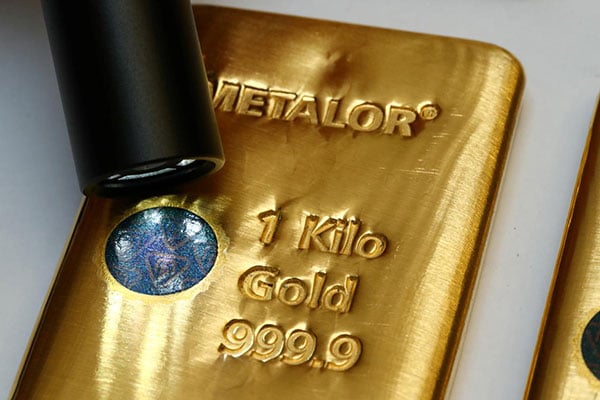
- Purity or fineness (for example, 999.9)
- Manufacturing marks consistent with the issuing refinery
The information engraved on the bar should match the accompanying documentation.
4. Use an Independent Refinery or Assayer
Do not rely solely on reports provided by the seller. For significant purchases, arrange verification through an independent refinery or recognized assayer that has no financial interest in the transaction.
Independent testing provides additional confidence that the gold matches its stated purity and weight.
5. Buy Bullion from LBMA Good Delivery Refiners
When purchasing investment-grade bullion, consider products manufactured by refiners appearing on the LBMA Good Delivery List. These refiners meet internationally recognized standards for gold bars accepted in many global bullion markets.
Choosing bullion from recognized refiners can improve market acceptance and simplify future resale
6. Review All Supporting Documentation
Before making payment, carefully review every document supplied by the seller.
Typical documents include:
- Certificate of Analysis (Assay Certificate)
- Commercial Invoice
- Export authorization or permit (where applicable)
- Certificate of Origin (when required)
- Packing List
- Insurance Certificate
- Air Waybill (AWB)
- Customs documentation
Ensure that the documentation is internally consistent and matches the gold being purchased.
7. Inspect the Seller’s Office or Business Premises
Whenever practical, visit the seller’s office or business location before completing a high-value purchase.
During the visit, verify:
- Physical business premises
- Company registration details
- Identity of authorized representatives
- Gold handling procedures
- Available inventory (where appropriate)
Avoid relying exclusively on online communications or messaging applications.
8. Verify the Chain of Custody
Understanding the chain of custody helps confirm where the gold originated and how it moved through the supply chain before reaching you.
Ask the seller to explain:
- Source of the gold
- Refining history (if applicable)
- Ownership history
- Storage arrangements
- Transportation and security procedures
- Export and customs documentation
A clear chain of custody improves traceability and supports responsible sourcing practices.
Gold Verification Checklist
| Verification Step | Why It Matters |
| XRF Testing | Quickly checks the surface metal composition without damaging the gold. |
| Fire Assay | Provides highly accurate laboratory confirmation of gold purity. |
| Serial Numbers | Helps verify authenticity and traceability of investment bars. |
| Independent Assayer or Refinery | Reduces reliance on the seller’s own documentation. |
| LBMA Good Delivery Refiner | Indicates that the bullion was produced by a refiner meeting internationally recognized standards. |
| Document Review | Confirms the legality, purity, and ownership of the gold. |
| Office Inspection | Verifies that the seller operates from a legitimate business location. |
| Chain of Custody | Supports traceability and helps identify inconsistencies before purchase. |
Key Takeaway: No single verification method is sufficient on its own. Combine physical inspection, professional testing, documentation review, and seller due diligence before purchasing gold. For high-value transactions, independent verification provides greater confidence and helps reduce the risk of fraud or costly disputes.
Shipping Gold Internationally
Shipping gold internationally requires more than simply booking a courier. Because gold is a high-value commodity, shipments must comply with export and import regulations, customs requirements, security procedures, and insurance standards. Whether shipping from Ghana, Dubai, or Switzerland, buyers should ensure that the gold is legally exported, properly documented, fully insured, and transported by a reputable logistics provider experienced in handling precious metals.
The best shipping method depends on the destination country, shipment value, local regulations, and the level of security required.
Shipping Gold from Ghana
Gold exported from Ghana must comply with the country’s export requirements before leaving the country. Once the necessary documentation has been completed, shipments are typically transported by air using secure logistics providers.
When shipping from Ghana, buyers should ensure that:
- The shipment includes all required export and customs documentation.
- The gold is professionally packaged and sealed.
- The shipment is fully insured against loss or damage.
- Tracking information is provided throughout transit.
- Customs requirements in the destination country are understood before dispatch.
Because Ghana is a producing country, export compliance should be confirmed before arranging international transport.
Shipping Gold from Dubai (UAE)
Dubai is a major global logistics hub with excellent air cargo connections to Europe, Asia, Africa, and North America. Many licensed bullion dealers can assist buyers with export documentation, secure packaging, and international shipping arrangements.
Before shipping from Dubai:
- Confirm export and customs requirements.
- Ensure the shipment is adequately insured.
- Verify all commercial invoices and shipping documents.
- Select a logistics provider experienced in transporting precious metals.
- Check import requirements in the destination country before dispatch.
Shipping Gold from Switzerland
Switzerland has one of the world’s most advanced logistics networks for precious metals. Many investors purchase Swiss bullion specifically because of the country’s secure transport infrastructure and professional vaulting services.
International shipments from Switzerland typically include:
- Secure packaging designed for high-value bullion.
- Comprehensive insurance coverage.
- Customs documentation prepared before export.
- Professional logistics providers specializing in valuable cargo.
- Optional secure vault storage before shipment.
Insurance and Shipment Security
Gold should always be insured for its full declared value during transportation. Insurance helps protect buyers and sellers against theft, loss, or accidental damage while the shipment is in transit.
To improve shipment security:
- Use reputable logistics providers that specialize in high-value goods.
- Ensure shipments are securely packaged and sealed.
- Keep tracking and shipment records.
- Confirm who is responsible for insurance during each stage of transport.
- Verify delivery procedures before dispatch.
Customs Clearance
International gold shipments must comply with the customs laws of both the exporting and importing countries.
Customs authorities may require:
- Commercial Invoice
- Packing List
- Export authorization (where applicable)
- Certificate of Analysis
- Certificate of Origin (when required)
- Air Waybill (AWB)
- Customs declaration
- Insurance documentation
Incomplete or inaccurate paperwork can delay customs clearance and increase costs.
Common Logistics Providers
Many international gold shipments are transported by professional logistics companies experienced in handling valuable cargo.
Examples include:
- Brinks
- Malca-Amit
- G4S
- DHL Express (where suitable for the shipment and destination)
- UPS (where suitable for the shipment and destination)
- Emirates SkyCargo
- Ethiopian Cargo
The appropriate carrier depends on the shipment value, destination, applicable regulations, and the services offered in the relevant country.
Estimated International Delivery Times
| Origin | Typical Delivery Time* |
| Ghana | Approximately 3–7 business days after export clearance, depending on the destination and customs processing. |
| Dubai (UAE) | Approximately 2–5 business days for many international destinations, subject to customs clearance. |
| Switzerland | Approximately 2–5 business days for many international destinations, subject to customs clearance. |
Note. Delivery times are estimates only and can vary based on destination country, customs inspections, carrier schedules, security procedures, weather, and public holidays.
Shipping Comparison
| Shipping Factor | Ghana | Dubai (UAE) | Switzerland |
| Insurance | Strongly recommended for all shipments | Strongly recommended | Strongly recommended |
| Customs Documentation | Required | Required | Required |
| Security | Secure transport recommended | High-security logistics widely available | Excellent high-security logistics available |
| Professional Logistics Providers | Available | Widely available | Widely available |
| Typical International Delivery | 3–7 business days* | 2–5 business days* | 2–5 business days* |
Key Takeaway: Safe international gold shipping depends on complete documentation, appropriate insurance, secure transportation, and compliance with export and import regulations. Choosing an experienced logistics provider and preparing customs paperwork before shipment can help minimize delays and protect your investment.
Advantages and Disadvantages
Each gold market offers unique benefits and trade-offs. Ghana attracts buyers looking for direct access to a major gold-producing country, Dubai combines competitive pricing with a global trading hub, and Switzerland is renowned for premium investment-grade bullion and secure storage. The best choice depends on your investment objectives, budget, risk tolerance, and whether you prioritize lower acquisition costs, international recognition, or long-term wealth preservation.
Advantages and Disadvantages Comparison
| Ghana | Dubai (UAE) | Switzerland | |
| Pros | • Access to gold closer to the source of production. • Attractive for wholesale sourcing and bulk purchases. • Strong mining industry with export opportunities. • Potentially competitive pricing depending on market conditions and transaction costs. • Suitable for experienced international buyers. |
• One of the world’s largest bullion trading hubs. • Wide selection of investment-grade gold bars and coins. • Competitive dealer pricing due to an active market. • Excellent international transport and logistics. • Strong global liquidity and resale market. |
• Internationally recognized investment-grade bullion. • Exceptional refining standards and quality control. • Strong global reputation and investor confidence. • Secure vaulting and professional storage options. • High international acceptance and resale value. |
| Cons | • Greater due diligence required. • Export procedures involve multiple compliance requirements. • Higher risk when dealing with unverified sellers. • International shipping and customs can increase total costs. |
• Dealer premiums vary between retailers. • Tourist-focused sellers may charge higher markups. • Export procedures still require proper documentation and customs compliance. |
• Premiums are generally higher than in other markets. • Investment bullion may cost more because of refining quality and global reputation. • Less suitable for buyers seeking direct sourcing opportunities. |
Which Market Offers the Best Balance?
- Choose Ghana if your priority is sourcing gold closer to production and you have the experience to manage due diligence, documentation, and international trade requirements.
- Choose Dubai if you want competitive pricing, broad product availability, strong liquidity, and a well-established global bullion marketplace.
- Choose Switzerland if you value internationally recognized bullion, premium quality, secure storage, and long-term investment confidence over the lowest purchase price.
Key Takeaway: No single country is the best choice for every buyer. Ghana offers sourcing advantages, Dubai provides a balance of accessibility and competitive pricing, and Switzerland stands out for quality, security, and global recognition. Evaluate the total cost, legal requirements, and your investment goals before deciding where to buy gold.
Which Country Is Best for Different Buyers?
There is no single best country for every gold buyer. The ideal market depends on your budget, investment objectives, purchase volume, and experience with international gold transactions. A small investor may prioritize convenience and globally recognized bullion, while a wholesale importer may focus on sourcing opportunities and supply chain efficiency. The table below matches common buyer types with the market that generally best suits their needs.
Best Country by Buyer Type
| Buyer Type | Best Country | Why It Is the Best Choice |
| Small Investor | Dubai | Offers easy access to investment-grade gold bars and coins, competitive pricing, and a wide choice of licensed bullion dealers. |
| Institutional Investor | Switzerland | Internationally recognized bullion, exceptional refining standards, secure storage, and strong global market acceptance make it a preferred choice for institutional holdings. |
| Jewelry Buyer | Dubai | Famous for its extensive jewelry market, broad product selection, and competitive retail environment. |
| Wholesale Buyer | Ghana | Attractive for buyers sourcing larger quantities closer to production through authorized channels, subject to applicable regulations and due diligence. |
| Importer | Ghana | Suitable for experienced importers seeking direct sourcing opportunities, provided all export and import requirements are met. |
| Long-Term Investor | Switzerland | Renowned for investment-grade bullion, secure vaulting services, high resale value, and long-term wealth preservation. |
Choosing the Right Market
- Choose Ghana if you are an experienced importer or wholesale buyer looking to source gold closer to its origin and are prepared to manage regulatory compliance and due diligence.
- Choose Dubai if you want a combination of competitive pricing, broad product availability, strong liquidity, and a convenient buying experience.
- Choose Switzerland if your priority is internationally recognized bullion, secure storage, and preserving wealth over the long term.
Key Takeaway: The best country to buy gold depends on your specific goals rather than price alone. Consider the total cost, legal requirements, documentation, product quality, resale potential, and level of risk before making your decision.
Real Cost of Buying 1kg of Gold
The advertised price of a 1kg gold bar is only part of the total cost. Whether you buy gold in Ghana, Dubai, or Switzerland, you should calculate the total landed cost rather than focusing solely on the purchase price. The final amount you pay includes the international spot price, dealer premium, shipping, insurance, export-related charges, customs clearance, and any import duties or taxes imposed by your destination country.
Because the spot price changes continuously and taxes differ by jurisdiction, the example below illustrates how costs are calculated, not fixed market prices.
Example: Total Landed Cost of a 1kg Gold Bar
| Cost Component | Ghana | Dubai (UAE) | Switzerland |
| Spot Price (1kg Gold) | Market price | Market price | Market price |
| + Dealer Premium | Varies by supplier, purity, and quantity | Varies by dealer and bullion product | Typically higher for internationally recognized investment bullion |
| + Shipping Costs | Secure international shipping | Secure international shipping | Secure international shipping |
| + Insurance | Full-value shipment insurance | Full-value shipment insurance | Full-value shipment insurance |
| + Export Documentation / Government Charges | Applicable export documentation and government charges | Applicable customs and export processing costs | Applicable customs and export processing costs |
| + Import Taxes / Duties | Determined by the destination country’s laws | Determined by the destination country’s laws | Determined by the destination country’s laws |
| = Estimated Total Landed Cost | Spot Price + All Applicable Costs | Spot Price + All Applicable Costs | Spot Price + All Applicable Costs |
What Increases the Total Cost?
Several factors can significantly affect the final price you pay for a 1kg gold bar:
- Dealer Premium: Added above the international spot price.
- Shipping Method: Secure courier services for precious metals cost more than standard freight.
- Insurance: High-value shipments should be insured for their full declared value.
- Export Charges: Documentation, customs processing, and any applicable government fees.
- Import Duties and Taxes: Charged according to the laws of the destination country.
- Currency Exchange Rates: International payments may incur exchange rate and bank transfer costs.
- Storage Fees: If bullion is held in a secure vault before or after shipment.
Example Cost Formula
Total Landed Cost = Spot Price + Dealer Premium + Shipping + Insurance + Export Charges + Import Duties/Taxes + Other Applicable Costs
Comparing Overall Value
- Ghana may offer competitive wholesale pricing near the source of production, but export compliance, shipping, and import costs should be included when comparing offers.
- Dubai often provides competitive premiums and efficient international logistics, making it a popular choice for many investors and traders.
- Switzerland generally commands higher premiums because of its internationally recognized refining standards, exceptional quality assurance, and strong resale value.
Key Takeaway: The lowest advertised price does not always result in the lowest overall cost. Always compare the total landed cost—including premiums, shipping, insurance, documentation, customs, and import duties—before deciding where to buy a 1kg gold bar.
Frequently Asked Questions
Is Ghana cheaper than Dubai for buying gold?
Not necessarily. While Ghana may offer competitive pricing because it is a major gold-producing country, the final cost depends on several factors, including the international spot price, dealer premiums, export documentation, secure shipping, insurance, and the import duties or taxes charged by your destination country. Dubai’s highly competitive bullion market may offer lower premiums on certain investment products, making it more cost-effective in some situations. Always compare the total landed cost rather than the advertised purchase price.
Is Switzerland the safest place to buy gold?
Switzerland is widely regarded as one of the safest countries for purchasing investment-grade gold. The country is home to internationally recognized precious metal refineries, strict quality control standards, and a mature financial sector. Many gold bars produced in Switzerland are accepted by investors, banks, and bullion dealers worldwide. However, buyers should still conduct due diligence, purchase from reputable dealers, and verify all documentation before completing a transaction.
Can foreigners legally buy gold in Ghana?
Yes. Foreign buyers can legally purchase gold in Ghana provided they comply with Ghanaian laws and regulations and work with businesses that are authorized to conduct gold transactions under the applicable legal framework. Buyers should also ensure that all required export and customs documentation is completed before arranging international shipment. Import requirements in the destination country must also be satisfied.
Why is Dubai famous for gold?
Dubai is famous for its position as one of the world’s leading gold trading hubs. The city attracts investors, wholesalers, jeweler, and tourists because of its extensive bullion market, large number of licensed dealers, modern trading infrastructure, and well-known Gold Souk. Dubai also offers a wide selection of investment-grade gold bars, coins, and jeweler, supported by efficient logistics and strong international trade connections.
Which country has the highest-quality gold?
High-quality investment gold is available in Ghana, Dubai, and Switzerland, but Switzerland is internationally recognized for producing some of the world’s most trusted investment-grade bullion through globally respected refineries. Dubai offers a broad selection of high-purity bullion sourced from recognized refiners, while Ghana supplies both locally refined bullion and gold from a major producing country. Regardless of where you buy gold, verify the purity, assay documentation, serial numbers (where applicable), and the reputation of the seller before making a purchase
Conclusion
Choosing between Ghana, Dubai, and Switzerland depends on your investment goals, budget, and the level of security and regulatory assurance you require. Ghana offers access to gold closer to the source of production and can be an attractive option for wholesale buyers and importers who perform thorough due diligence, verify sellers, and comply with all applicable export requirements. Dubai combines a large international bullion market with competitive dealer premiums, excellent logistics, and a wide selection of investment-grade gold products. Switzerland remains a preferred destination for investors seeking internationally recognized bullion, world-class refining standards, secure storage, and strong global resale value.
Regardless of where you buy gold, focus on more than just the purchase price. Verify the seller’s credentials, confirm the gold’s purity through appropriate testing, review all documentation, understand the applicable taxes and customs requirements, and calculate the total landed cost before making a purchase. Taking these steps can help reduce risk and support a secure, compliant transaction.
If you’re looking to source African gold responsibly, Buy Gold in Africa Limited assists buyers throughout the purchasing process by helping verify suppliers, coordinate independent assays where appropriate, prepare export documentation, and arrange secure international shipping in compliance with applicable regulations. Whether you are purchasing your first gold bar or managing a large wholesale order, our team can help you navigate the process with transparency, professionalism, and a commitment to responsible sourcing.